New Zealand in brief
- North or South Island? Culture, cities and geothermal sights in the north; mountains, lakes and fiords in the south.
- Te Anau and Milford Sound in Fiordland, plus Queenstown, Aoraki/Mount Cook and the glaciers.
- Best time to visit: November to April; summer is December to February.
- About 24 hours from the UK with a stop; allow two to four weeks (itineraries).
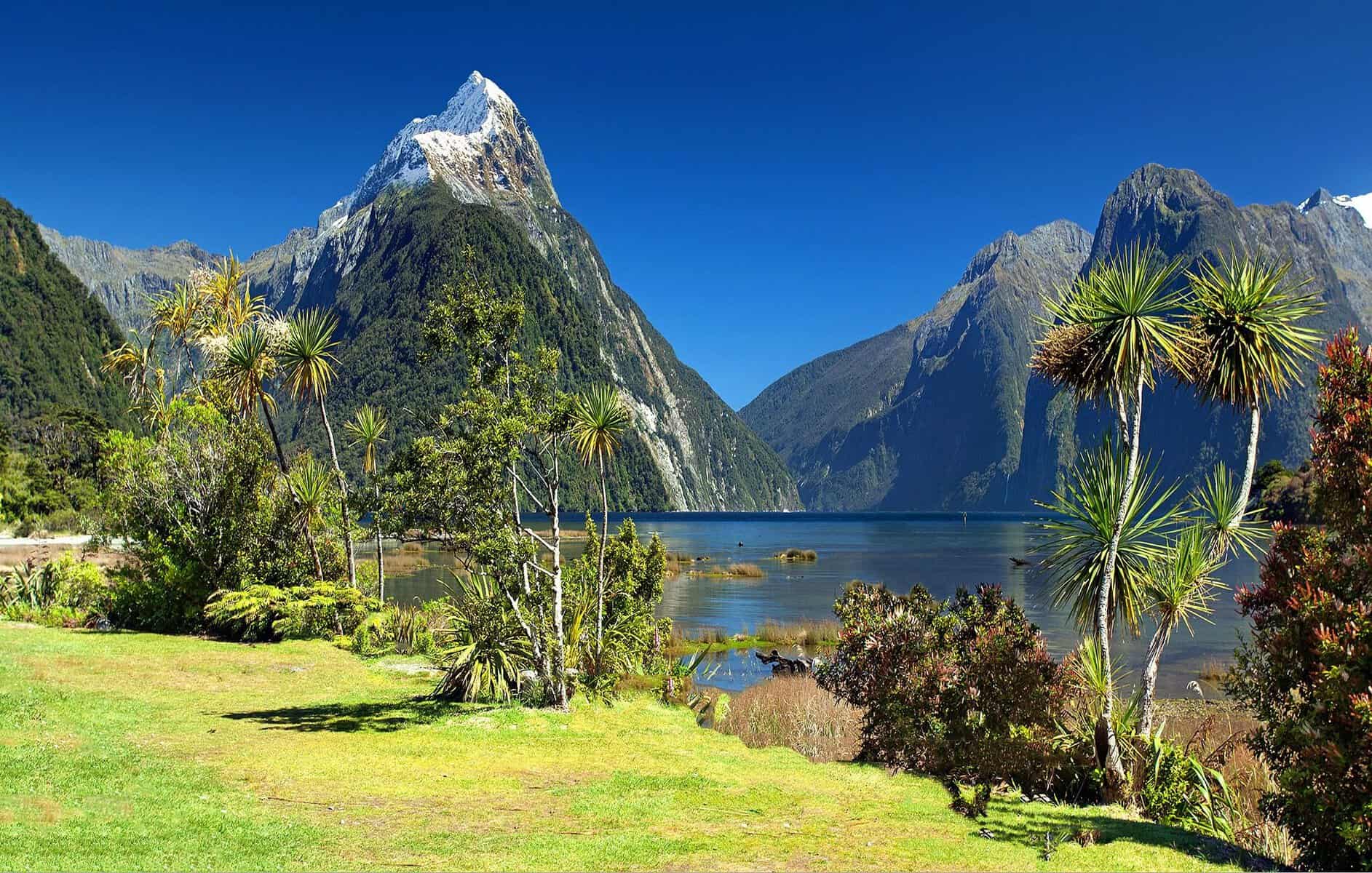
New Zealand is the trip of a lifetime for many British travellers, and it deserves the time it takes to get there. In a country about the size of the UK you’ll find fjords and glaciers, volcanoes and geysers, golden beaches, vineyards, rainforest and some of the best walking on earth, along with a living Māori culture and a famously warm welcome. This guide covers the North and South Islands and their highlights, from Auckland and Rotorua to Queenstown, Te Anau and Milford Sound, plus the best time to visit New Zealand month by month, getting there from the UK, getting around, where to stay and sample itineraries.
North Island or South Island?
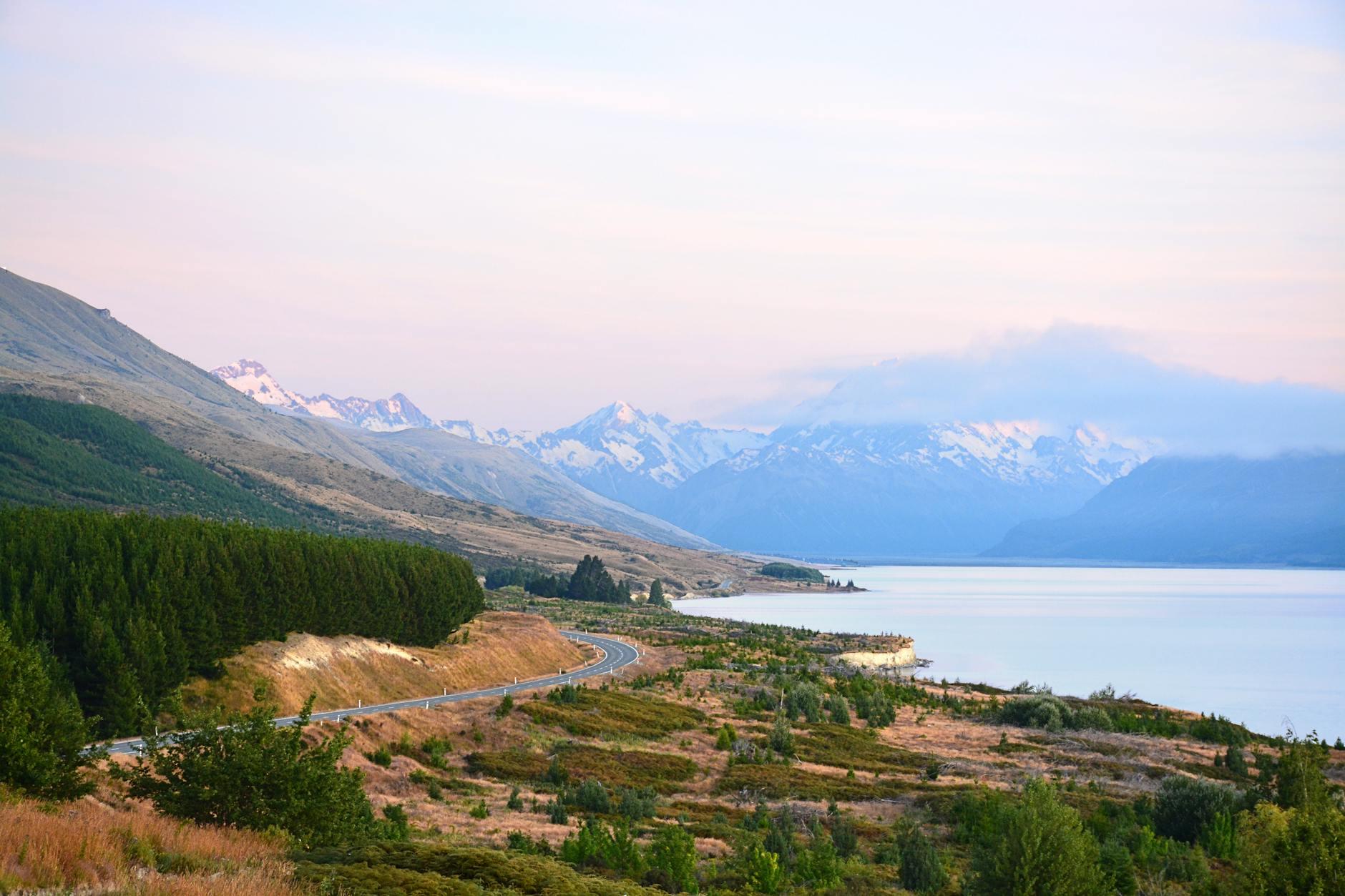
New Zealand is two main islands separated by the Cook Strait, about 1,600 km from tip to tail. The North Island is warmer and home to most people: Auckland and Wellington, subtropical beaches, the geothermal and Māori heartland of Rotorua, and the volcanoes of Tongariro.
The South Island is bigger, emptier and more dramatic: the Southern Alps and Aoraki/Mount Cook, glaciers on the West Coast, turquoise lakes, Queenstown, and the fjords of Fiordland. If you can only do one, most first-timers choose the South Island for scenery.
For a first trip of three weeks or more, though, we’d see both: a week in the north for culture, cities and geothermal sights, then two weeks in the south, flying between them or taking the ferry from Wellington to Picton (about 3.5 hours).
| North Island | South Island | |
|---|---|---|
| Feel | Warmer, cities, beaches, culture | Mountains, lakes, fjords, glaciers |
| Highlights | Bay of Islands, Rotorua, Waitomo, Hobbiton, Tongariro | Queenstown, Milford Sound, Aoraki, Franz Josef, Abel Tasman |
| Best for | Māori culture, geothermal sights, coast | Scenery, walking, adventure, wine |
| Time needed | 5 to 8 days | 10 to 16 days |
The North Island
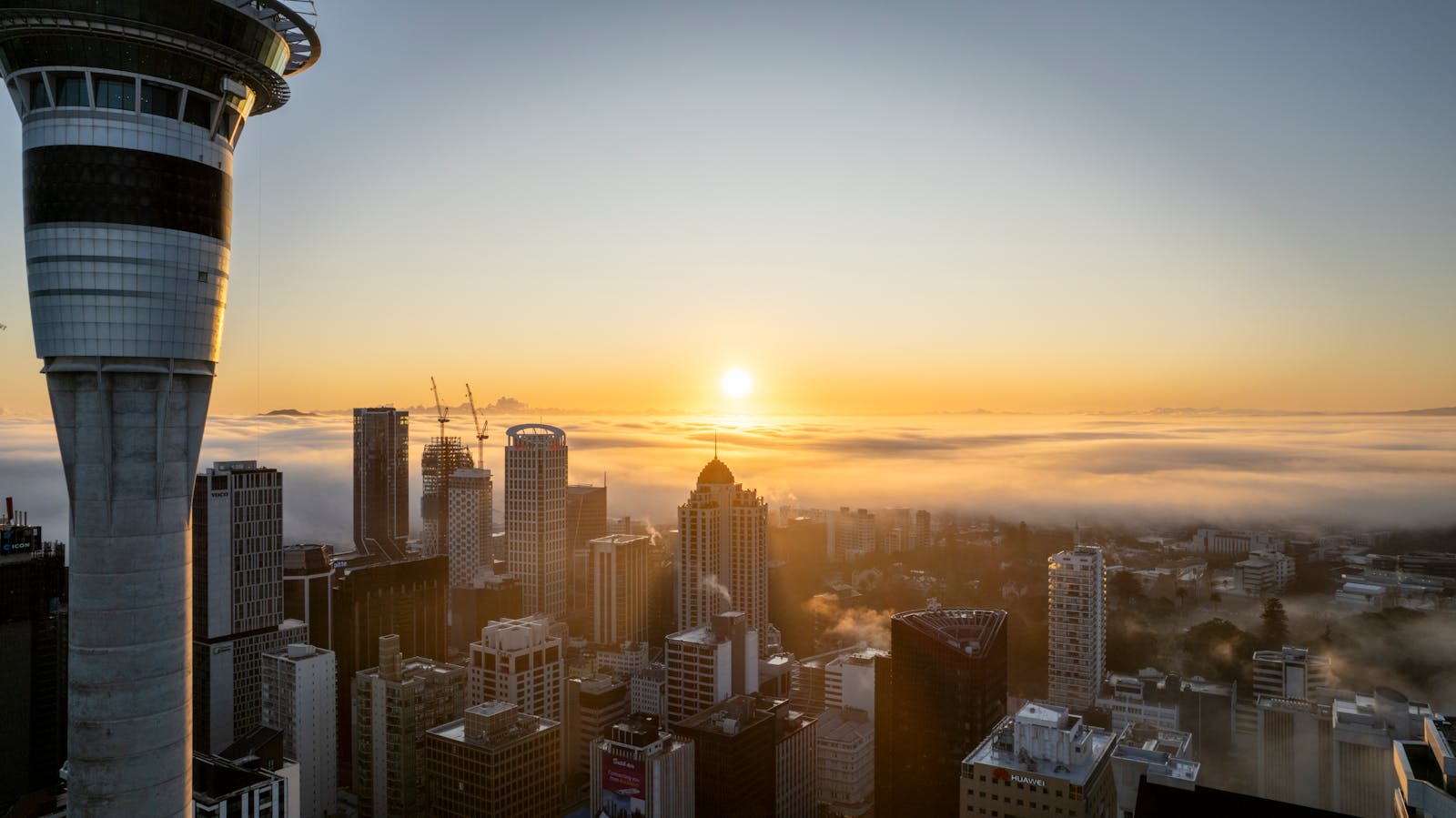
Auckland, the City of Sails, is where most visitors arrive. It’s built across a narrow isthmus between two harbours, among dozens of volcanic cones. Climb Maungawhau (Mount Eden) for the view, take the ferry to the vineyards and beaches of Waiheke Island, and walk the waterfront. Two nights is enough to recover from the flight.
The Bay of Islands, three hours north, has 144 islands, sailing, dolphins and the Waitangi Treaty Grounds, where the founding treaty between Māori chiefs and the British Crown was signed in 1840.
The Coromandel Peninsula, east of Auckland, has the sea arch of Cathedral Cove and Hot Water Beach, where you dig your own spa in the sand at low tide.


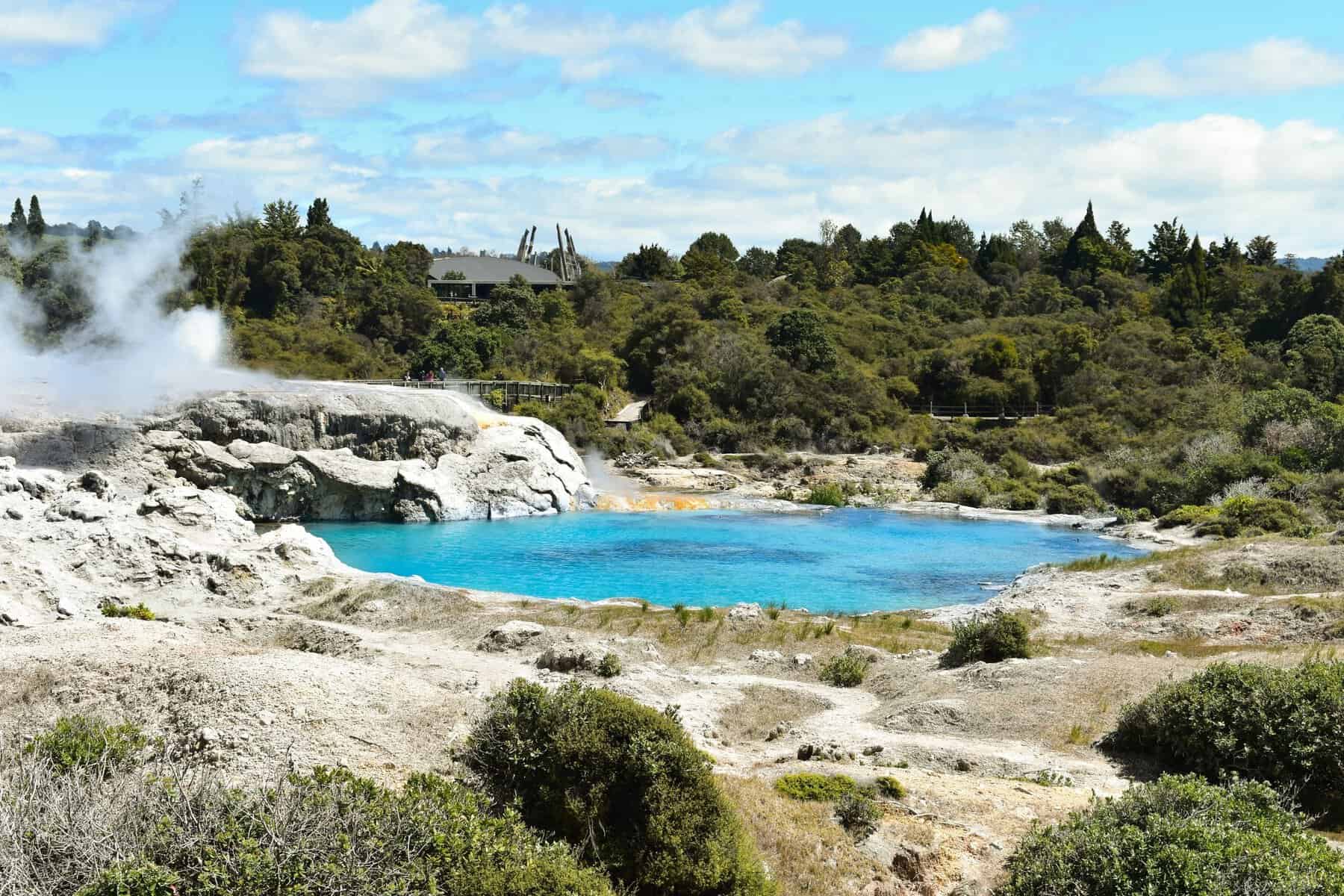
Rotorua smells faintly of sulphur, and that’s the point: it sits on one of the world’s most active geothermal fields. See the Pōhutu geyser at Te Puia, the coloured pools of Wai-O-Tapu, and bubbling mud, then soak in a hot pool by the lake. It’s also the best place to learn about Māori culture, with a hāngī feast cooked in the ground and a cultural performance.
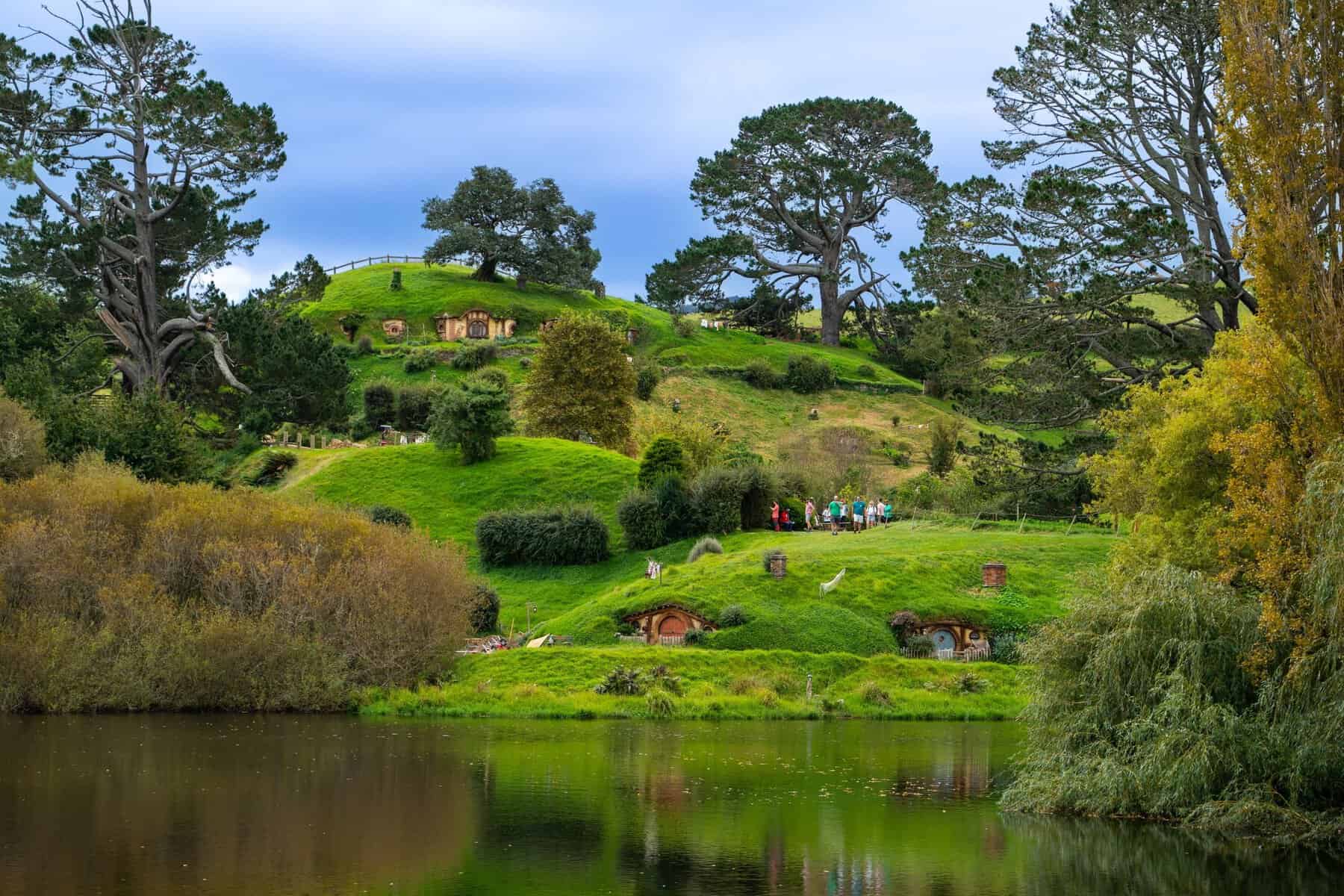
Near Rotorua are the Hobbiton Movie Set at Matamata, the farm where the Shire was filmed, and the Waitomo Caves, where boats drift beneath thousands of glowworms.
Lake Taupō, the country’s largest lake, lies to the south, with the Tongariro Alpine Crossing, a full-day volcanic hike past the Emerald Lakes, in the dual UNESCO-listed Tongariro National Park.

Wellington, the compact capital at the southern tip, has a lively café and food scene and Te Papa, the national museum, which is free and excellent. Ferries cross the Cook Strait from here to Picton through the Marlborough Sounds.
The South Island
Abel Tasman and Marlborough
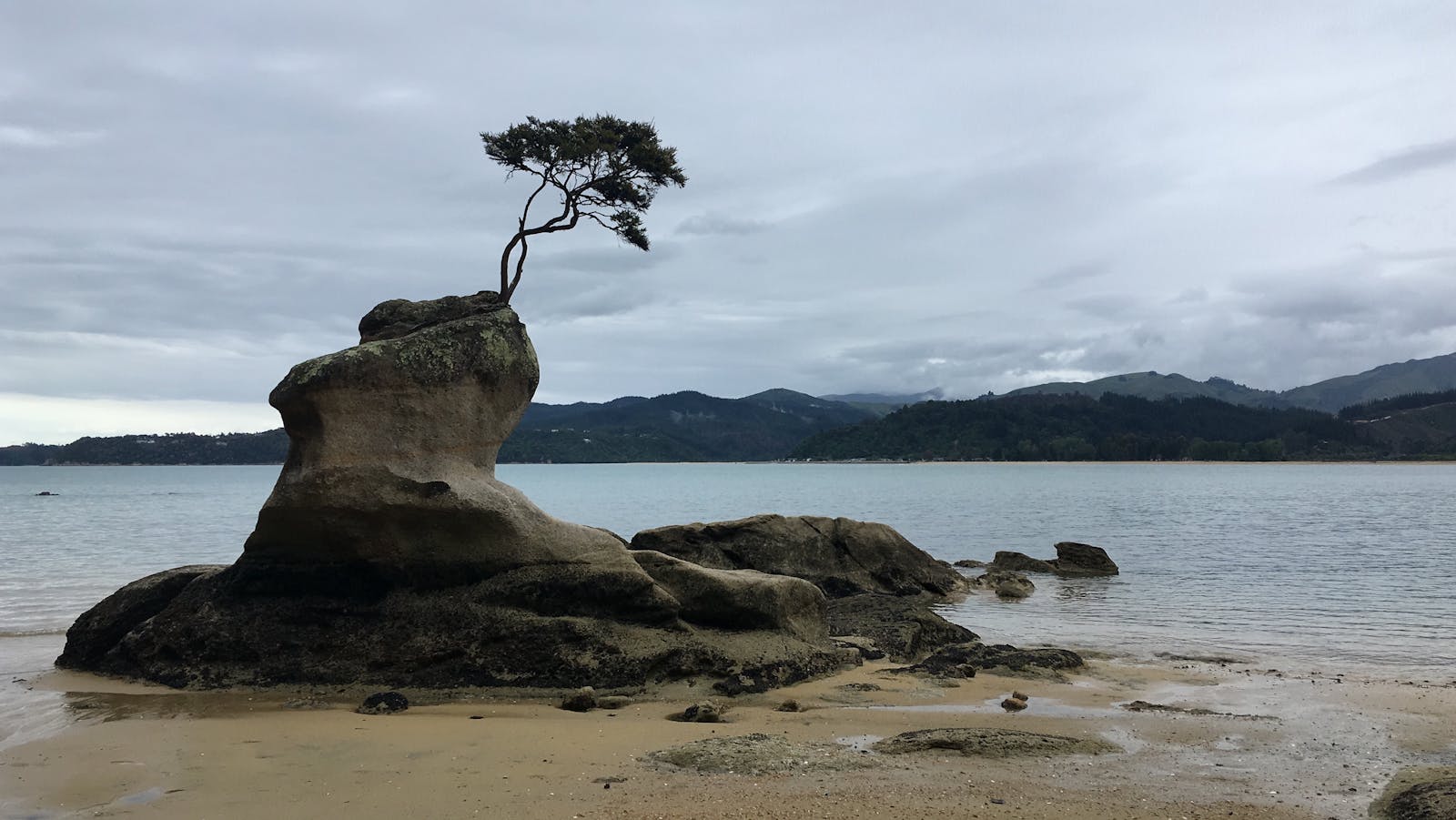
Abel Tasman National Park has golden beaches and clear bays, explored by sea kayak, water taxi or on foot along the coast track. Marlborough, around Blenheim, is the home of New Zealand Sauvignon Blanc, with cellar doors among the vines.
Kaikōura
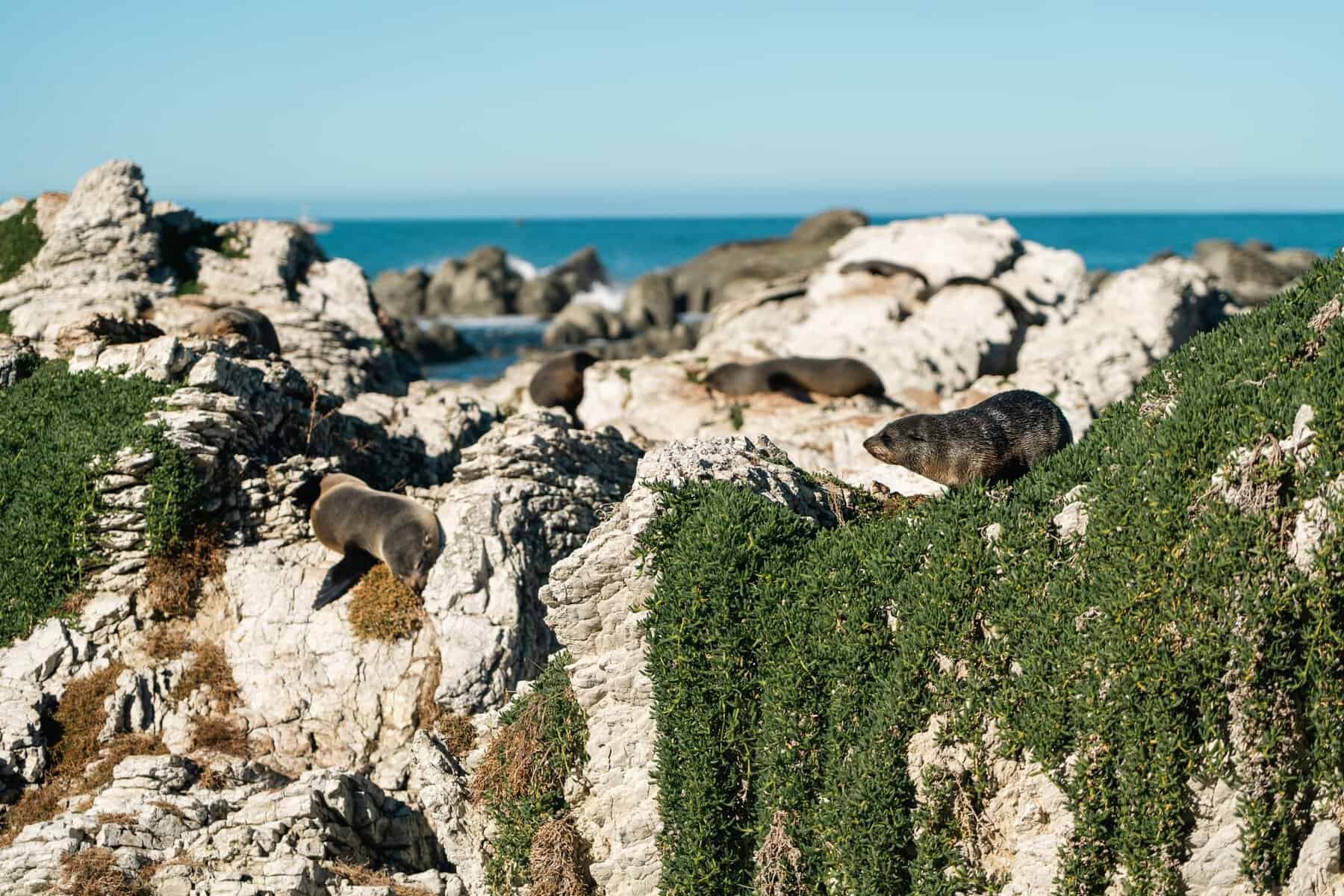
A small coastal town where deep water comes close to shore, so sperm whales can be seen all year, along with dusky dolphins, fur seals and albatrosses. Mountains drop almost to the sea.
Lake Tekapo and Aoraki/Mount Cook
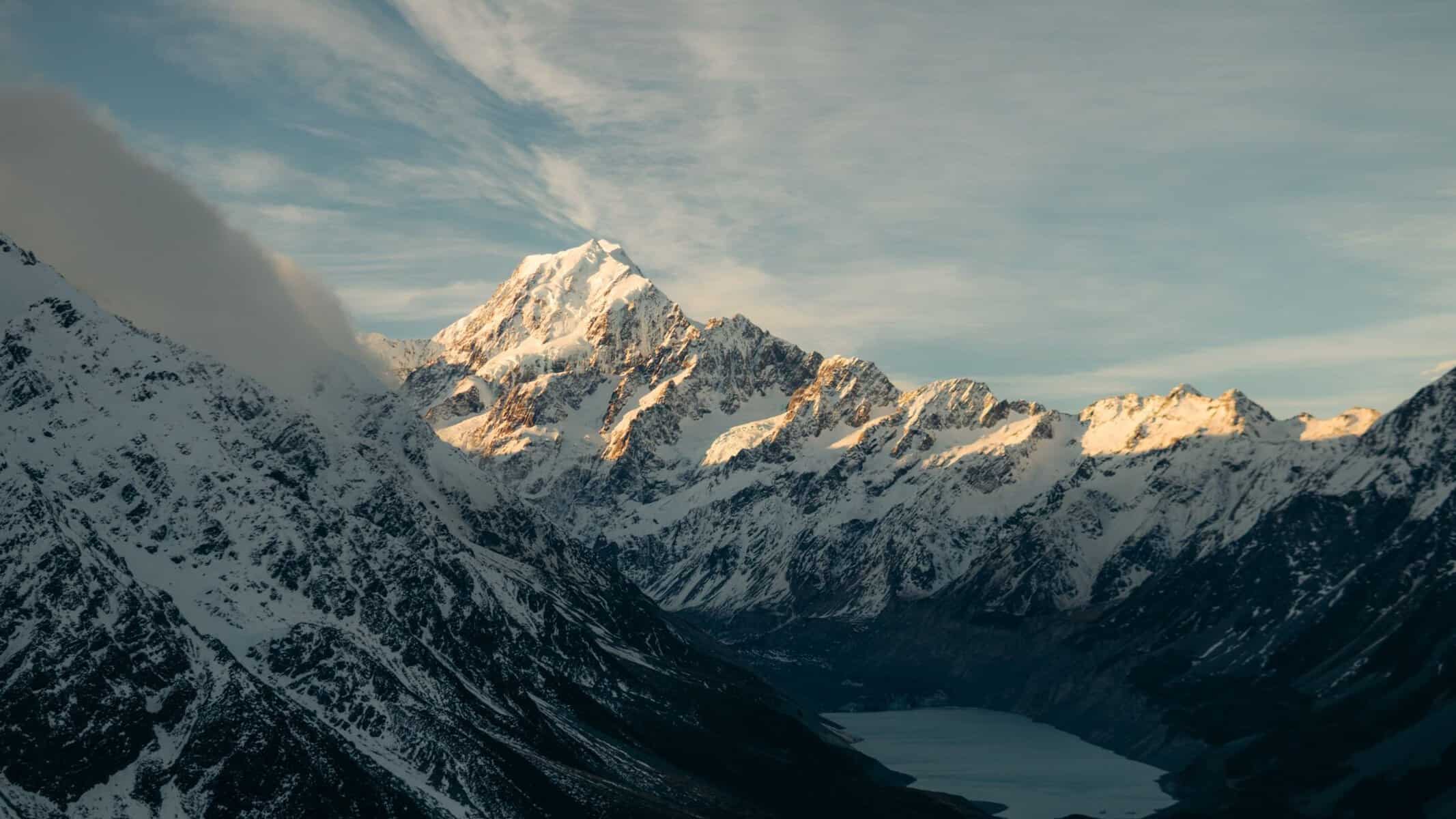
The turquoise lakes of the Mackenzie Basin lead to Aoraki/Mount Cook, at 3,724 m the country’s highest peak. Walk the Hooker Valley Track to the glacier lake below it, and stargaze at Tekapo, in one of the world’s largest dark sky reserves.
The West Coast and Franz Josef Glacier
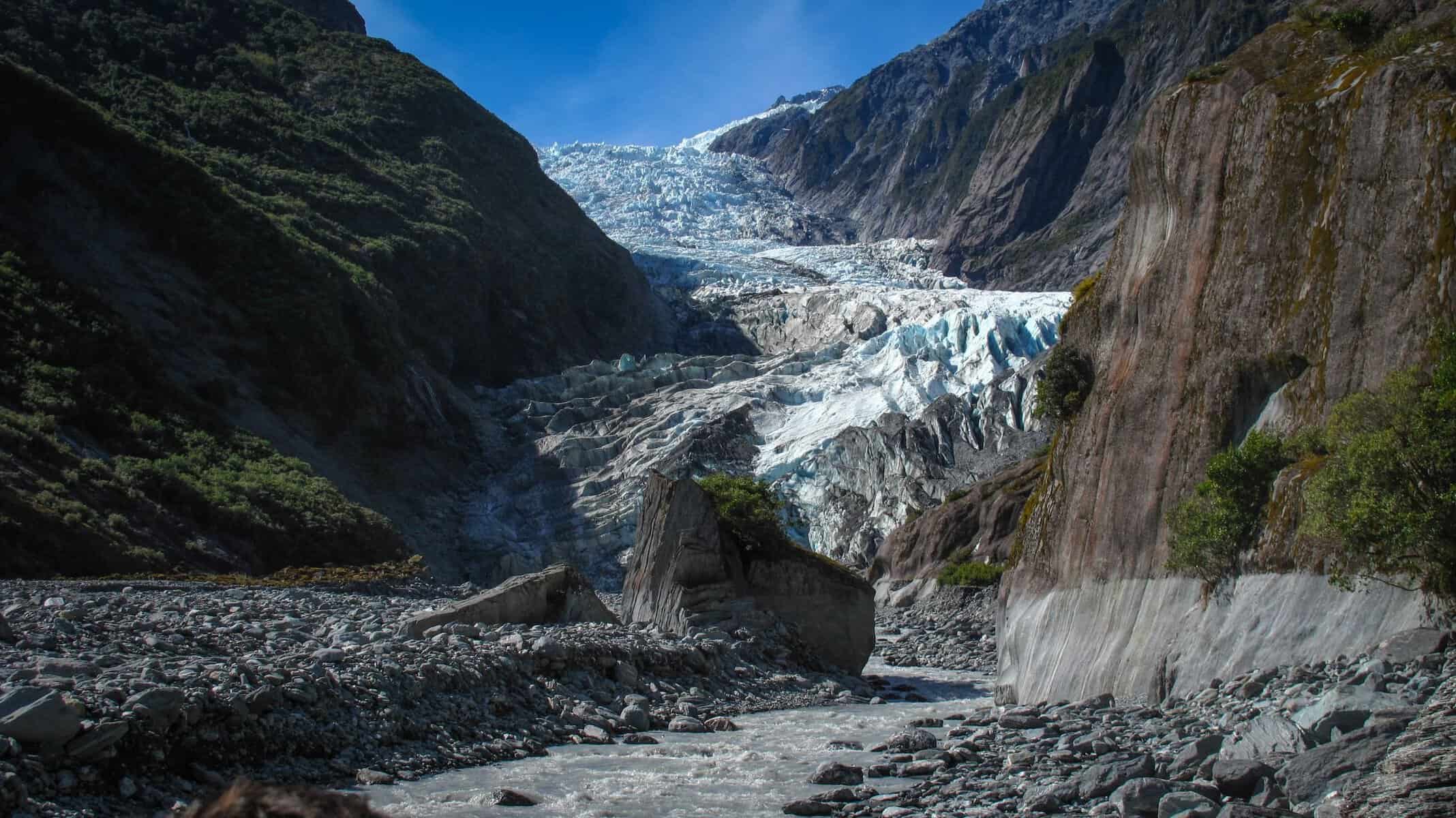
Wild beaches, the Pancake Rocks at Punakaiki and two glaciers, Franz Josef and Fox, flowing down towards the rainforest. The glaciers have retreated, so to walk on the ice you now fly in by helicopter; there are also valley walks to viewpoints. The TranzAlpine train crosses from Christchurch to Greymouth.

Queenstown, on Lake Wakatipu below the Remarkables, is the adventure capital: bungy jumping was born here, along with jet-boating, paragliding and skiing in winter. It’s also lovely at a slower pace, with lake cruises, the gondola and wineries in the Gibbston Valley and Central Otago.
Glenorchy, about 45 minutes’ drive along the lake, is a tiny settlement at the head of Lake Wakatipu, surrounded by mountains and braided rivers that appear in many films. It’s the start of the Routeburn Track and a beautiful drive in itself.
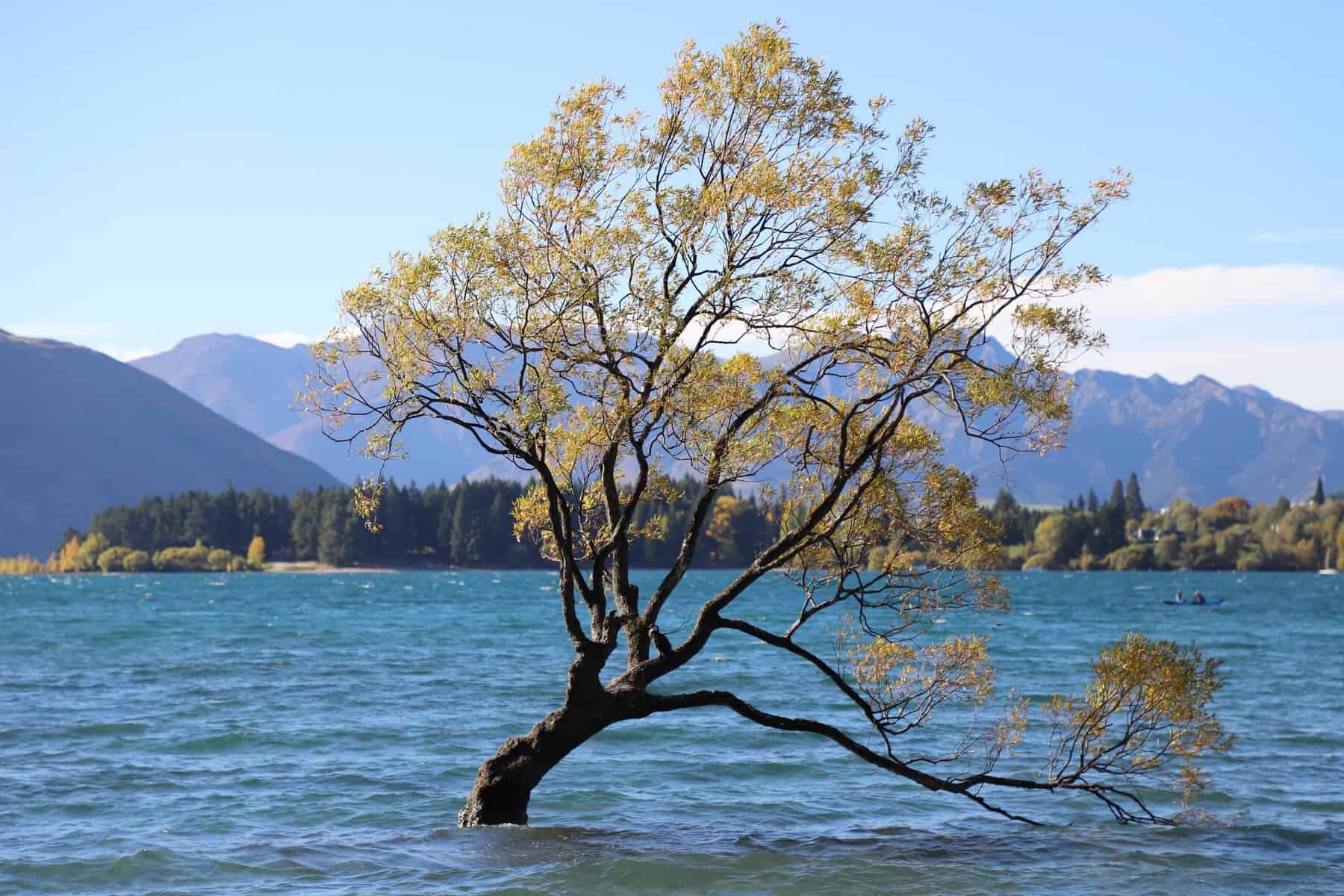
Wānaka, an hour away over the Crown Range, is a quieter lakeside town with superb walks and the famous lone willow in the lake.
Te Anau, Milford Sound and Fiordland

Fiordland National Park, in the far south-west, is part of a UNESCO World Heritage Area: a wilderness of fiords carved by glaciers, rainforest and waterfalls. Milford Sound (Piopiotahi) is the star, with Mitre Peak rising about 1,690 m straight from the water. A cruise of two hours or so takes you out to the Tasman Sea and back past seals, waterfalls and sometimes dolphins.
It rains a lot here, and that’s no bad thing: after heavy rain hundreds of temporary waterfalls pour off the cliffs. The road to Milford, through the Eglinton Valley and the Homer Tunnel, is a highlight in itself. It’s about two hours each way from Te Anau, or around four from Queenstown, which is why many people fly in by small plane or helicopter instead.

Te Anau is the gateway to Fiordland: a relaxed lakeside town on Lake Te Anau, the South Island’s largest lake. Stay here rather than doing Milford as a long day from Queenstown. Take a boat across the lake to the Te Anau glowworm caves, and walk part of the Kepler Track, which starts just outside town.
Doubtful Sound, longer, wilder and much quieter than Milford, is reached from Manapouri, 20 minutes from Te Anau, by boat across Lake Manapouri and a coach over Wilmot Pass. Overnight cruises are the best way to see it.
Fiordland also has three of the country’s Great Walks: the Milford, Routeburn and Kepler Tracks. Huts on the Milford Track book out months ahead for the summer season.

More things to do in New Zealand
- Walking: from short rainforest trails to multi-day Great Walks, with guided options where your bags and meals are carried.
- Wildlife: whales and dolphins at Kaikōura, albatrosses and yellow-eyed penguins on the Otago Peninsula near Dunedin, and kiwi at sanctuaries and night tours.
- Wine: Marlborough Sauvignon Blanc, Central Otago Pinot Noir, and Hawke’s Bay and Waiheke reds.
- Scenic flights: over Milford Sound, the glaciers or Aoraki, many with a snow landing.
- Adventure: bungy, jet-boating, white-water rafting and skydiving, especially around Queenstown and Taupō.
- Cycling: the Otago Central Rail Trail is an easy, multi-day ride through old gold-mining country.
Food is a big part of the trip: lamb, green-lipped mussels, Bluff oysters in season, whitebait fritters on the West Coast, and the hāngī. Good coffee is everywhere, and the flat white is a local pride.
Best time to visit New Zealand

The seasons are the reverse of ours. Summer (December to February) is warm and long-lit, the best for beaches and the Great Walks, but it’s the busiest and priciest time, especially around Christmas and January when New Zealanders are on holiday. Autumn (March to May) is our favourite: settled weather, fewer people and golden colours in Central Otago and Wānaka. Spring (September to November) brings lambs, blossom and waterfalls in full flow, though the weather is changeable. Winter (June to August) means skiing around Queenstown and Wānaka, snowy peaks and quiet roads; the North Island stays mild.
| Month | Auckland | Rotorua | Queenstown |
|---|---|---|---|
| Jan | 23°C / 18°C · 85 mm | 23°C / 14°C · 100 mm | 21°C / 12°C · 120 mm |
| Feb | 23°C / 18°C · 105 mm | 23°C / 15°C · 115 mm | 20°C / 12°C · 110 mm |
| Mar | 22°C / 17°C · 85 mm | 21°C / 13°C · 110 mm | 19°C / 11°C · 95 mm |
| Apr | 20°C / 15°C · 95 mm | 18°C / 11°C · 110 mm | 15°C / 8°C · 105 mm |
| May | 18°C / 13°C · 95 mm | 15°C / 9°C · 120 mm | 11°C / 5°C · 150 mm |
| Jun | 15°C / 11°C · 105 mm | 13°C / 7°C · 120 mm | 7°C / 2°C · 100 mm |
| Jul | 14°C / 10°C · 115 mm | 12°C / 6°C · 130 mm | 6°C / 1°C · 130 mm |
| Aug | 15°C / 10°C · 120 mm | 12°C / 6°C · 110 mm | 7°C / 2°C · 100 mm |
| Sep | 16°C / 11°C · 110 mm | 14°C / 7°C · 140 mm | 11°C / 3°C · 130 mm |
| Oct | 17°C / 12°C · 95 mm | 17°C / 9°C · 100 mm | 14°C / 5°C · 130 mm |
| Nov | 19°C / 14°C · 105 mm | 19°C / 11°C · 120 mm | 17°C / 8°C · 125 mm |
| Dec | 21°C / 16°C · 90 mm | 22°C / 13°C · 115 mm | 20°C / 11°C · 120 mm |
Average daily high / low and monthly rain, 10-year ERA5 data. Fiordland is far wetter than anywhere in the table, and the weather everywhere can change within hours.
New Zealand in December: early summer, with Auckland around 21°C and Queenstown around 20°C by day, and daylight until about 9.30pm in the south. It’s a wonderful time to go, but book well ahead for Christmas and New Year.
Getting to New Zealand from the UK
There are no non-stop flights. Most routes take about 24 hours with one stop in Asia, the Middle East or North America, arriving in Auckland or, with some routes, Christchurch or Queenstown via Australia. We recommend breaking the journey with a stopover of two or three nights, in Singapore, Hong Kong or Dubai on the way out, or in Fiji or Hawaii on the way home. Many people combine New Zealand with Australia, a three-hour flight away.
Getting around
- Self-drive: the best way to see the country. They drive on the left and roads are good but often narrow and winding, so distances take longer than they look. Allow plenty of time and avoid driving after a long-haul flight.
- Campervan: popular in summer, with excellent holiday parks, but book sites ahead in peak season.
- Small-group and escorted tours: no driving, with a guide who knows the walks and the weather.
- Domestic flights: link Auckland, Wellington, Christchurch and Queenstown, saving long days on the road.
- Scenic trains and ferries: the TranzAlpine across the Southern Alps, the Coastal Pacific along the Kaikōura coast, and the Cook Strait ferry.
Where to stay in New Zealand
- Luxury lodges: New Zealand is famous for them: small, remote lodges on lakes, farms and coastlines, with fine food and guiding.
- Boutique hotels: in Auckland, Wellington, Queenstown and the wine regions.
- Lakeside and mountain hotels: in Te Anau, Wānaka, Tekapo and at Aoraki/Mount Cook, for the views.
- B&Bs and farm stays: a warm, personal welcome all over the country.
- Holiday parks: for campervans, with cabins and good facilities.
How many days in New Zealand? Sample itineraries
Allow at least two weeks after the long flight: ten days for one island, three to four weeks to see both well.
The South Island loop
- Christchurch (1 night)
- Kaikōura (1)
- Lake Tekapo (1)
- Aoraki/Mount Cook (1)
- Queenstown (3)
- Te Anau and Milford Sound (2)
- Wānaka (2)
- Franz Josef (2)
- TranzAlpine to Christchurch (1)
Mountains, lakes, fiords and glaciers.
North and South Islands
- Auckland (2 nights)
- Bay of Islands (2)
- Rotorua (2)
- Taupō (1)
- Wellington (1)
- Abel Tasman (2)
- Franz Josef (2)
- Queenstown (3)
- Te Anau (2)
- Aoraki/Mount Cook (1)
- Christchurch (1)
- Fly home
The classic first trip, best from November to April.
North Island highlights
- Auckland (2 nights)
- Bay of Islands (2)
- Coromandel (2)
- Rotorua (2)
- Wellington (2)
Ideal with Australia or a Pacific island stay.
Ways to see New Zealand with us
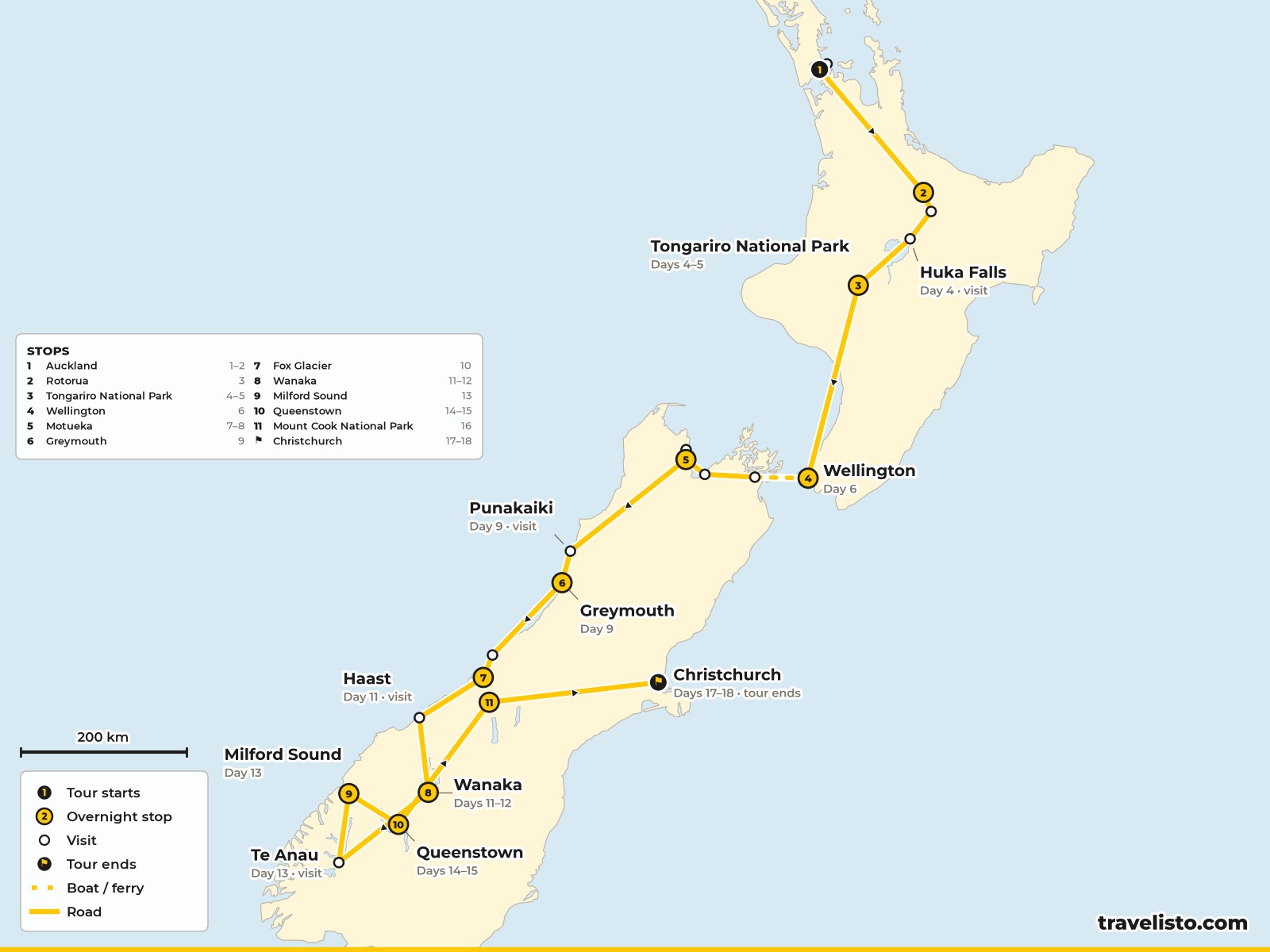
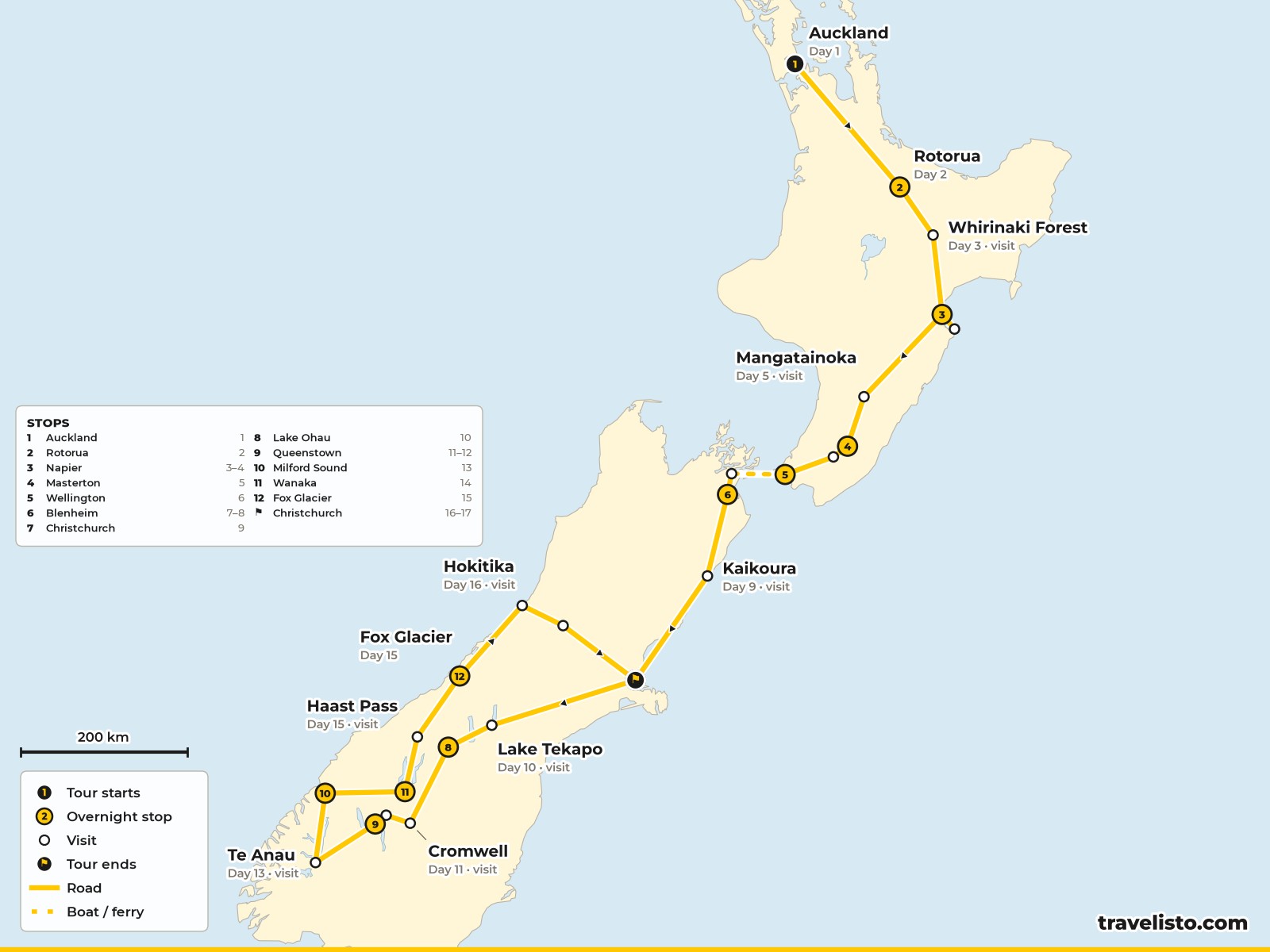
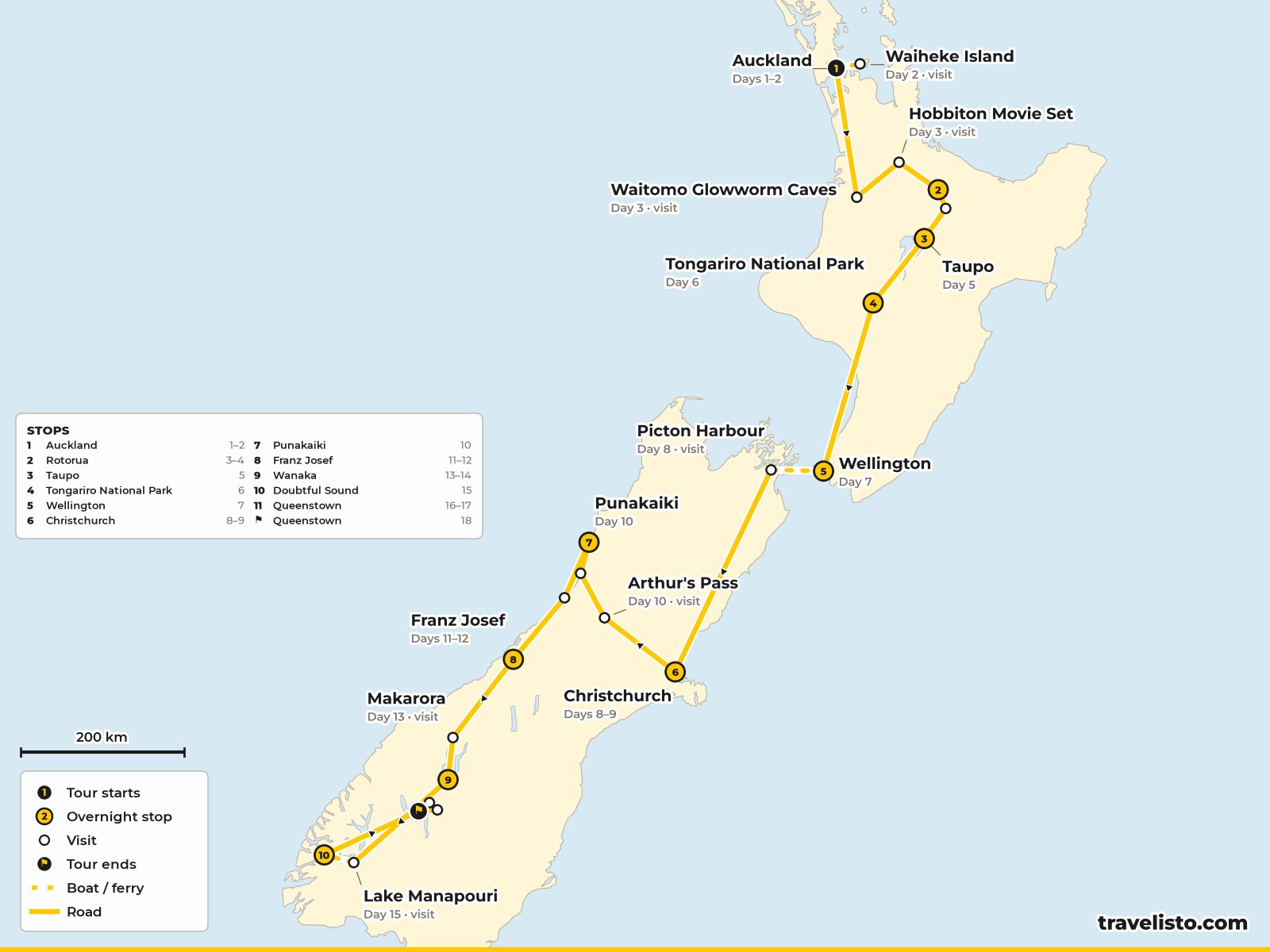
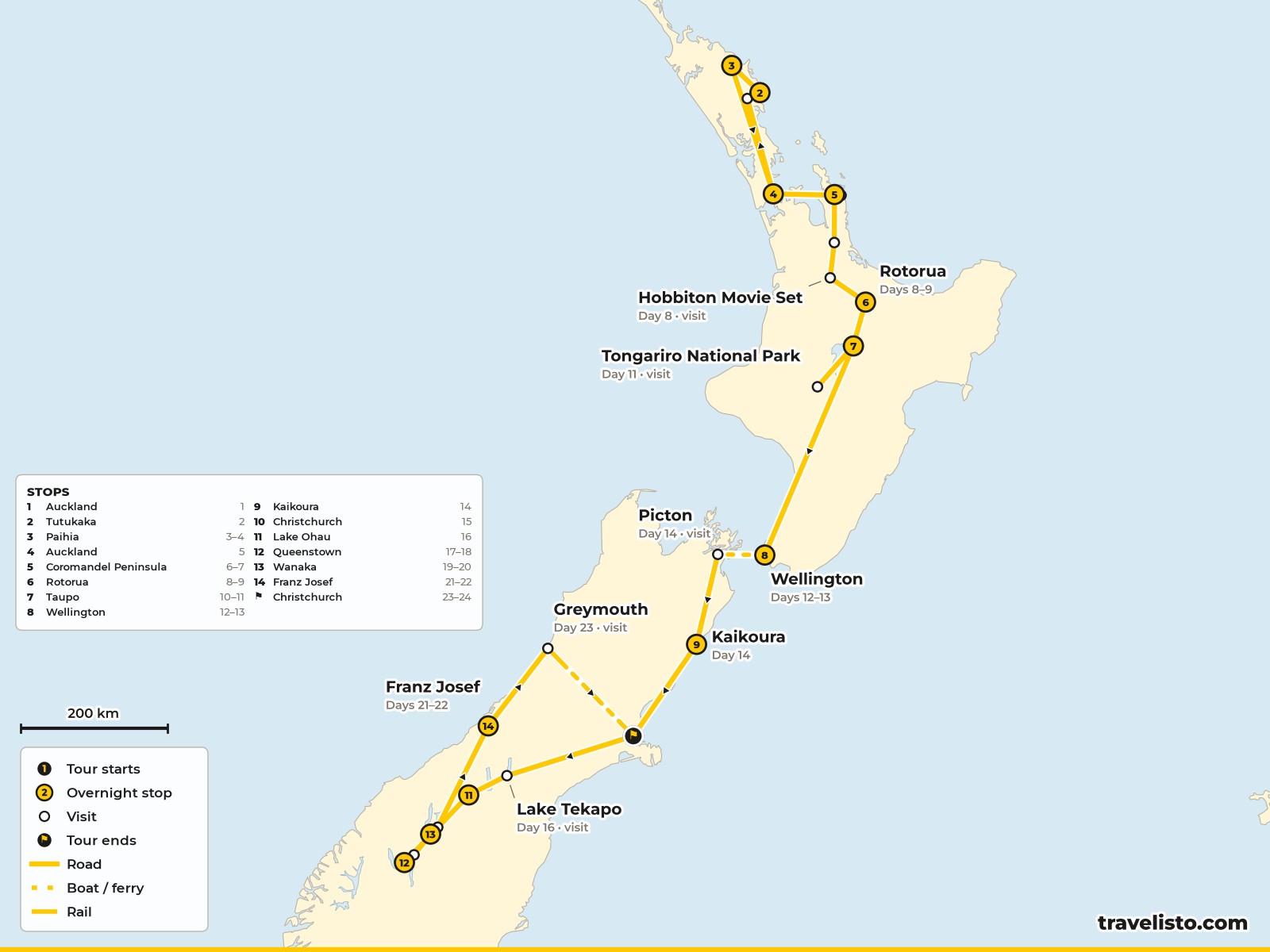
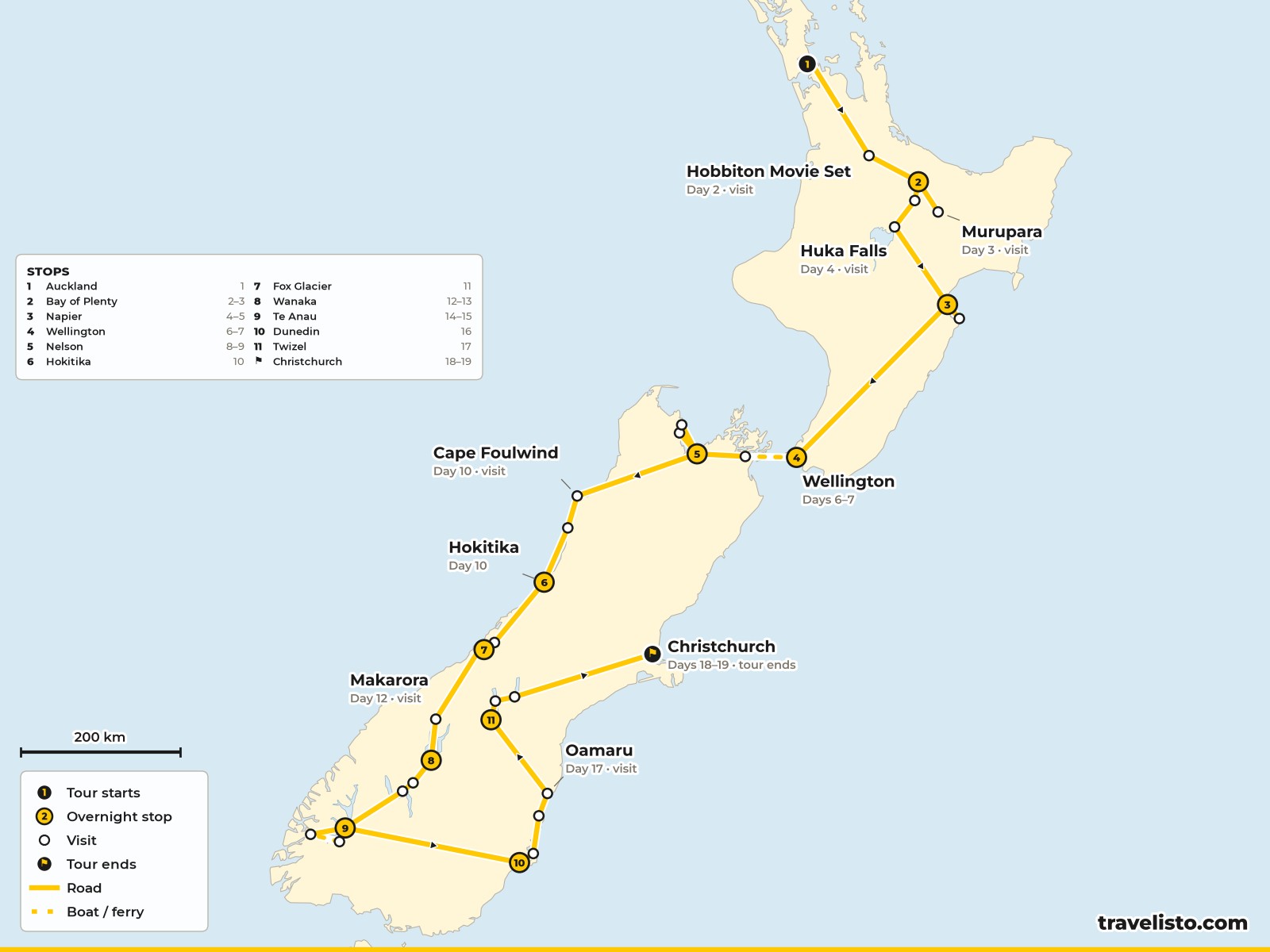
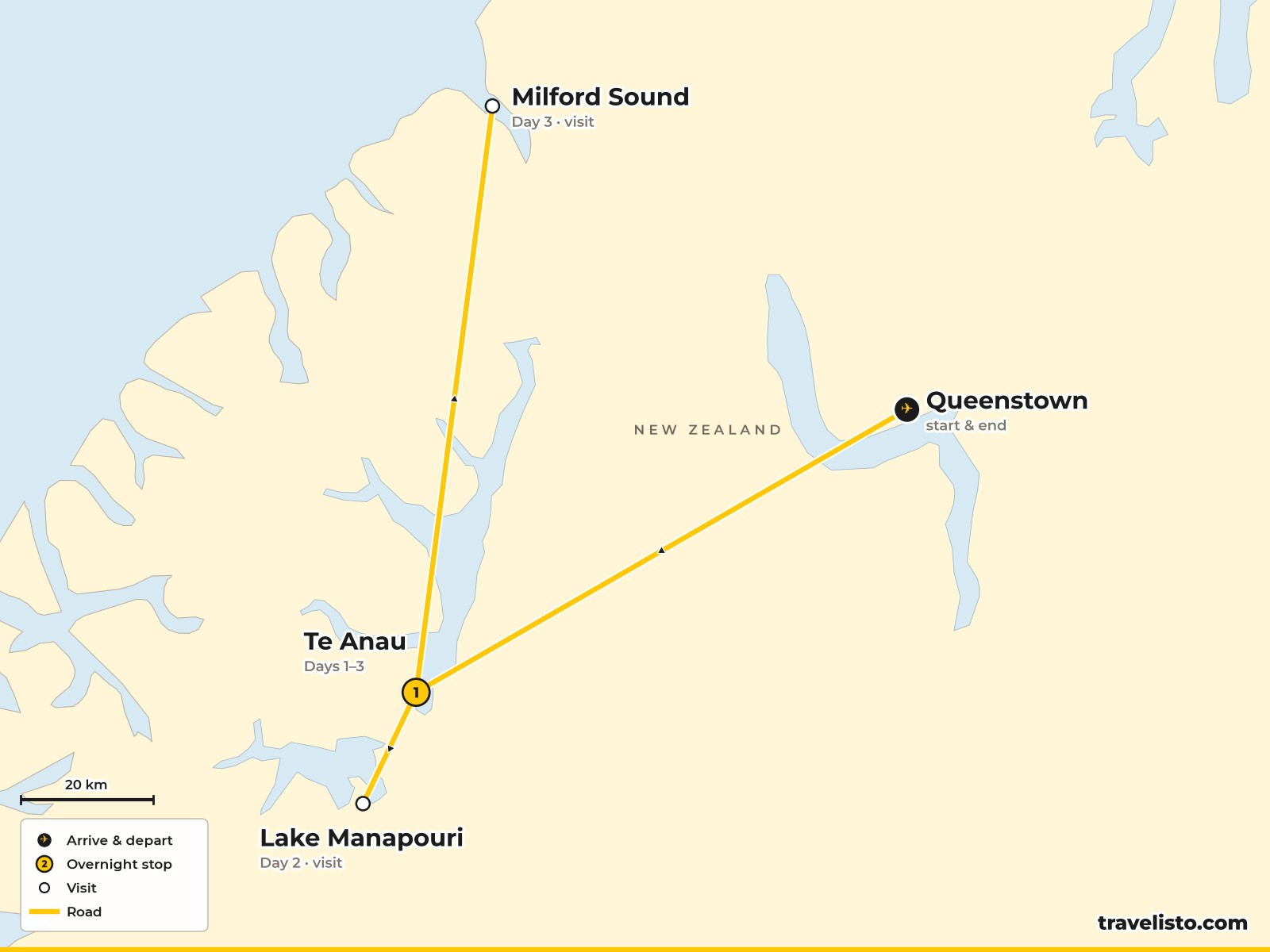
Prefer your own pace? A tailor-made New Zealand holiday can be self-drive or with private guides, with stopovers and lodges chosen around you. For every tour side by side, see New Zealand tours compared, or browse New Zealand holidays.
Practical tips
- Entry: British visitors can stay up to 6 months without a visa, but you need a New Zealand Electronic Travel Authority (NZeTA) before you travel (allow up to 72 hours), and you pay the International Visitor Conservation and Tourism Levy when you apply. Your passport must be valid for at least 3 months after you leave, and you need a return or onward ticket. Check the FCDO New Zealand advice before you book and again before you travel.
- Biosecurity: the rules are strict. Declare all food, and clean hiking boots and outdoor gear before you fly; fines are given on the spot.
- Sun: the sun is much stronger than in the UK, even on cloudy days. Use high-factor sunscreen and a hat.
- Sandflies: bring insect repellent for Fiordland and the West Coast.
- Jet lag: plan an easy first day or two, and a stopover if you can.
- Plugs: New Zealand uses the Australian-style three-pin plug, so bring an adaptor.
Frequently asked questions
When is the best time to visit New Zealand?
November to April, the late spring, summer and early autumn, for warm weather and long days. March to May is often the most settled and less busy. December to February is peak season, and June to August is for skiing and snowy scenery.
What is the weather like in New Zealand in December?
Early summer: typically around 21°C by day in Auckland and about 20°C in Queenstown, with long evenings. Weather can change quickly, especially in the mountains and Fiordland, so pack layers and a waterproof.
Should I visit the North or South Island?
If you have to choose, the South Island has the most dramatic scenery: Queenstown, Milford Sound, Aoraki/Mount Cook and the glaciers. With three weeks or more, see both: a week in the north for Rotorua, the Bay of Islands and Māori culture.
How many days do you need in New Zealand?
At least two weeks after the long flight. Ten to fourteen days covers one island; three to four weeks lets you see both well.
How do you get to Milford Sound?
By road from Te Anau, about two hours each way through the Homer Tunnel, or about four hours from Queenstown. Many people fly in by small plane or helicopter from Queenstown and cruise the fiord before flying back.
Is Te Anau worth visiting?
Yes. It's the best base for Milford and Doubtful Sounds and the Kepler Track, with glowworm caves across the lake. Two nights lets you see Milford Sound without a very long day from Queenstown.
Do British citizens need a visa for New Zealand?
Not for visits of up to 6 months, but you must have an NZeTA before you travel and pay the International Visitor Conservation and Tourism Levy when you apply. Check the latest FCDO advice before you go.
How long is the flight from the UK to New Zealand?
About 24 hours with one stop. There are no non-stop flights, so many travellers break the journey with a stopover in Asia, the Middle East, Fiji or Hawaii.
Keep planning
- Cook Islands holiday guide
- New Zealand holidays
- New Zealand tours compared
- Escorted tours of New Zealand
- Australia holiday guide
- Fiji holiday guide
- Hawaii holiday guide
- Fiji holidays
- Tailor-made holidays
Plan your New Zealand holiday with a Travel Designer
Tell us when you’d like to go and we’ll plan both islands, the flights and a stopover, lodges and self-drive or guided touring, in one ATOL-protected booking.
Make an enquiry New Zealand holidays