Svalbard in brief
- Polar bears are best seen on a summer expedition cruise; walrus, reindeer and Arctic foxes are easier.
- Longyearbyen is the base for flights, museums and guided trips; you can’t leave town without a guide.
- Best times: late February to May for snow and daylight, June to August for cruises and the midnight sun, November to January for the polar night and aurora.
- Fly via Oslo or Tromsø and bring your passport: Svalbard is outside Schengen.

Svalbard is the high Arctic within easy reach of the UK: a group of glaciated islands far north of mainland Norway, about halfway between the North Cape and the North Pole. It’s one of the best places in the world to see polar bears in the wild, along with walrus, Arctic foxes and Svalbard reindeer, and its fjords are lined with glaciers, bird cliffs and the remains of old whaling and mining camps. You can fly to Longyearbyen, the main town, in a day, explore by boat, snowmobile or dog sled, or join an expedition cruise around the islands. This guide covers how to visit Svalbard, what to do, where to see polar bears, the midnight sun and northern lights, the best time to go month by month, getting there from the UK and the rules every visitor needs to know.
Where is Svalbard?
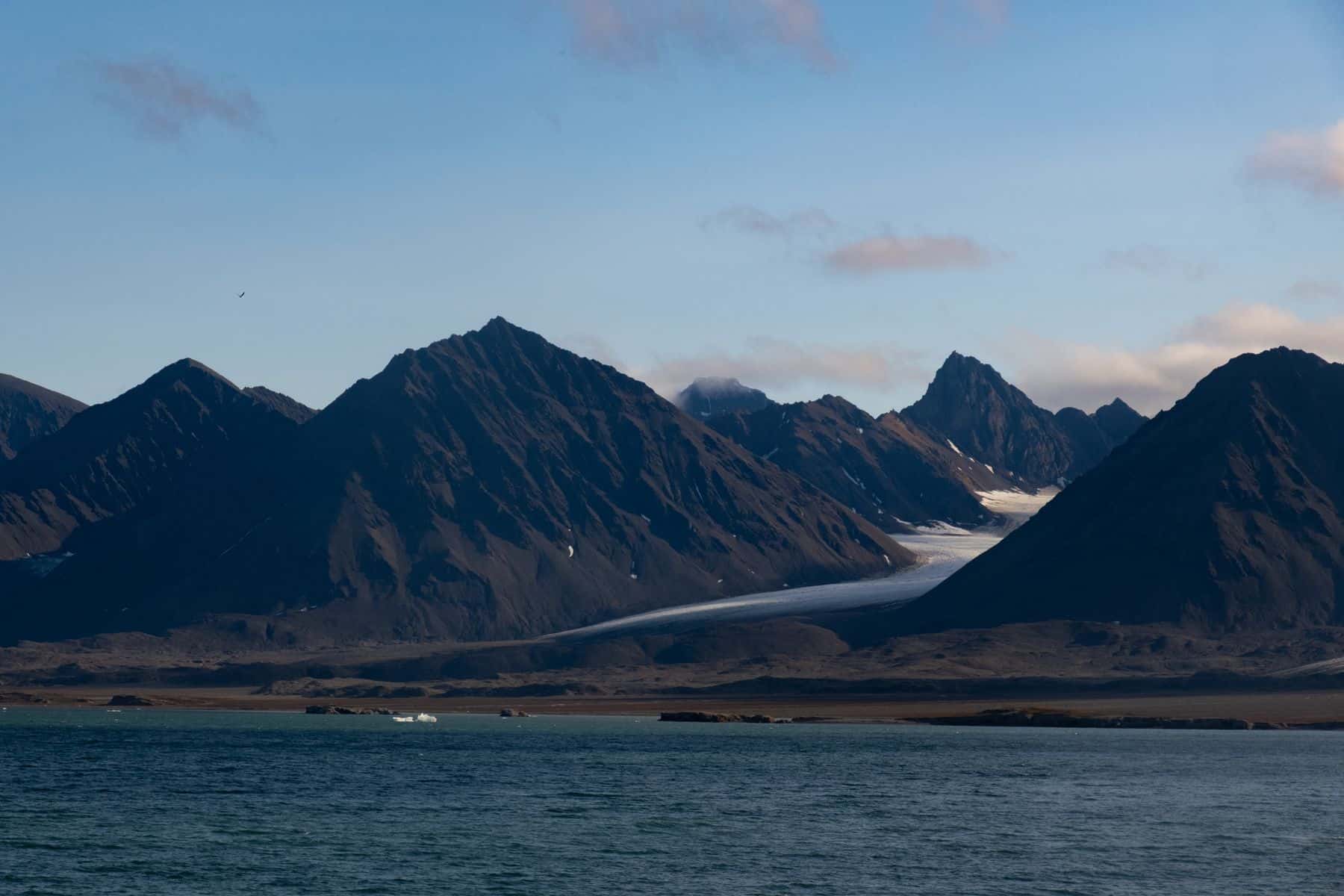
Svalbard is an archipelago in the Arctic Ocean, roughly 800 km north of mainland Norway and about 1,000 km from the North Pole. Spitsbergen is the largest island and the only one with permanent settlements; the other big islands, Nordaustlandet, Edgeøya and Barentsøya, are wild and mostly reached by ship.
More than half of the land is covered by glaciers, and much of the rest is bare mountain and tundra. Around two-thirds of Svalbard is protected as national parks and nature reserves. There are no roads between the settlements, so you travel by boat in summer and by snowmobile or dog sled in winter.
Svalbard is part of Norway under the 1920 Svalbard Treaty, but it has its own rules on entry, residence and the environment. Most visitors base themselves in Longyearbyen, a town of a few thousand people that is the hub for flights, boat trips and guided activities.
Longyearbyen: things to do in town

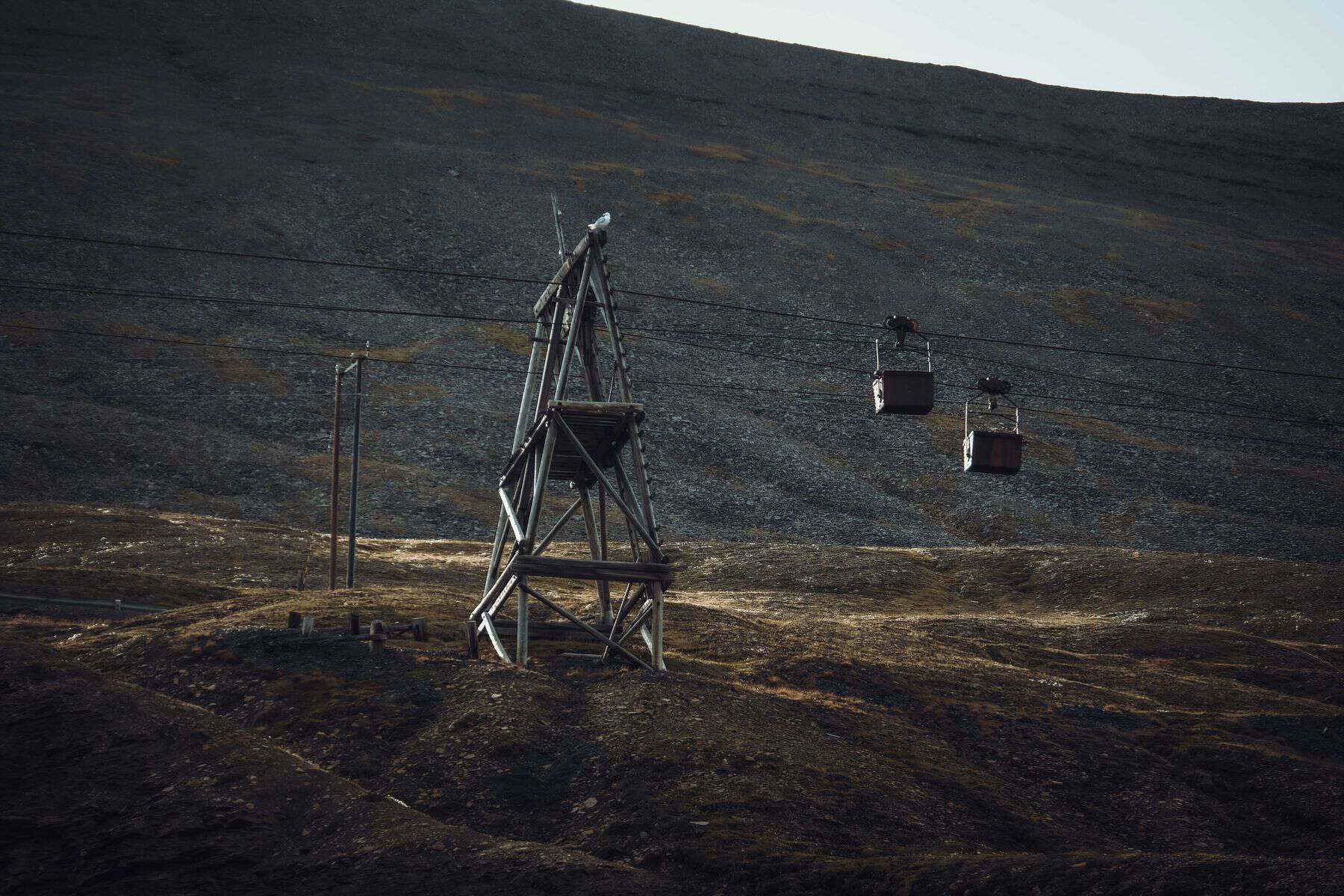
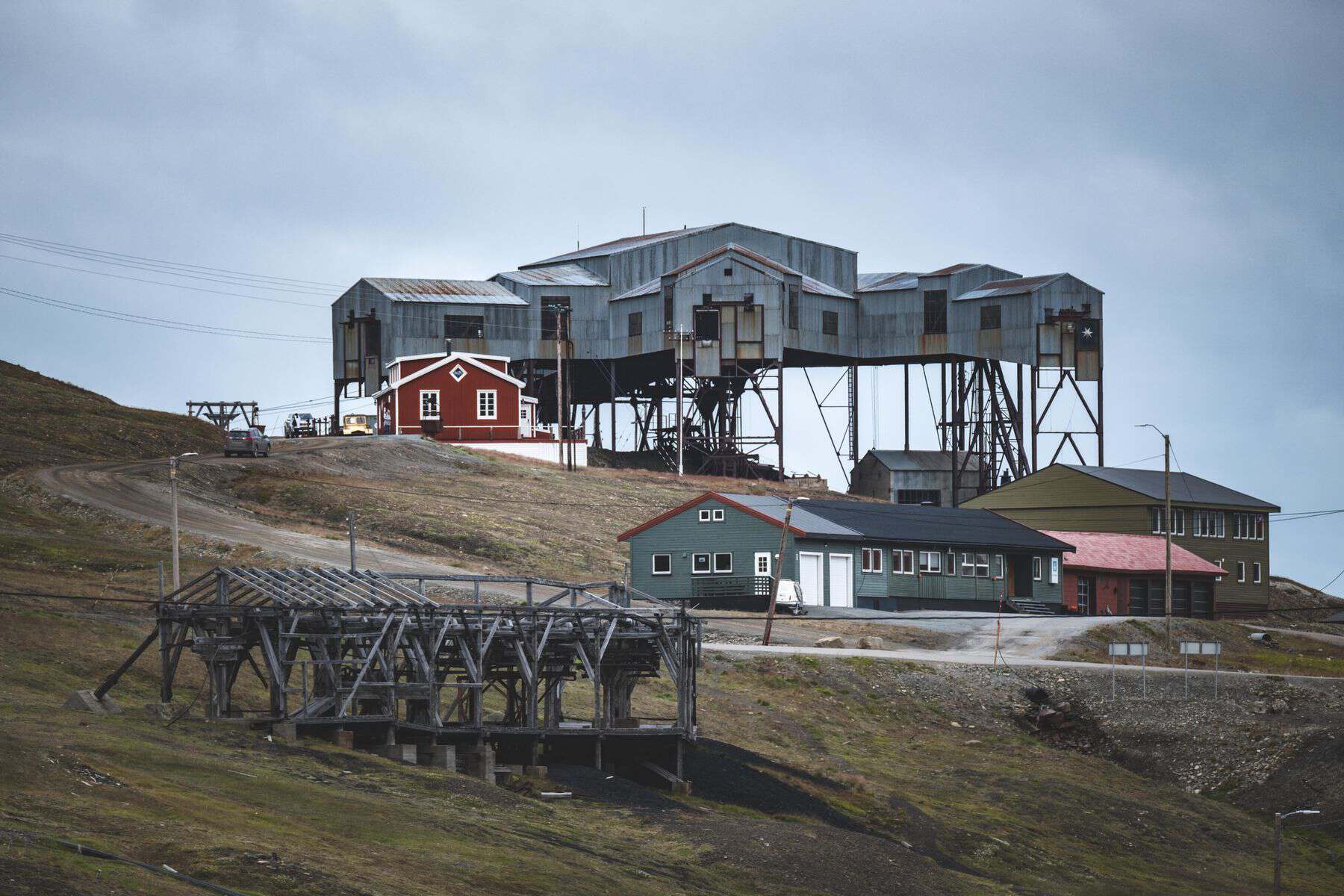
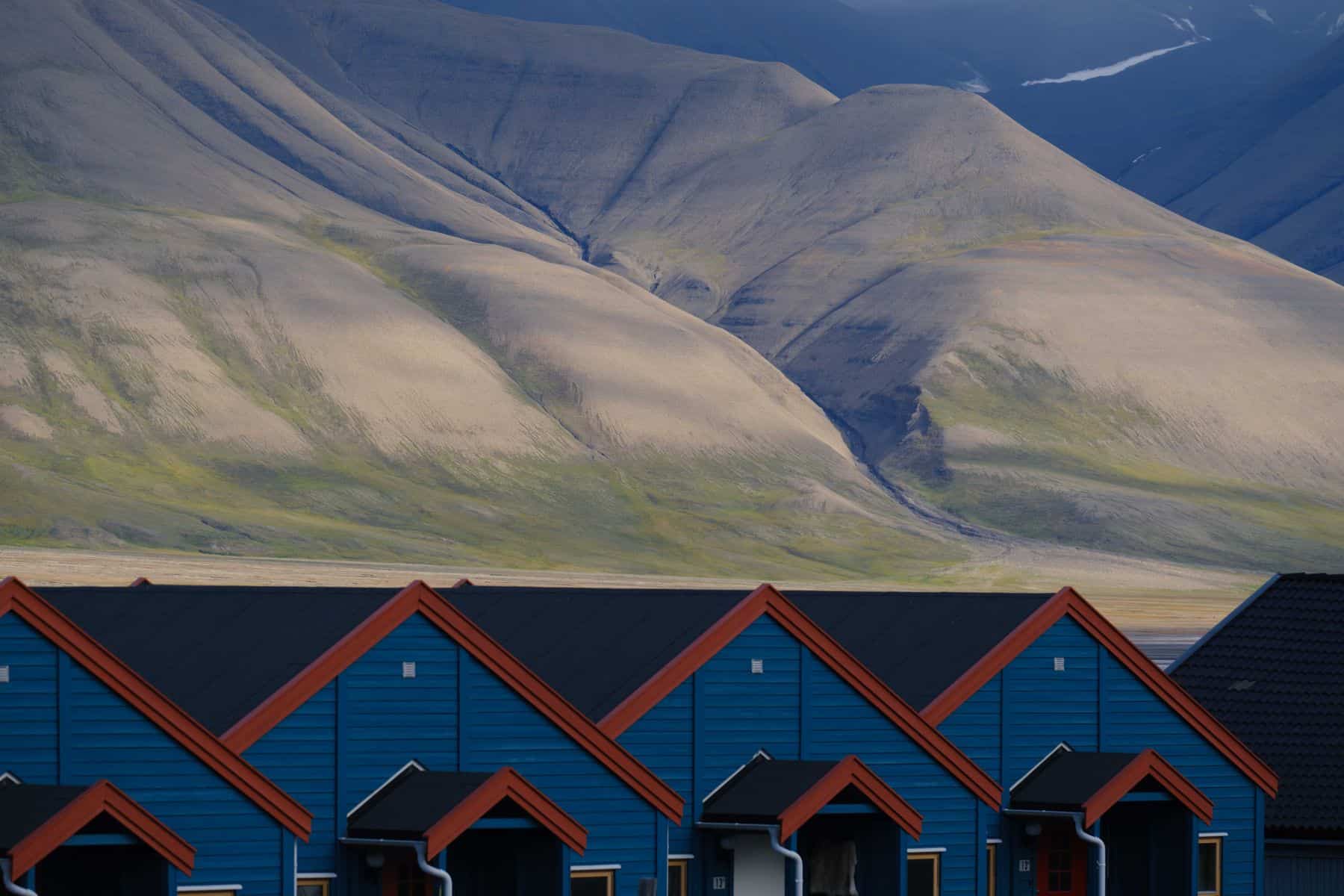
Longyearbyen grew up as a coal-mining town in the early 1900s, and you still see its history everywhere: wooden miners’ cabins, the trestles of the old coal cableway striding up the valley and abandoned mine entrances high on the slopes. Today it has cafés, galleries, a small shopping street and a lively food scene for a town of its size.
Svalbard Museum is the place to start, with the story of trappers, whalers, explorers and miners, and the islands’ wildlife. The North Pole Expedition Museum covers the airship and balloon attempts to reach the Pole from Svalbard.
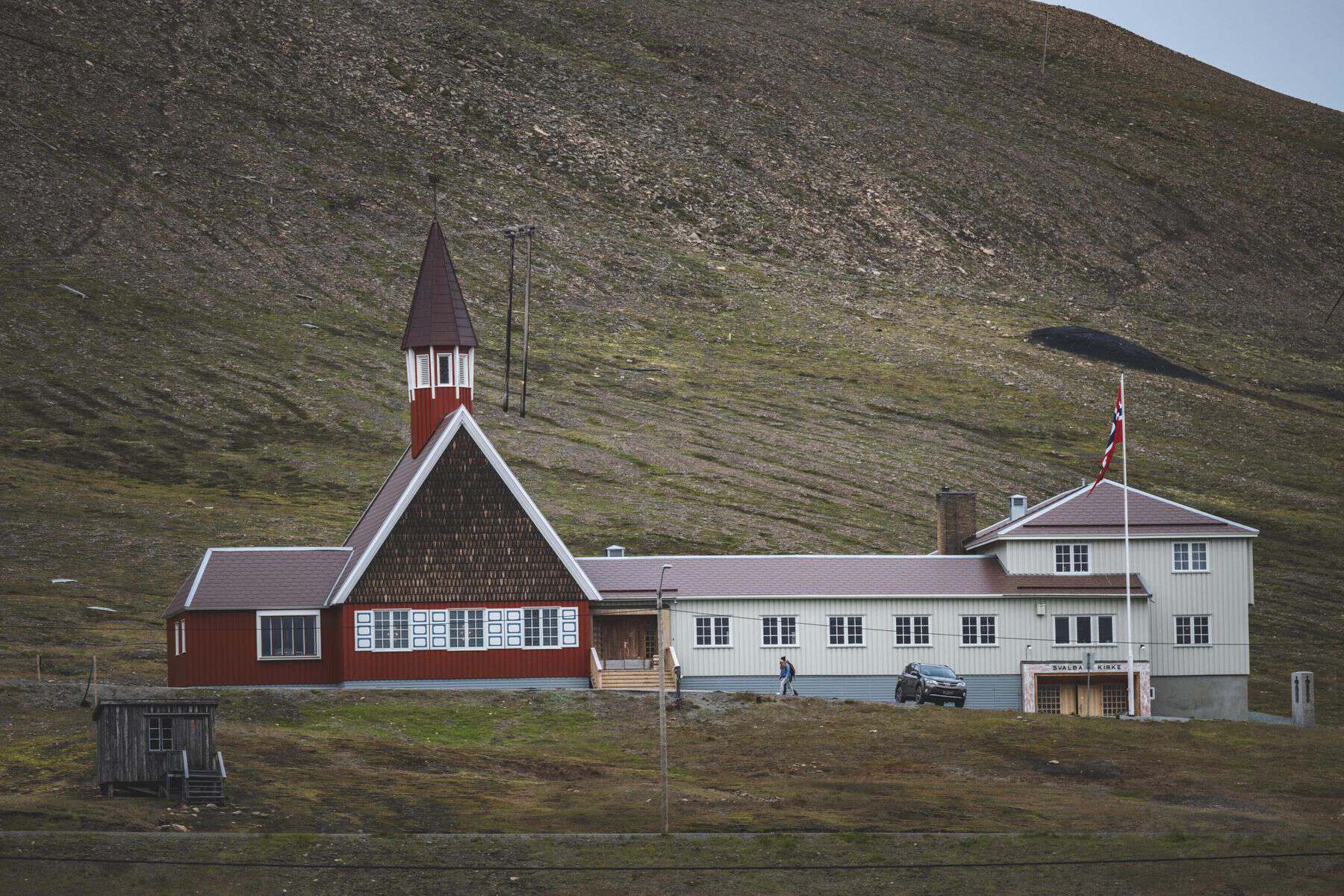
Svalbard Church, a red wooden church on the hillside, is open to visitors. In winter, look up to see the Global Seed Vault entrance on the mountain near the airport; it isn’t open to the public, but it’s a striking sight.
You can walk freely within the town, but not beyond it: polar bears can appear anywhere on Svalbard, so all hikes and outings beyond Longyearbyen are made with a guide who carries the right protection.
Things to do in Svalbard
What you can do depends on the season. Boat trips and hiking run in summer; dog sledding, snowmobiling and ice caves in winter and spring. Everything outside town is guided.
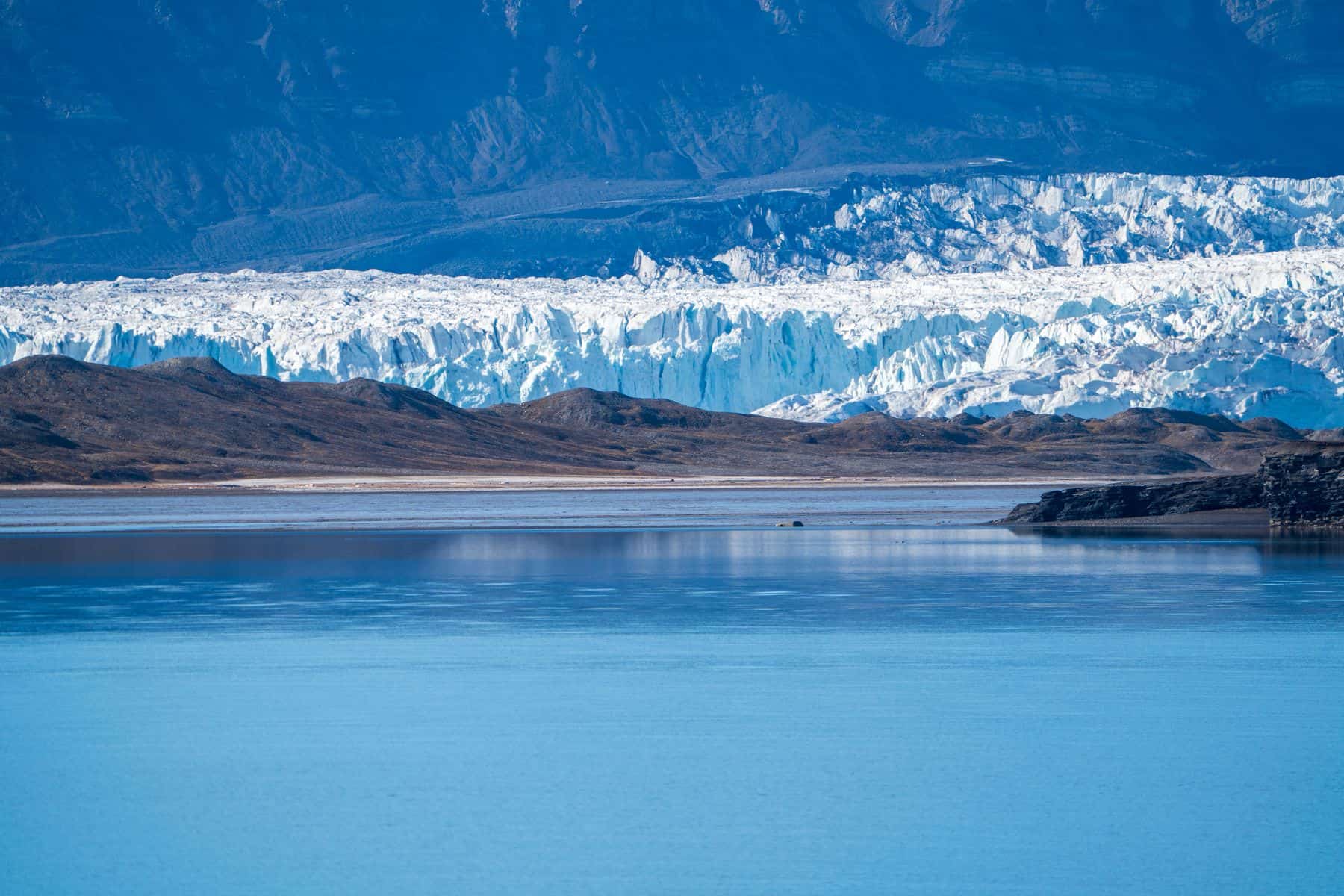
Boat trips (about June to September). Day cruises from Longyearbyen cross Isfjorden to glacier fronts, bird cliffs and the abandoned settlements, with a good chance of seals and seabirds, and sometimes walrus or whales.
Hiking and glacier walks (summer). Guided hikes go up the mountains around town for views over Adventdalen, or onto the glaciers with crampons. You may find fossils of plants and trees from when Svalbard was far warmer.
Kayaking (summer). Paddle along the shore and among floating ice, a quiet way to see birds and glacier fronts.
Dog sledding (about November to May). Drive your own team of huskies through the valleys around Longyearbyen; in summer, some kennels run trips on wheeled carts instead.
Snowmobiling (about February to May). Long day trips cross the frozen valleys to the east coast or to the old settlements, with a guide.
Ice caves (winter and spring). Climb down into the meltwater channels inside a glacier near town, lit by head torches.
Svalbard polar bears: where and when to see them

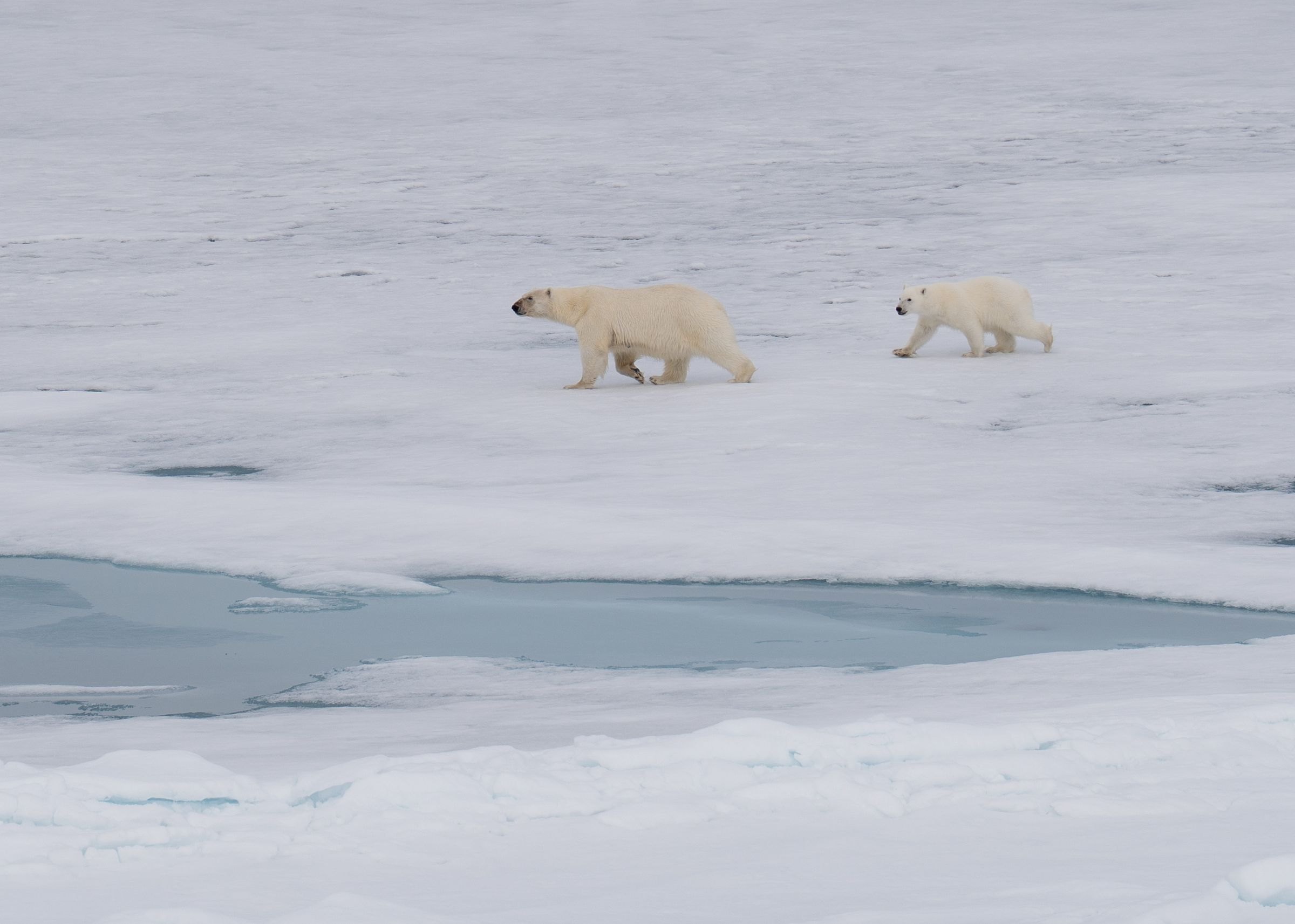
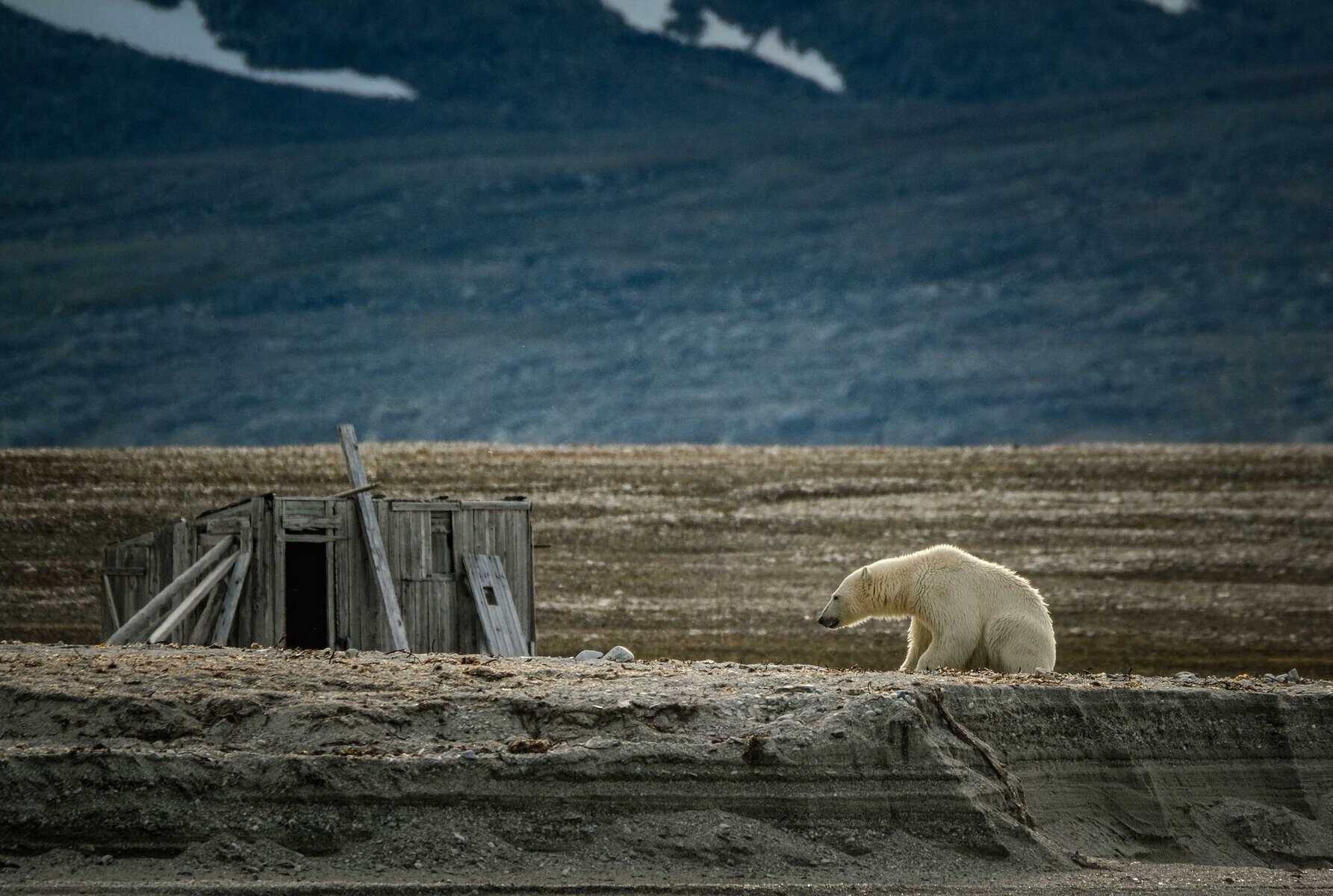
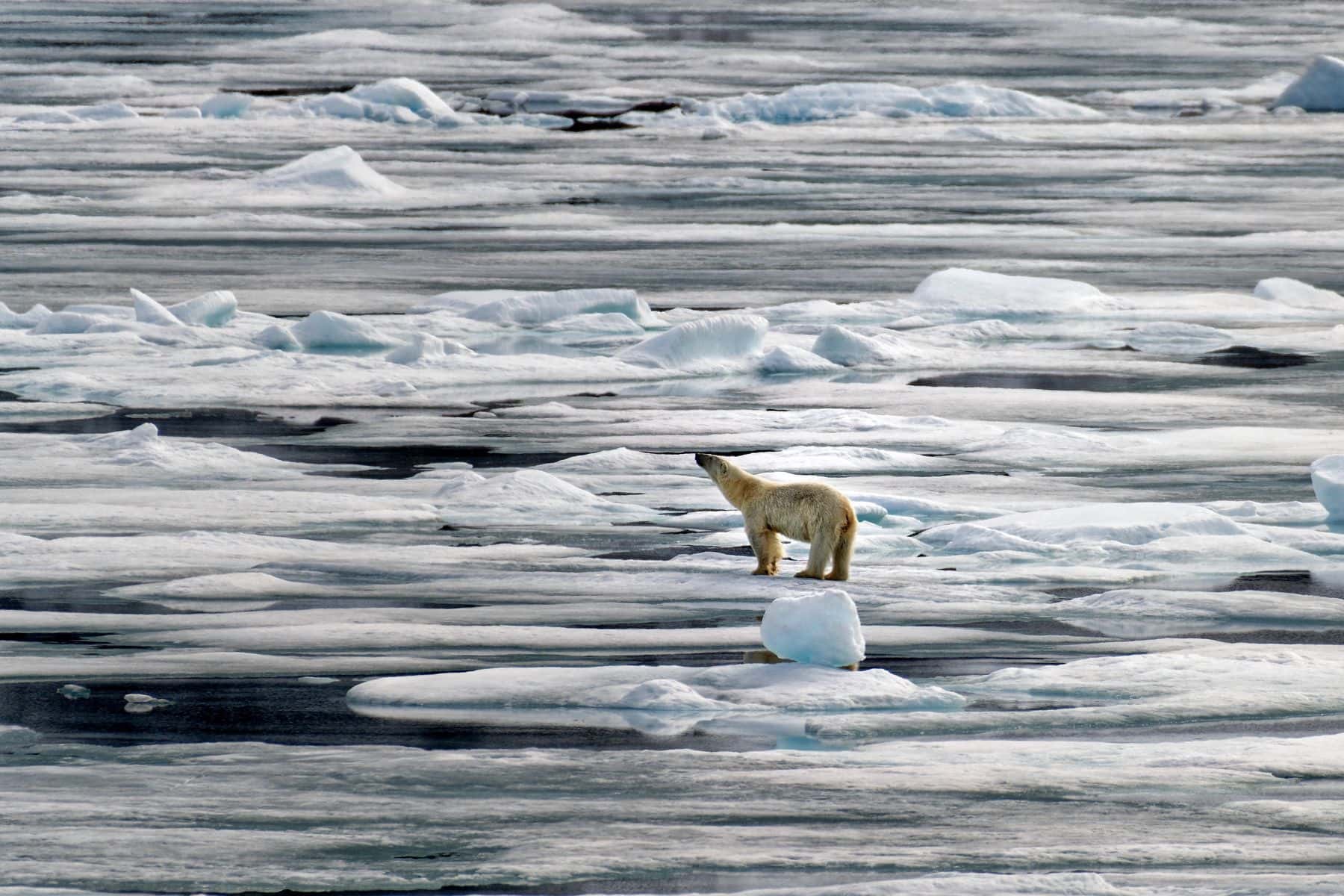
Svalbard is one of the most reliable places on Earth to see polar bears in the wild, but they are wild animals spread over a huge area, so sightings are never guaranteed. The bears follow the sea ice, which in summer retreats to the north and east of the islands.
- Best chance: an expedition cruise from about June to August. Ships spend a week or more searching the northern and eastern coasts and the edge of the pack ice, with experienced guides on the bridge and binoculars on deck. On a cruise that reaches the ice, your odds are good.
- From Longyearbyen: bears are rarely seen near town, and day trips are not designed to find them. Winter snowmobile trips to the east coast sometimes see bears or their tracks, but don’t book a short stay for bears alone.
- Distance rules: since 1 January 2025, the Governor of Svalbard requires everyone to keep at least 300 metres from polar bears, and 500 metres from 1 March to 30 June, when females with cubs are leaving their dens. If a bear comes closer, you must move away. Ships watch from the water, and landings are cancelled if a bear is near.
- Photography: bring a long lens (300 mm or more) and binoculars; most sightings are at a distance.
Walrus, reindeer, foxes and birds
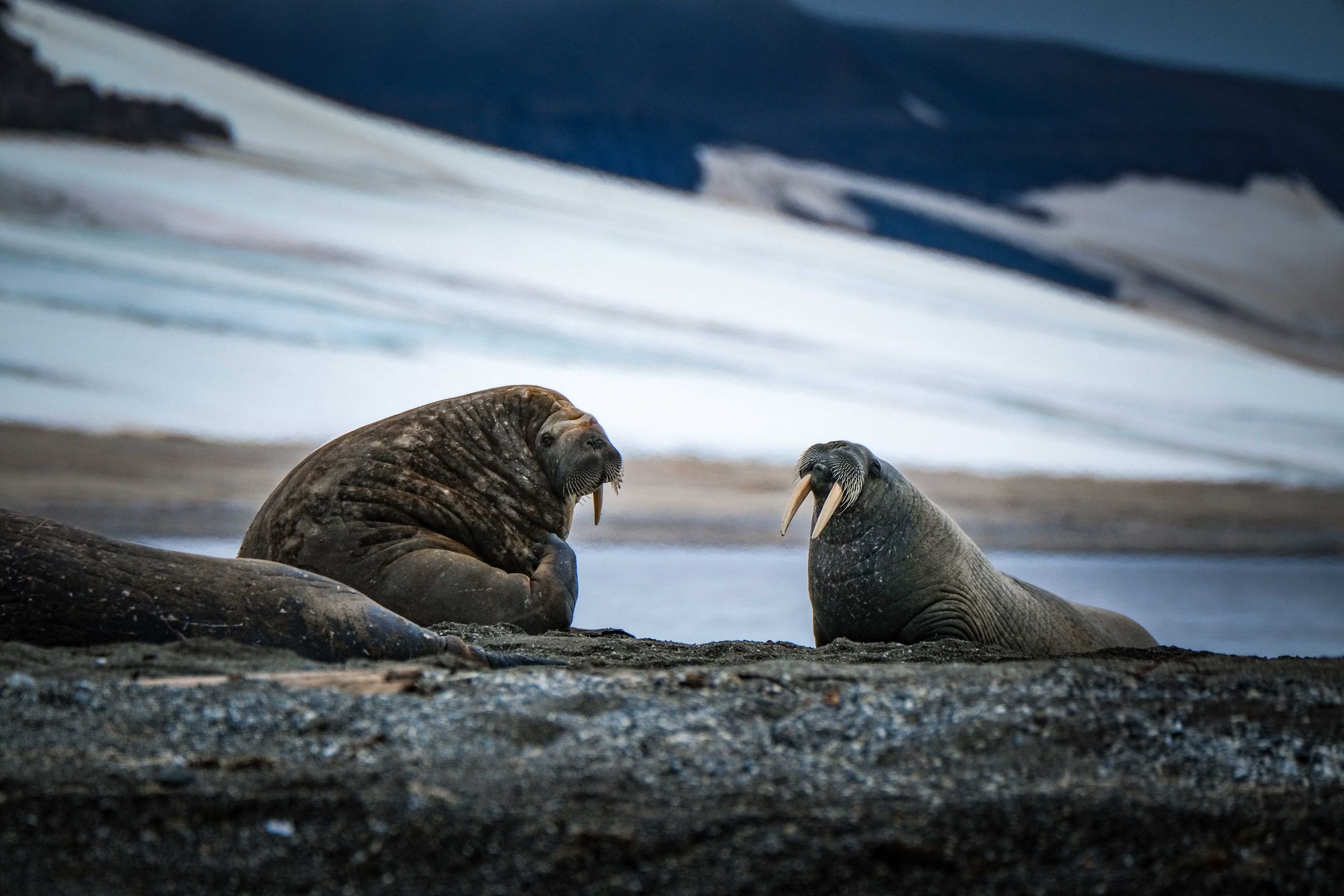
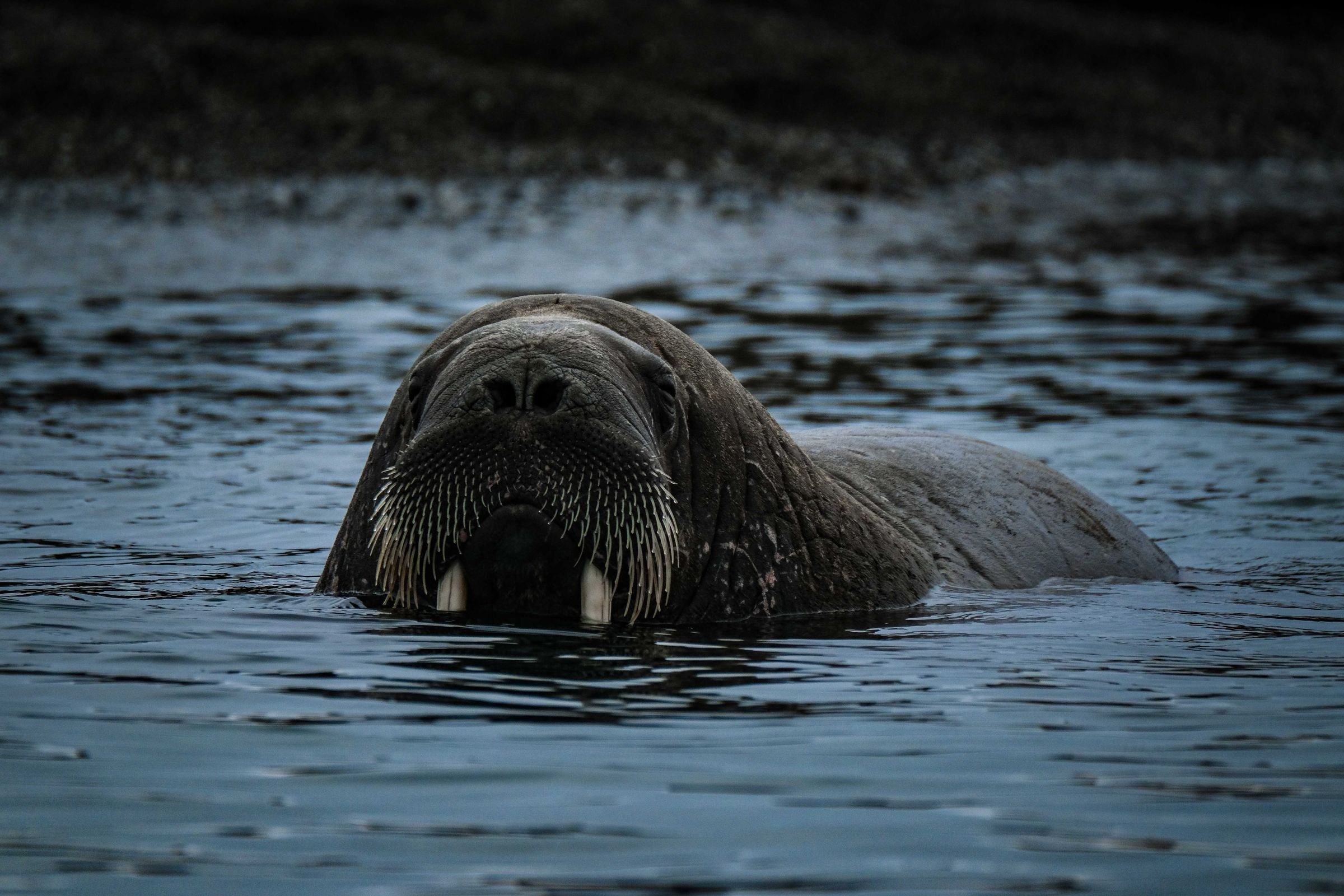
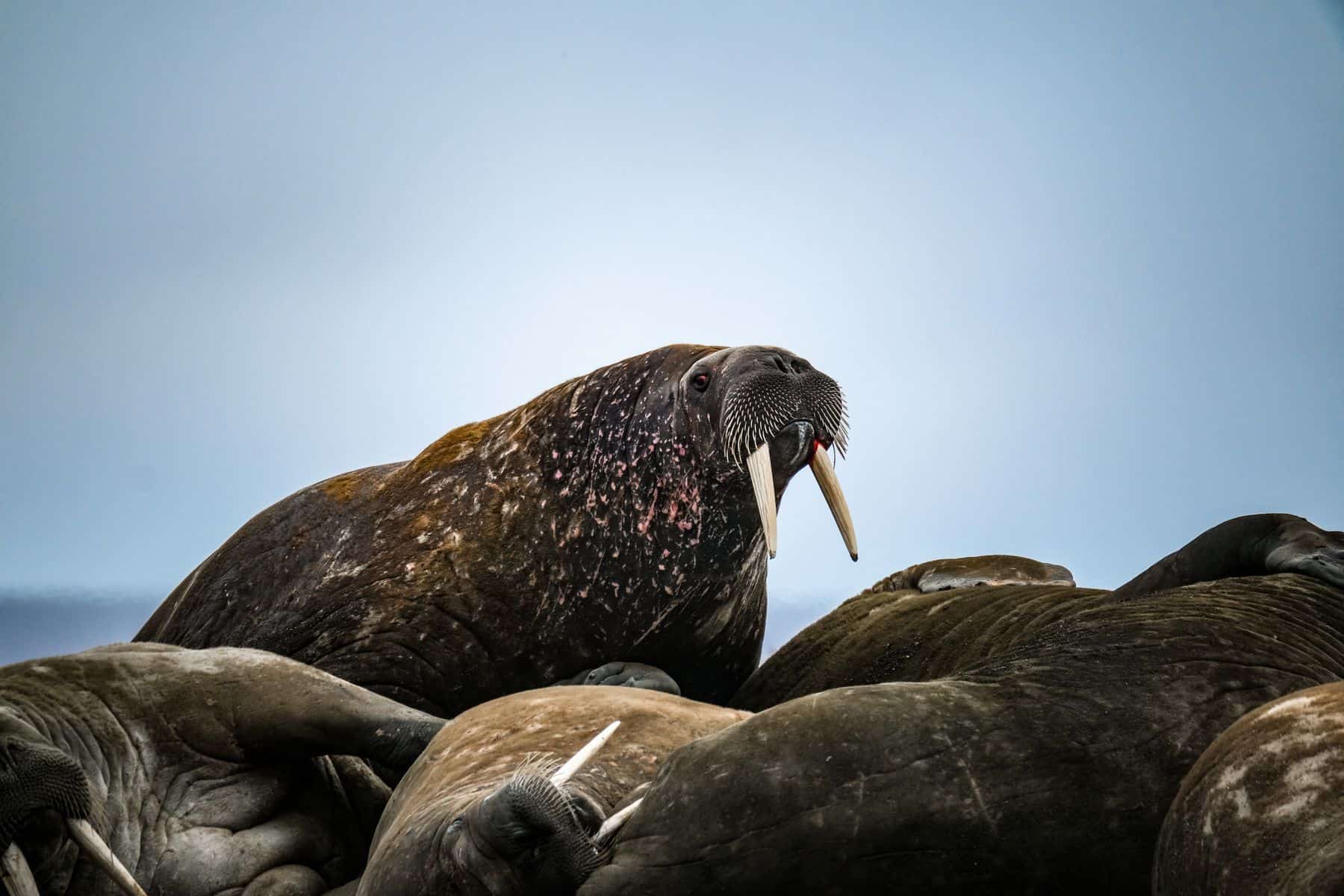
Walrus were almost hunted out of Svalbard but have been protected since 1952 and have come back well. They haul out in groups on beaches, and expedition ships land nearby to watch quietly. Boats must keep at least 150 metres from their haul-out sites.
Svalbard reindeer are a small, short-legged subspecies found only here. They graze in the valleys right around Longyearbyen and are easy to see. Arctic foxes are white in winter and brown in summer, often seen below bird cliffs.
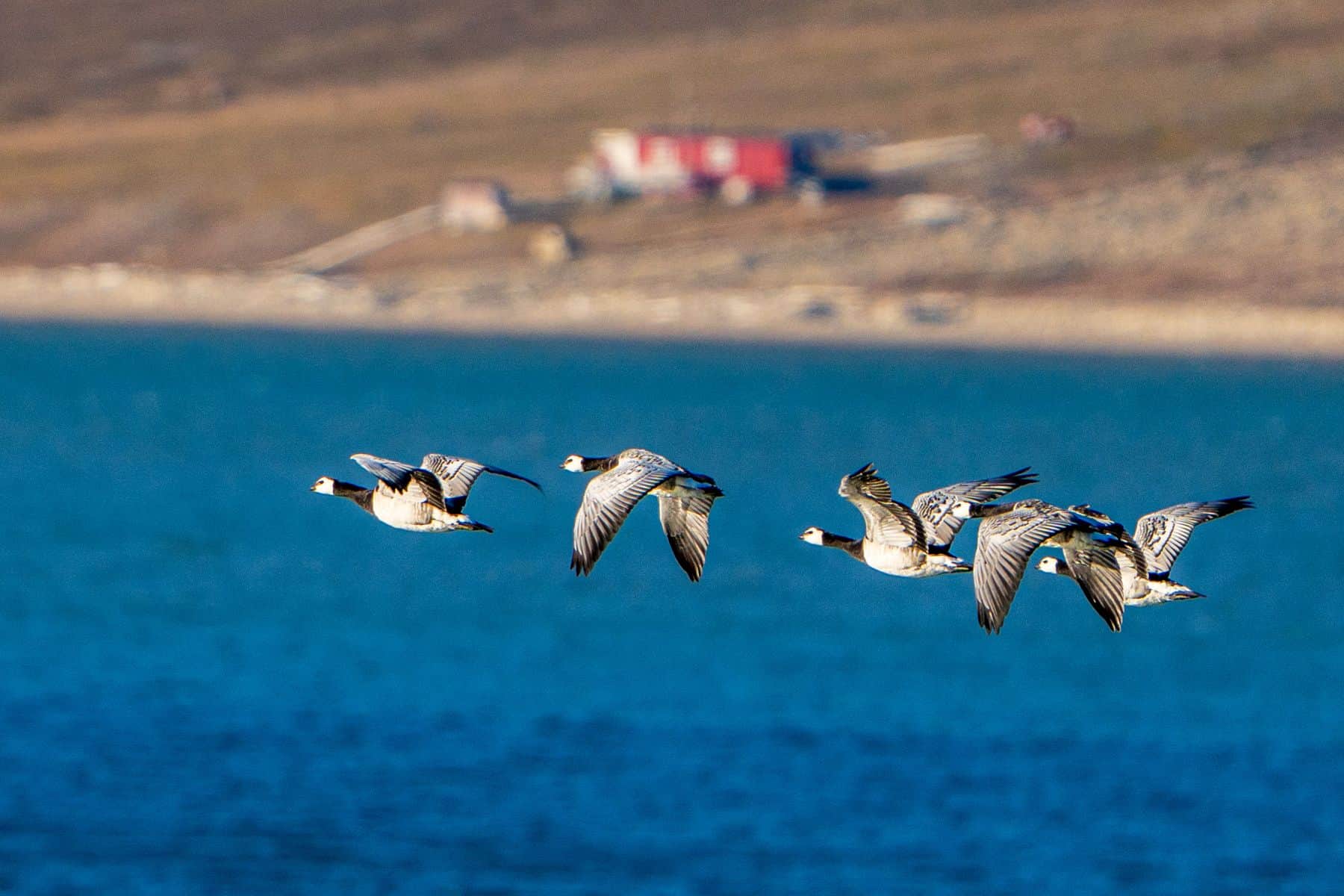
Birds arrive in their millions in summer: little auks, Brünnich’s guillemots, kittiwakes, puffins and barnacle geese. Look out too for seals and, in summer, beluga, minke and sometimes blue and fin whales.
Places to visit in Svalbard
Isfjorden
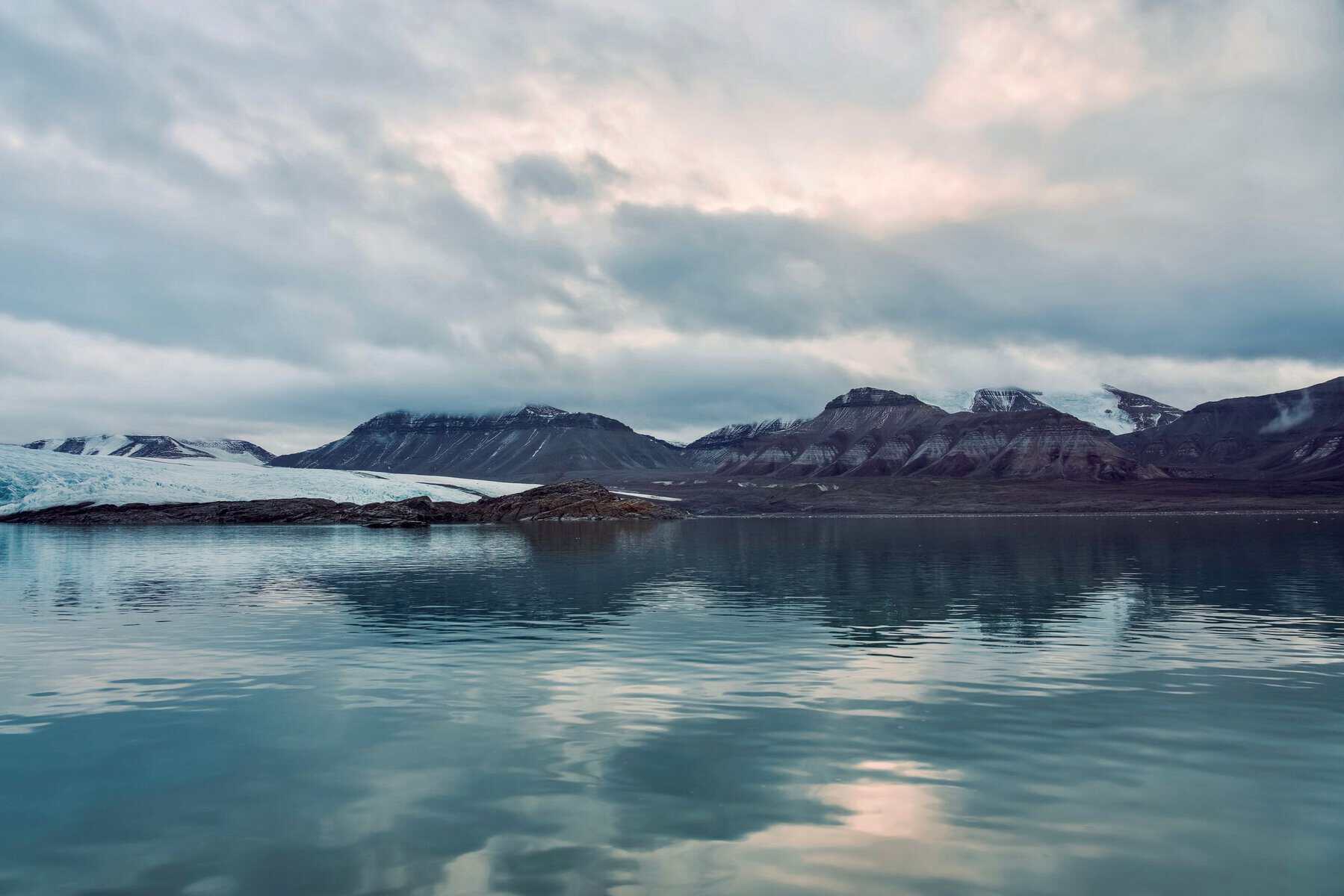
Spitsbergen’s biggest fjord system, right on Longyearbyen’s doorstep. Day cruises visit glacier fronts such as Nordenskiöldbreen at the head of the fjord, and the bird cliffs and trappers’ huts along its shores.

Pyramiden and Barentsburg
Pyramiden is a Soviet coal-mining town abandoned in 1998 at the foot of a pyramid-shaped mountain, with its cultural centre, swimming pool and a bust of Lenin still in place. Barentsburg, Svalbard’s second settlement, is a Russian mining town on the shores of Isfjorden with Soviet-era buildings and murals. Both are visited on long guided day trips, by boat in summer and by snowmobile in winter.
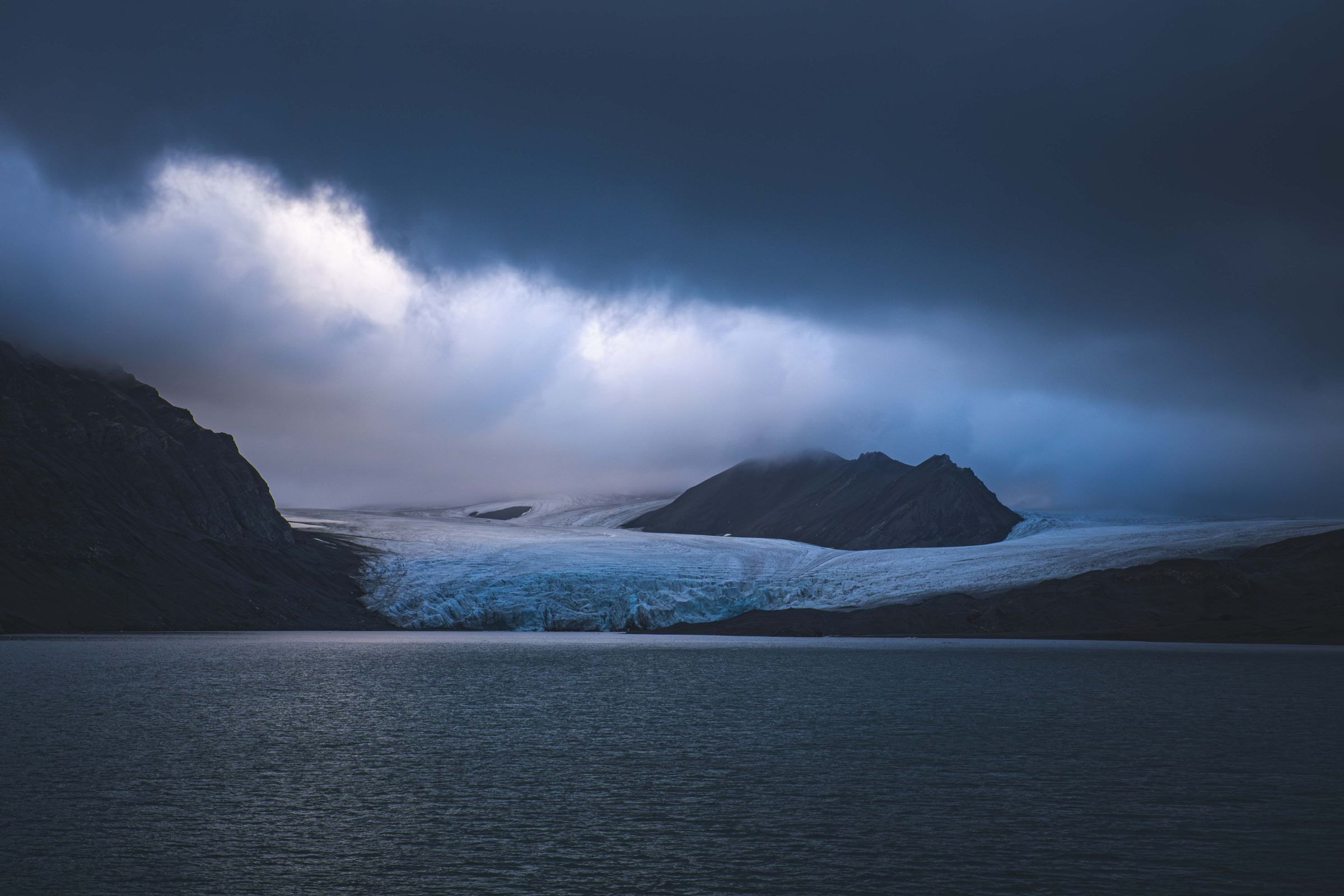
Northwest Spitsbergen
Jagged peaks, huge glaciers and the research village of Ny-Ålesund, from where Amundsen’s airship left for the North Pole in 1926. Magdalenefjorden and Krossfjorden are among the most beautiful fjords in the Arctic.
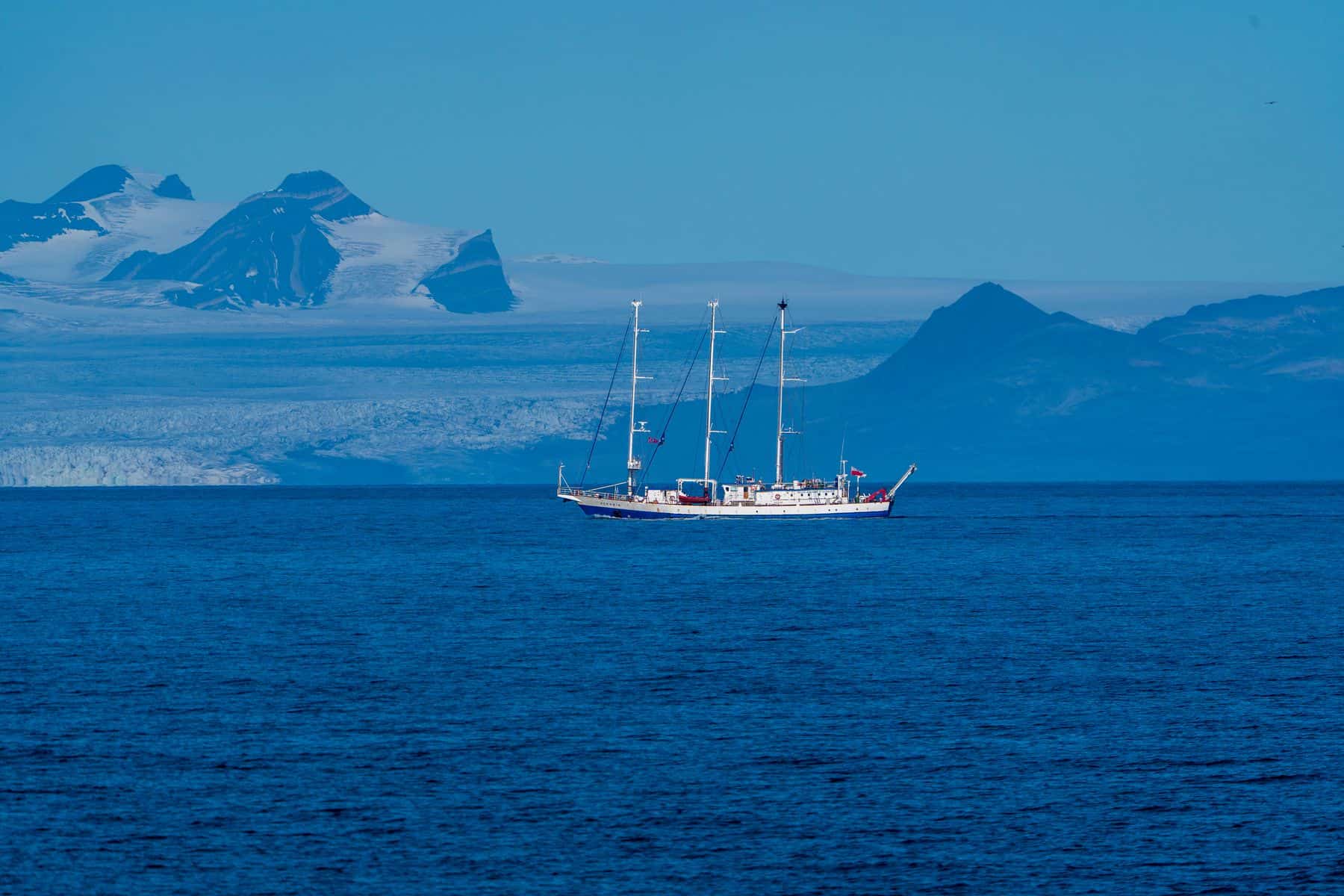
The north and east
Nordaustlandet’s ice cap, the Hinlopen Strait’s bird cliffs, the islands of the east and, in a good year, the edge of the pack ice above 80° north. This is where most polar bear and walrus sightings happen.
Svalbard cruises
An expedition cruise is the best way to see Svalbard beyond Longyearbyen. Small ships with ice-strengthened hulls carry inflatable boats (Zodiacs) for landings and cruising along glacier fronts, and an expedition team of naturalists and guides who lead every outing. Cruises run from about late May to September, most starting and ending in Longyearbyen, with a flight from Oslo.
- Around Spitsbergen (7 to 12 nights): the west coast fjords, the north and, ice allowing, the east. The classic polar bear cruise.
- Circumnavigation (10 to 14 nights): a full loop of the archipelago when the ice allows, usually in August.
- Longer voyages: Svalbard combined with Greenland, Jan Mayen and Iceland, or a sailing from Norway’s coast or Scotland to Spitsbergen.
Ship size matters. Since 1 January 2025, ships calling in Svalbard’s national parks may carry no more than 200 passengers, and landings in protected areas are only allowed at mapped sites, with a guide and a limit on how many people are ashore at once. A smaller ship means more landings and more time ashore per person. Compare ships, routes and cabins in our Greenland and Svalbard expedition cruises guide, see all Arctic cruises or read the best expedition cruise lines.
Northern lights and the midnight sun
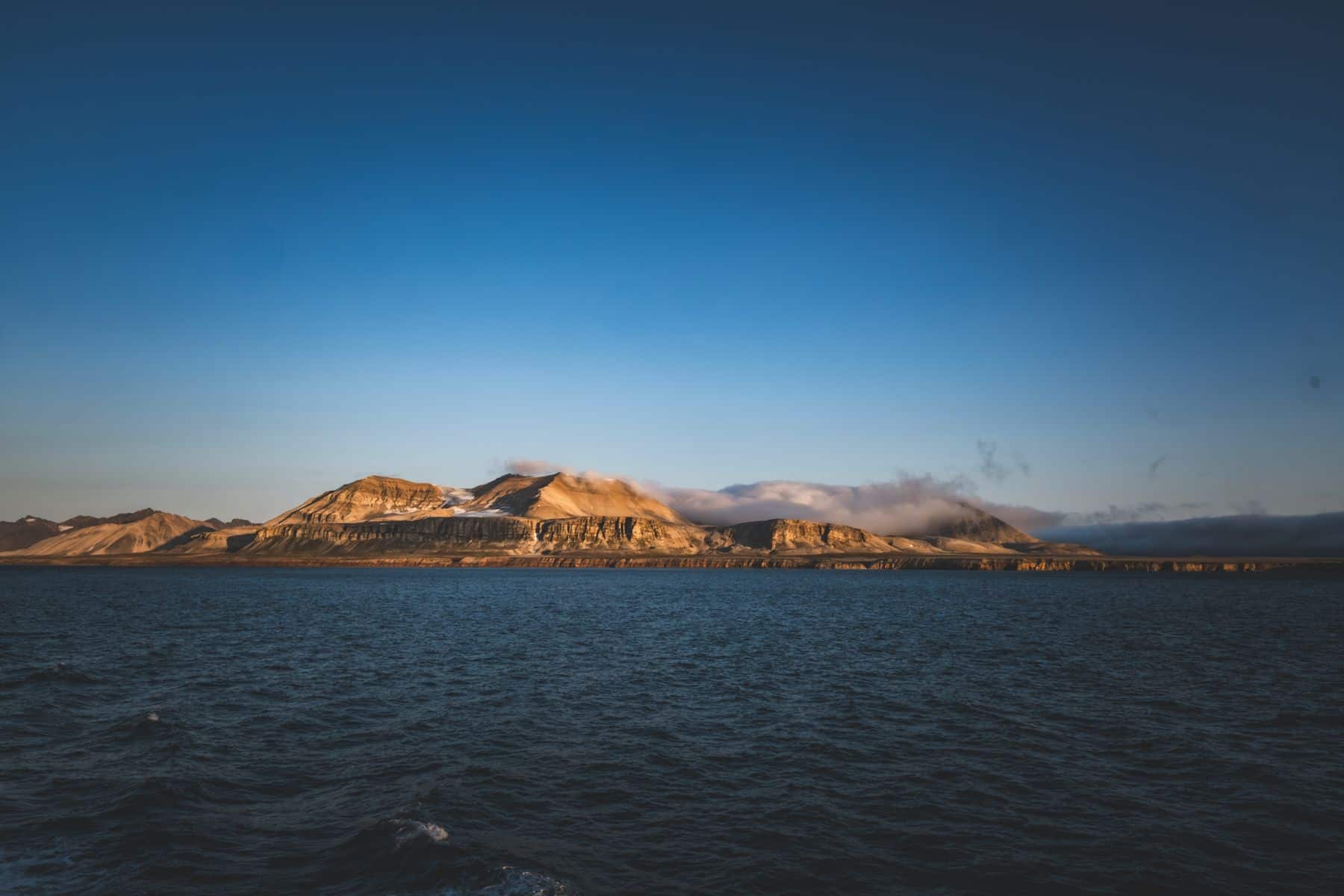
The midnight sun shines over Longyearbyen from about 20 April to 23 August: the sun doesn’t set at all, and you can hike or cruise at midnight in full daylight.
The dark season runs from about late October to mid-February, when the sun stays below the horizon. In the middle of it, from about mid-November to the end of January, it’s dark even at noon: the true polar night.
Northern lights: Svalbard is so far north that the aurora can appear at any time of day in the polar night, not just late in the evening. Clear skies are the key; November to February is the main season, with the best mix of darkness and activities in late February and early March.
The return of the sun is celebrated in Longyearbyen with a festival week in early March, when the first rays reach the steps of the old hospital.
Best time to visit Svalbard
There are really three seasons. The polar night (November to January) is dark, quiet and atmospheric, best for the northern lights, short dog-sled trips and a very different kind of Arctic. The sunny winter (late February to May) is the favourite with many: snow on the ground, long and lengthening days, the best snowmobile and dog-sled conditions and, in March, still a chance of the aurora. Svalbard in May brings round-the-clock daylight with snow still on the ground. Summer (June to September) is the season for boat trips, hiking and expedition cruises, with birds nesting, the fjords open and the midnight sun until late August. July and August are the warmest months, though “warm” means about 6 to 9°C.
| Month | High / low | Rain or snow | Light |
|---|---|---|---|
| Jan | -8°C / -13°C | 40 mm | Polar night |
| Feb | -8°C / -14°C | 45 mm | Light returns |
| Mar | -10°C / -15°C | 45 mm | Sunny winter |
| Apr | -7°C / -12°C | 30 mm | Midnight sun from about 20th |
| May | -1°C / -5°C | 30 mm | Midnight sun |
| Jun | 4°C / 2°C | 25 mm | Midnight sun |
| Jul | 9°C / 6°C | 40 mm | Midnight sun |
| Aug | 8°C / 4°C | 50 mm | Midnight sun to about 23rd |
| Sep | 4°C / 0°C | 65 mm | Day and night |
| Oct | -2°C / -6°C | 45 mm | Dark season begins |
| Nov | -5°C / -10°C | 50 mm | Polar night |
| Dec | -7°C / -13°C | 55 mm | Polar night |
Longyearbyen average daily high / low and monthly rain or snow (as water), 10-year ERA5 data. Wind makes it feel much colder in winter.
How to get to Svalbard from the UK
There are no direct flights from the UK. Fly to Oslo (about 2 hours from London), then on to Longyearbyen, about 3 hours, or connect via Tromsø, about 1.5 hours from Longyearbyen. Flights run all year, with more in spring and summer. You can usually reach Longyearbyen in a day from the UK, but with Arctic weather it’s wise to allow a night in Oslo or Tromsø on the way back.
Passports: Svalbard is outside the Schengen area, so there is passport control when you leave mainland Norway for Svalbard and when you return. Carry your passport. Expedition cruises usually include the flight from Oslo to Longyearbyen, and some voyages sail from mainland Norway or from Scotland.
Getting around
Longyearbyen is small and walkable, with an airport bus timed to flights. Beyond town there are no roads to anywhere else, so every trip is by boat, snowmobile, dog sled or on foot with a guide. You can’t hire a car to explore, and you can’t leave town on your own without polar bear protection, which is why we plan Svalbard holidays around guided excursions.
Where to stay in Svalbard
- Central Longyearbyen: hotels close to the restaurants, shops and museum, and the pick-up point for most excursions.
- Upper Longyearbyen: quieter hotels and guesthouses in the old mining buildings further up the valley, with character and mountain views.
- Wilderness lodges and cabins: a night or two out of town, reached by dog sled, snowmobile or boat, for silence and dark skies.
- On board: on an expedition cruise your ship is your hotel; most guests add a night in Oslo or Longyearbyen before sailing.
Rooms in Longyearbyen are limited and fill early for March to May and the summer, so book well ahead.
Food and drink
For such a remote place, Longyearbyen eats well. Look for Arctic char, cod and other North Atlantic fish, reindeer, and sometimes seal or whale on menus. The town has its own brewery, and several restaurants make a point of local ingredients and Arctic cooking. Svalbard is tax-free, but food and drink still come in by air and sea, so eating out isn’t cheap.
How many days in Svalbard? Sample routes
Allow at least 4 nights in Longyearbyen to fit in a few guided trips around the weather, or a 7 to 12 night expedition cruise for polar bears and the remote coasts.
Longyearbyen in the sunny winter
- Oslo (1 night)
- Longyearbyen (4)
- Dog sledding, snowmobile day, ice cave
Late February to May, with long days and snow.
Around Spitsbergen by ship
- Oslo (1 night)
- Longyearbyen (1)
- Expedition cruise (7)
- Oslo (1)
June to August, the best odds of polar bears and walrus.
The great Arctic voyage
- Svalbard
- Jan Mayen
- East Greenland
- Iceland
A longer expedition linking the Arctic islands, in summer.
Ways to see Svalbard with us

Prefer a land-based trip? A tailor-made holiday can combine Longyearbyen with Tromsø or the Lofoten Islands, with guided excursions booked around the season. See more ideas on our Norway holidays page.
Practical tips and rules
- Safety: check the FCDO Norway advice before you go. It notes that rescue services are limited in remote Arctic areas, so take out insurance that covers Arctic activities and evacuation.
- Polar bears: don’t leave Longyearbyen on your own. Guides carry the right protection, and the Governor of Svalbard’s rules require you to keep at least 300 m from bears (500 m from 1 March to 30 June).
- Protected areas: landings are only at approved sites and with a guide; drones are generally banned in the national parks and nature reserves. Don’t pick flowers, disturb wildlife or take anything from old huts and camps: anything from before 1946 is protected.
- Clothing: layers, a windproof and waterproof outer shell, warm hat and gloves at any time of year. In winter, guides usually lend snowmobile suits and boots.
- Indoor shoes: it’s a Longyearbyen custom, from the mining days, to take off your shoes in hotels, museums and some shops.
- Money: Norwegian kroner; cards are taken almost everywhere.
- Book early: rooms, flights and the best cabins on small ships sell out months ahead for spring and summer.
Frequently asked questions
Can you see polar bears in Svalbard?
Yes, but sightings are never guaranteed. Your best chance is a summer expedition cruise of a week or more to the north and east of the islands, near the sea ice. Bears are rarely seen near Longyearbyen.
What is the best time to visit Svalbard?
Late February to May for snow, daylight, dog sledding and snowmobiling; June to August for expedition cruises, wildlife and the midnight sun; November to January for the polar night and northern lights.
How do you get to Svalbard from the UK?
Fly to Oslo, then on to Longyearbyen in about 3 hours, or connect through Tromsø. There are no direct flights from the UK. Bring your passport, as Svalbard is outside the Schengen area.
Can you see the northern lights in Svalbard?
Yes, from about November to early March on clear nights. During the polar night it is dark enough for the aurora to appear even in the middle of the day.
When is the midnight sun in Svalbard?
In Longyearbyen the sun doesn't set from about 20 April to 23 August.
How long should you spend in Svalbard?
At least four nights in Longyearbyen to fit in several guided trips around the weather, or a seven to twelve night expedition cruise to see polar bears and the remote coasts.
Do you need a guide in Svalbard?
Outside Longyearbyen, yes in practice: polar bears can appear anywhere, and visitors join guided trips with staff who carry the right protection. Landings in protected areas must be guided.
Is Svalbard part of Norway?
Yes. Svalbard has been part of Norway under the 1920 Svalbard Treaty, but it has its own rules on entry and residence and sits outside the Schengen area.
Keep planning
- Arctic cruises
- Greenland and Svalbard expedition cruises
- Expedition cruises
- The best expedition cruise lines
- Arctic and Northwest Passage cruises
- Norway holidays
- Abisko northern lights guide
- Best places to watch whales
- Lofoten guide
Plan your Svalbard trip with a Travel Designer
Tell us when you’d like to go and whether you’d rather cruise or stay in Longyearbyen, and we’ll match the right ship or plan the flights, rooms and guided trips, in one ATOL-protected booking.
Make an enquiry Arctic cruises