Vietnam in brief
- Direct flights from London, and visa-free entry for up to 45 days.
- Travel from Hanoi and Ha Long Bay through Hoi An to Ho Chi Minh City and the Mekong.
- Eat pho, bun cha and banh mi: Vietnamese food.
- The wet season is different in each region; February to April suits a full trip.

Vietnam is a long, thin country with a bit of everything: the limestone islands of Ha Long Bay, the rice terraces of Sapa, the imperial city of Hue, lantern-lit Hoi An, the buzz of Ho Chi Minh City and the floating markets of the Mekong Delta. It also has some of the best food in the world, much of it eaten on tiny plastic stools on the street. This guide covers travel to Vietnam from the UK, where to go, Vietnamese food, the wet and dry seasons, and how to combine Vietnam with its neighbours.
Travel to Vietnam from the UK
- Flights: there are direct flights from London to Hanoi and Ho Chi Minh City in about 13 hours, and many one-stop routes via the Gulf, Bangkok or Singapore.
- Visa: British citizens can visit without a visa for up to 45 days. Check that the date stamped in your passport is correct before you leave the airport. For longer stays, apply for an e-visa of up to 90 days.
- Open-jaw: most trips fly into one end of the country and home from the other, so you don’t have to double back.
- Getting around: domestic flights link Hanoi, Hue, Da Nang (for Hoi An) and Ho Chi Minh City in about an hour. The Reunification Express train runs the length of the country, with a beautiful stretch over the Hai Van Pass.
Where to go in Vietnam
Most first trips travel from north to south, or the other way round: Hanoi and Ha Long Bay, then Hue and Hoi An in the centre, then Ho Chi Minh City and the Mekong. Add Sapa or Ninh Binh in the north, and a beach at the end. To compare our escorted trips, see Vietnam tours compared.

Hanoi
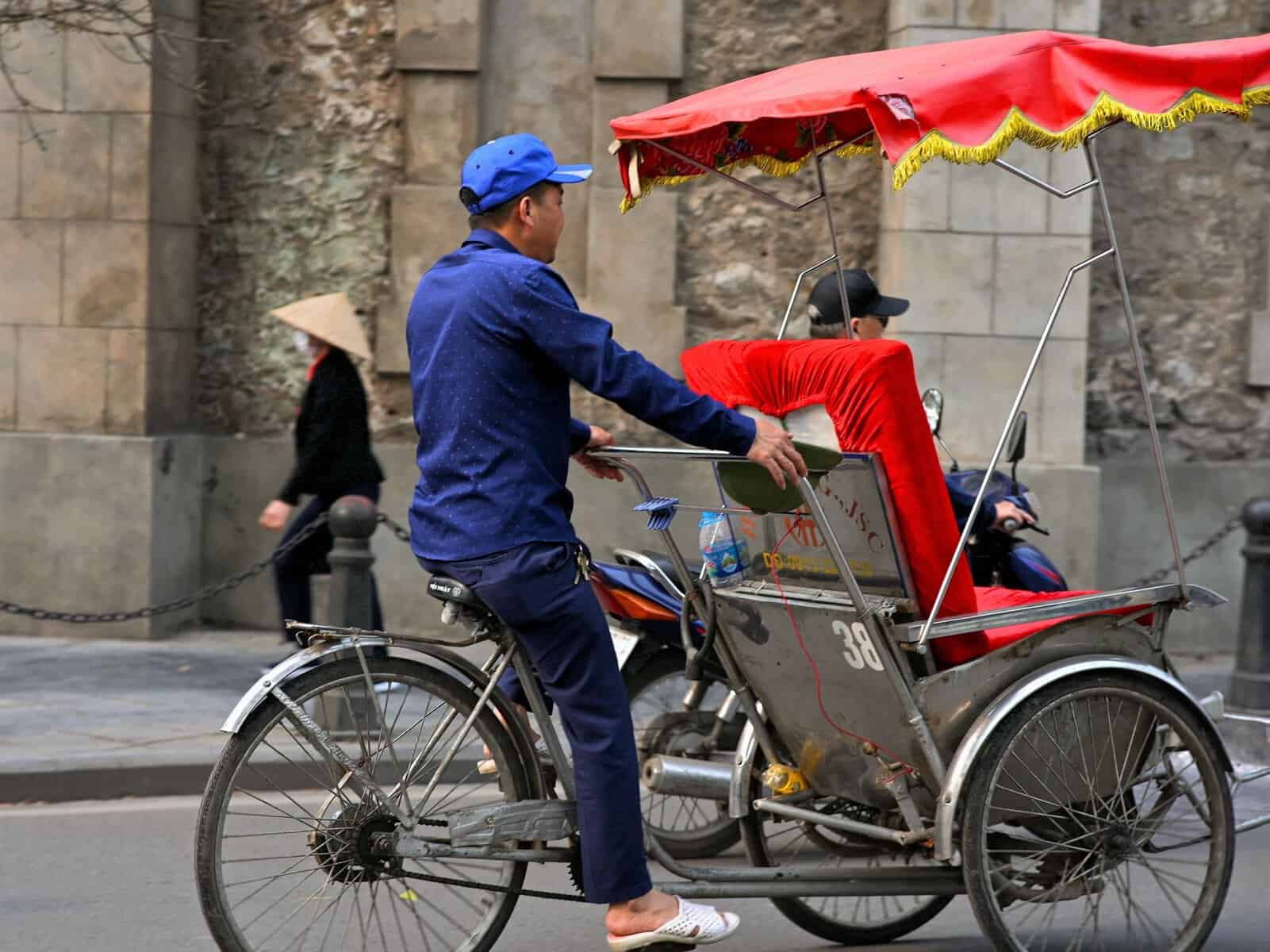
Vietnam’s capital mixes French boulevards, lakes and temples with the crowded lanes of the Old Quarter. Visit the Temple of Literature and Hoan Kiem Lake, and see a water puppet show.
Join a street-food walk at night; Hanoi is the home of pho and bun cha.

Ha Long Bay and Lan Ha Bay
About two and a half to three hours from Hanoi, nearly 2,000 limestone islands rise from the sea in this UNESCO World Heritage Site. Spend a night on a cruise boat, kayak among the islands and visit caves and floating villages.
Neighbouring Lan Ha Bay is just as beautiful and quieter.

Ninh Binh
Often called “Ha Long Bay on land”, Ninh Binh has limestone peaks rising from rice fields. Take a rowing boat through caves at Trang An or Tam Coc, and cycle between villages.
It’s about two hours south of Hanoi.
Sapa and the northern mountains
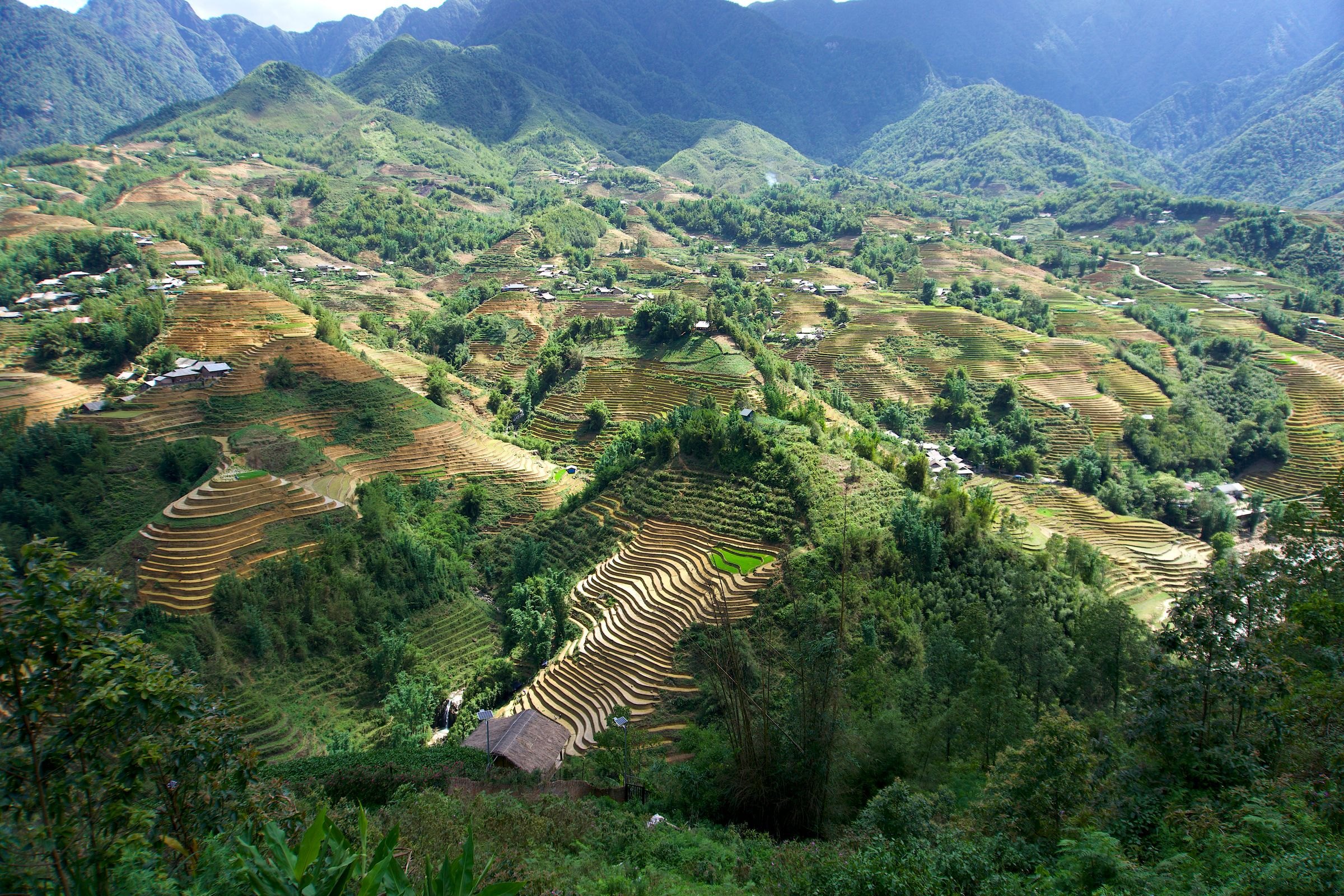
In the far north, near the Chinese border, Sapa is surrounded by rice terraces and the villages of the Hmong, Dao and other minority peoples. Trek between villages and stay in a homestay.
The terraces are green from June to August and golden in September before the harvest. Winters are cold.

Hue
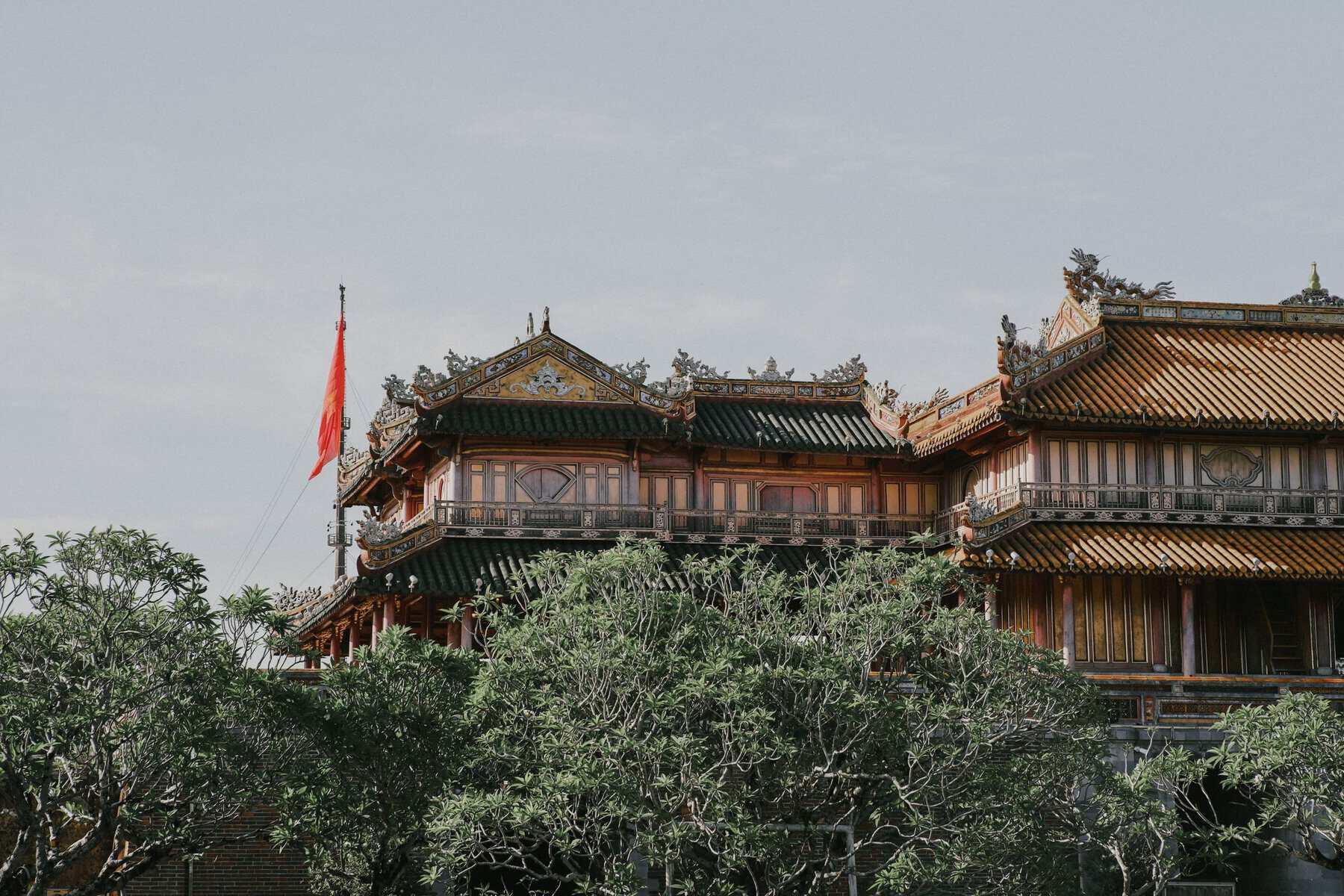
Vietnam’s capital under the Nguyen emperors has a walled Imperial City and grand royal tombs along the Perfume River.
Drive south over the spectacular Hai Van Pass to Hoi An.

Hoi An
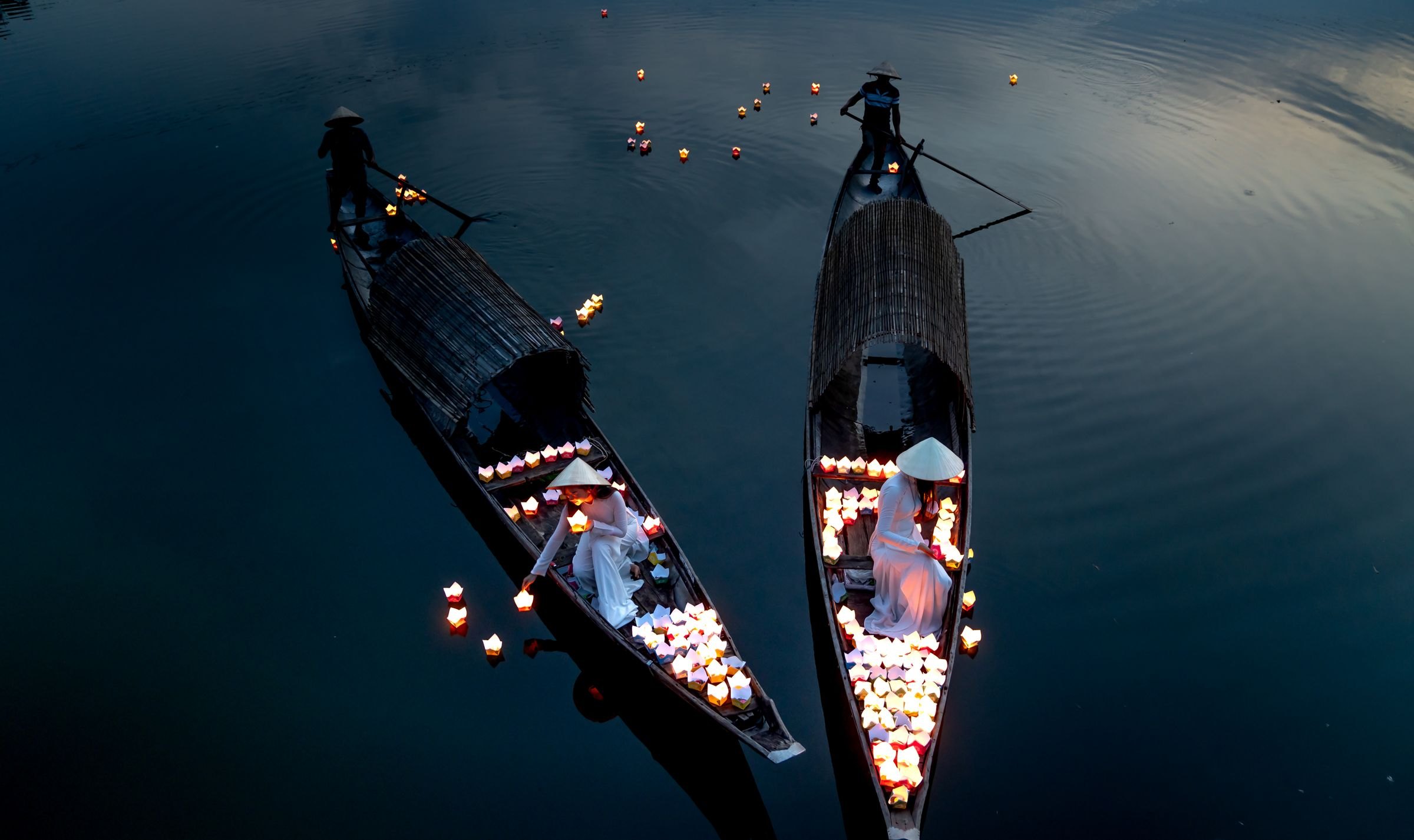
Hoi An’s yellow merchant houses, lanterns and Japanese Bridge make it Vietnam’s prettiest town and a UNESCO World Heritage Site. Have clothes made by a tailor, take a cookery class and cycle to An Bang beach.
Nearby are the Cham ruins of My Son and the beaches of Da Nang.
Ho Chi Minh City and Cu Chi
Still called Saigon by many, Vietnam’s biggest city is fast and full of energy. See the War Remnants Museum, the Reunification Palace, the post office and the Ben Thanh market.
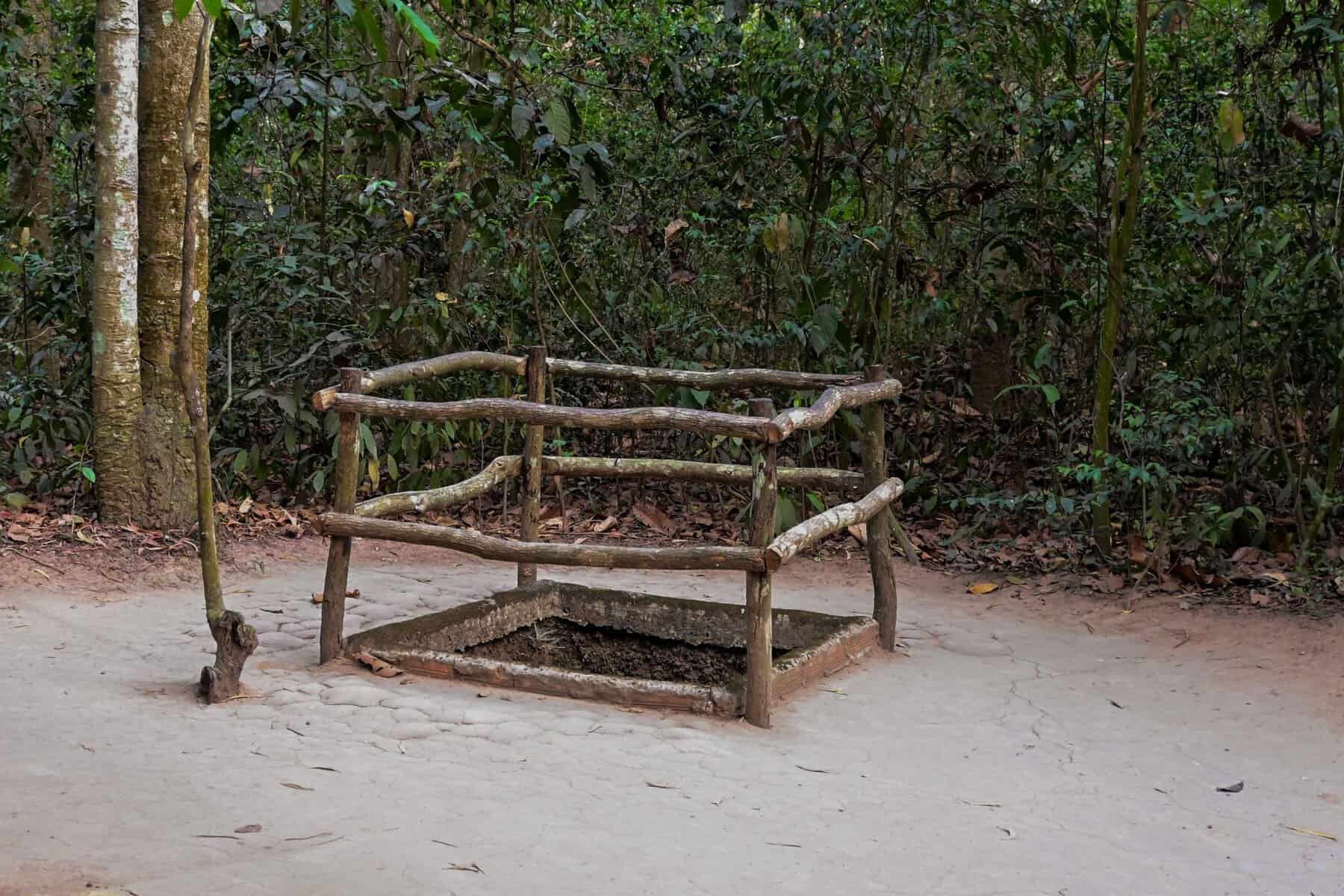
A half-day trip goes to the Cu Chi tunnels, used during the Vietnam War.

The Mekong Delta
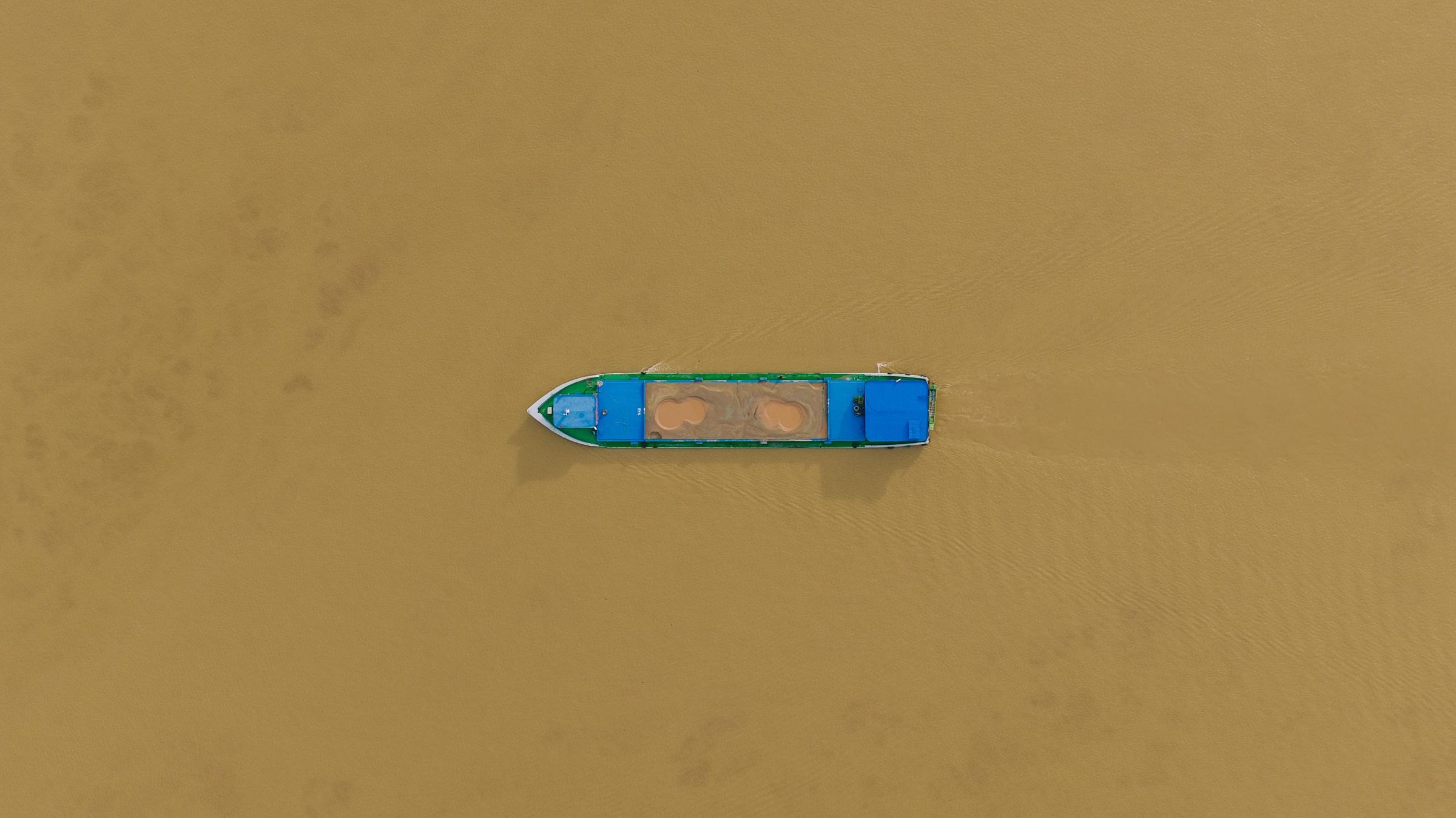
South of Ho Chi Minh City, the Mekong splits into a maze of rivers and canals. Go by boat to a floating market early in the morning, and stay overnight to see village life.
River cruises continue upriver into Cambodia.

Beaches: Phu Quoc, Nha Trang and more
End your trip on the beach. Phu Quoc island, in the far south, is best from November to April. Nha Trang and the coast around it are best from about February to August.
Hoi An’s beaches are good from March to August. Choose by month, as the seasons are different in each place.
Vietnamese food: what to eat
Vietnamese food is fresh, light and full of herbs, balancing sweet, sour, salty and spicy, with fish sauce in almost everything. Some of the best meals are at street stalls that serve one dish only; if a stall is busy with locals, it’s a good sign. Each region has its own specialities.
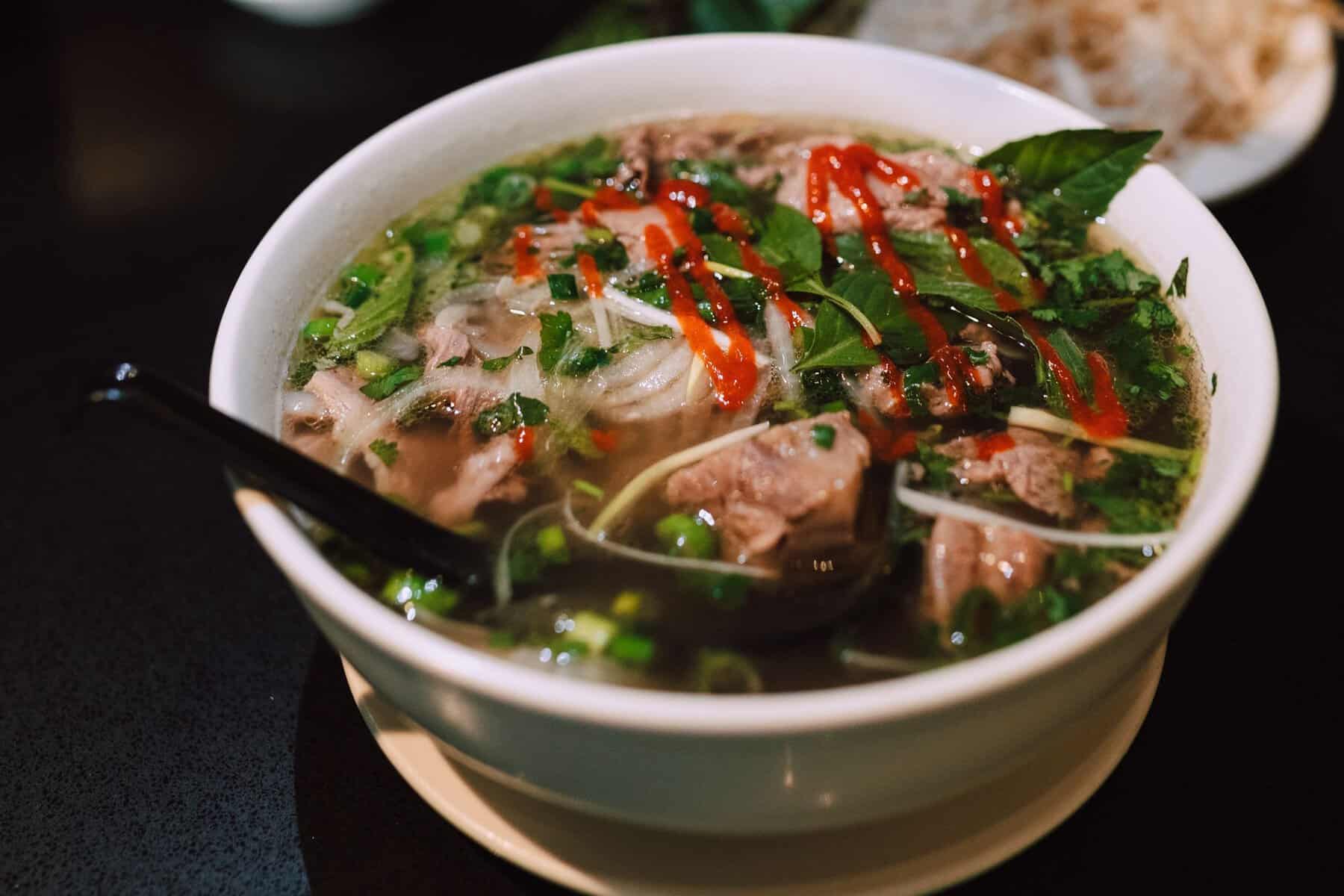
Pho: beef or chicken noodle soup with a fragrant broth, eaten for breakfast. Hanoi is its home.
Bun cha: grilled pork patties and belly with rice noodles, herbs and a sweet-sour dipping sauce, a Hanoi lunchtime favourite.
Banh mi: a crisp baguette filled with pâté, meats, pickles, chilli and coriander, a legacy of French rule. Hoi An’s are famous.
Cao lau: thick noodles with pork and greens, found only in Hoi An. Bun bo Hue is Hue’s spicy beef noodle soup.
Fresh spring rolls (goi cuon): rice paper wrapped around prawns, pork, noodles and herbs. The fried kind are nem or cha gio.
Coffee: strong, dripped through a metal filter and served with condensed milk, hot or iced. Try egg coffee in Hanoi.


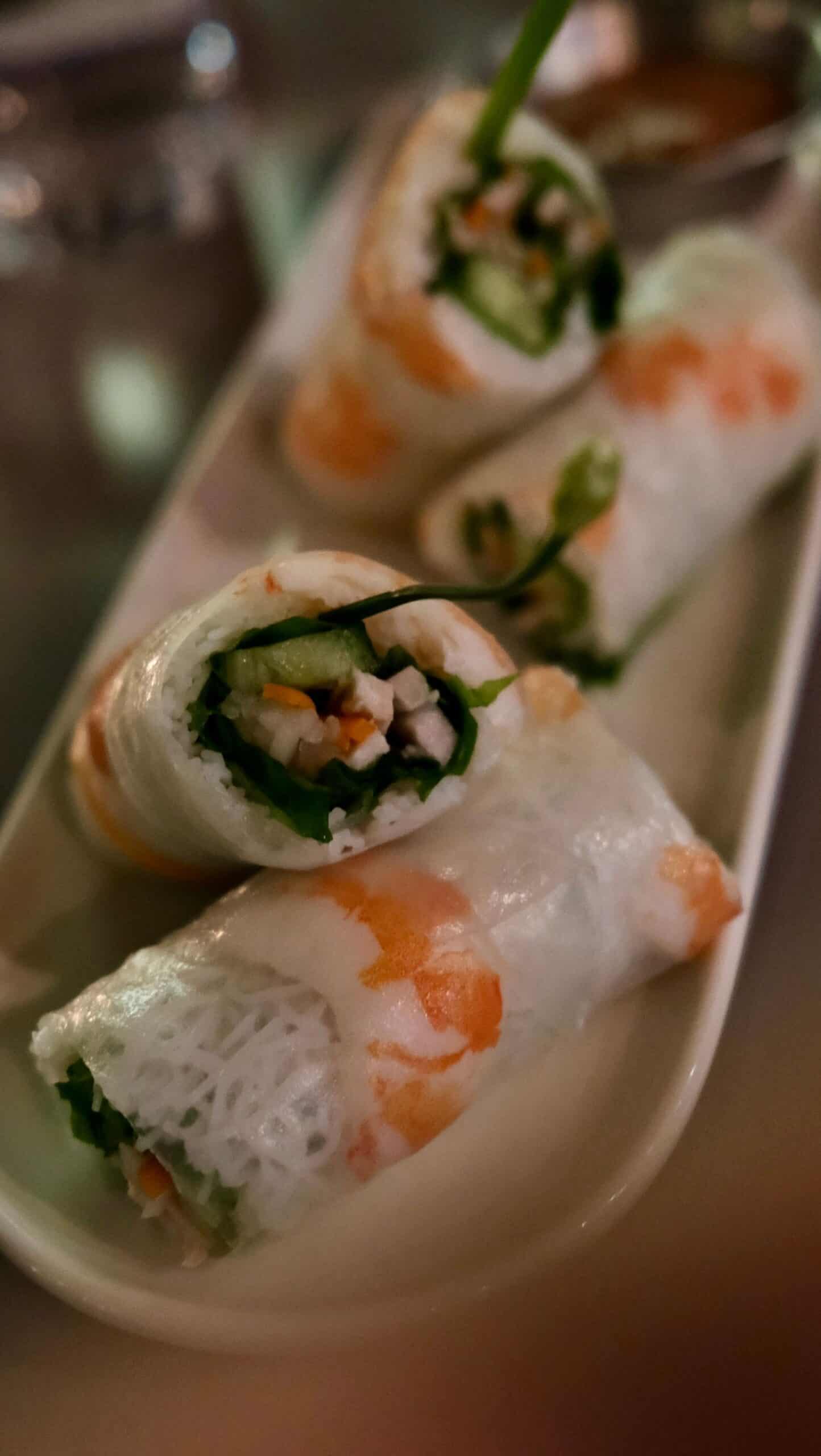


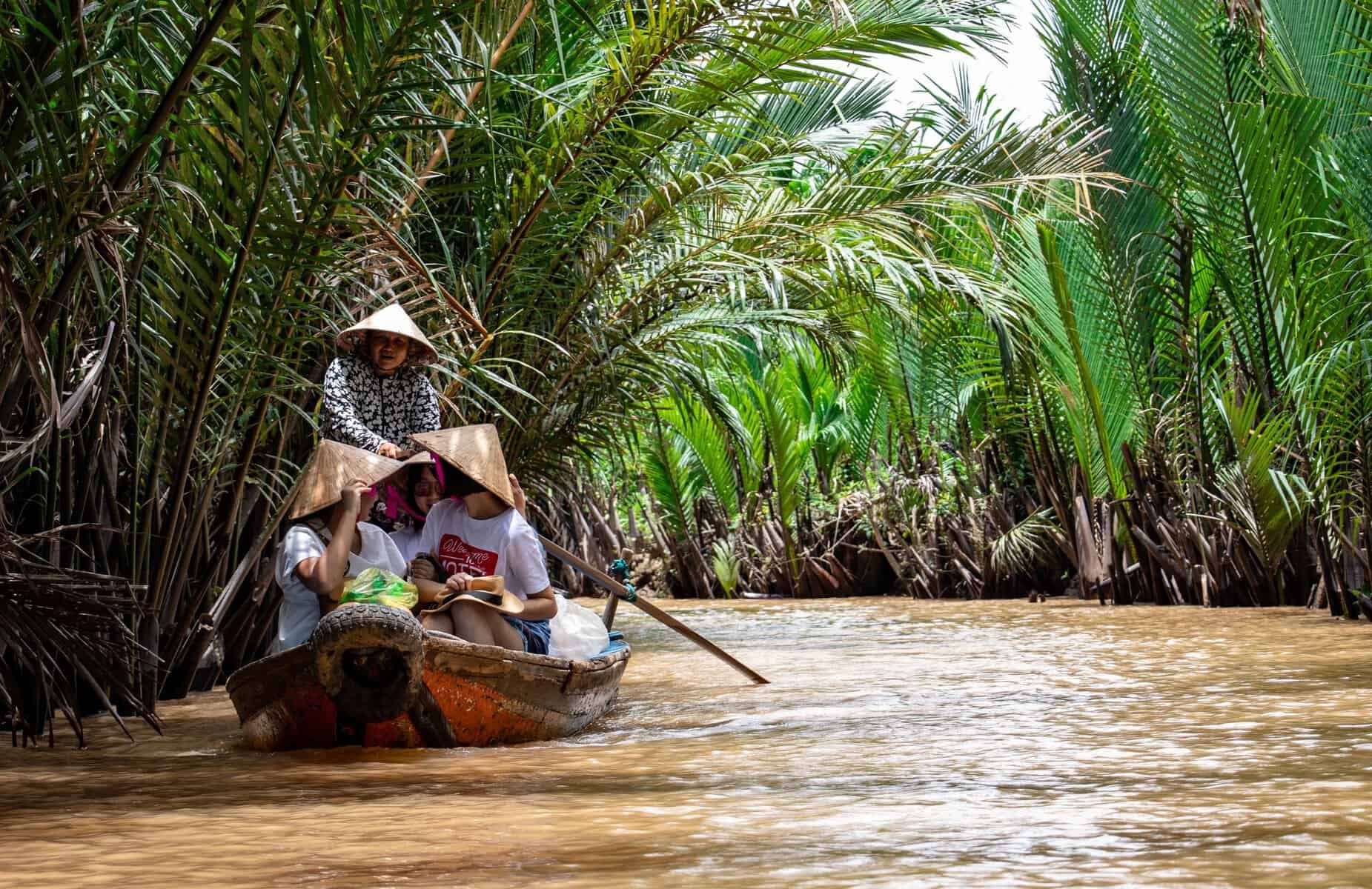
A cookery class in Hoi An or Hanoi, starting with a market visit, is one of the best ways to learn. Vegetarians are well catered for, especially at Buddhist restaurants (look for “chay”).
Seasons in Vietnam: the wet season and the monsoon
Vietnam stretches about 1,650 km from north to south, so the weather is different in each region, and there’s always somewhere good to go. Broadly:
| Region | Dry season | Wet season | Notes |
|---|---|---|---|
| North (Hanoi, Ha Long, Sapa) | October to April | May to September | Cool and sometimes misty from December to February; hot and humid in summer |
| Centre (Hue, Hoi An) | February to August | September to December | Heaviest rain and typhoon risk in October and November |
| South (Ho Chi Minh City, Mekong, Phu Quoc) | November to April | May to October | Hot all year; rain usually comes in short afternoon downpours |
Vietnam in November
November is a great month for the north (dry, sunny and warm in Hanoi and Ha Long Bay) and the south (the dry season is starting, and Phu Quoc is good again). The centre is still in its wet season, with heavy rain and occasional floods in Hue and Hoi An, so keep your time there short or be flexible. The best overall months for a full north-to-south trip are February to April.
Countries near Vietnam
Heading on to the islands? The Philippines is a short flight from Ho Chi Minh City: see our Philippines holiday guide for Palawan, El Nido and island hopping.
Vietnam shares borders with China to the north, and Laos and Cambodia to the west; Thailand is a short flight away. The most popular combination is Vietnam and Cambodia: fly from Ho Chi Minh City to Siem Reap for the temples of Angkor, or take a Mekong river cruise to Phnom Penh. Laos adds the slow-paced town of Luang Prabang. See our Cambodia holiday guide, Thailand holiday guide and China holiday guide.
Classic routes
North to south
- Hanoi (3 nights)
- Ha Long Bay (1)
- Hue (2)
- Hoi An (3)
- Ho Chi Minh City (2)
- Mekong Delta (1)
- Ho Chi Minh City (1)
The classic first trip.
Vietnam in depth
- Hanoi (2 nights)
- Sapa (3)
- Ninh Binh (1)
- Ha Long Bay (1)
- Hue (2)
- Hoi An (3)
- Ho Chi Minh City (2)
- Phu Quoc (3)
Mountains, history and a beach to finish.
Vietnam and Cambodia
- Hanoi (3 nights)
- Ha Long Bay (1)
- Hoi An (3)
- Ho Chi Minh City (2)
- Mekong Delta (1)
- Siem Reap (3)
- Phnom Penh (2)
Add the temples of Angkor.
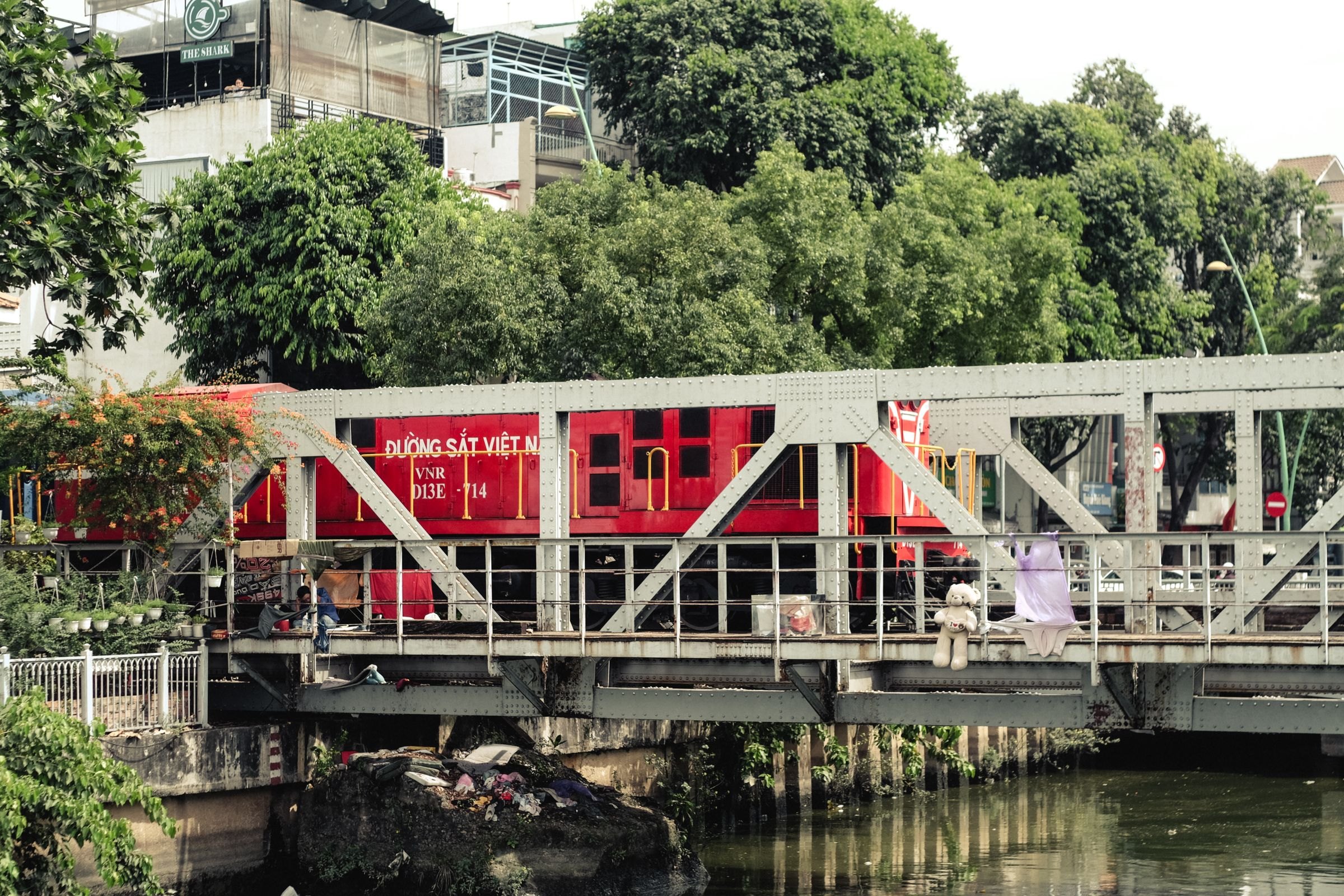
Ways to see Vietnam with us
Practical tips
- Entry: visa-free for up to 45 days for British citizens; your passport should be valid for six months. Check the FCDO Vietnam advice before you book.
- Health: see your GP or a travel clinic about vaccinations and malaria, which is a risk in some rural and border areas. Dengue fever occurs, so use insect repellent.
- Old battlefields: unexploded bombs and mines remain in parts of central Vietnam and along the Laos border. Stick to paths and guided routes.
- Crossing the road: walk slowly and steadily through the motorbikes; they’ll go around you.
- Money: the dong is the currency; cards are accepted in hotels and many restaurants, but carry cash for markets and street food.
- Dress: cover shoulders and knees at temples and pagodas.
Frequently asked questions
When is the wet season in Vietnam?
It depends on the region. The north is wet from May to September, the centre from September to December (with typhoons most likely in October and November), and the south from May to October.
Is November a good time to visit Vietnam?
Yes for the north and south, which are dry and sunny. The centre, around Hue and Hoi An, is still wet, with a risk of floods, so keep your time there flexible.
What is the best time to visit Vietnam?
February to April is best for a full north-to-south trip. October to April is best for the north, February to August for the centre and November to April for the south.
Do UK citizens need a visa for Vietnam?
Not for stays of up to 45 days. For longer trips, apply for an e-visa of up to 90 days.
How long is the flight from the UK to Vietnam?
About 13 hours direct from London to Hanoi or Ho Chi Minh City, or longer with one stop.
What countries are near Vietnam?
China to the north, Laos and Cambodia to the west, and Thailand a short flight away. Vietnam and Cambodia together, with the temples of Angkor, is the most popular combination.
What is the most famous Vietnamese food?
Pho, the noodle soup, is the best known. Also try bun cha, banh mi, fresh spring rolls, cao lau in Hoi An and bun bo Hue, plus Vietnamese coffee.
How long do you need in Vietnam?
Two weeks covers the highlights from north to south. With 18 days or more, add Sapa, Ninh Binh or a beach, or combine with Cambodia.
Keep planning
- Vietnam holidays
- Escorted tours of Vietnam
- Vietnam tours compared
- Cambodia holiday guide
- Thailand holiday guide
- China holiday guide
- Malaysia holiday guide
- Tailor-made holidays
Plan your Vietnam holiday with a Travel Designer
Tell us your dates and we’ll plan a route that fits the weather in each region, plus flights, a Ha Long Bay cruise and the beach, in one ATOL-protected booking.
Make an enquiry Vietnam holidays