Gay Japan in brief
- Is Japan gay friendly? Largely yes: same-sex relations are legal, local partnership certificates cover about 92% of people, and marriage is before the Supreme Court, with a ruling expected in early 2027.
- Private tailor-made trips are the best way to go; 2027 group tours run in spring, from 31 March to 3 June 2027.
- Tokyo’s scene is in Shinjuku Ni-chome, about 300 tiny bars; Osaka’s is Doyama, next to Umeda.
- Book a confirmed double bed, use private baths if you have tattoos, and keep public affection low-key.
- Tokyo Pride 2027: festival 5 and 6 June at Yoyogi Park. Best weather: spring and autumn.

Gay Japan is easier to enjoy than many people expect. Tokyo has the largest gay district in Asia, Osaka has a second, friendlier one a short walk from its main station, and the rest of the country, from Kyoto’s temples to the art islands of the Inland Sea, is safe, orderly and welcoming to same-sex couples. What Japan doesn’t have yet is equal marriage or a national anti-discrimination law, and a few customs, from hotel bed sizes to tattoo rules in the hot springs, are worth knowing before you go.
This guide answers whether Japan is gay friendly, explains the private trips and 2027 group departures we sell, and gives you a day-by-day 14-day route. It then covers gay Tokyo, Osaka, Kyoto and Hiroshima and Naoshima, along with etiquette for same-sex couples, Pride dates and a month-by-month guide to the weather.
Is Japan gay friendly?
Largely yes, for visitors, but the law lags behind attitudes. Sex between men and between women has been legal in Japan for well over a century, and there has never been a modern law against it. Same-sex marriage isn’t legal, and there is no national civil partnership. Instead, local governments issue partnership certificates. By 31 May 2025, according to a survey by the charity Nijiiro Diversity and Tokyo’s Shibuya ward, 530 local governments had a partnership system, covering 92.5% of the population, and 9,836 couples had registered. Every prefectural capital has one. The certificates help with things like renting a flat or visiting a partner in hospital, but they don’t give the legal rights of marriage.
Marriage is now in the courts. Couples have sued the government in five cities, and between 2024 and 2025 five of Japan’s high courts found the ban unconstitutional. In November 2025 a second Tokyo High Court case went the other way and upheld it. In March 2026 the Supreme Court agreed to hear six of the cases with all 15 justices sitting, and a ruling is expected in early 2027. Only parliament can then change the law.
There is also no national law banning discrimination on grounds of sexual orientation. The 2023 LGBT Understanding Promotion Act asks government, schools and employers to promote understanding and says there should be no “unfair discrimination”, but it carries no penalties. Hotels are a specific exception: since 2018 a Health Ministry guideline under the hotel business law has made clear that hotels and inns can’t turn guests away because of their sexual orientation or gender identity.
Day to day, Japan is one of the safest countries in the world, and same-sex couples rarely meet hostility. The bigger difference is cultural: Japanese people of every orientation are reserved in public, so what you’ll notice is discretion rather than disapproval. Two men or two women sharing a room is unremarkable to good hotels, and Tokyo, Osaka and Kyoto are all well used to gay visitors.
Check the current FCDO Japan travel advice before you book and again before you travel.
Our gay Japan trips
We don’t run our own group tours. We plan private trips ourselves and resell small-group departures from specialist LGBTQ+ travel companies we trust. For Japan, there are only a handful of 2027 LGBTQ+ group departures, all in spring, and several are already sold out or on a waiting list. So for most couples and friends, a private, tailor-made trip is the best way to go. You pick the dates, hotels that welcome same-sex couples are chosen for you, and the bed is right.
Private tailor-made Japan, 10 to 14 days
- Private, any dates
- Tokyo, Hakone, Kyoto, Nara, Osaka
- Optional Hiroshima and Naoshima
- Flights from the UK
Our classic first trip follows the bullet-train line west from Tokyo, with two nights in a hot-spring inn in Hakone, four in Kyoto with a day in Nara, and Osaka for food and a night out in Doyama. With more time, we add Hiroshima and the floating shrine at Miyajima, or the art island of Naoshima. Every hotel is booked with the bed you asked for confirmed in writing, and the ryokan has a private bath. Rail tickets, seat reservations, luggage forwarding and English-speaking guides are arranged before you leave. The full day-by-day plan is below.
Priced to your dates and hotels: ask for a quote
Usually included: return flights from London, hotels and a ryokan, rail travel between cities, airport transfers and the private guided days you choose. With flights, your trip is ATOL protected.
2027 small-group tours for LGBTQ+ travellers and for women
These are the 2027 Japan departures we can book from specialist LGBTQ+ operators, as listed on their own pages in November 2026. All are escorted, use first-class or Green Class bullet trains between cities and stay in five-star hotels. One also crosses to South Korea. Prices are land only, without international flights, per person sharing, converted from US dollars at about $1.30 to the pound.
| Tour | For | Dates | Length | From (per person, land only) |
|---|---|---|---|---|
| Japan journey through time: Tokyo and Nikko, a ryokan in Hakone, Kyoto, Himeji Castle, Hiroshima and Miyajima, Osaka | LGBTQ+ travellers | 22 May to 3 June 2027 (limited places) | 13 days | £11,925 (single room £15,000), plus about £235 tips |
| Land of the Rising Sun: the same route, two weeks earlier | LGBTQ+ travellers | 8 to 20 May 2027 | 13 days | Sold out: waiting list only |
| Japan and South Korea: Seoul and Busan, then Osaka, Kyoto, Nara and Tokyo | LGBTQ+ travellers, mostly gay men | 19 to 30 May 2027 | 12 days | £13,080 |
| Grand Japan cruise: a small ship from Osaka to Tokyo (Yokohama) via the Inland Sea, Hiroshima, Nagasaki, Kagoshima and Busan, in cherry blossom season | Women | 31 March to 10 April 2027 | 11 days, 10 nights | £6,155, plus about £385 taxes, fees and tips (waiting list only) |
| Cultural Japan: Tokyo, Takayama and Kyoto, with an optional Hiroshima and Naoshima extension | Gay men (lesbians and friends welcome) | 2027 dates not yet published | 10 days | Ask us |
Group-tour prices are converted from the operators’ US dollar prices and are subject to availability; single supplements apply. The cruise price is for the lowest suite category, and drinks, excursions and flights are extra. We confirm the latest price, what’s included and the room basis before you book, and we can join a waiting list for you.
If you’d simply like to travel in a small group and don’t need it to be an LGBTQ+ one, mainstream small-group tours are another option. Our Luxury Japan tour and Japan food adventure run on many dates through the year, and Japan tours compared sets the main routes side by side.
Ask about the 2027 group tours →
How we plan a private gay Japan trip
- A first conversation: your dates, how fast you like to travel, whether nightlife matters, budget and any must-sees (cherry blossom, a ryokan, Naoshima, the snow).
- Hotels chosen for you as a couple: we book hotels and ryokan we know welcome same-sex couples, and confirm a double or king bed, or a ryokan room, in writing before you pay.
- A private bath in the ryokan: we pick inns where you can bathe together in a private or in-room hot spring, which also solves any tattoo question.
- Rail and luggage: bullet-train tickets and seat reservations are booked in advance, and your big cases are sent ahead by courier, so you travel with a small bag.
- Guides where they help: an English-speaking private guide on your first day in Tokyo and in Kyoto, and free time everywhere else.
- One booking: flights from London, hotels, trains and guides in one ATOL-protected package, with a Travel Designer to call before and during the trip.
Sample route: 14 days, Tokyo to Osaka
This is the route we suggest most often for a first private trip. For 10 days, drop the Hiroshima and Naoshima days and fly home from Osaka on day 11. Times are typical for the fastest trains.
| Day | Where | What you do |
|---|---|---|
| 1 | Tokyo | Arrive at Haneda or Narita and transfer to a hotel in Shinjuku, close to Ni-chome. A short walk and an early night. |
| 2 | Tokyo | East Tokyo with a private guide: Senso-ji temple in Asakusa, the old streets of Yanaka and the Sumida River. In the evening, Ni-chome. |
| 3 | Tokyo | West Tokyo at your own pace: Meiji Jingu shrine, Harajuku, Omotesando and Shibuya. Dinner in an izakaya. |
| 4 | Kamakura or Nikko | A day trip by train: the Great Buddha and seaside temples of Kamakura (about an hour) or the lacquered shrines and waterfalls of Nikko (about two hours). |
| 5 | Hakone | Train to Hakone (about 35 minutes by bullet train to Odawara). Two nights in a ryokan with your own hot-spring bath and a long dinner. |
| 6 | Hakone | The Hakone loop: the Open-Air Museum, the ropeway over the volcanic valley and a boat across Lake Ashi, with Mount Fuji on a clear day. Your cases go ahead to Kyoto. |
| 7 | Kyoto | Bullet train to Kyoto (about two hours). Evening walk through Gion and along the Shirakawa canal. |
| 8 | Kyoto | Fushimi Inari’s torii gates at sunrise, before the crowds, then Kiyomizu-dera and the lanes of Higashiyama with a private guide. |
| 9 | Kyoto | Arashiyama’s bamboo grove and riverside, then the Golden Pavilion. A free evening by the Kamo River. |
| 10 | Nara, then Osaka | Nara’s deer park and the giant Buddha of Todai-ji, then on to Osaka (about 45 minutes) for two nights in Umeda. |
| 11 | Osaka | Osaka Castle, the food stalls of Kuromon market and neon Dotonbori. A night out in Doyama, a short walk from your hotel. |
| 12 | Hiroshima and Miyajima | Bullet train to Hiroshima (about 1 hour 30). The Peace Memorial Park and museum, then the ferry to Miyajima. Stay on the island to see the floating torii after the day visitors leave. |
| 13 | Naoshima, or back to Osaka | Optional: train to Uno and a short ferry to Naoshima for the art museums and Yayoi Kusama’s pumpkins, with a night on the island. Or return to Osaka for a last evening. |
| 14 | Home | Fly home from Osaka Kansai, or take the bullet train back to Tokyo for a Haneda flight. |
Gay Tokyo: Shinjuku Ni-chome and where to stay
Shinjuku Ni-chome (“2-chome”) is the centre of gay Tokyo. Its gay history goes back to the late 1940s, and after the 1956 Prostitution Prevention Law closed the old red-light district, its bars filled the space. Today about 300 gay bars and clubs are packed into five small blocks. The main street is Naka-dori. The nearest station is Shinjuku-sanchome on the Marunouchi and Fukutoshin lines, and the main Shinjuku station is a ten-minute walk west.
The scene works differently from London’s. Most bars are tiny, often on the upper floors of narrow buildings, and most seat fewer than a dozen people around a counter. Each has its own crowd. There are bars for bears, for older men, for lesbians, for karaoke or for a particular kind of music, and the bartender, known as the “master” or “mama”, is the host who keeps the conversation going. Many bars have a cover charge or a one-drink minimum, typically around ¥1,000 to ¥1,500 with a drink included, and clubs charge more at weekends. Some bars are set up for Japanese-speaking regulars, so if you don’t speak Japanese, start at the bars along Naka-dori that welcome visitors and ask the staff where to go next. The streets fill up on Friday and Saturday nights, and many people time the evening to catch the last train home, around midnight.
Ni-chome is next to Kabukicho, the red-light district north of Shinjuku station. Most reports of tourists being overcharged in bars or having drinks spiked come from there, so ignore street touts, see a price list before you sit down and keep track of what you order.
Where to stay in Tokyo
- Shinjuku, around Shinjuku-sanchome and Shinjuku Gyoen: the best base if you want Ni-chome on foot, with the park and good transport links on the doorstep.
- West Shinjuku: the tower hotels, with big rooms and views to Mount Fuji on clear winter mornings; about 20 minutes’ walk from Ni-chome.
- Shibuya and Ebisu: younger and livelier, with good restaurants and cocktail bars; a few minutes from Shinjuku by train.
- Marunouchi and Ginza: quieter, smarter and next to Tokyo station, which makes the bullet train west very easy.
Tokyo isn’t just Ni-chome. Give yourself at least three full days: one for Asakusa, Ueno and the old east, one for the shrines, shops and fashion of Harajuku and Shibuya, and one for a day trip. Kamakura, about an hour south, has the Great Buddha and seaside temples. Nikko, about two hours north, has ornate shrines in cedar forest, and Hakone, with its ryokan, hot springs and views of Mount Fuji, is the natural next stop on the way west. Our Japan holiday guide covers the rest of the country.
Gay Osaka: Doyama and the Kita district

Doyama (Doyama-cho) is Osaka’s gay district and the second-biggest in Japan. It sits just east of Umeda in the Kita district, a short walk from Osaka’s biggest railway hub, and has at least 100 bars. Osaka’s own tourist board describes it as one of Japan’s leading gay areas, and many visitors find it friendlier and more relaxed than Ni-chome.
The format is similar to Tokyo: small counter bars and a few larger clubs. Many bars use a “first order” set of one drink and a snack, or two drinks, instead of a cover charge, and some are free to enter on weekdays. Bars open between about 5pm and 9pm and close anywhere from midnight to 5am. A few are card-only, so carry both cash and a card.
Osaka is Japan’s food city: street food along the canal in Dotonbori, the stalls of Kuromon market and the old-fashioned bars of Shinsekai. Stay in Umeda if you want to walk to Doyama, or in Namba and Shinsaibashi to be near Dotonbori; the two are about ten minutes apart by underground. Each June the city’s convention and tourism bureau runs a Pride Month campaign with partner hotels and venues.

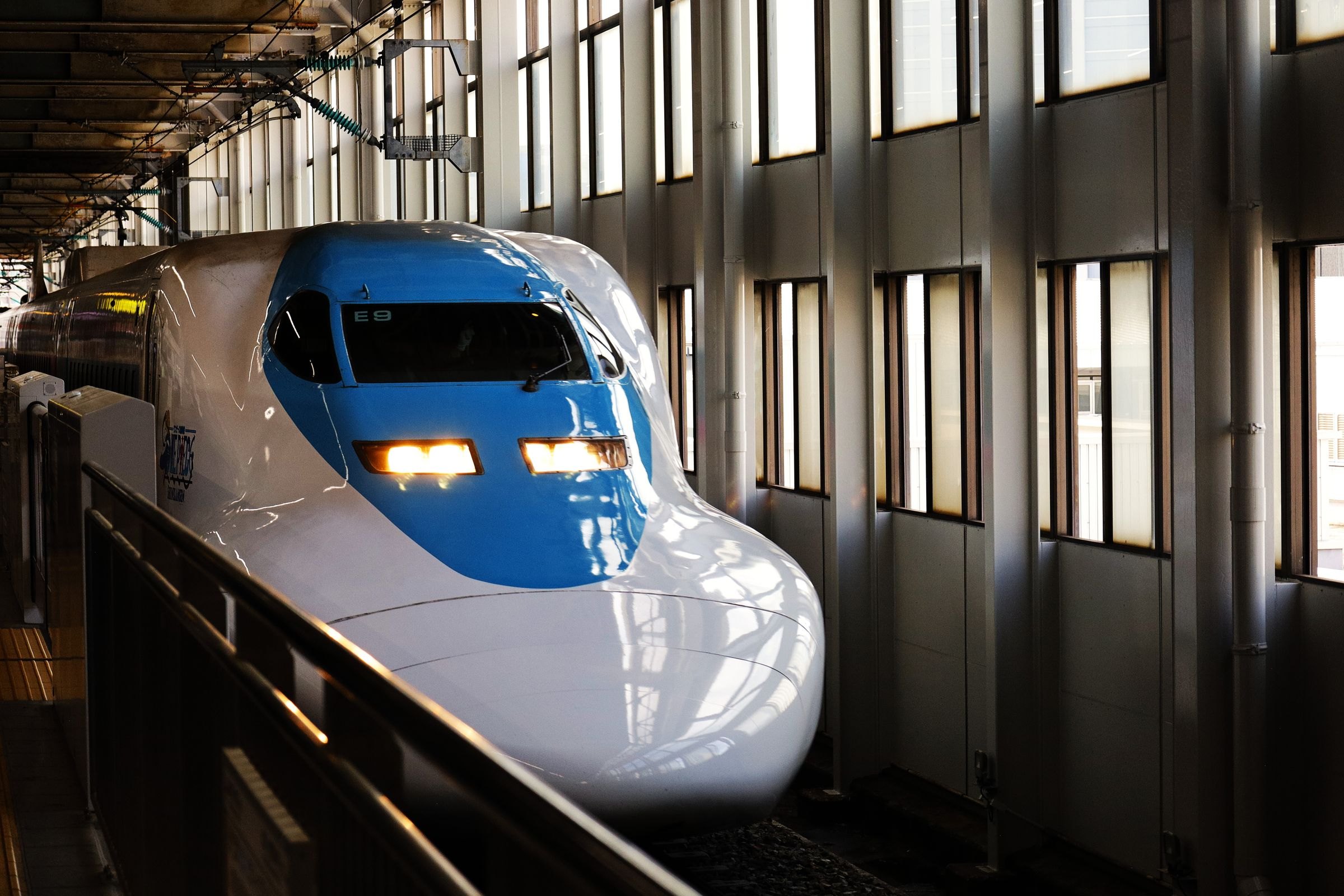
Osaka is the easiest base for day trips. Nara is about 45 minutes away, Kyoto 15 minutes by bullet train, and Himeji’s white castle, the finest original castle in Japan, about 30 minutes. If you’re flying in or out of Kansai airport, Osaka is the natural first or last stop.
Kyoto and Nara
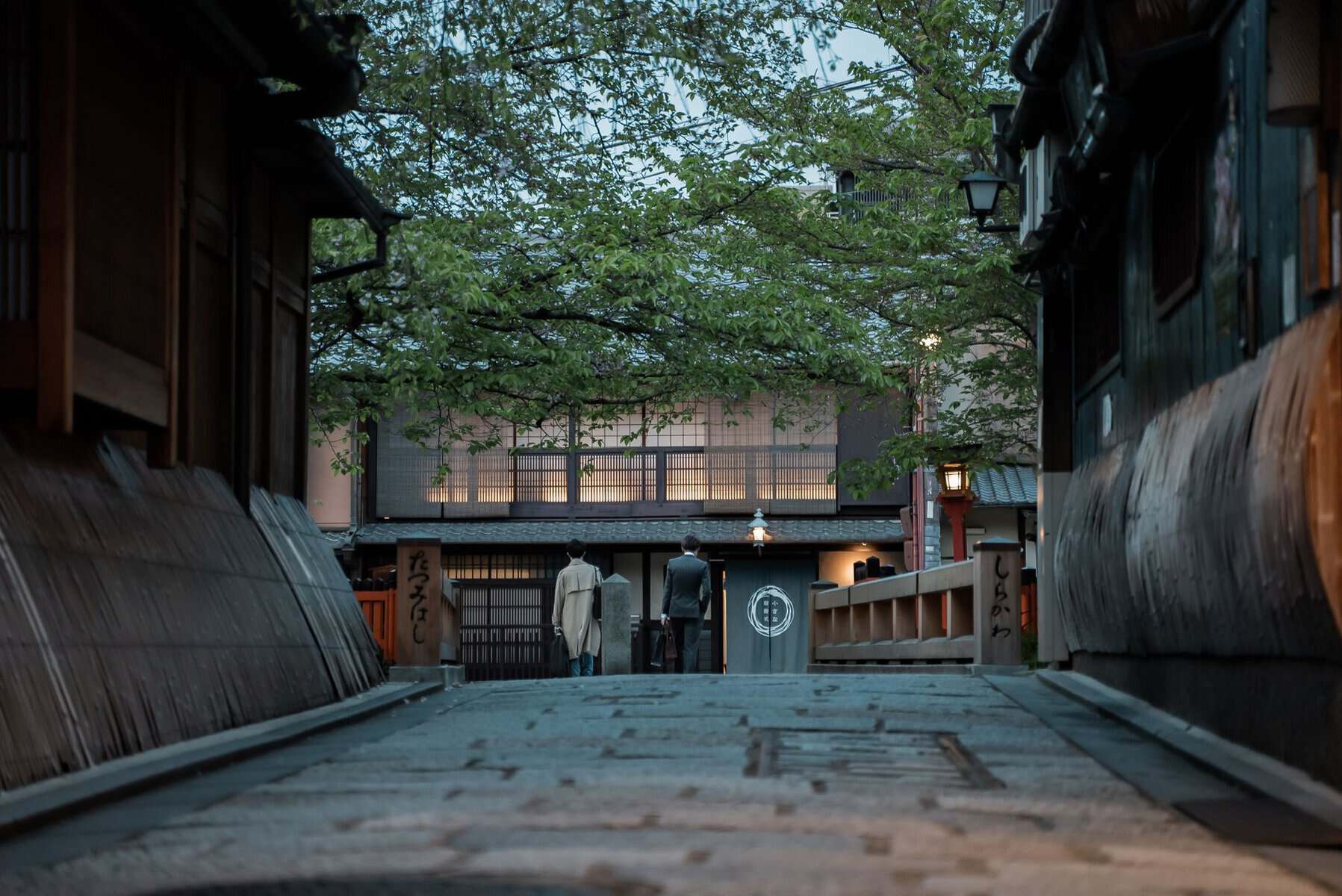
Kyoto is the cultural heart of a trip to Japan, with more than a thousand temples and shrines, geisha districts, gardens and a food culture built on the seasons. It has very little gay nightlife of its own. For a night out, Doyama in Osaka is 15 minutes away by bullet train or about half an hour by local express. Most couples don’t mind: Kyoto is for early mornings and long walks.
- Higashiyama and Gion: the most atmospheric place to stay, among wooden townhouses, close to Kiyomizu-dera and Yasaka Shrine. It is quiet at night.
- Central Kyoto, around Karasuma and Kawaramachi: shops, restaurants and the Kamo River, with easy buses and trains in every direction.
- Around Kyoto station: the practical choice for day trips and early trains, with less character.
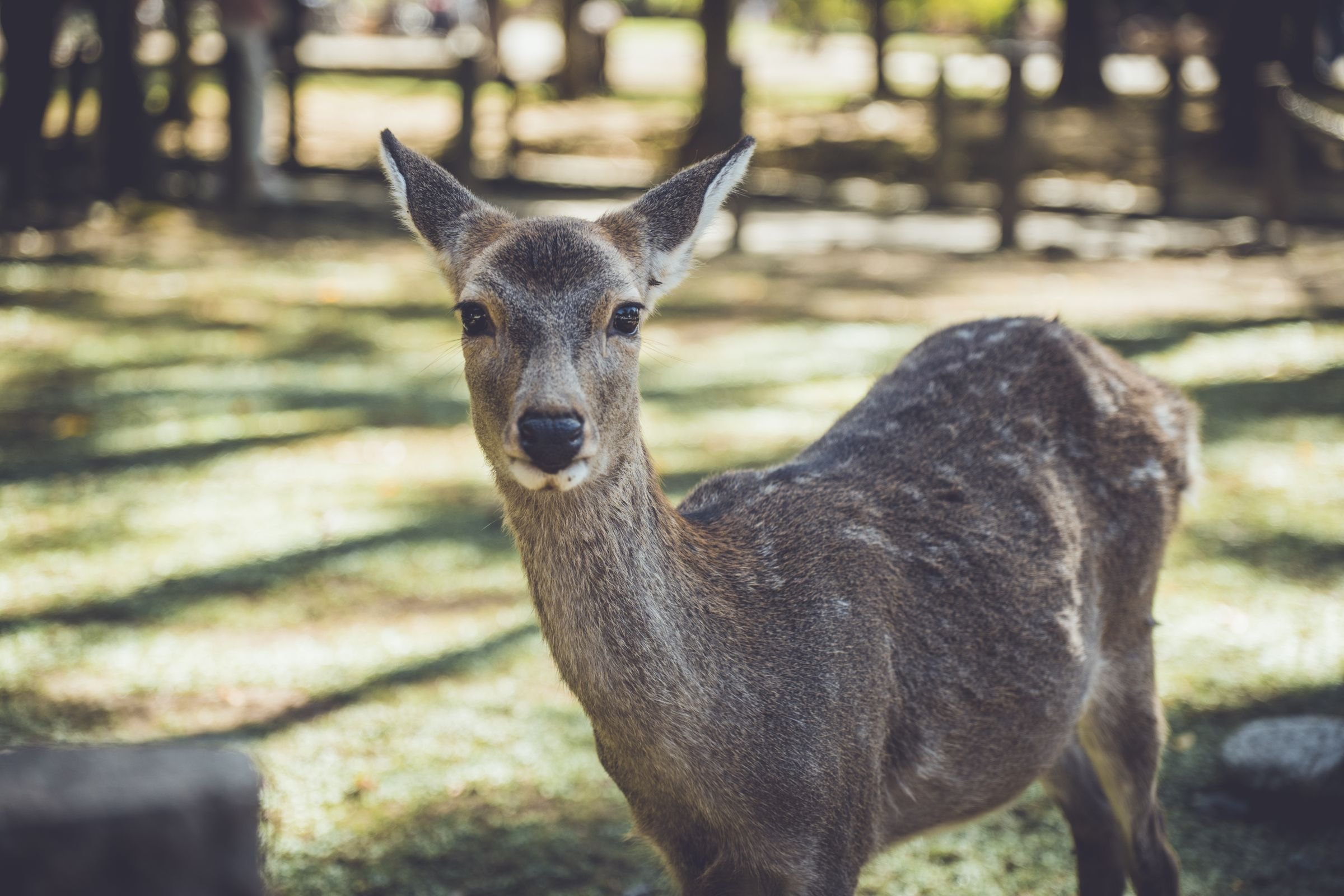
Plan three days at least: Fushimi Inari at sunrise and Higashiyama on the first, Arashiyama and the Golden Pavilion on the second, and a free day for gardens, a tea ceremony or the Nishiki food market. Nara, Japan’s first permanent capital, is an easy half or full day from Kyoto or Osaka: the deer roam the park around Todai-ji, the wooden hall that houses a 15-metre bronze Buddha.

Kyoto is busiest in cherry blossom season (late March and early April) and when the maples turn red (mid-November to early December). Book hotels well ahead for those weeks, and start each day early: the famous temples are calm before 8am and packed by 10am.
For blossom dates city by city, see our Japan cherry blossom season guide, and for escorted spring tours, Japan cherry blossom tours.
Hiroshima, Miyajima and Naoshima

Hiroshima and Miyajima
The Peace Memorial Park and museum are a powerful half day. A train and a ten-minute ferry take you to Miyajima, where the torii gate of Itsukushima Shrine seems to float at high tide. Staying on the island lets you see it lit up at night, after the day visitors have gone.

Naoshima
A small island turned into an open-air gallery, with museums designed by Tadao Ando, outdoor sculpture and Yayoi Kusama’s pumpkins. It is popular with gay couples who love art and architecture. Some museums need tickets booked ahead and many close on Mondays, so we plan the day around that.
Etiquette for same-sex couples
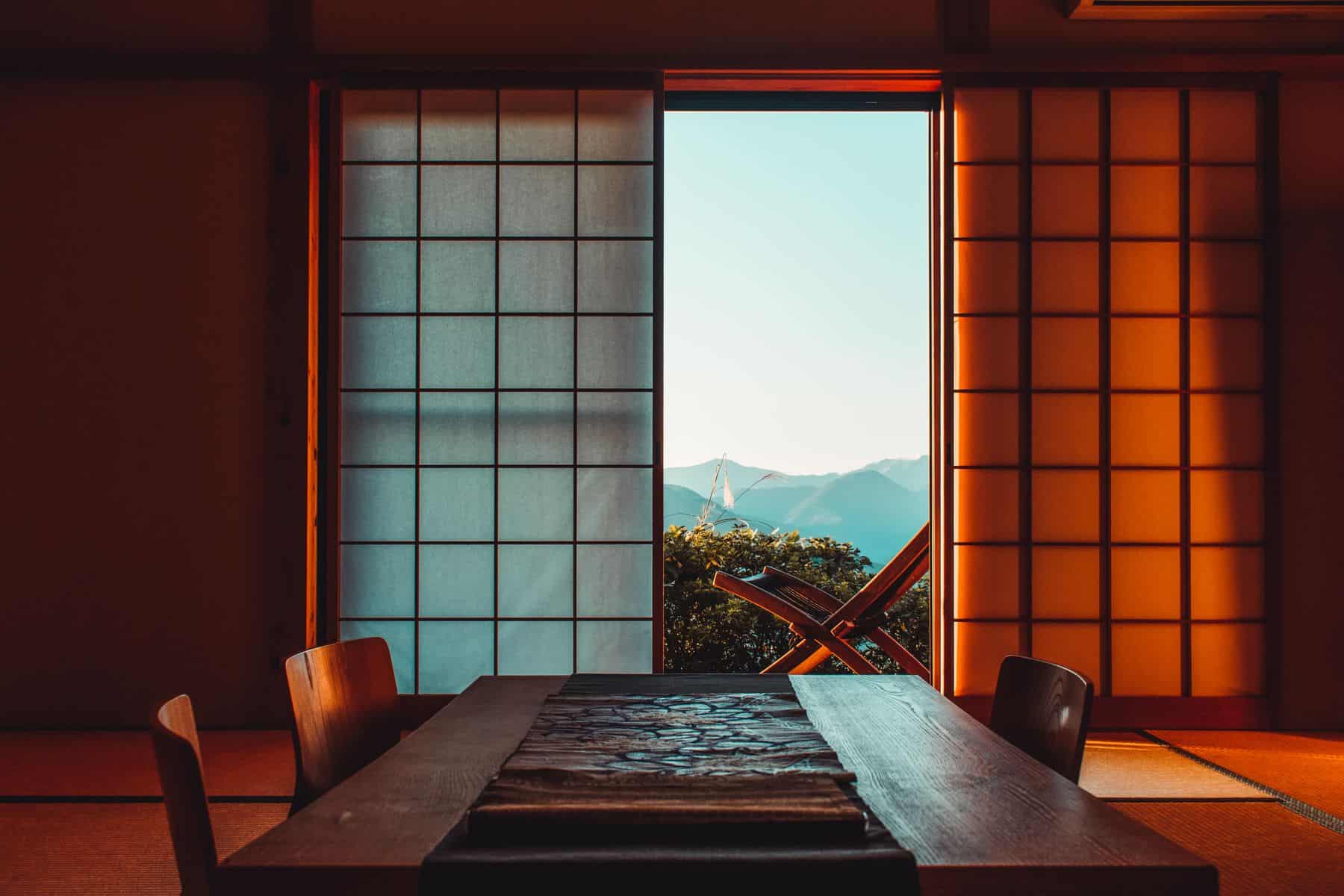
Booking a double bed. Ask for a double or king bed and get it confirmed in writing. Standard rooms in city hotels, especially business hotels, are small, and a “semi-double” is a single-and-a-half bed. A “twin” is two beds. A good hotel won’t blink at two men or two women asking for a double, and since 2018 hotels can’t refuse you because of your sexual orientation. In a ryokan you sleep on futons laid side by side on the tatami, so it never comes up.
Public affection. Japanese couples, gay or straight, rarely kiss or cuddle in public. Holding hands in Shinjuku or Shibuya draws no attention; a kiss on a train or in a temple would draw stares whoever you are. Save it for the bar or the hotel.
- Onsen and tattoos: public hot springs, and many gyms and hotel pools, still turn away people with tattoos, and tattoo-friendly public baths are rare. Japan’s tourist board recommends a kashikiri (private) bath, which you book at the front desk for a fee, or a room with its own bath. That is also the easiest way for a couple to bathe together.
- Onsen rules: public baths are separated by sex and you bathe naked. Wash thoroughly at the showers first, keep your small towel out of the water and don’t swim. Trans and non-binary travellers who would rather avoid separated baths can use private and in-room baths.
- Love hotels: these short-stay hotels are a Japanese institution, but some have turned away same-sex couples, male couples in particular, even though the 2018 guideline says they shouldn’t. In 2020 the city of Amagasaki reprimanded two that refused a gay couple. You don’t need them: the hotels we book are the real thing.
- Bar etiquette: expect a cover charge or a first-drink set, order from the counter, and ask before taking photos inside; many regulars won’t want to appear on social media.
- Dating apps: widely used in Tokyo and Osaka. Meet in a busy public place first.
- Everyday manners: take your shoes off where you see a step up or a row of slippers, don’t eat while walking in temple areas, and don’t tip; good service is included.

Tokyo Pride, Kansai Rainbow Festa and other dates
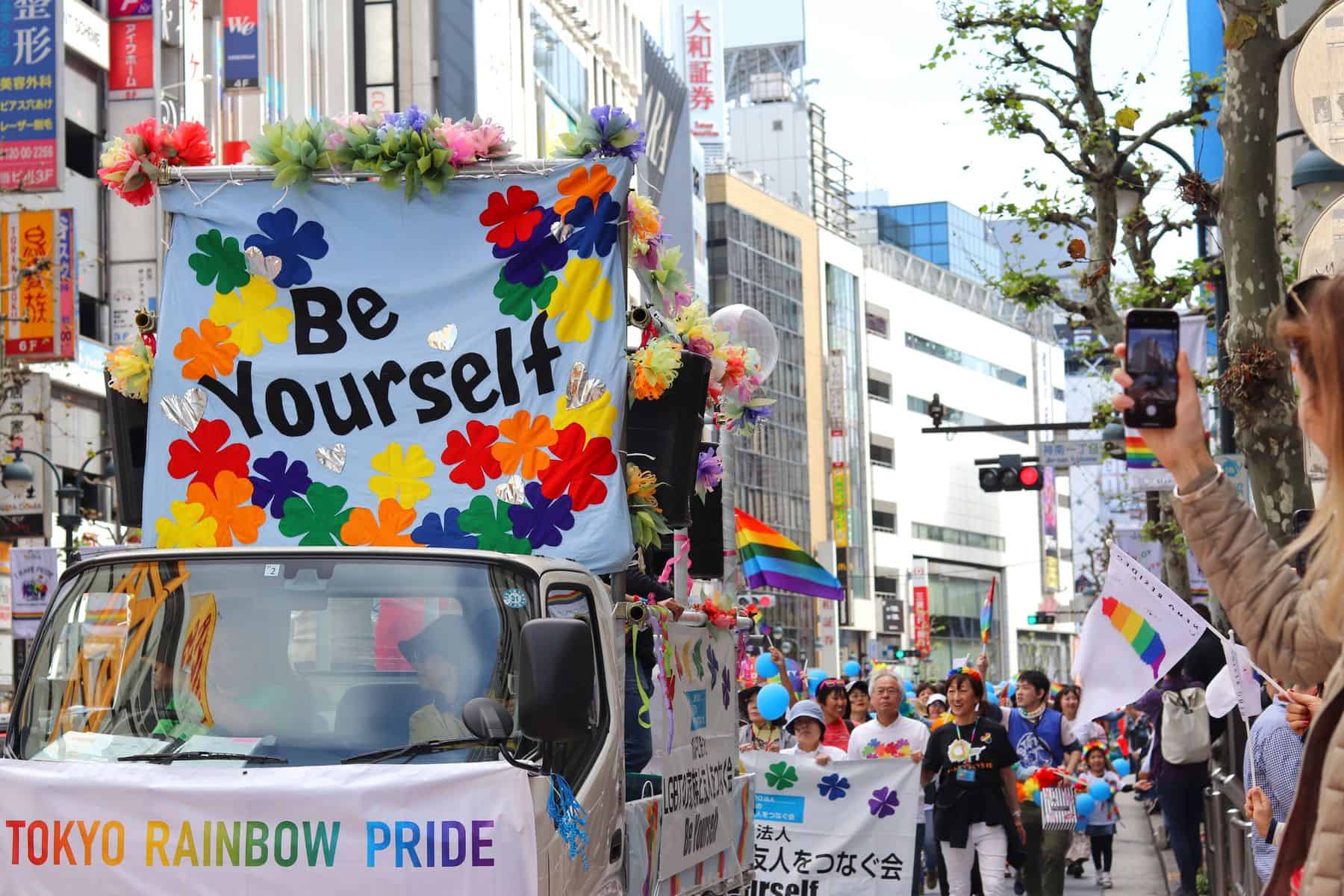
Tokyo Pride, the biggest LGBTQ+ event in Japan, is now held in June, in Pride Month. In 2026 the festival ran on 6 and 7 June at the Yoyogi Park event plaza, with the parade through Shibuya and Harajuku. The organisers have announced the 2027 festival for 5 and 6 June at Yoyogi Park, from 11am to 6pm, with a Pride Night in Ni-chome on the 6th and an art exhibition through June. The 2027 parade date hasn’t been published yet. Kansai Rainbow Festa, Osaka’s Pride, is usually held in the autumn; its 2027 dates aren’t out yet, so we confirm them when you book.
| Event | Where | When |
|---|---|---|
| Tokyo Pride festival | Yoyogi Park, Tokyo; parade through Shibuya and Harajuku | 5 and 6 June 2027 (2026: 6 and 7 June) |
| Kansai Rainbow Festa | Osaka | Usually autumn; 2027 dates to be confirmed |
| Cherry blossom (hanami) | Tokyo, Kyoto, Osaka and most of Honshu | Late March to early April |
| Autumn leaves (koyo) | Kyoto, Nikko, Hakone | Mid-November to early December |
| Golden Week (busy, best avoided) | Nationwide | Late April to early May |
| Obon and New Year (busy) | Nationwide | Mid-August; around 1 January |
When to go
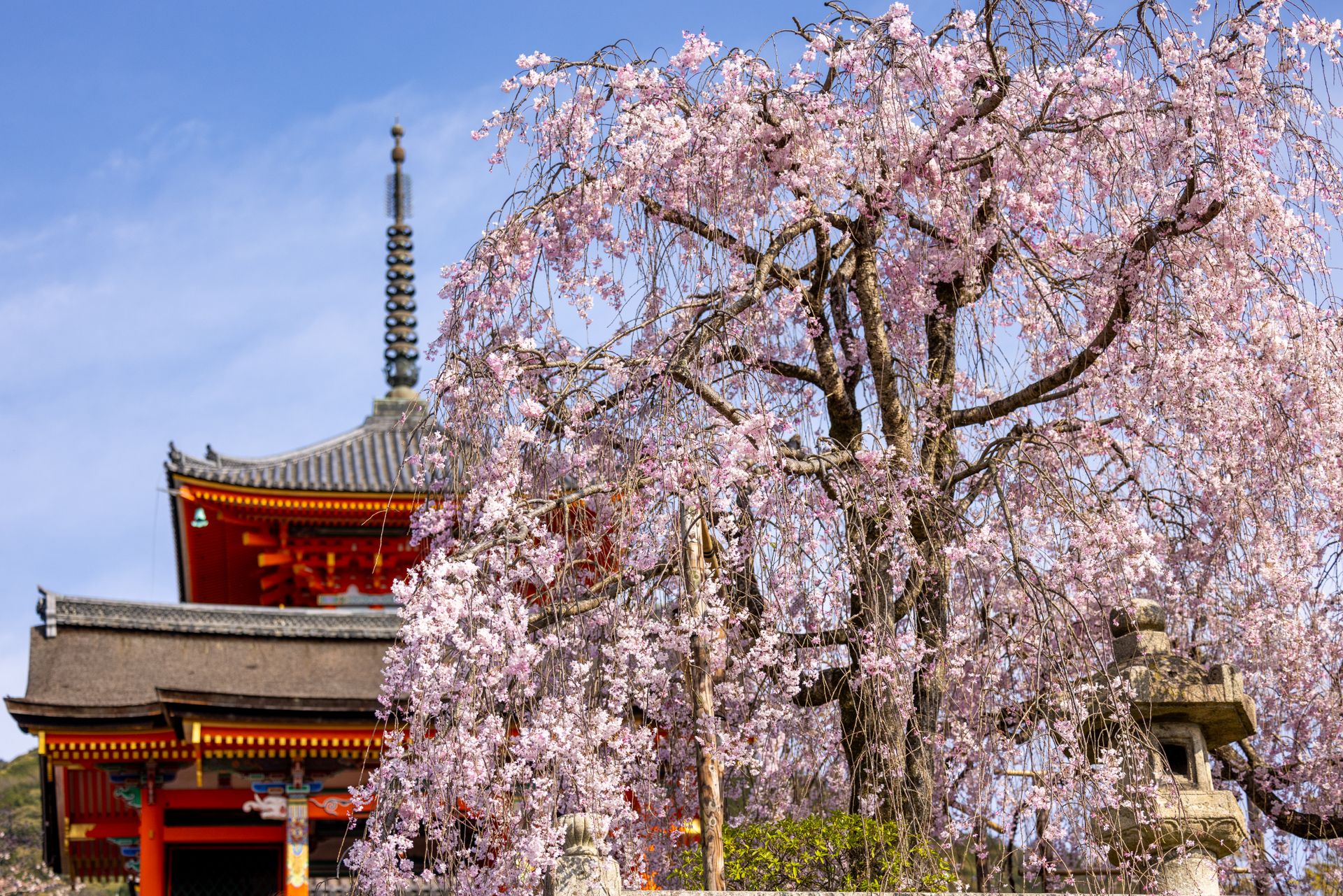
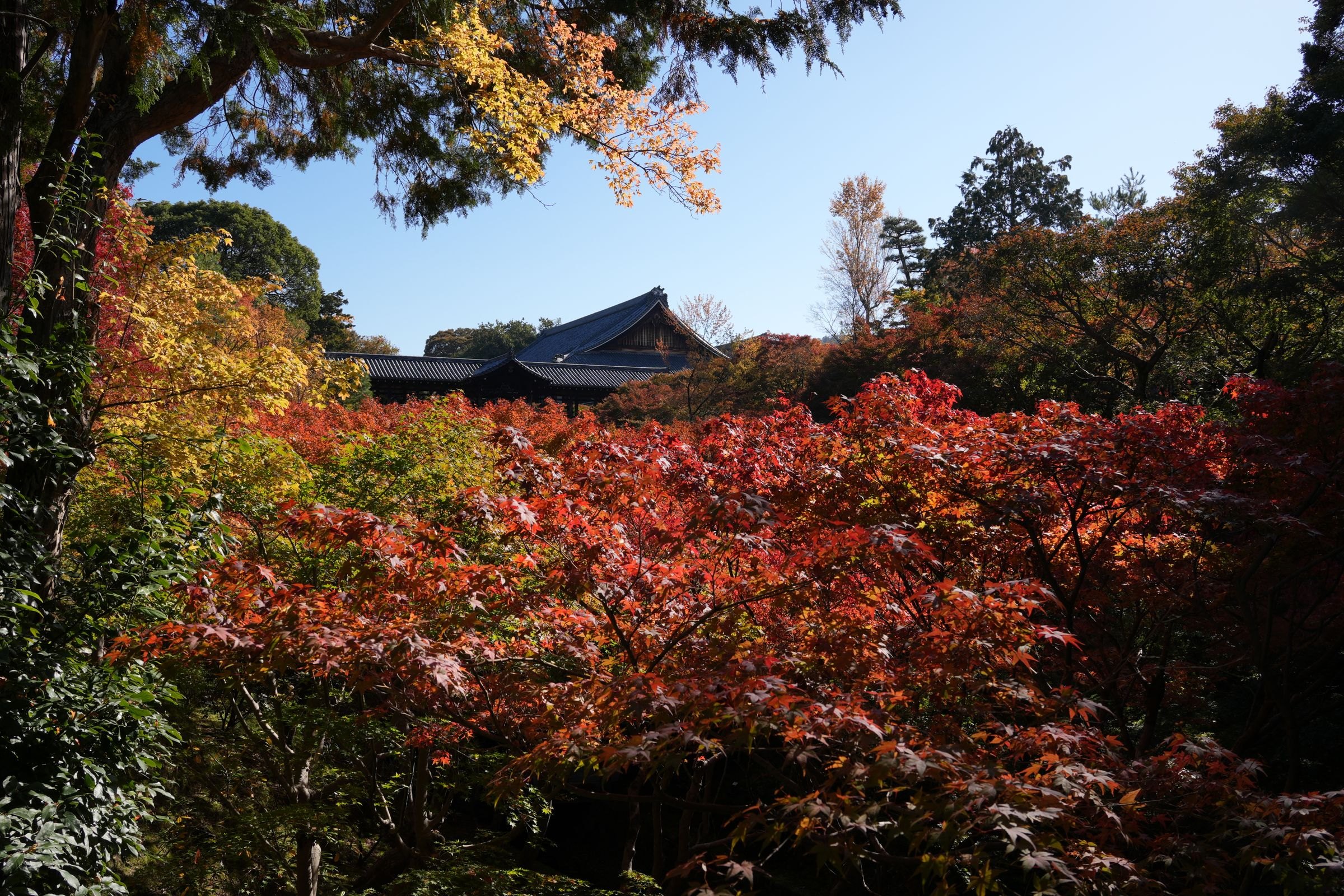
Spring (late March to May) and autumn (October to early December) are the best times for a Tokyo to Osaka trip, with mild days and the blossom or the maples. They are also the busiest and most expensive, so book six to nine months ahead. June brings the rainy season, July and August are hot and humid, and September and October can bring typhoons. Winter is cold, dry and clear in Tokyo and Kyoto, with fewer visitors and the best views of Mount Fuji. Temperatures and rainfall below are monthly averages for 2014 to 2023.
| Month | Tokyo (high / rain) | Kyoto (high / rain) | What to expect |
|---|---|---|---|
| January | 9°C / 55 mm | 8°C / 65 mm | Cold, dry, clear skies; quiet after New Year |
| February | 10°C / 70 mm | 9°C / 60 mm | Cold and dry; plum blossom late in the month |
| March | 14°C / 125 mm | 14°C / 120 mm | Warming; cherry blossom from the last week |
| April | 18°C / 130 mm | 18°C / 155 mm | Blossom early in the month; Golden Week starts at the end |
| May | 23°C / 120 mm | 24°C / 155 mm | Warm and green; the 2027 group tours run |
| June | 26°C / 190 mm | 27°C / 225 mm | Rainy season; Tokyo Pride |
| July | 30°C / 185 mm | 30°C / 255 mm | Hot and humid; rain eases late in the month |
| August | 31°C / 135 mm | 32°C / 220 mm | Hottest month; Obon holidays |
| September | 27°C / 210 mm | 27°C / 205 mm | Still warm; typhoons possible |
| October | 21°C / 200 mm | 21°C / 180 mm | Pleasant; typhoons possible early on |
| November | 17°C / 100 mm | 16°C / 80 mm | Crisp and clear; autumn leaves from mid-month |
| December | 11°C / 60 mm | 10°C / 70 mm | Maples linger early; winter light and illuminations |
Getting there and getting around
- Flights: direct flights from London Heathrow to Tokyo take about 14 hours. For an open-jaw trip, fly into Tokyo and home from Osaka Kansai, usually with one stop.
- Entry: British passport holders get a visa on arrival for a holiday of up to 90 days. Your passport must be valid for the length of your stay.
- Bullet trains: Tokyo to Kyoto takes about 2 hours 15 minutes, Kyoto to Osaka 15 minutes and Osaka to Hiroshima about 1 hour 30. We book reserved seats in advance for you.
- City travel: a rechargeable IC card covers trains, the underground and buses in every city on this route and pays in convenience stores.
- Luggage: send big cases ahead by courier, hotel to hotel, usually overnight. Bullet trains have limited space for large bags.
- Our prices: private trips are quoted with flights from the UK; group tours are sold land only, and we add flights and extra nights.
Respect and safety
- Carry your passport: by law, visitors must carry their passport at all times, and the police can detain you if you can’t show it.
- Drugs: Japan has zero tolerance. British nationals convicted of drug trafficking have been jailed for 6 to 17 years, and a positive blood test alone can lead to a charge. The drugs used in chemsex are all illegal.
- Medicines: some common prescription and over-the-counter medicines from the UK are illegal in Japan. Check every medicine you plan to bring against Japanese customs rules before you pack.
- Nights out: drink spiking has been reported, so don’t accept drinks from strangers or leave yours unattended. Check prices before you go into a bar, especially around Kabukicho and Roppongi.
- Health: take proper travel insurance; medical care is excellent but expensive.
Check the current FCDO Japan travel advice before you book and again before you travel.
More gay holidays in Asia and beyond
Combining Japan with somewhere warmer? Our gay Thailand tours page covers Bangkok, Phuket and equal marriage since 2025, and LGBTQ+ group tours 2027 lists every departure we sell, worldwide. Women travelling together will find the women-only cruises and resort weeks on lesbian holidays, and LGBTQ+ friendly countries compares the law country by country, from equal marriage to criminalisation.
Plan your gay Japan trip
Tell us when you’d like to go, how long you have and what matters most, from the blossom and a ryokan to nights out in Tokyo and Osaka. Our Travel Designers will build a private trip with flights from the UK, or find you a place on a 2027 group tour.
Frequently asked questions
Is Japan gay friendly?
Largely yes. Same-sex relations are legal, Japan is very safe, and Tokyo, Osaka and Kyoto are used to gay visitors. Same-sex marriage is not yet legal, but local partnership certificates cover more than 90% of the population, and there is no national anti-discrimination law. Japanese people are reserved in public, so expect discretion rather than hostility.
Is same-sex marriage legal in Japan?
Not yet. Japan has no same-sex marriage or national civil partnership, but 530 local governments issue partnership certificates. Five high courts have ruled the marriage ban unconstitutional, one upheld it in November 2025, and the Supreme Court is expected to rule in early 2027.
Where is the gay area in Tokyo?
Shinjuku Ni-chome, east of Shinjuku station, near Shinjuku-sanchome station. About 300 gay bars and clubs are packed into five blocks around Naka-dori. Most are tiny counter bars with a cover charge or a one-drink minimum.
Where is the gay area in Osaka?
Doyama, just east of Umeda in the Kita district, a short walk from Osaka and Umeda stations. It has at least 100 bars and is often described as more relaxed than Tokyo's Ni-chome.
Can a same-sex couple book a double bed in a Japanese hotel?
Yes. Since 2018 hotels may not refuse guests because of their sexual orientation, and good hotels are used to same-sex couples. Ask for a double or king bed and get it confirmed in writing, because many standard city rooms have a smaller semi-double or twin beds.
Can I go to an onsen with tattoos?
Many public hot springs, gyms and pools still refuse people with tattoos. The easy answer is a private bath (kashikiri) or a room with its own hot-spring bath, which we book for you in the ryokan.
When is Tokyo Pride?
Tokyo Pride is held in June. The 2027 festival is on 5 and 6 June at Yoyogi Park; in 2026 it ran on 6 and 7 June, with the parade through Shibuya and Harajuku.
Do you sell gay group tours to Japan?
Yes, but there are few. In 2027 we can book spring departures for LGBTQ+ travellers in May and a women's cruise from 31 March to 10 April, several already on waiting lists. Most couples choose a private, tailor-made Japan trip, which we arrange with flights from the UK.
Keep planning
- Japan holidays
- Japan holiday guide
- Japan cherry blossom season 2027
- Japan cherry blossom tours
- Japan tours compared
- Takayama guide
- Kanazawa guide
- LGBTQ+ group tours 2027: every date and price
- LGBTQ+ friendly countries, and where being gay is illegal
- Gay Thailand tours and holidays
- Gay cruises
- Lesbian holidays and women-only LGBTQ+ trips
- Gay holidays: LGBTQ+ friendly destinations
- Pride 2027 calendar: EuroPride Turin, Amsterdam, Maspalomas and every date
Talk to a Travel Designer
Private Japan trips with flights from the UK, or a place on a 2027 LGBTQ+ group tour, booked in one place.
Make an enquiry Japan holidays