Sardinia in brief
- The Costa Smeralda, La Maddalena, Alghero, Cagliari and the Gulf of Orosei are the main areas, with a wild interior in between.
- Some of the Mediterranean’s best beaches; the most famous, such as La Pelosa, now need booking in summer.
- About 2.5 hours from the UK to Olbia, Alghero or Cagliari; a hire car is the easiest way round.
- Best from late May to June and in September; July and August are hot and busy.
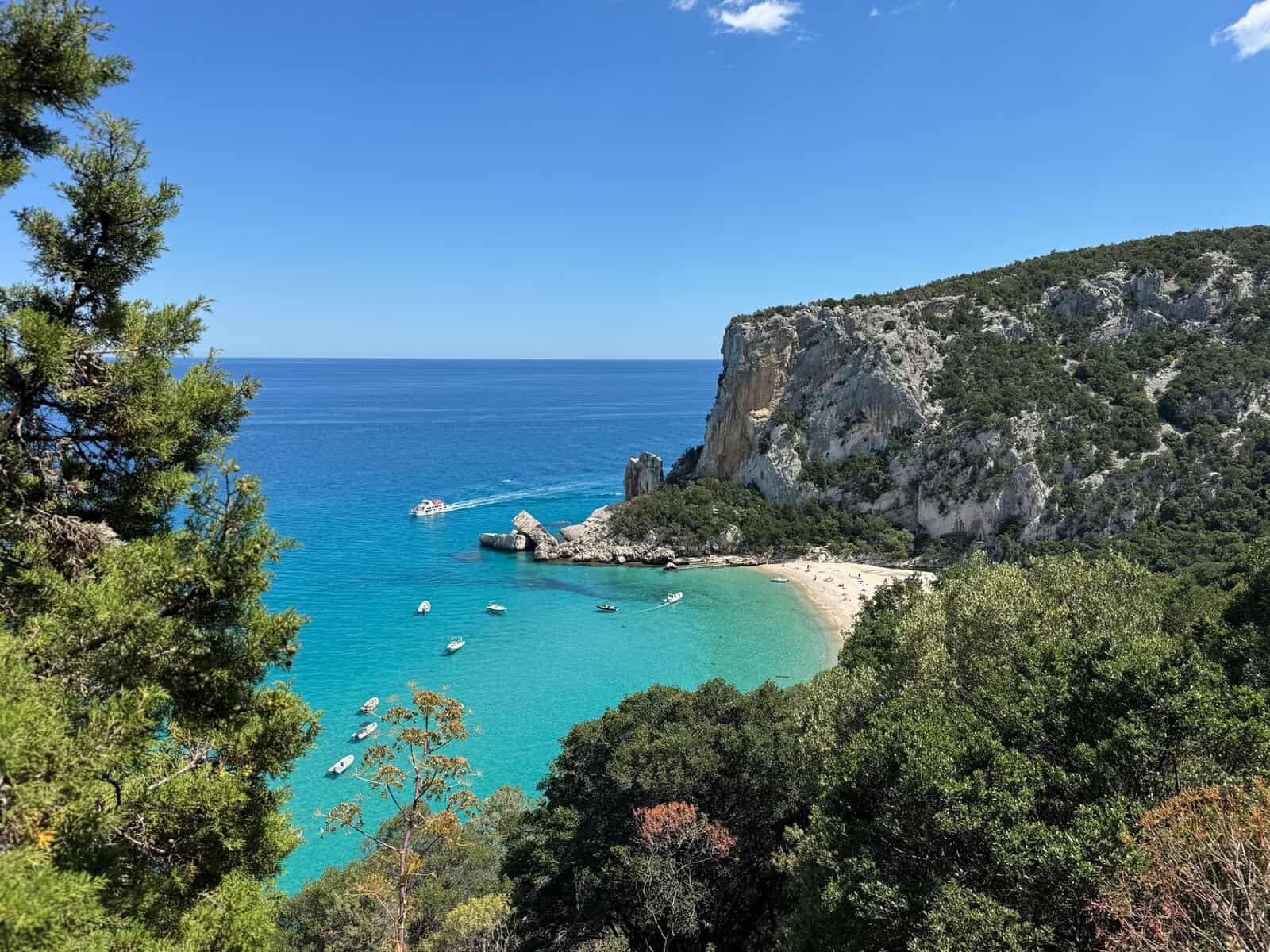
Sardinia has some of the clearest sea and finest beaches in the Mediterranean, but there is far more to it than the coast. Inland are wild granite and limestone mountains, shepherds’ villages, cork and oak forests and thousands of mysterious Bronze Age stone towers found nowhere else on earth. It has its own language, its own food and a culture that feels quite separate from mainland Italy. This guide covers where Sardinia is, the regions from the Costa Smeralda and La Maddalena to Alghero, Cagliari and the Gulf of Orosei, the best beaches, things to do, the food, the best time to visit, getting there from the UK, where to stay and sample routes.
Where is Sardinia?
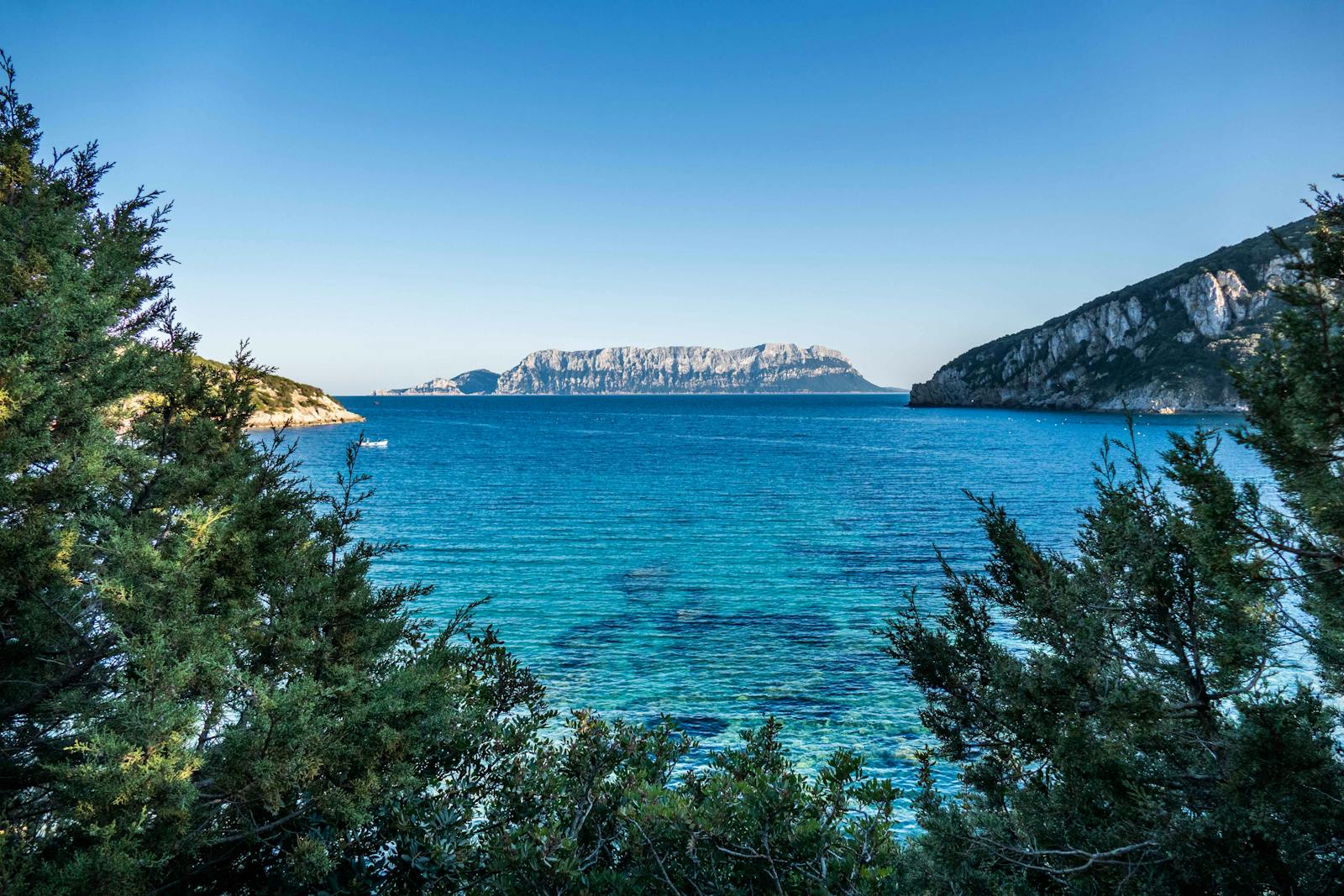
Sardinia is an Italian island in the western Mediterranean, about 200 km off the Tuscan and Lazio coast and just 12 km south of the French island of Corsica, across the Strait of Bonifacio. It is one of Italy’s 20 regions and, like Sicily, has special autonomous status. Its capital is Cagliari, on the south coast.
At about 24,000 km² it is the second-largest island in the Mediterranean after Sicily, and much emptier: around 1.6 million people, with long stretches of coast and mountain that are barely developed. Distances are bigger than they look, so it helps to pick one or two areas rather than trying to see it all.
Sardinians speak Italian, but many also speak Sardinian, a distinct Romance language, and in Alghero you’ll still hear a form of Catalan, a legacy of centuries of Aragonese rule.
Where to go in Sardinia

The Costa Smeralda and Gallura
The “Emerald Coast” is a stretch of granite headlands and small sandy bays between Olbia and Arzachena, developed from the 1960s as a low-rise, discreetly luxurious resort. Porto Cervo is its yachting hub, busiest in July and August. Around it, the Gallura region has wind-sculpted granite, cork forests and vineyards producing Vermentino. San Teodoro and Budoni, to the south, have long sandy beaches and suit families.
The La Maddalena archipelago
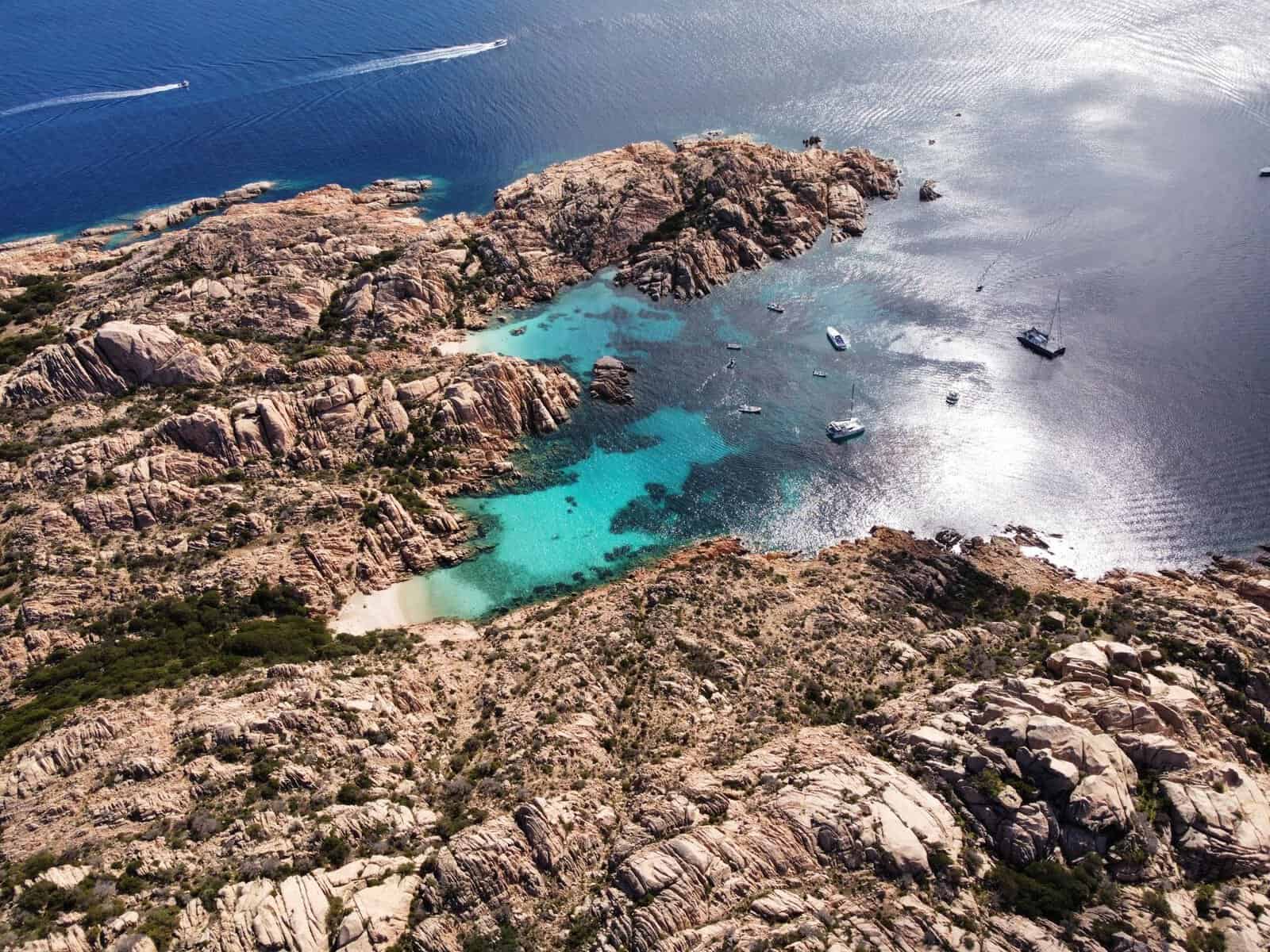
Seven main islands and dozens of islets off Palau, protected as a national park. A short ferry crosses to La Maddalena town, and a causeway links it to Caprera, with its pine woods and coves. The best way to see the archipelago is by boat, swimming in water that is startlingly clear over white sand. The famous pink beach on Budelli is closed to visitors and can only be seen from the sea.

Alghero and the north-west
A walled old town on the sea, with Catalan street names, a Gothic-Catalan cathedral and ramparts that are perfect for an evening stroll. Nearby, the cliffs of Capo Caccia hide Neptune’s Grotto, reached by boat from Alghero or down more than 600 steps cut into the cliff. Further north is Stintino and the beach of La Pelosa; inland and along the coast are Castelsardo on its rock and the riverside town of Bosa, with its pastel houses below a castle.
Cagliari and the south
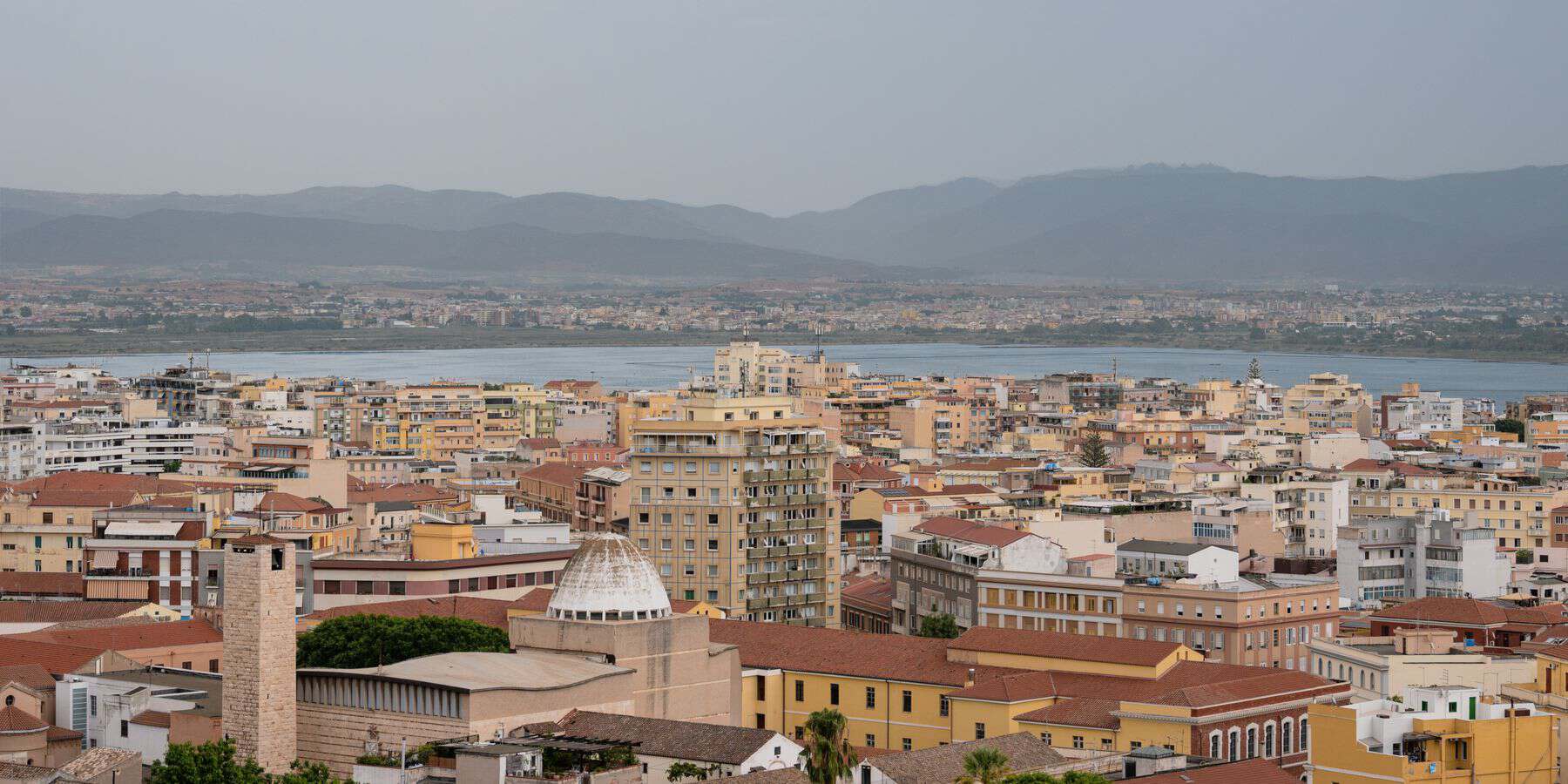
Sardinia’s capital is a lively, underrated city. Climb to the walled Castello quarter for the cathedral, the archaeological museum and views from the terraces, then come down to the arcaded Via Roma and the city beach of Poetto. Flamingos feed in the lagoons on the edge of the city. East of Cagliari is Villasimius and its white beaches; to the south-west, the dunes and coves of Chia and the Roman ruins of Nora.
The Gulf of Orosei and Ogliastra
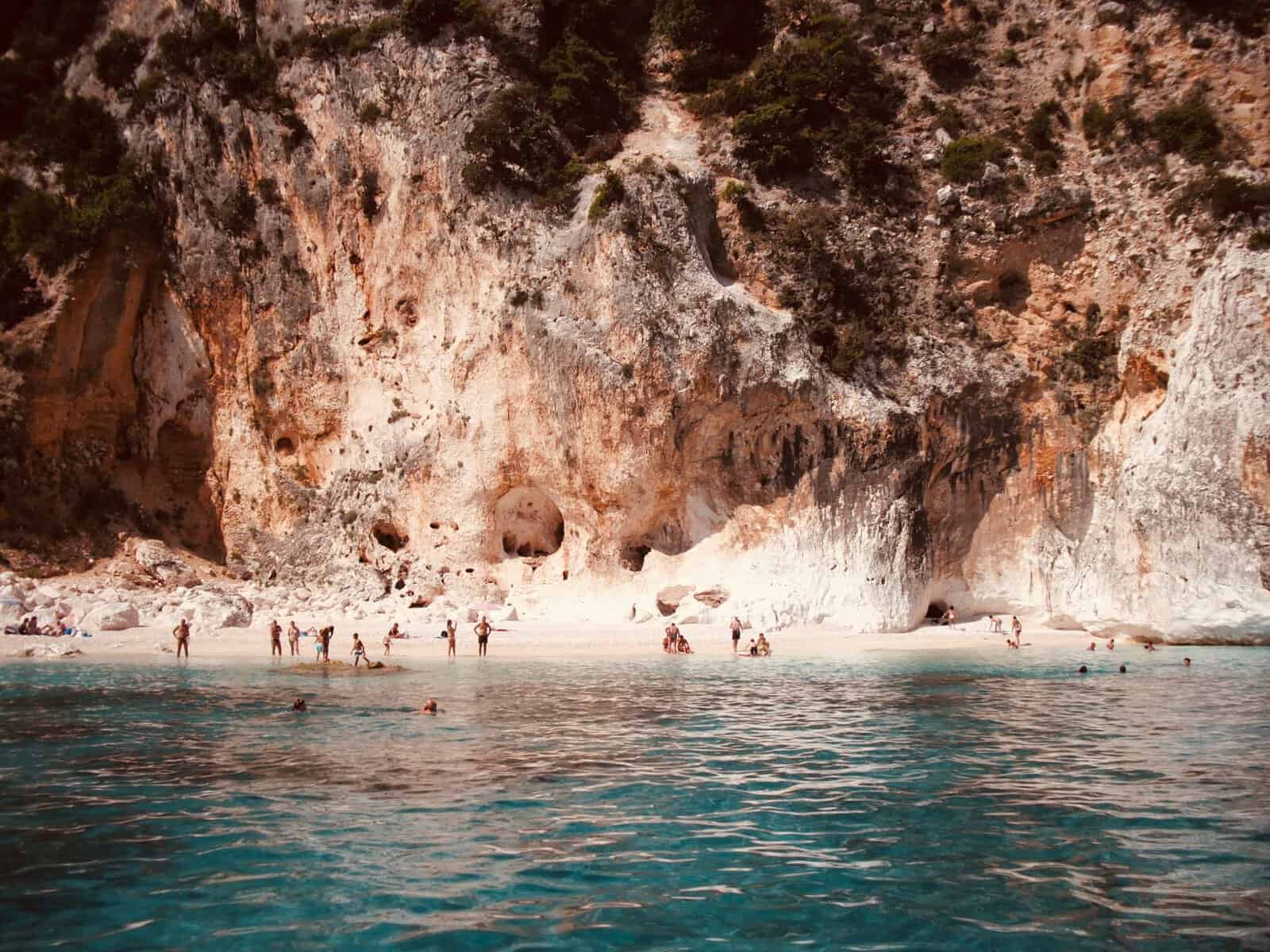
The wildest coast in Sardinia: 40 km of limestone cliffs dropping into the sea, with coves that can only be reached by boat or on foot. Boats leave from Cala Gonone and Santa Maria Navarrese for beaches such as Cala Luna, Cala Mariolu and Cala Goloritzé, whose limestone pinnacle is a famous climb. The mountains behind, the Supramonte, hide the Gorropu gorge, one of the deepest canyons in Europe.
The interior and the Barbagia
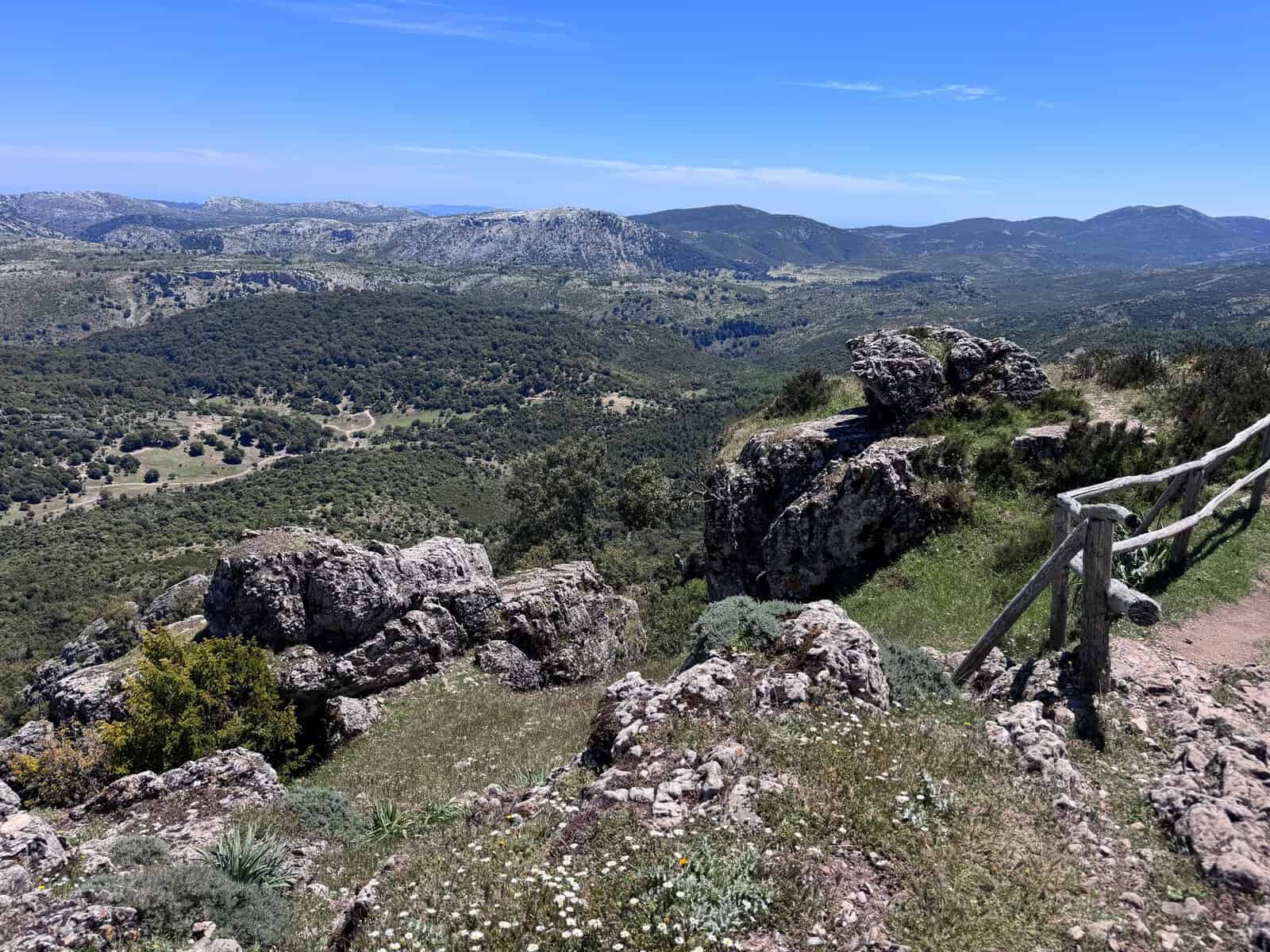
The mountainous heart of the island, around the Gennargentu massif, is shepherd country, with stone villages, ancient festivals and some of the longest-lived people in the world. Visit the murals of Orgosolo, the carnival masks of Mamoiada and the nuraghe of Su Nuraxi at Barumini, further south. Few visitors make it here, which is half the appeal.
The best beaches in Sardinia

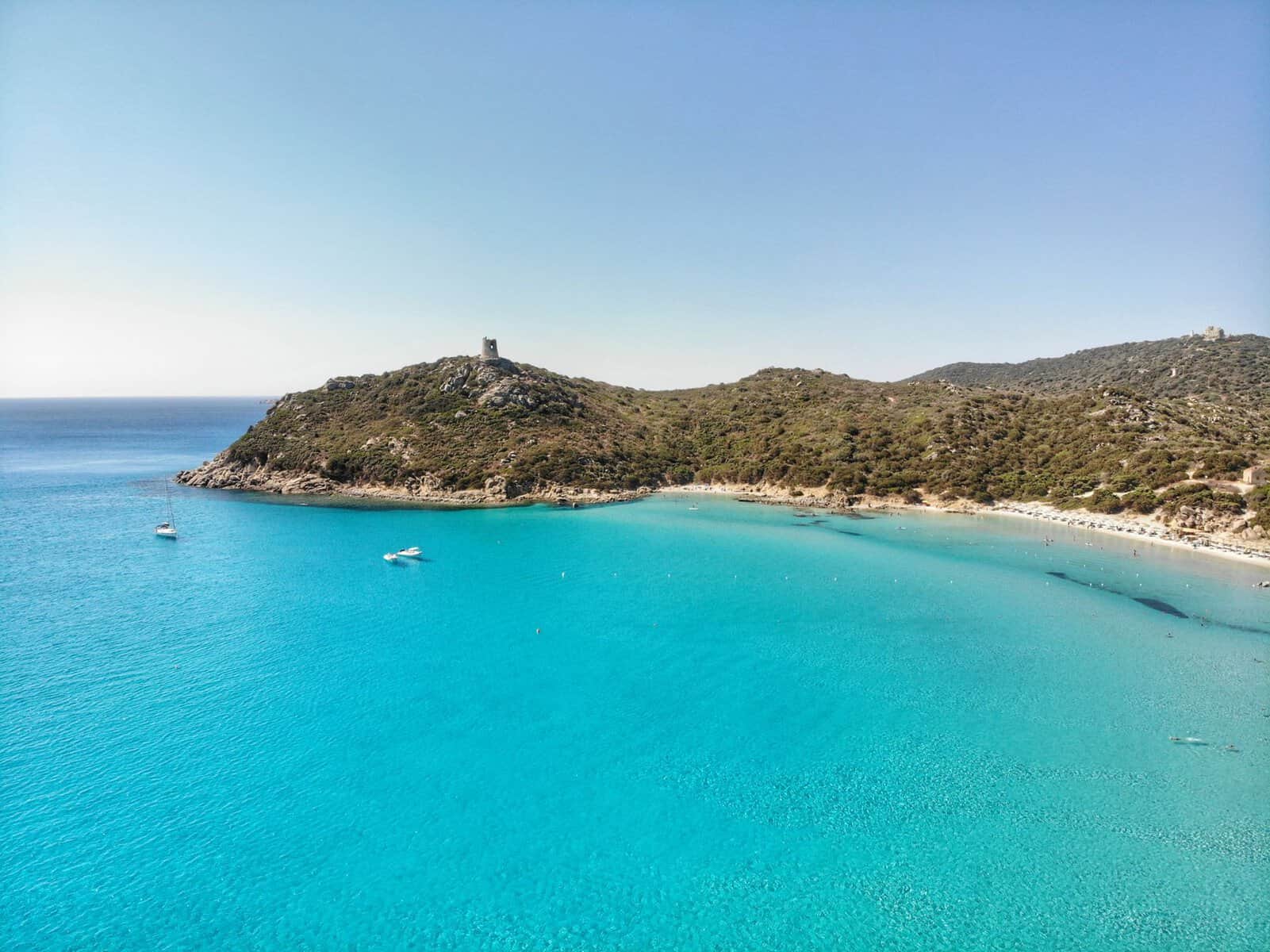

Sardinia has hundreds of beaches, and the right one depends on the wind: when the mistral blows from the north-west, head for the east coast, and vice versa. Some favourites:
- La Pelosa, Stintino (north-west): shallow, glassy water and white sand facing a 16th-century watchtower. Numbers are capped in summer and you need to book a place online in advance.
- The Gulf of Orosei (east): Cala Luna, Cala Mariolu, Cala Biriola and Cala Goloritzé, best reached by boat from Cala Gonone or Santa Maria Navarrese. Cala Goloritzé is also reached by a steep hour-long path, and access is booked and limited in season.
- La Maddalena and the Costa Smeralda (north-east): small coves among pink granite, such as Cala Coticcio on Caprera, Capriccioli and Liscia Ruja. Cala Brandinchi, near San Teodoro, is nicknamed “little Tahiti”.
- Villasimius and Chia (south): long white beaches with dunes and lagoons behind, including Porto Giunco, Tuerredda and Su Giudeu.
- The Costa Verde (south-west): wild, empty beaches backed by some of the highest sand dunes in Europe, at Piscinas.
- Is Arutas (west): a beach of tiny polished quartz grains, near the Phoenician-Roman ruins of Tharros.
Taking sand, shells or pebbles from Sardinian beaches is illegal and can lead to heavy fines, and several popular beaches now limit numbers, charge a small fee or ban towels directly on the sand. Rules change from year to year, so check before you go or ask us.
Things to do in Sardinia
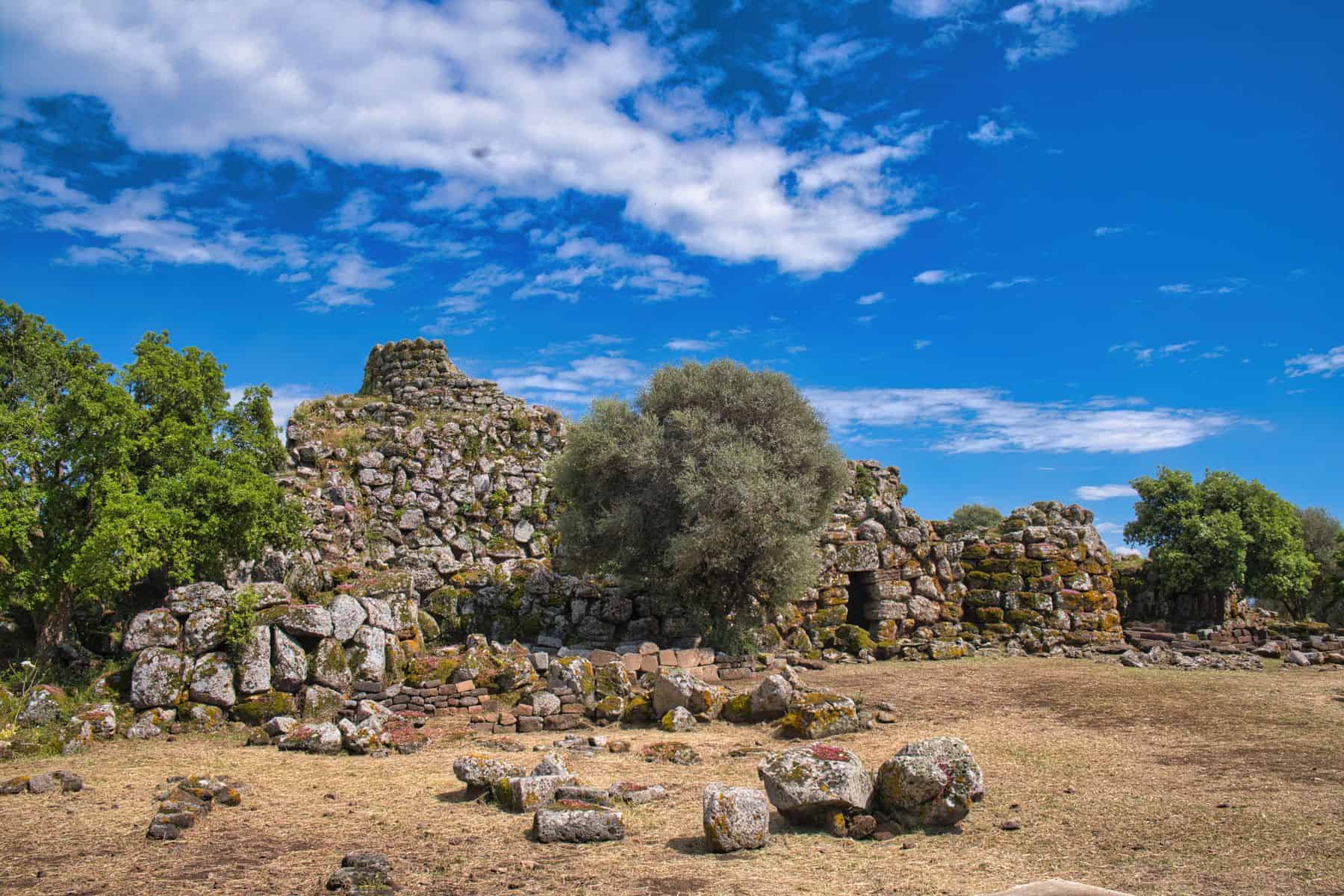
See the nuraghi. Sardinia has thousands of nuraghi, cone-shaped stone towers built by the Nuragic people from around 1600 BC. The finest, Su Nuraxi at Barumini, is a UNESCO World Heritage Site, a fortress of towers surrounded by a village of round huts. Santu Antine near Torralba is another great example. See the bronze figurines they left behind in Cagliari’s archaeological museum.
Take a boat trip. Around La Maddalena, along the Gulf of Orosei or to Neptune’s Grotto at Capo Caccia. A private boat for the day is one of the great Sardinian experiences.
Walk and climb. Hike into the Gorropu gorge or along the coastal paths of the Gulf of Orosei; serious walkers tackle the multi-day Selvaggio Blu, one of Italy’s toughest treks. Spring and autumn are best.
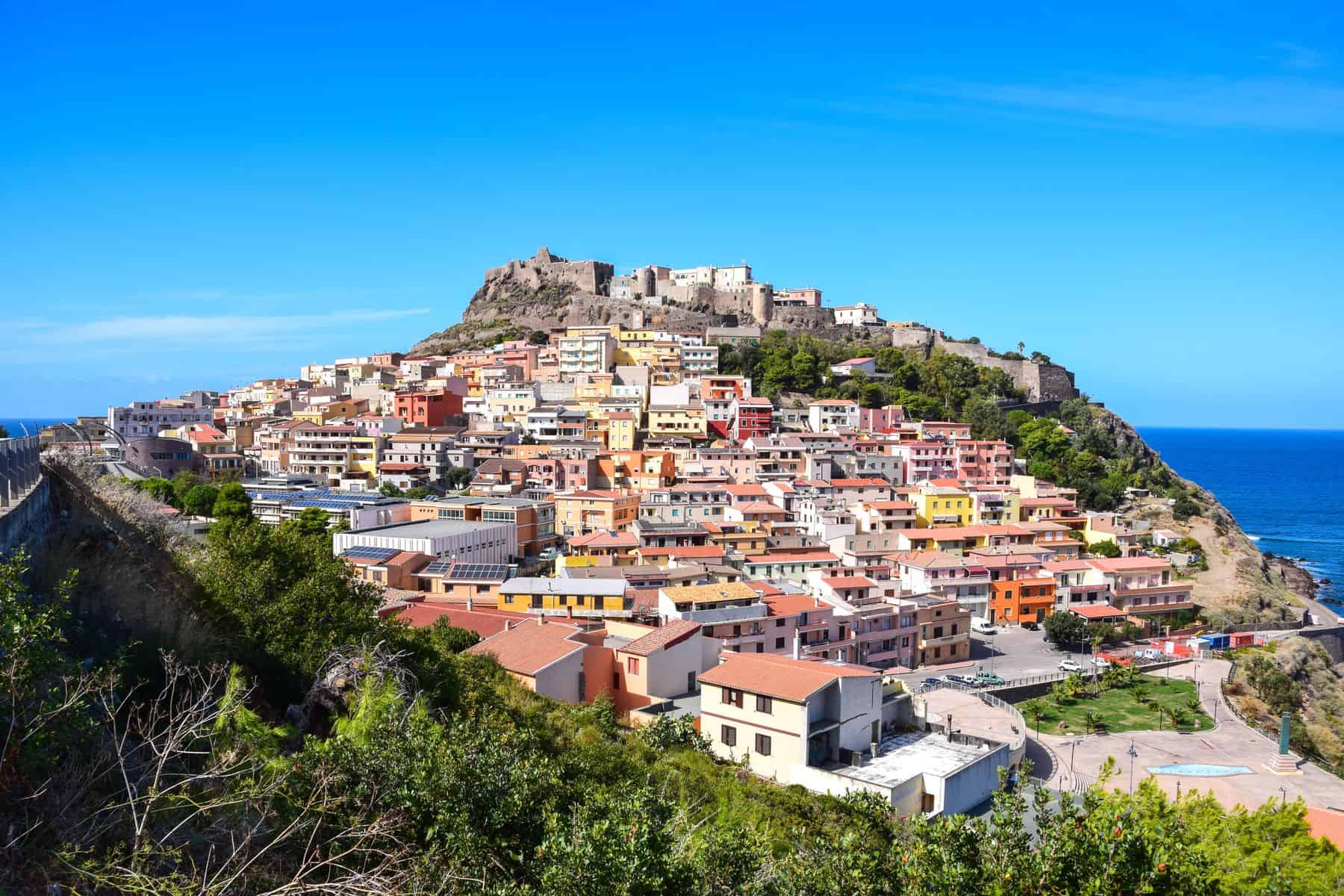


- Explore the towns: Alghero’s ramparts at sunset, Cagliari’s Castello quarter, Bosa’s pastel riverside and Castelsardo’s castle and basket weavers.
- Ancient sites: the Phoenician and Roman cities of Nora and Tharros, both right by the sea, and the sacred wells and giants’ tombs of the Nuragic people.
- Festivals: the procession of Sant’Efisio in Cagliari on 1 May, one of the largest in the Mediterranean, the Cavalcata Sarda horse parade in Sassari in May, and carnival in Mamoiada, with its masked mamuthones.
- Wine and food: tastings of Cannonau in the east and Vermentino in Gallura, and a long lunch in an agriturismo in the hills.
- Watersports: sailing around the north-east, windsurfing and kitesurfing at Porto Pollo near Palau, and diving at Capo Carbonara and Tavolara, both marine protected areas.
Sardinian food and wine
Sardinian cooking comes from the hills more than the sea. The great dish is porceddu, suckling pig slow-roasted over myrtle wood. Pasta is distinctive: culurgiones, potato and mint-filled parcels sealed with a braided edge; malloreddus, small ridged gnocchi with sausage and tomato; and fregola, toasted pasta pearls often cooked with clams. Shepherds’ pane carasau, a paper-thin crisp flatbread, comes with everything, and pecorino sardo and fiore sardo are the island’s sheep’s cheeses. On the coast, try lobster in Alghero, grey mullet roe (bottarga) grated over pasta, and tuna around Carloforte. Finish with seadas, a fried pastry filled with cheese and drizzled with honey, and a glass of mirto, the myrtle-berry liqueur. Drink Cannonau (Sardinia’s Grenache) and white Vermentino di Gallura.
Best time to visit Sardinia
The best time to visit Sardinia is late May to June and September: long sunny days, a warm sea and far fewer people than in high summer. July and August are hot, often above 30°C, almost rainless and very busy, especially in August, when Italian families arrive for Ferragosto and prices and crowds peak on the Costa Smeralda. October is still warm enough to swim on good days, and lovely for walking. April and early May are green and full of wild flowers, ideal for hiking and sightseeing, though the sea is still cool. In winter, from November to March, it is mild on the coast but often wet and windy, and many beach hotels close. The mistral wind can blow hard at any time of year, mostly on the west and north coasts.
| Month | Olbia | Alghero | Cagliari |
|---|---|---|---|
| Jan | 13°C / 7°C · 65 mm | 14°C / 9°C · 75 mm | 14°C / 8°C · 40 mm |
| Feb | 15°C / 7°C · 50 mm | 14°C / 9°C · 70 mm | 15°C / 8°C · 35 mm |
| Mar | 16°C / 8°C · 65 mm | 16°C / 9°C · 50 mm | 16°C / 9°C · 50 mm |
| Apr | 19°C / 10°C · 50 mm | 18°C / 11°C · 45 mm | 19°C / 11°C · 35 mm |
| May | 22°C / 14°C · 65 mm | 22°C / 15°C · 55 mm | 23°C / 14°C · 50 mm |
| Jun | 28°C / 19°C · 20 mm | 27°C / 19°C · 20 mm | 28°C / 19°C · 10 mm |
| Jul | 32°C / 22°C · 5 mm | 30°C / 22°C · 5 mm | 31°C / 22°C · 0 mm |
| Aug | 31°C / 22°C · 10 mm | 30°C / 22°C · 15 mm | 31°C / 22°C · 10 mm |
| Sep | 27°C / 19°C · 45 mm | 27°C / 20°C · 45 mm | 28°C / 20°C · 25 mm |
| Oct | 23°C / 15°C · 65 mm | 23°C / 17°C · 55 mm | 24°C / 16°C · 45 mm |
| Nov | 18°C / 11°C · 80 mm | 18°C / 13°C · 110 mm | 19°C / 13°C · 75 mm |
| Dec | 15°C / 9°C · 45 mm | 15°C / 10°C · 70 mm | 15°C / 9°C · 45 mm |
Average daily high / low and monthly rainfall, 10-year ERA5 data at sea level. It is cooler in the mountains of the interior.
How to get to Sardinia from the UK

Flights: Sardinia has three main airports: Olbia for the Costa Smeralda, La Maddalena and the north-east; Alghero for the north-west; and Cagliari for the south. Direct flights from London and several regional UK airports take about 2.5 hours, with the most choice from spring to autumn. In winter you may need to change in Rome or Milan.
By sea: overnight and day ferries sail from Genoa, Livorno, Civitavecchia (for Rome) and Naples to Olbia, Golfo Aranci, Porto Torres, Arbatax and Cagliari. From Bonifacio in Corsica, the ferry to Santa Teresa Gallura takes about an hour, so it’s easy to combine the two islands.
Open-jaw: flying into Olbia and home from Cagliari (or the reverse) lets you see the north and south without doubling back.
Getting around Sardinia
A hire car is the way to see Sardinia: buses link the main towns but are slow and infrequent in the countryside, and trains are limited. Roads are good and quiet away from the coast in summer, though mountain roads are winding and journey times longer than the map suggests. A private driver is a relaxing alternative for transfers and day trips. Boats are the best way to reach the coves of the east coast and the islands of La Maddalena.
| Journey | How | Time (approx.) |
|---|---|---|
| Olbia airport to Porto Cervo | Road | About 40 minutes |
| Olbia to Cala Gonone | Road | About 1.5 hours |
| Alghero to Stintino | Road | About 50 minutes |
| Olbia to Alghero | Road | About 2 hours |
| Cagliari to Villasimius | Road | About 1 hour |
| Cagliari to Olbia | Road | About 3.5 hours |
| Palau to La Maddalena | Ferry | About 20 minutes |
Where to stay in Sardinia
- The Costa Smeralda for glamorous beach hotels, marinas and nightlife; quieter in June and September.
- Baia Sardinia, Cannigione and Santa Teresa Gallura for boat trips to La Maddalena and a more relaxed feel.
- San Teodoro and Budoni for long sandy beaches and family-friendly resorts.
- Alghero for a town base with beaches, restaurants and the north-west on the doorstep.
- Cala Gonone and the Ogliastra for boat trips, hiking and a wilder coast.
- Villasimius, Chia and Pula in the south for beach resorts with pools and gardens, an hour from Cagliari.
- An agriturismo or country estate inland for food, quiet and a feel for rural Sardinia.
For our pick of places to stay, see the best hotels in Sardinia, browse hotels by resort on our Sardinia holidays page, and if you’re still deciding between the islands, read Sicily or Sardinia.
How many days in Sardinia? Sample routes
A week is enough for one area with day trips; ten days to two weeks lets you combine the north and the south, or the coast and the mountains.
The north-east
- Costa Smeralda or Baia Sardinia (4 nights)
- Boat day to La Maddalena
- Cala Gonone (3)
Fly in and out of Olbia. Granite coves, islands and the cliffs of the Gulf of Orosei.
North-west and south
- Alghero (4 nights), with Stintino and Capo Caccia
- Bosa or the Barbagia (1)
- Barumini on the way
- Cagliari (2)
- Villasimius or Chia (3)
Fly into Alghero, home from Cagliari. Towns, nuraghi and white southern beaches.
Sardinia in full
- Costa Smeralda (4 nights)
- Cala Gonone (3)
- Barbagia (1)
- Alghero (3)
- Cagliari and the south (3)
The whole island at a relaxed pace, with a hire car or a driver.
Ways to see Sardinia with us
We don’t run a group tour of Sardinia; the island is best seen at your own pace. A tailor-made Sardinia holiday can combine a beach stay with a few nights in Alghero or Cagliari, a private boat to La Maddalena or the Gulf of Orosei, a guide for the nuraghi or the Gorropu gorge, and a hire car or driver. It also combines well with Corsica, Rome or Sicily. If you prefer a group, see our escorted tours of Italy, including Sicily, Puglia and the Amalfi Coast, and our Sicily guide.
Practical tips
- Entry: Italy is in the Schengen area, so British visitors can stay up to 90 days in any 180 without a visa. Your passport must have been issued less than 10 years before you arrive and be valid for at least 3 months after you leave. Under the EU’s Entry/Exit System you may have your fingerprints and photo taken at the border. Check the FCDO Italy advice before you book and again before you travel.
- Book ahead: for July and August, beach places at La Pelosa and Cala Goloritzé, boat trips in high season and car hire, which can run short.
- Wind and sea: check the forecast for the mistral and choose a beach on the sheltered side; obey red flags, as currents can be strong.
- Wildfires: the long dry summer brings a fire risk; never light fires or barbecues outdoors and follow local instructions.
- Driving: allow more time than the map suggests, watch for livestock on mountain roads and avoid limited traffic zones (ZTL) in town centres.
- Opening hours: many shops close in the early afternoon, and in winter some resort towns are almost entirely shut.
Frequently asked questions
Is Sardinia part of Italy?
Yes. Sardinia is one of Italy's 20 regions, with special autonomous status. It lies in the western Mediterranean, south of Corsica and west of the Italian mainland, and its capital is Cagliari.
What is the best part of Sardinia to stay in?
For beaches and boat trips, the north-east: the Costa Smeralda, Baia Sardinia or San Teodoro. For a town base, Alghero in the north-west. For white beaches near a city, Villasimius or Chia near Cagliari. For wild coast and hiking, Cala Gonone.
What is the best time to visit Sardinia?
Late May to June and September, when it is warm and sunny with a warm sea but fewer crowds. July and August are hot and busy; April, May and October are best for walking.
How many days do you need in Sardinia?
A week is right for one area, such as the north-east. Ten days to two weeks lets you combine the north and the south, or add the mountains and the Gulf of Orosei.
Which airport is best for Sardinia?
Olbia for the Costa Smeralda, La Maddalena and the east coast; Alghero for the north-west and Stintino; Cagliari for the south, Villasimius and Chia.
Do you need a car in Sardinia?
Yes, ideally. Public transport is limited outside the main towns, and a car or private driver makes it far easier to reach beaches, nuraghi and mountain villages.
Do you need to book beaches in Sardinia?
At a few of the most famous, yes: La Pelosa near Stintino and Cala Goloritzé on the Gulf of Orosei limit numbers in season and need an online booking. Most beaches are free and open.
What is Sardinia famous for?
Its beaches and clear sea, the Costa Smeralda, the Bronze Age stone towers called nuraghi, its distinctive food and wine, and its wild mountain interior.
Keep planning
- Sardinia holidays
- Best hotels in Sardinia
- Sicily or Sardinia?
- Sicily guide
- Lake Como guide
- Italy holidays
- Escorted tours of Italy
- Sorrento or the Amalfi Coast?
- Tailor-made holidays
Plan your Sardinia holiday with a Travel Designer
Tell us when you’d like to go and we’ll plan your Sardinia holiday, with flights, the right beach or town for you, a hire car or driver and boat days, in one ATOL-protected booking.
Make an enquiry Sardinia holidays