St Lucia in brief
- A Windward Island in the eastern Caribbean, about nine hours direct from London.
- See the Pitons, Soufrière and its drive-in volcano, Marigot Bay and Rodney Bay.
- The best time to visit is December to April, in the dry season.
- Stay in the north for beaches and nightlife, or near the Pitons for views and quiet.
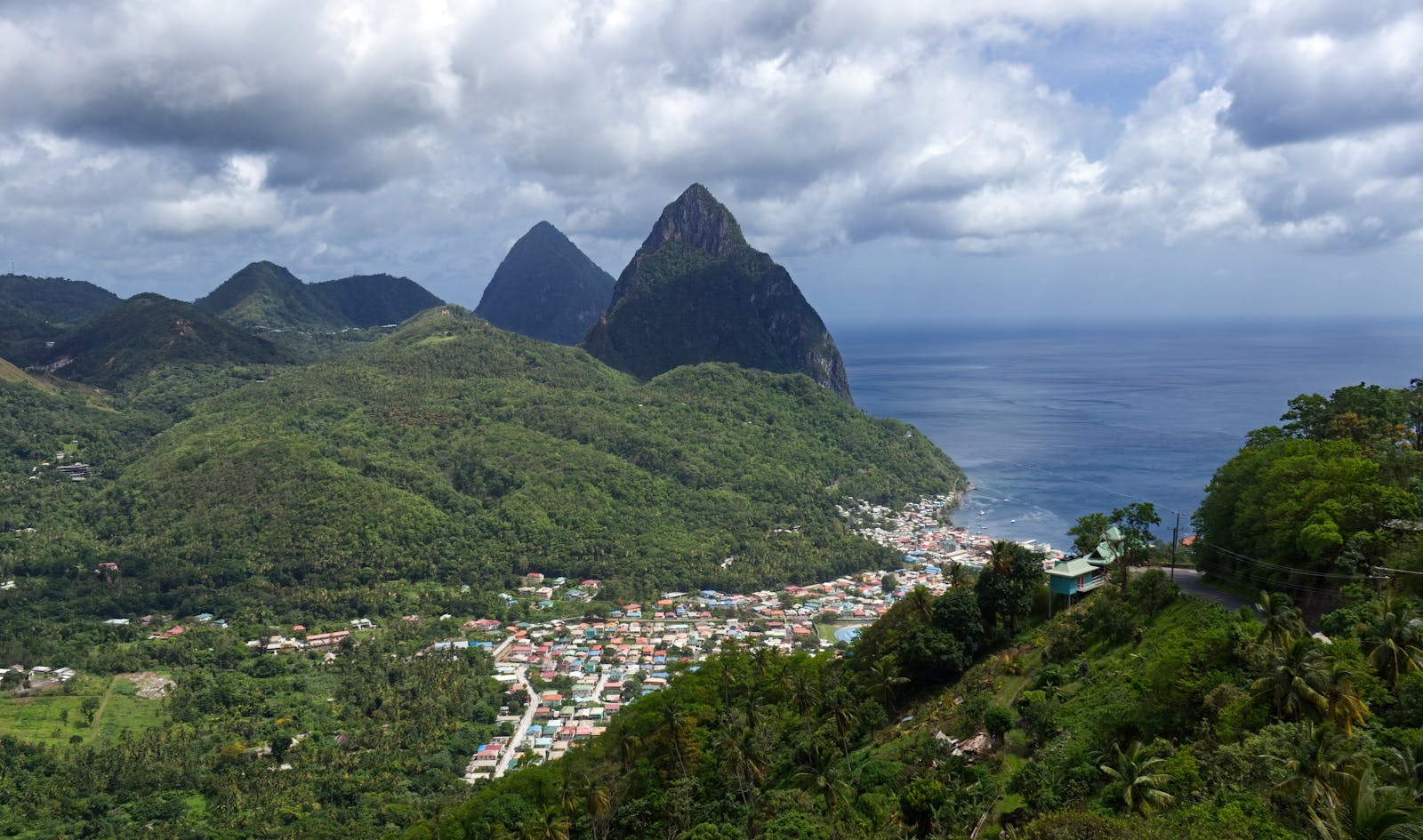
St Lucia is a small, steep, green island in the eastern Caribbean, and one of the most beautiful in the region. Its symbol is the Pitons, two volcanic spires that rise straight out of the sea beside the old French town of Soufrière. Around them are rainforest, waterfalls, a volcano you can drive into, sheltered bays for swimming and snorkelling, and a lively north coast around Rodney Bay. It’s about nine hours from London on a direct flight, English-speaking and easy to get around. This guide covers where St Lucia is, the best things to do, the beaches, food, the best time to visit, getting there, where to stay by area and how long to spend.
Where is St Lucia?

St Lucia is one of the Windward Islands in the eastern Caribbean, with the Atlantic on its east coast and the calm Caribbean Sea on its west. Martinique is just to the north and St Vincent to the south; Barbados is about 180 km to the east.
The island is only about 43 km long and 23 km wide, but it’s mountainous, so journeys take longer than the map suggests. The capital, Castries, is in the north-west. France and Britain fought over St Lucia for 150 years, and it changed hands many times, which is why so many places have French names and why most people also speak Kwéyòl, a French-based Creole. It has been independent since 1979 and is part of the Commonwealth.
Most visitors stay on the sheltered west coast, either in the north around Rodney Bay or in the south-west around Soufrière and the Pitons.
Things to do in St Lucia
St Lucia rewards people who get out of their hotel. The highlights are close together, but the roads are winding, so many day trips combine a drive one way with a boat trip back along the coast.

The Pitons
Gros Piton (nearly 800 m) and Petit Piton (about 740 m) are volcanic plugs on the coast south of Soufrière, protected with the sea and reef between them as a UNESCO World Heritage Site since 2004. The easiest view is from the Tet Paul Nature Trail, a short walk with stone steps to a viewpoint between the two.
Fit walkers can climb Gros Piton with a local guide from Fond Gens Libre: it’s steep, takes most of a morning and is best started early. Petit Piton is a scramble and not recommended for most visitors.

Soufrière
The island’s first capital is a small, colourful fishing town in a bay beneath the Pitons, and the base for the south-west’s sights. At the Sulphur Springs, sold as the world’s only drive-in volcano, you walk past steaming vents and bathe in warm, grey mud pools.
Nearby are the Diamond Botanical Gardens, with a waterfall stained by minerals and old bath houses, and working cocoa estates where you can see chocolate made from bean to bar.

Rodney Bay and Pigeon Island
The liveliest part of the island, with a marina, restaurants and bars, and Reduit Beach, a long curve of golden sand with calm water and watersports.
At the end of the bay, Pigeon Island National Landmark is joined to the mainland by a causeway: climb to the ruins of the 18th-century British fort for views to Martinique, then swim from its two small beaches. On Friday nights, the fishing village of Gros Islet holds its weekly street party, with grills, rum punch and music.

Marigot Bay
A deep, narrow inlet fringed by palms and mangroves, about 20 minutes south of Castries, and one of the prettiest anchorages in the Caribbean. Yachts moor in the inner lagoon, a little ferry crosses to a strip of sand, and the hillsides have quiet places to stay. It suits couples and anyone who likes boats.
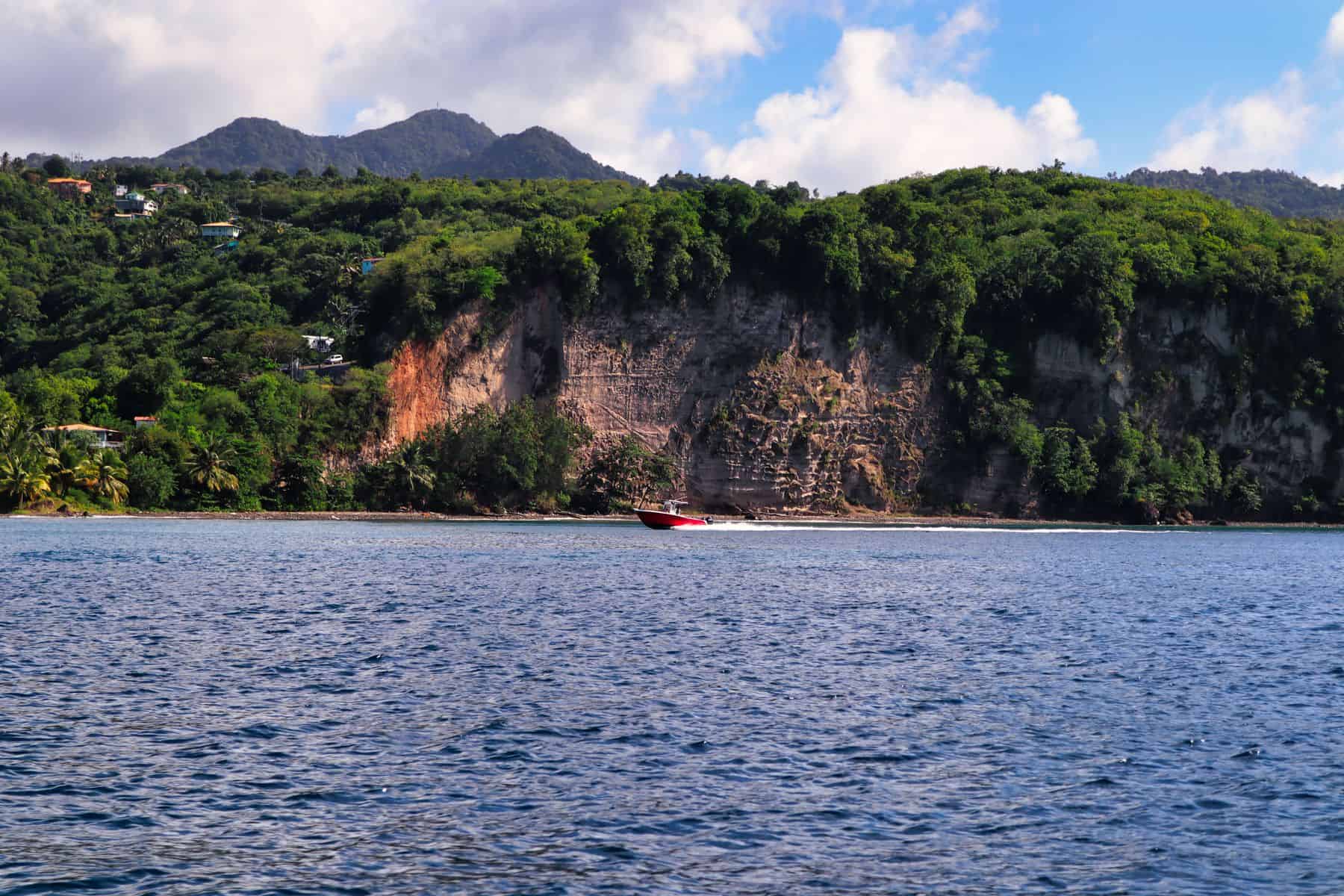
Sail down the west coast. A catamaran or speedboat day from Rodney Bay or Marigot Bay to Soufrière is the best way to see the island, with swim stops in bays such as Anse Cochon and a view of the Pitons from the water. Many trips include the Sulphur Springs and a waterfall.
Snorkel and dive. The reefs around the Pitons are protected as a marine reserve and have the island’s best snorkelling, with coral, sponges, turtles and reef fish close to shore. There are good dive sites along the south-west coast for all levels.
Go into the rainforest. Much of the interior is forest reserve. Guided trails lead to waterfalls such as those in the Edmund Forest, there are ziplines and aerial trams, and birdwatchers look for the St Lucia parrot, the national bird, which lives only here.
Whale and dolphin watching. Trips from Rodney Bay often see spinner and spotted dolphins, and sometimes pilot and sperm whales.
- Castries: the capital is a working port rather than a pretty town, but the Castries Market, busiest on Saturday mornings, is worth a visit for spices, cocoa sticks, hot sauces and crafts. Drive up Morne Fortune for the view over the harbour.
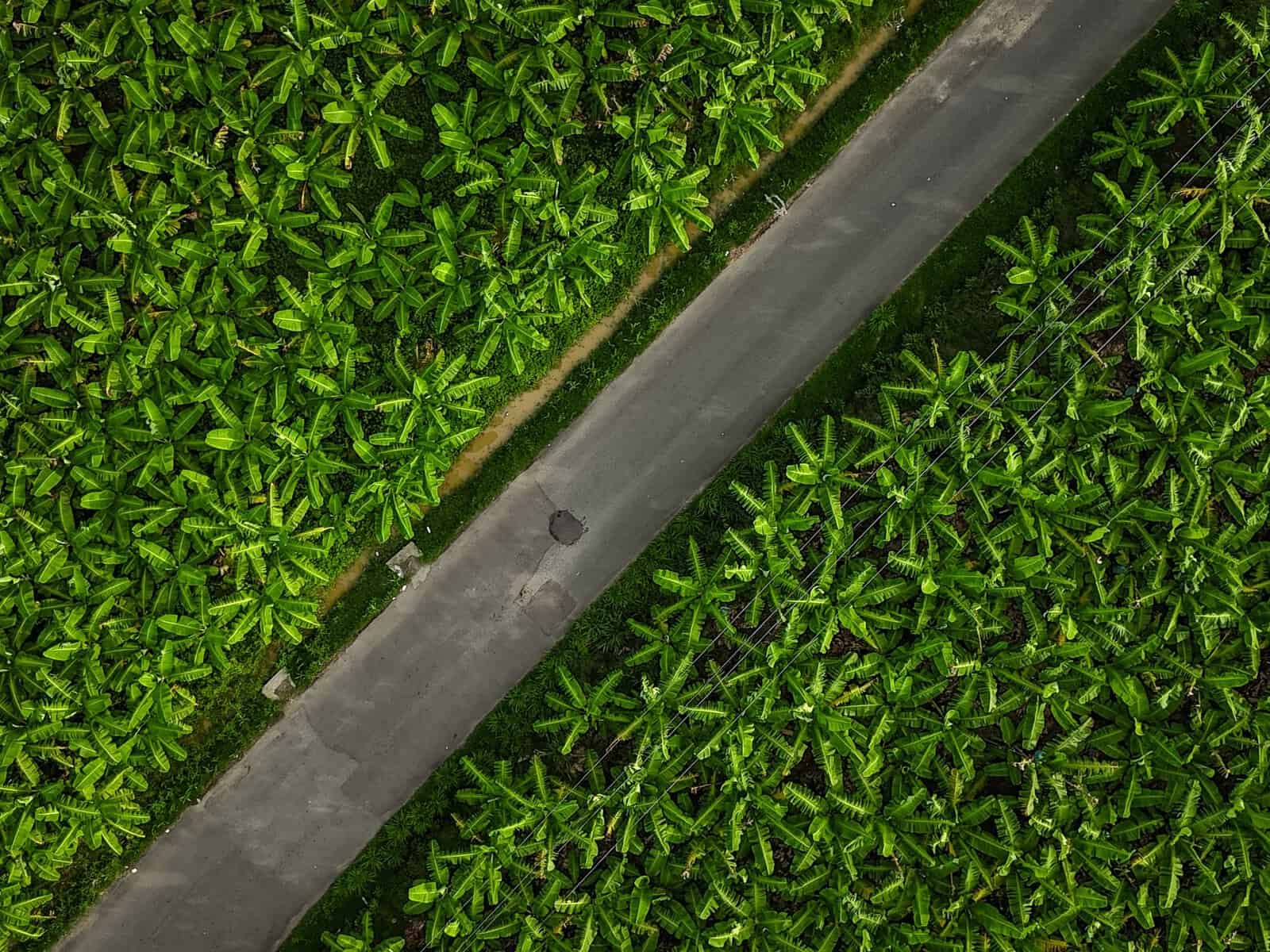
- The east coast: wilder and more Atlantic, with banana plantations, fishing villages and the Saturday fish fry at Dennery.
- The south: near the main airport, Anse de Sables at Vieux Fort is the kitesurfing beach, and the little Maria Islands offshore are a nature reserve.
- Horse riding on the beach, golf in the north and sunset sails are all easy to arrange.
The best beaches in St Lucia
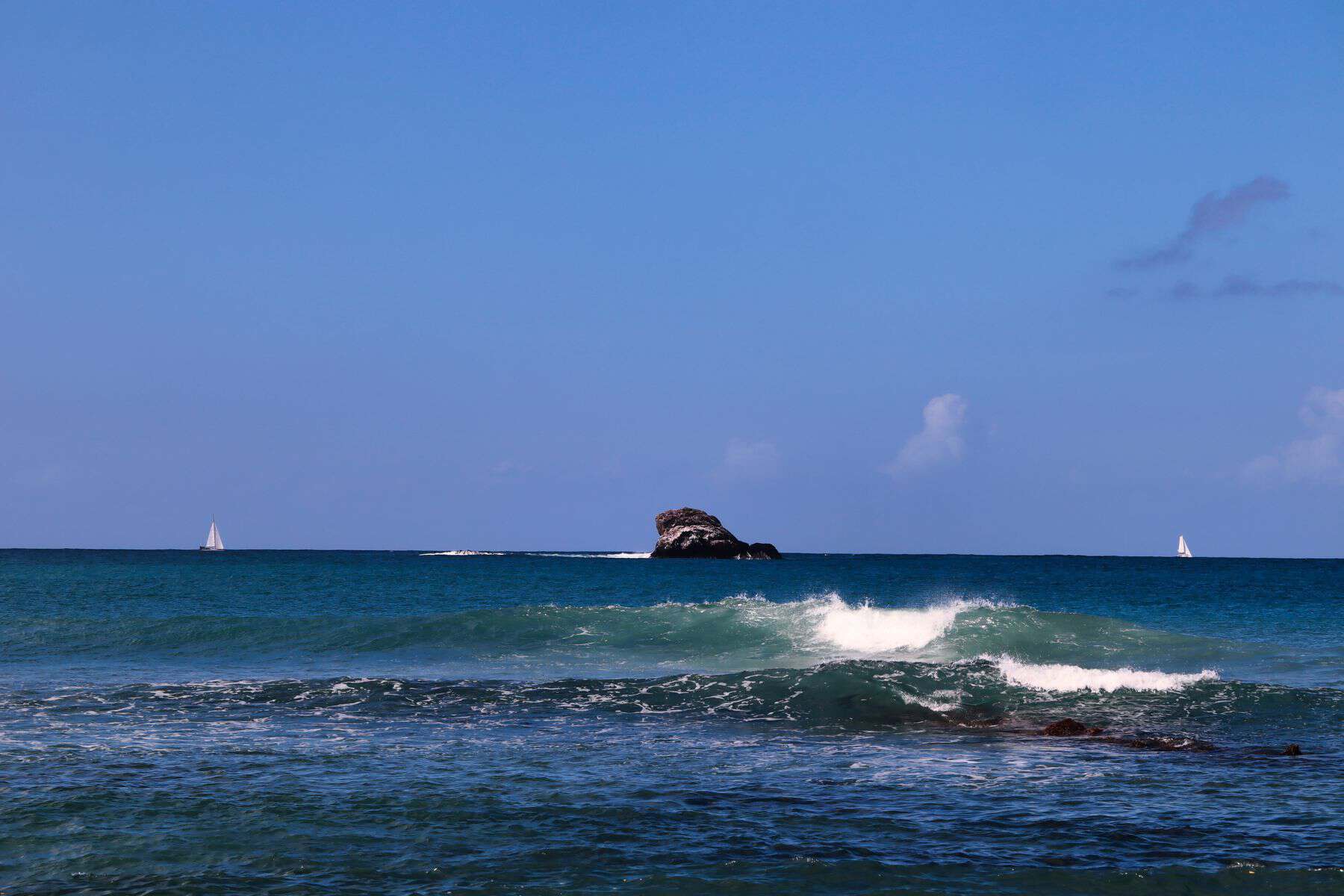
All beaches in St Lucia are public, even those in front of hotels. The calmest swimming is on the west (Caribbean) coast; the east coast has rough Atlantic surf and strong currents.
Reduit Beach in Rodney Bay is the best all-rounder, with soft sand and watersports. Anse des Pitons (often called Sugar Beach), between the Pitons, is the most spectacular setting, with white sand and good snorkelling. Anse Chastanet and Anse Mamin north of Soufrière have reefs just offshore. Anse Cochon is a sheltered bay reached mainly by boat, and Pigeon Island’s little beaches are quiet on weekdays.
Many beaches near Soufrière have dark volcanic sand. Anse de Sables in the far south is wide, breezy and good for kitesurfing.
St Lucian food and festivals

St Lucian food is Creole cooking, with French, African and Indian influences. The national dish is green fig and saltfish: green bananas (called figs here) with salted cod cooked with onions, peppers and herbs. Try bouyon, a hearty soup-stew; accra, saltfish fritters; fresh fish such as mahi-mahi and tuna; lambi (conch); bakes, fried bread; and Indian-style roti and curries.
Breakfast might be cocoa tea, made from local cocoa with spices. The island makes its own rum and beer, and every bar mixes a rum punch.
The best way to eat like a local is at a weekly street party: Gros Islet on Friday night and the fish fry at Anse La Raye.
Festivals: the Saint Lucia Jazz and Arts Festival is usually in May, Carnival takes over Castries in July, and October is Creole Heritage Month, ending with Jounen Kwéyòl, a day of Creole food, music and dress.
Best time to visit St Lucia
St Lucia is warm all year, with daytime highs of about 27 to 30°C and a sea temperature of about 26 to 29°C. What changes is the rain.
- December to April is the dry season and the best time to visit: sunny, less humid and cooled by the trade winds. It’s also the most popular time, so book early, especially for Christmas, New Year, February half-term and Easter.
- May and June are hotter, still fairly dry and quieter, a good time for value and for the Jazz and Arts Festival.
- July to November is the wet season, with short, heavy downpours and more humidity. The Atlantic hurricane season runs from June to November, with the highest risk from about August to October. Serious storms are not common in any one year, but they do happen.
- St Lucia in December: usually dry and sunny with highs around 28°C, though the odd shower still falls early in the month. St Lucia in November: still wet-season weather, with warm days and showers, but quieter and good value before the peak.
| Month | Castries (north) | Soufrière (south-west) |
|---|---|---|
| Jan | 27°C / 24°C · 60 mm | 27°C / 23°C · 30 mm |
| Feb | 27°C / 24°C · 45 mm | 28°C / 23°C · 25 mm |
| Mar | 28°C / 24°C · 50 mm | 28°C / 23°C · 25 mm |
| Apr | 29°C / 24°C · 40 mm | 29°C / 24°C · 25 mm |
| May | 29°C / 25°C · 50 mm | 29°C / 24°C · 25 mm |
| Jun | 29°C / 25°C · 95 mm | 29°C / 25°C · 60 mm |
| Jul | 29°C / 25°C · 115 mm | 29°C / 25°C · 85 mm |
| Aug | 29°C / 26°C · 115 mm | 29°C / 25°C · 90 mm |
| Sep | 30°C / 26°C · 115 mm | 30°C / 25°C · 110 mm |
| Oct | 29°C / 26°C · 110 mm | 29°C / 25°C · 95 mm |
| Nov | 28°C / 25°C · 115 mm | 28°C / 24°C · 100 mm |
| Dec | 28°C / 25°C · 60 mm | 28°C / 24°C · 30 mm |
Average daily high / low and monthly rain, 10-year ERA5 data. The model smooths out local downpours, so the wet months can be rainier than shown, especially in the mountains.


Getting to St Lucia from the UK
- Flights: direct flights from London take about nine hours to Hewanorra International Airport (UVF) in the far south, near Vieux Fort. The smaller George F. L. Charles Airport in Castries handles regional flights from other islands.
- Transfers: from Hewanorra it’s about an hour by road to Soufrière and about an hour and a half to Rodney Bay. A helicopter transfer cuts the trip to the north to around 15 minutes.
- Entry: British citizens don’t need a visa for a holiday. You fill in an online immigration form in the few days before you arrive. See the practical tips.
- Island-hopping: short flights link St Lucia with Barbados, Grenada, St Vincent and Antigua, and fast ferries run to Martinique.
Getting around
Most visitors use taxis, hotel transfers and organised tours. Taxis aren’t metered, so agree the fare before you set off. Water taxis run between Soufrière and the nearby beaches, and a boat is often quicker than the road along the west coast. You can hire a car with a local driving permit; driving is on the left, but the roads are narrow, steep and full of blind bends, so many people prefer a driver. Local minibuses are cheap and colourful but crowded and fast.
Where to stay in St Lucia

Rodney Bay and the north: the widest choice, from all-inclusive resorts to small hotels, with Reduit Beach, restaurants and nightlife within reach. Best for a first visit, families and anyone who wants things to do in the evening.
Soufrière and the Pitons: quieter and more dramatic, with boutique hotels set into the hillsides, some with open-walled rooms facing the Pitons. Best for honeymoons, views and nature, but you’ll rely on transfers and boats.
Marigot Bay: small and romantic, with hillside stays and a marina; central for trips north and south.
The south near Vieux Fort: a few larger resorts close to the main airport, handy for short stays and families; Anse de Sables is on the doorstep.
The north-west tip (Cap Estate): quieter resorts and villas near golf and Pigeon Island.
Tell us your style and budget and we’ll suggest the right hotel or resort; our St Lucia holidays page has more on the regions. A popular plan for a St Lucia honeymoon is a few nights near the Pitons and a few on a beach in the north.
How long to spend: sample trips
One base, the best of the island
- Rodney Bay or Soufrière (7 nights)
Beach days with a west-coast boat trip, the Sulphur Springs, the Tet Paul trail and Pigeon Island.
North and south
- Soufrière and the Pitons (4 nights)
- Rodney Bay or Marigot Bay (6)
Views and nature first, then an easy beach base. A classic honeymoon split.
Two islands
- St Lucia (7 nights)
- Barbados or Grenada (7)
A short flight between them; or add a week sailing in the Grenadines.
Ways to see St Lucia with us
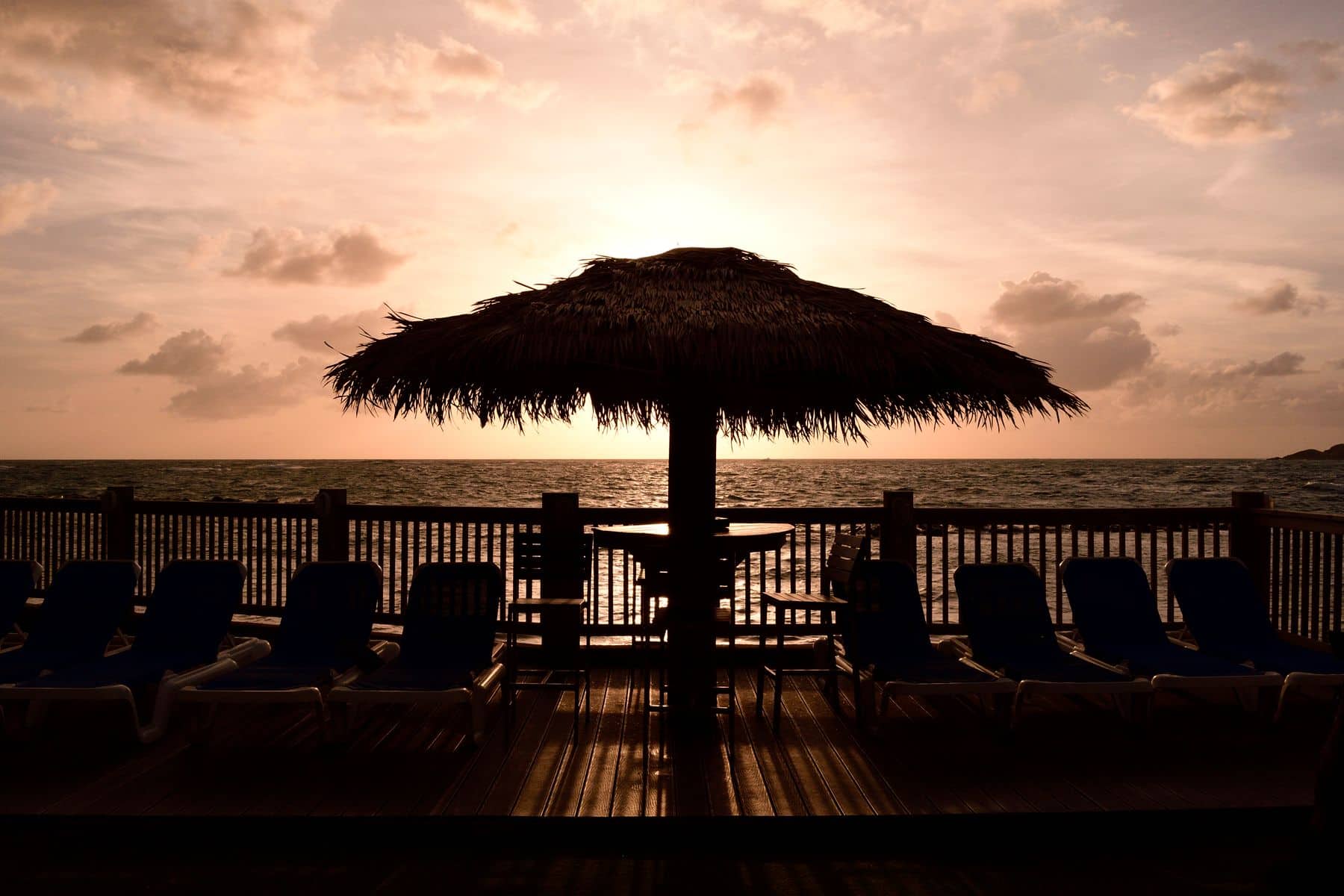
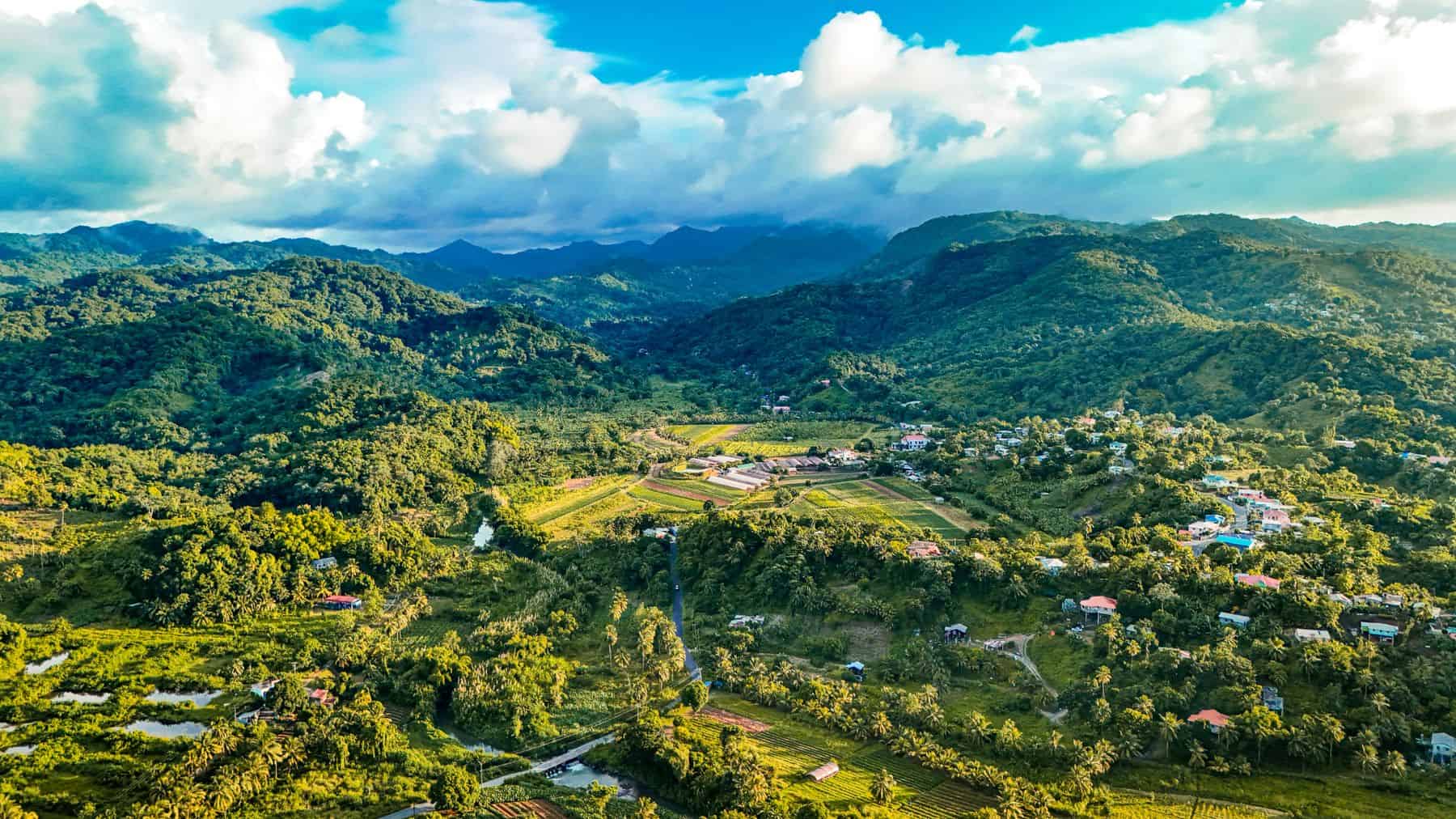
Both are hosted holidays for solo travellers with flights, a land and sea island tour and free time on the beach. See all our St Lucia escorted tours, or ask about a tailor-made St Lucia holiday built around your dates and the hotels you like. St Lucia is also a regular call on Caribbean cruises.
Practical tips
- Entry: no visa is needed for British citizens on holiday; visitors are normally allowed up to six weeks. Complete the online immigration form up to three days before arrival and make sure your passport is stamped. Your passport must be valid beyond the date you leave. Check the FCDO St Lucia advice before you go.
- Safety: most visits are trouble-free, but there is violent crime. Use licensed taxis, keep valuables in the hotel safe and avoid isolated areas, including empty beaches, after dark.
- The law: wearing camouflage clothing is illegal, including for children. Leave it at home.
- Money: the East Caribbean dollar is fixed to the US dollar, and US dollars and cards are widely accepted. Check bills for a service charge before tipping.
- Plugs: British three-pin sockets are standard, so you won’t need an adaptor.
- Health: use insect repellent, as dengue occurs, and strong, reef-safe sun cream. Ask your GP or a travel clinic about vaccinations.
- Sea safety: swim on the sheltered west coast; currents on the Atlantic side can be dangerous, and not every beach has a lifeguard.
Frequently asked questions
Where is St Lucia?
In the eastern Caribbean, in the Windward Islands, between Martinique to the north and St Vincent to the south, with Barbados about 180 km to the east. The capital is Castries.
What is the best time to visit St Lucia?
December to April, the dry season, is the best and most popular time. May and June are hotter but quieter. July to November is wetter, with the hurricane season from June to November.
How long is the flight to St Lucia from the UK?
About nine hours direct from London to Hewanorra International Airport in the south of the island.
What are the best things to do in St Lucia?
See the Pitons from the Tet Paul trail or climb Gros Piton, bathe in the mud pools at the Sulphur Springs, sail down the west coast, snorkel at Anse Chastanet, visit Pigeon Island and go to the Friday street party in Gros Islet.
Where is the best place to stay in St Lucia?
Rodney Bay and the north for beaches, restaurants and nightlife; Soufrière and the Pitons for views, nature and romance; Marigot Bay for a small, quiet harbour in the middle of the west coast.
What is the national dish of St Lucia?
Green fig and saltfish: green bananas cooked with salted cod, onions, peppers and herbs.
What is St Lucia's weather like in December?
Usually warm and mostly dry, with highs of about 28°C and the odd shower. It's the start of the peak season, so book early for Christmas and New Year.
Do I need a visa for St Lucia?
No. British citizens can visit for a holiday without a visa, usually for up to six weeks. You need to fill in an online immigration form shortly before you arrive.
Keep planning
- St Vincent and the Grenadines guide
- St Lucia holidays
- St Lucia escorted tours
- Barbados holiday guide
- Grenada holiday guide
- Antigua and Barbuda holiday guide
- Caribbean holiday offers
- Caribbean cruises
- Tailor-made holidays
- Tobago holiday guide
- Caribbean islands guide
Plan your St Lucia holiday with a Travel Designer
Tell us when you’d like to go and we’ll match the right part of the island and the right hotel, add boat trips, hikes and a second island, and arrange flights and transfers, in one ATOL-protected booking.
Make an enquiry St Lucia holidays