Bhutan in brief
- Fly to Paro via Delhi, Kathmandu or Bangkok, with a visa arranged in advance.
- See Paro and the Tiger’s Nest, Thimphu and Punakha; add Bumthang or the Haa Valley.
- The best seasons are spring and autumn, with festivals in both.
- Easy to combine with Nepal: Kathmandu to Paro is an hour’s flight.
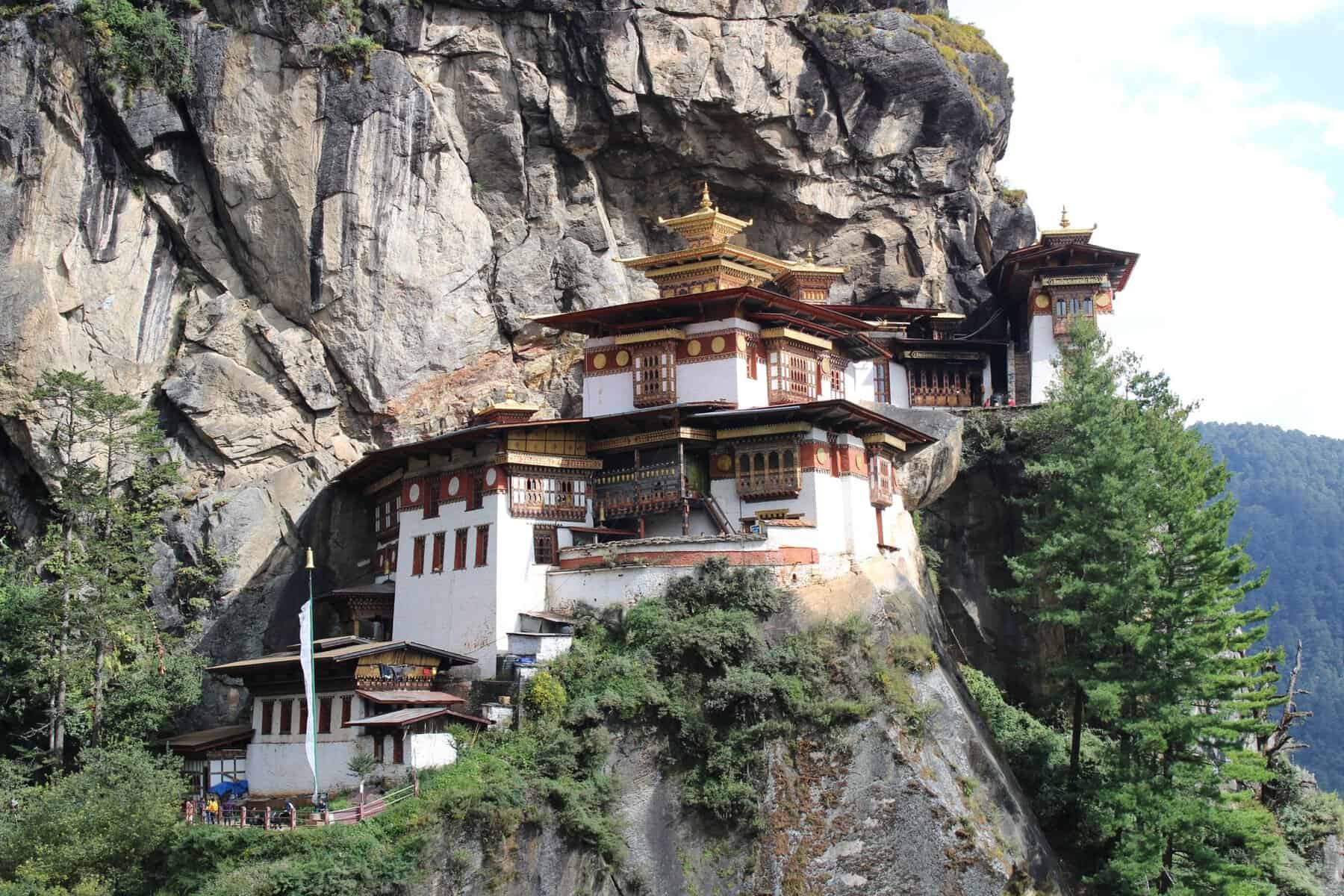
Bhutan is a small Buddhist kingdom in the eastern Himalayas, between India and Tibet, that measures its success in Gross National Happiness. Its valleys are full of fortress-monasteries called dzongs, prayer flags and painted farmhouses, and it welcomes a limited number of visitors, so it never feels crowded. Walk up to the Tiger’s Nest above Paro, see the capital Thimphu, cross the Dochula Pass to Punakha, and go further east to Bumthang or west to the quiet Haa Valley. This guide covers how to get there from the UK, visas, where to go, the best season, festivals and combining Bhutan with Nepal.
Getting to Bhutan from the UK, and visas
- Flights: there are no direct flights from the UK. Fly to Delhi, Kathmandu, Bangkok, Kolkata or Singapore, then take Bhutan’s own airlines to Paro, the only international airport. The landing between the mountains is one of the most dramatic in the world.
- By land: you can also enter from India at Phuentsholing, a long drive from Paro.
- Visa: everyone needs a visa, arranged in advance. It’s approved before you travel and stamped on arrival. We arrange it for you as part of your trip.
- Sustainable Development Fee: visitors pay a fee for each night in Bhutan, which funds free healthcare, education and conservation. It’s included when we plan your trip; see Bhutan tours compared for what our tours include.
- Guides: most visitors travel with a licensed Bhutanese guide and driver, who also arrange the permits needed for some areas.
Where to go in Bhutan
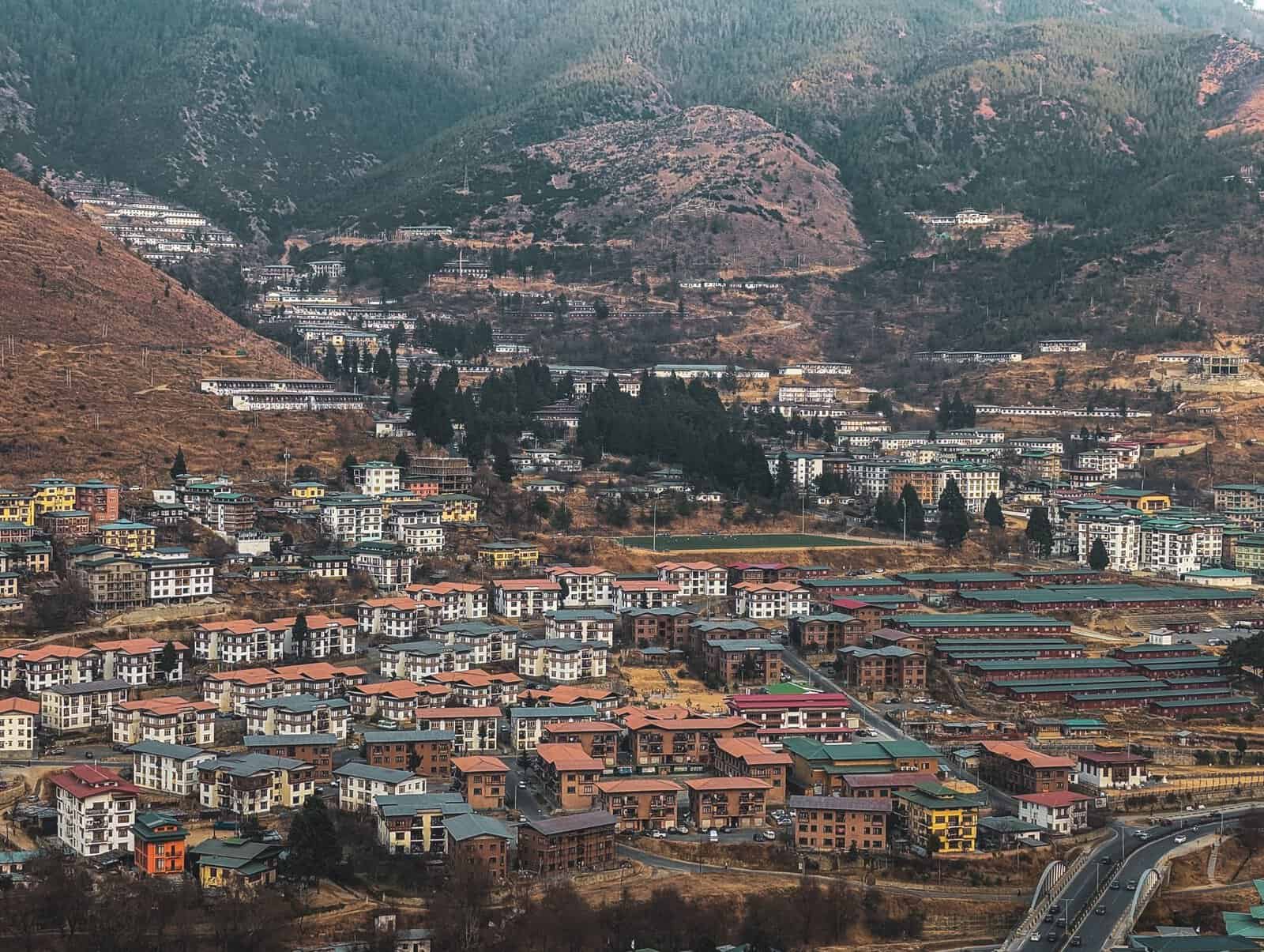
Most first trips spend a week in the western valleys: Paro, Thimphu and Punakha. With more time, add Phobjikha, Bumthang or the Haa Valley. Roads are winding, so distances take longer than you’d expect.

Paro
Bhutan’s gateway is a broad, beautiful valley of farms and rice fields. See Rinpung Dzong and the National Museum in its old watchtower, and the 7th-century temple of Kyichu Lhakhang.
The highlight is the walk to Taktsang, the Tiger’s Nest, clinging to a cliff about 900 m above the valley. Allow five to six hours for the round trip, with a café halfway; horses can carry you part of the way up. Leave it until the end of your trip, when you’re used to the altitude.
Thimphu
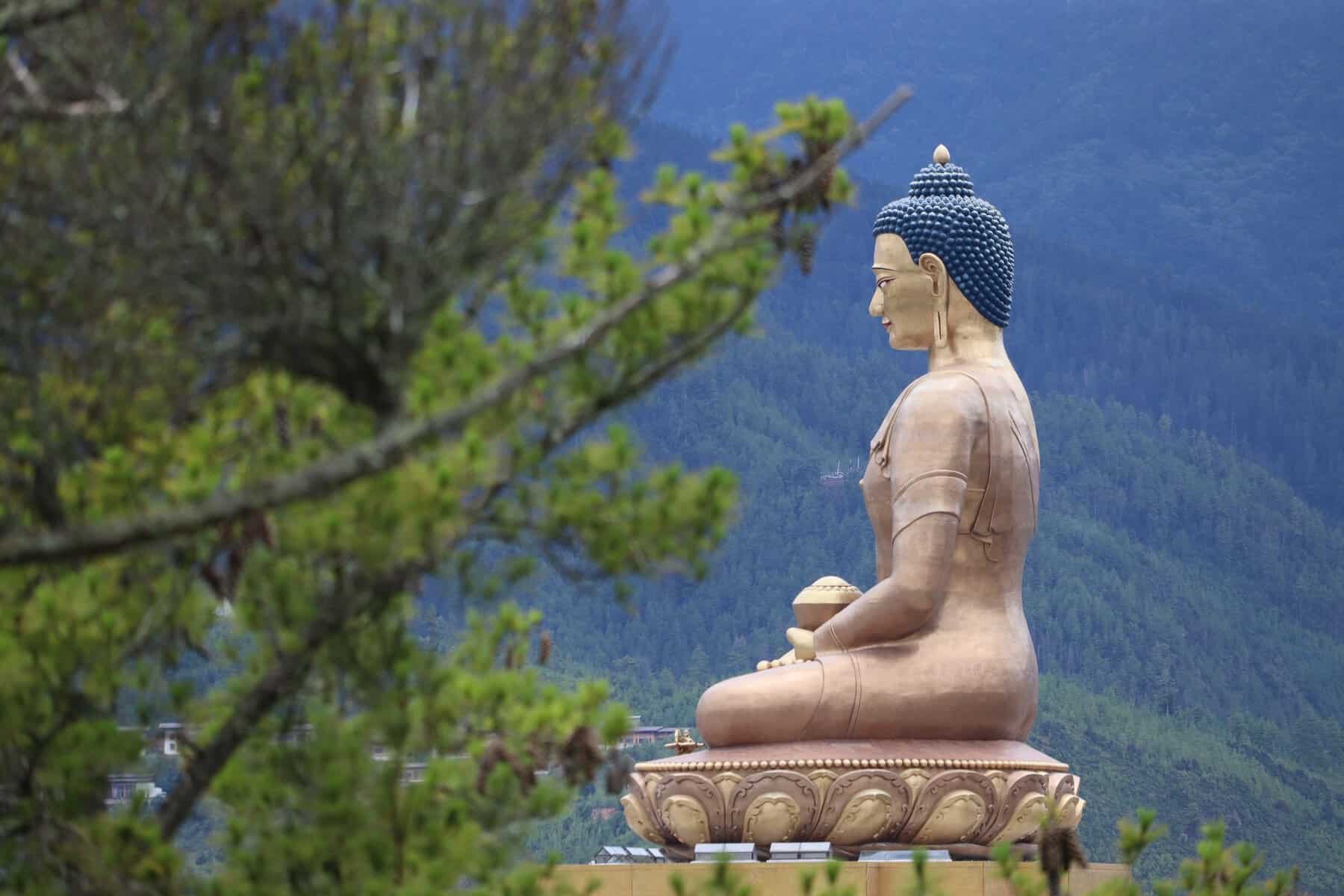
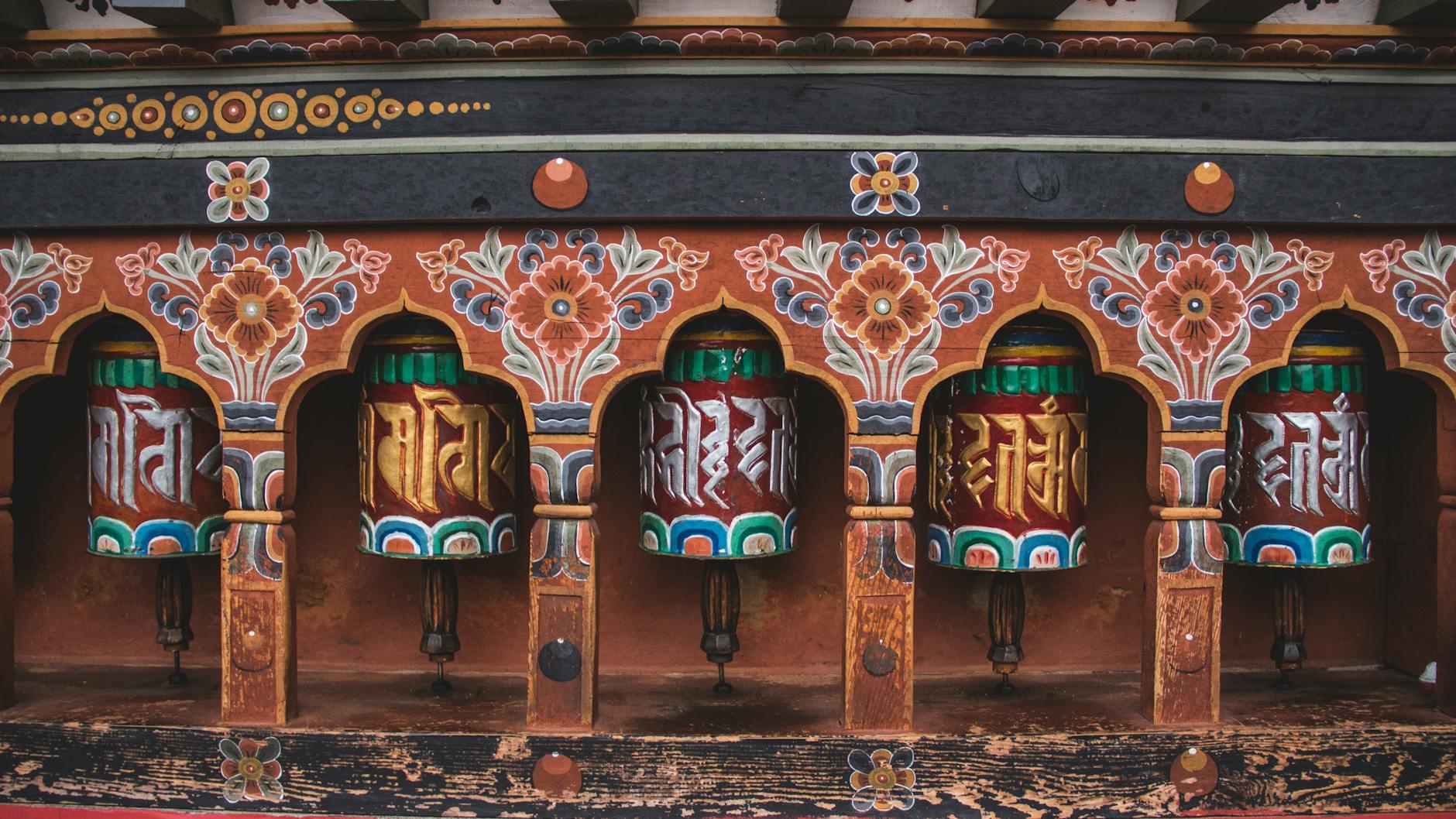
The world’s only capital without traffic lights is about an hour from Paro. Visit Tashichho Dzong, the seat of government, the huge Buddha Dordenma statue above the city, the Memorial Chorten, where people walk and spin prayer wheels all day, and the weekend market.
The School of Traditional Arts and the folk heritage and textile museums show Bhutanese crafts.

Punakha and the Dochula Pass
From Thimphu, the road climbs to the Dochula Pass (about 3,100 m), with its 108 chortens and, on clear days, views of the high Himalaya, then drops into the warm Punakha valley.
Punakha Dzong, where the Mo Chhu and Pho Chhu rivers meet, is the most beautiful in Bhutan, especially when the jacarandas flower in spring. Walk through rice fields to the Chimi Lhakhang temple and up to the Khamsum Yulley Namgyal Chorten.

Phobjikha Valley
A wide, high glacial valley east of Punakha, home to Gangtey Monastery. From late October to February, rare black-necked cranes fly in from Tibet to spend the winter here, and the Black-necked Crane Festival welcomes them in November.
The Gangtey nature trail is one of the loveliest easy walks in Bhutan.
Bumthang
Bumthang, in central Bhutan, is the country’s spiritual heartland: four valleys full of ancient temples, including Jambay Lhakhang and Kurjey Lhakhang, and the hilltop Jakar Dzong. It’s also known for its buckwheat pancakes, cheese, honey and local beer. It’s a long but beautiful drive from Punakha over high passes, by way of the great dzong at Trongsa, or a short domestic flight. Bumthang is colder than the west, so it’s best from spring to autumn; its autumn festivals are some of the most atmospheric in the country.
The Haa Valley
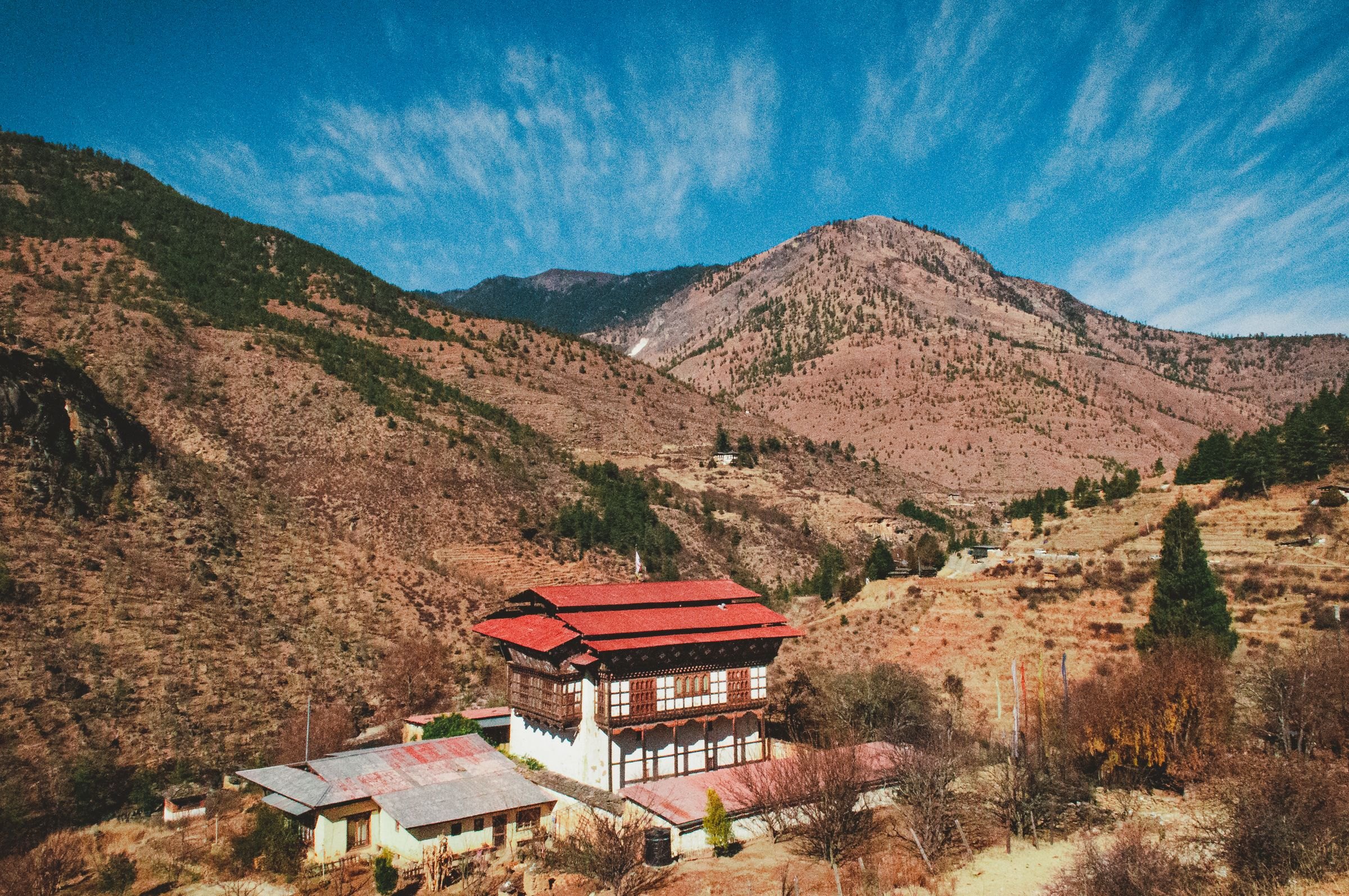
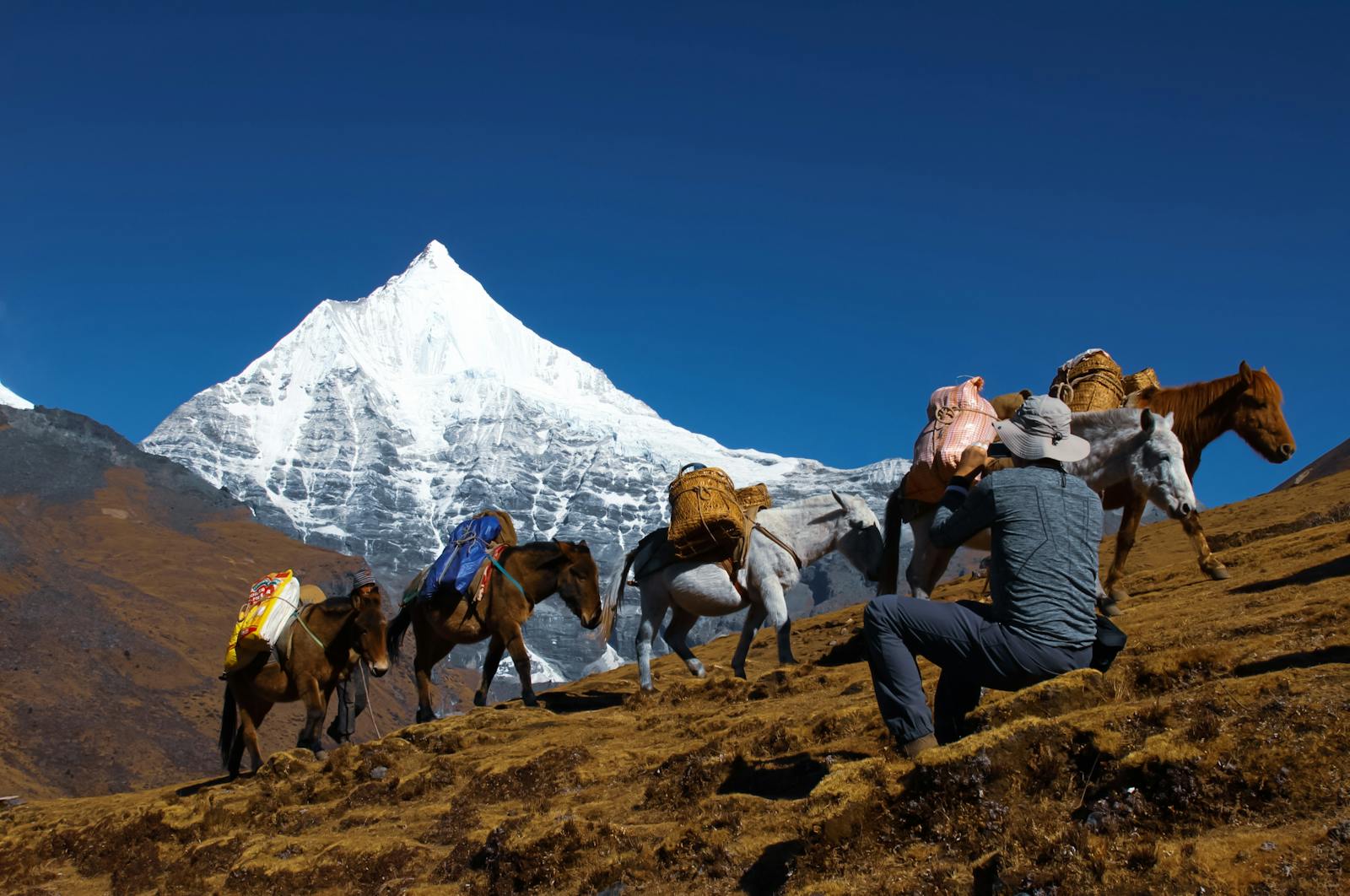
West of Paro, over the Chele La pass, the road climbs to nearly 4,000 m, with views of Jomolhari on clear days, before dropping into the Haa Valley. It only opened to visitors in 2002 and is still one of the quietest parts of Bhutan: farmhouses, the White and Black temples, yak herders and forest walks. Stay overnight in a farmhouse, or visit on a long day trip from Paro. The Haa Summer Festival in July celebrates the life of the nomadic herders.



The best season to go to Bhutan
The best seasons are spring (March to May) and autumn (October to November). Autumn brings the clearest mountain views and the big Thimphu festival; spring brings rhododendrons, jacarandas and the Paro festival. Both are busy, so book early.
- Winter (December to February): crisp, clear and quiet, with cold nights and sunny days. Punakha stays mild, and the cranes are in Phobjikha. High passes can close with snow.
- Monsoon (June to September): green and lush, with rain most afternoons, cloud over the mountains and some landslides on the roads. Fewer visitors.
- November: a great month, with clear skies and dry weather. Days are mild (about 15 to 17°C in Paro and Thimphu), but nights are cold.
| Month | Paro | Thimphu | Punakha | Bumthang |
|---|---|---|---|---|
| Jan | 12°C / 1°C | 9°C / -2°C | 16°C / 4°C | 10°C / -5°C |
| Mar | 16°C / 6°C | 14°C / 3°C | 21°C / 9°C | 13°C / 0°C |
| Apr | 18°C / 9°C | 17°C / 7°C | 23°C / 13°C | 16°C / 4°C |
| May | 20°C / 12°C | 19°C / 10°C | 25°C / 16°C | 19°C / 8°C |
| Jul | 23°C / 16°C | 21°C / 15°C | 27°C / 21°C | 21°C / 14°C |
| Oct | 20°C / 11°C | 18°C / 8°C | 24°C / 15°C | 18°C / 7°C |
| Nov | 17°C / 7°C | 15°C / 5°C | 21°C / 10°C | 15°C / 2°C |
| Dec | 14°C / 4°C | 12°C / 1°C | 18°C / 6°C | 12°C / -1°C |
Average daily high / low, 10-year ERA5 data. Punakha is much lower and warmer than the other valleys.
Festivals
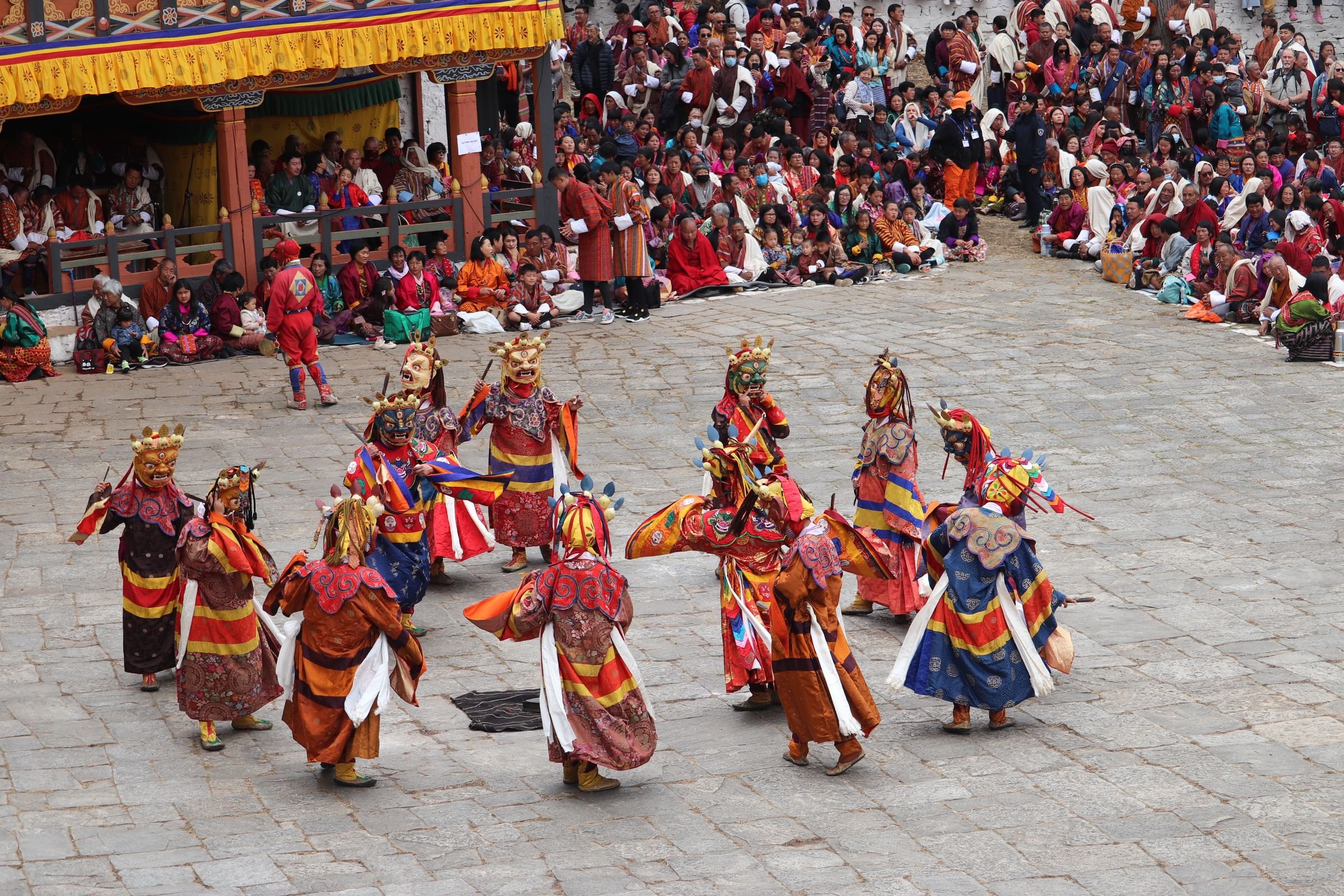
Bhutan’s festivals, called tshechus, fill the courtyards of the dzongs with masked dances, music and families in their best clothes. Dates follow the lunar calendar, so they change each year.
Paro Tshechu: in spring, usually March or April, ending at dawn with the unveiling of a giant thangka (religious painting).
Thimphu Tshechu: in autumn, usually September or October, the biggest of all.
Punakha Drubchen and Tshechu: in February or March.
Black-necked Crane Festival: in Phobjikha in November.
Bumthang: several village festivals in autumn, such as Jambay Lhakhang Drup.
Bhutan and Nepal

Bhutan and Nepal make a natural pair. Flights from Kathmandu to Paro take about an hour, and on a clear day you can see Everest and the high Himalaya from the plane. Spend a few days in the Kathmandu Valley first, among the temples and squares of Kathmandu, Patan and Bhaktapur, then fly to Bhutan for a week. You could also add Pokhara and the Annapurna foothills, or Darjeeling and Sikkim in India. Our escorted tours with Nepal or India are compared in Bhutan tours compared.
Classic routes
Western Bhutan
- Paro (1 night)
- Thimphu (2)
- Punakha (2)
- Paro (2)
The highlights, finishing with the Tiger’s Nest.
Bhutan with Phobjikha and Haa
- Paro (2 nights)
- Haa Valley (1)
- Thimphu (2)
- Punakha (2)
- Phobjikha (1)
- Paro (1)
Quieter valleys and more walking.
Into central Bhutan
- Paro (2 nights)
- Thimphu (2)
- Punakha (2)
- Phobjikha (1)
- Bumthang (3)
- Paro (1)
Fly back from Bumthang to save the long drive.
Nepal and Bhutan
- Kathmandu (3 nights)
- Paro (2)
- Thimphu (2)
- Punakha (2)
- Paro (1)
Two Himalayan kingdoms in one trip.
Ways to see Bhutan with us

Practical tips
- Entry: a visa arranged in advance. Check the FCDO Bhutan advice before you book.
- Altitude: Paro and Thimphu are at about 2,200 to 2,300 m, and passes are much higher. Take it easy for the first day or two; see your GP if you have health concerns.
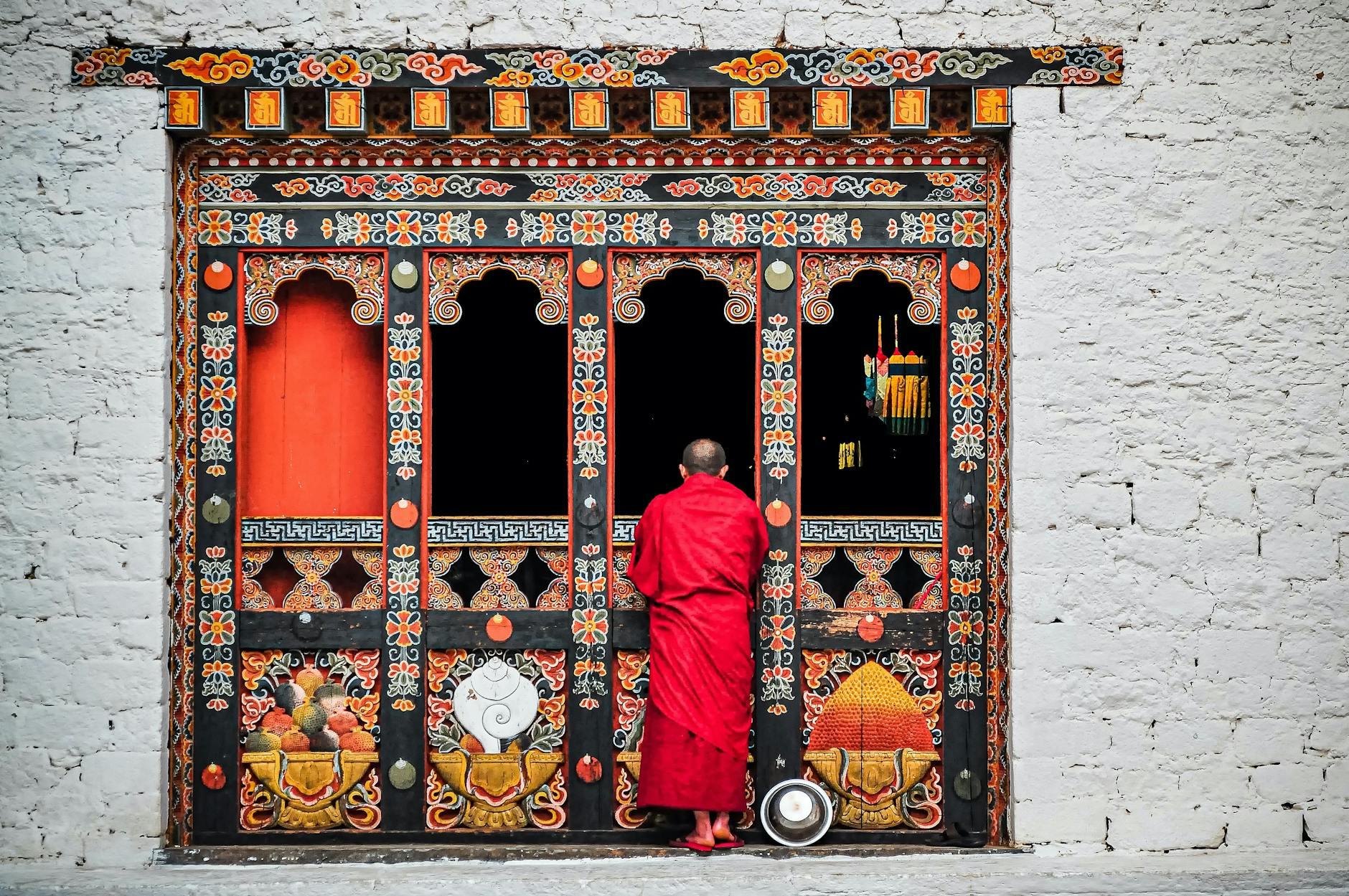
- Dress: cover shoulders and knees at dzongs and temples. Take off hats, and walk clockwise around chortens and prayer wheels.
- Smoking: tobacco is tightly controlled; check the rules before bringing any.
- Food: Bhutanese food is all about chillies. Try ema datshi (chillies and cheese) with red rice, and momos. Milder dishes are always available.
- Money: the ngultrum is tied to the Indian rupee. Cash machines are found in the main towns, but bring some cash for small shops.
- Photos: photography is not allowed inside most dzongs and temples.
Frequently asked questions
What is the best season to go to Bhutan?
Spring (March to May) and autumn (October to November). Autumn has the clearest mountain views; spring has flowers and the Paro festival. June to September is the monsoon.
Do UK citizens need a visa for Bhutan?
Yes. Everyone needs a visa arranged in advance, and visitors also pay a daily Sustainable Development Fee. We arrange both as part of your trip.
How do you get to Bhutan from the UK?
There are no direct flights. Fly to Delhi, Kathmandu, Bangkok, Kolkata or Singapore, then on to Paro, Bhutan's international airport.
What is there to do in Thimphu?
See Tashichho Dzong, the Buddha Dordenma statue, the Memorial Chorten, the weekend market and the School of Traditional Arts. Thimphu is about an hour from Paro.
How hard is the Tiger's Nest hike?
The path climbs about 900 m from the Paro valley. Allow five to six hours for the round trip at a steady pace. Horses can carry you part of the way up.
Is Bumthang worth visiting?
Yes, if you have ten days or more. It's Bhutan's spiritual heartland, with ancient temples, Jakar Dzong and village festivals. It's a long drive or a short flight from the west.
Can you combine Bhutan and Nepal?
Yes. Flights from Kathmandu to Paro take about an hour, with Himalayan views on a clear day. A few days in Kathmandu and a week in Bhutan is a classic combination.
How many days do you need in Bhutan?
A week covers Paro, Thimphu and Punakha. Ten to twelve days lets you add Phobjikha, the Haa Valley or Bumthang.
Keep planning
- Bhutan holidays
- Escorted tours of Bhutan
- Bhutan tours compared
- India holiday guide
- China holiday guide
- Thailand holiday guide
- Mongolia holiday guide
- Tailor-made holidays
Plan your Bhutan holiday with a Travel Designer
Tell us when you’d like to go and we’ll plan your route, guide, visa and flights via Delhi, Kathmandu or Bangkok, in one ATOL-protected booking.
Make an enquiry Bhutan holidays