Brazil in brief
- Most first trips combine Rio, Iguaçu Falls and the Amazon or Pantanal, ending on a beach.
- Add colonial Paraty, Salvador or the islands of Fernando de Noronha.
- Brazilian summer is December to March; the Pantanal is best from July to October. See the seasons and festivals.
- It’s about 12 hours direct from London. UK visitors don’t need a visa for a holiday of up to 90 days.
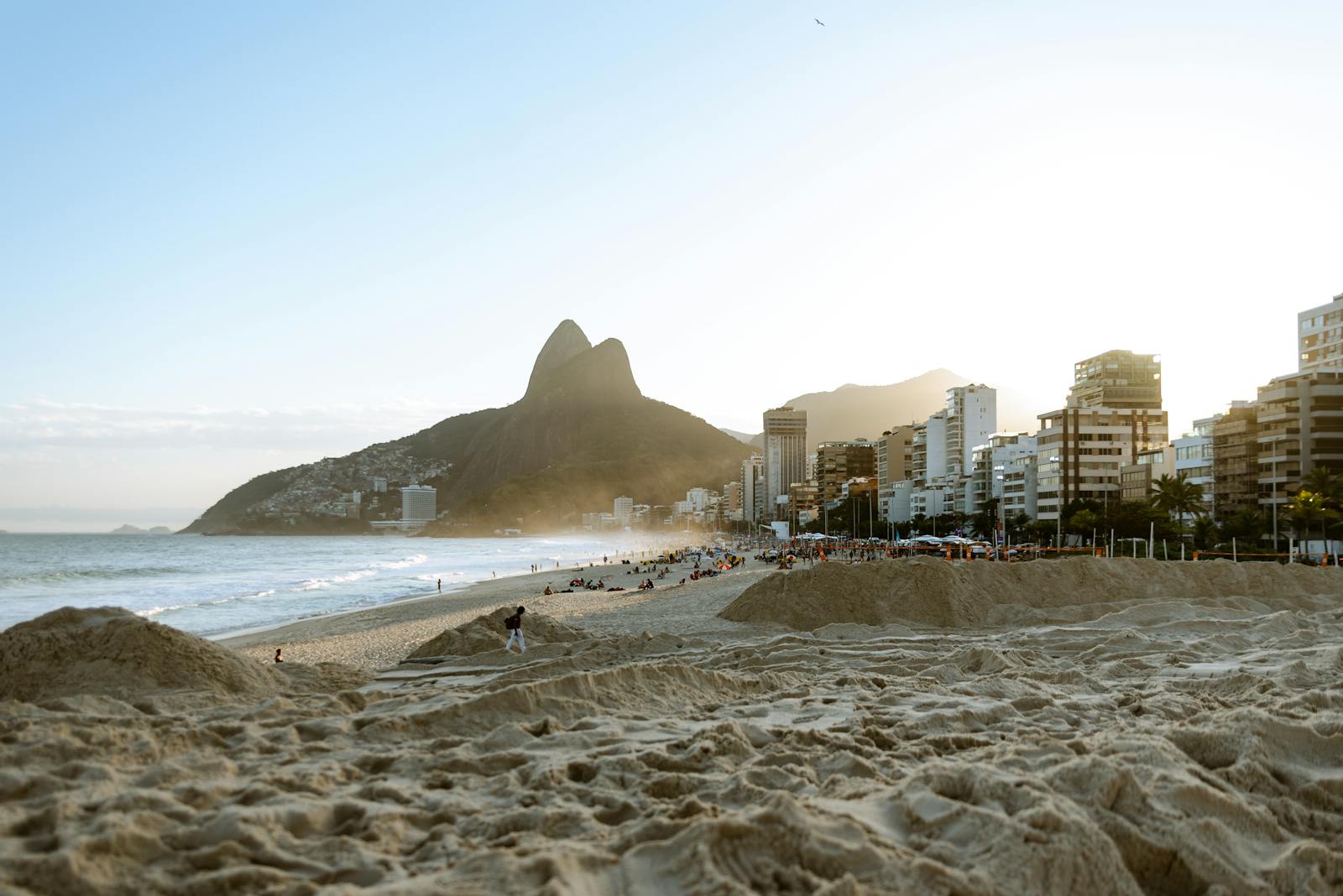
Brazil is huge, covering almost half of South America, and every region feels like a different country. Rio de Janeiro has beaches, mountains and samba; Iguaçu Falls thunders on the Argentine border; the Amazon and the Pantanal are two of the richest wildlife areas on earth; and Salvador, Paraty and the northeast coast add colonial towns and tropical islands. This guide explains where to go, how to combine the regions, the seasons and festivals and what UK travellers need to know.
Where to go in Brazil
Most first trips combine Rio, Iguaçu Falls and either the Amazon or the Pantanal, finishing on a beach. Brazil is too big to drive around, so plan on domestic flights between regions and pick three or four places rather than trying to see everything.
Rio de Janeiro
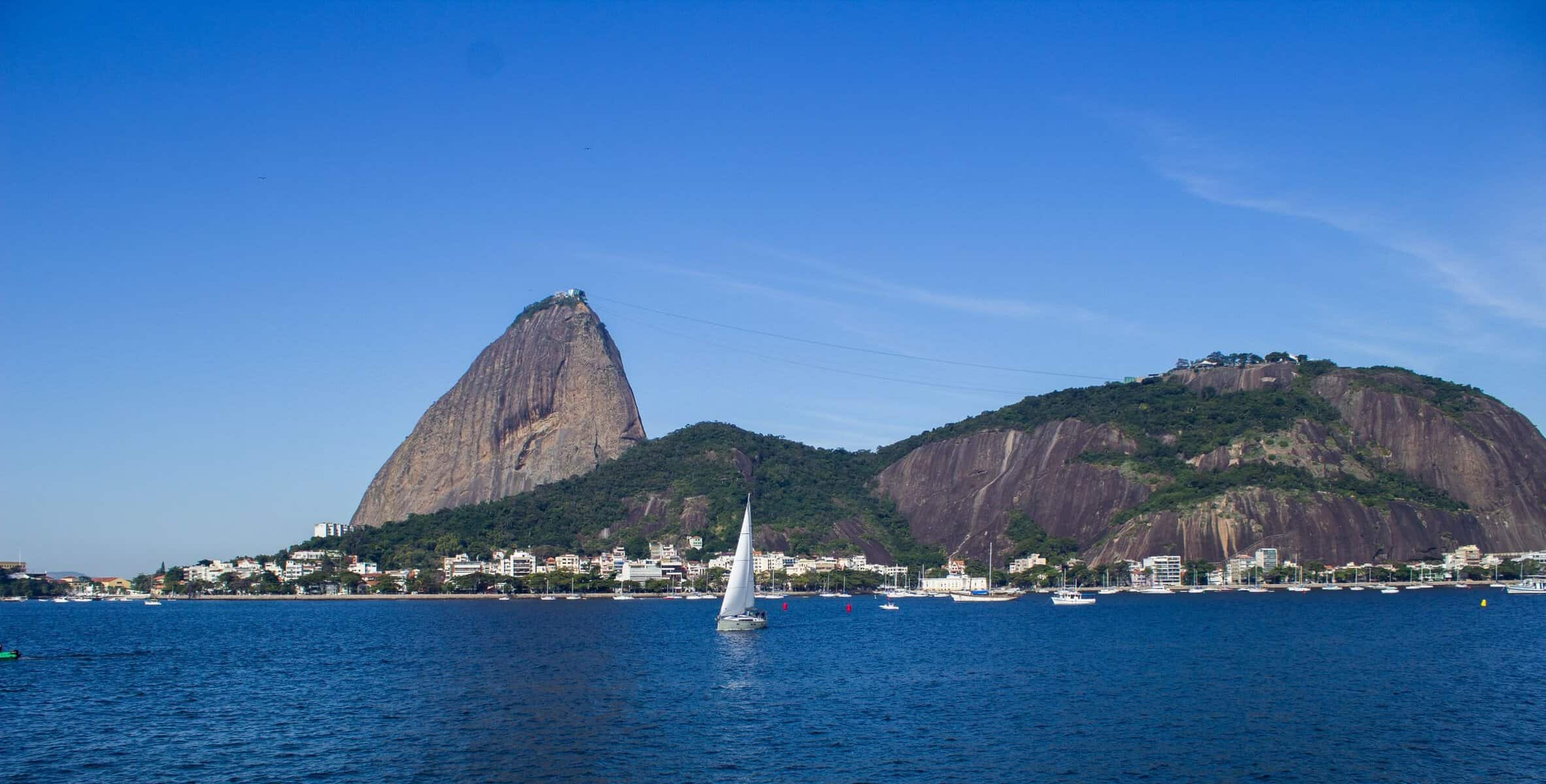
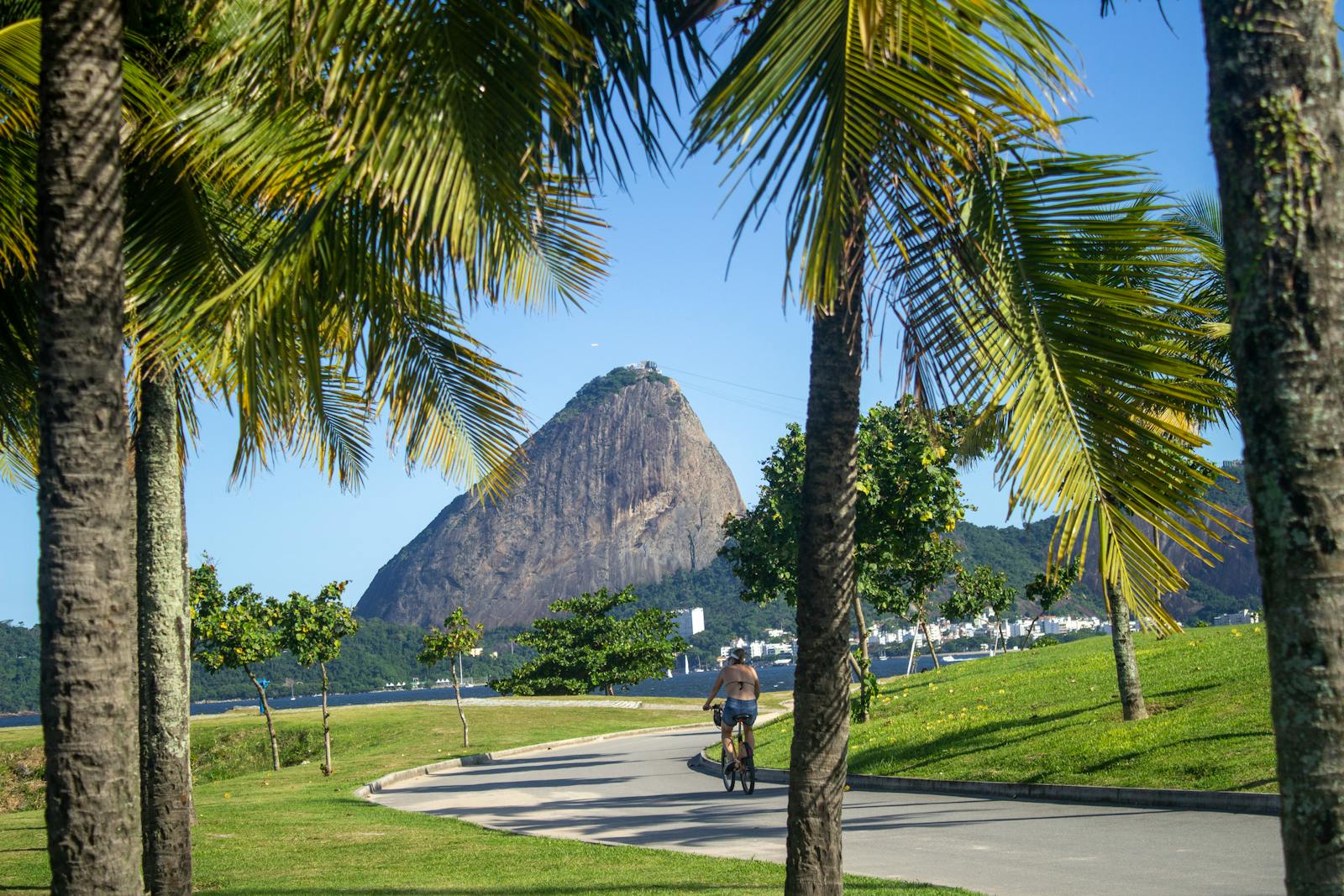
One of the world’s most beautiful cities sits between forested mountains and the sea. Ride up to Christ the Redeemer on Corcovado and the cable car to Sugarloaf, then spend time on Copacabana and Ipanema beaches.
Explore the colourful Santa Teresa district and the Selarón Steps, and hear live samba in Lapa.
Brazil holidays →
Paraty and Ilha Grande
South of Rio along the Costa Verde, Paraty is a cobbled colonial town of white houses and painted doors, with boat trips to islands and waterfalls in the forest behind.
Nearby Ilha Grande has no cars at all, just jungle trails and quiet beaches.
Iguaçu Falls
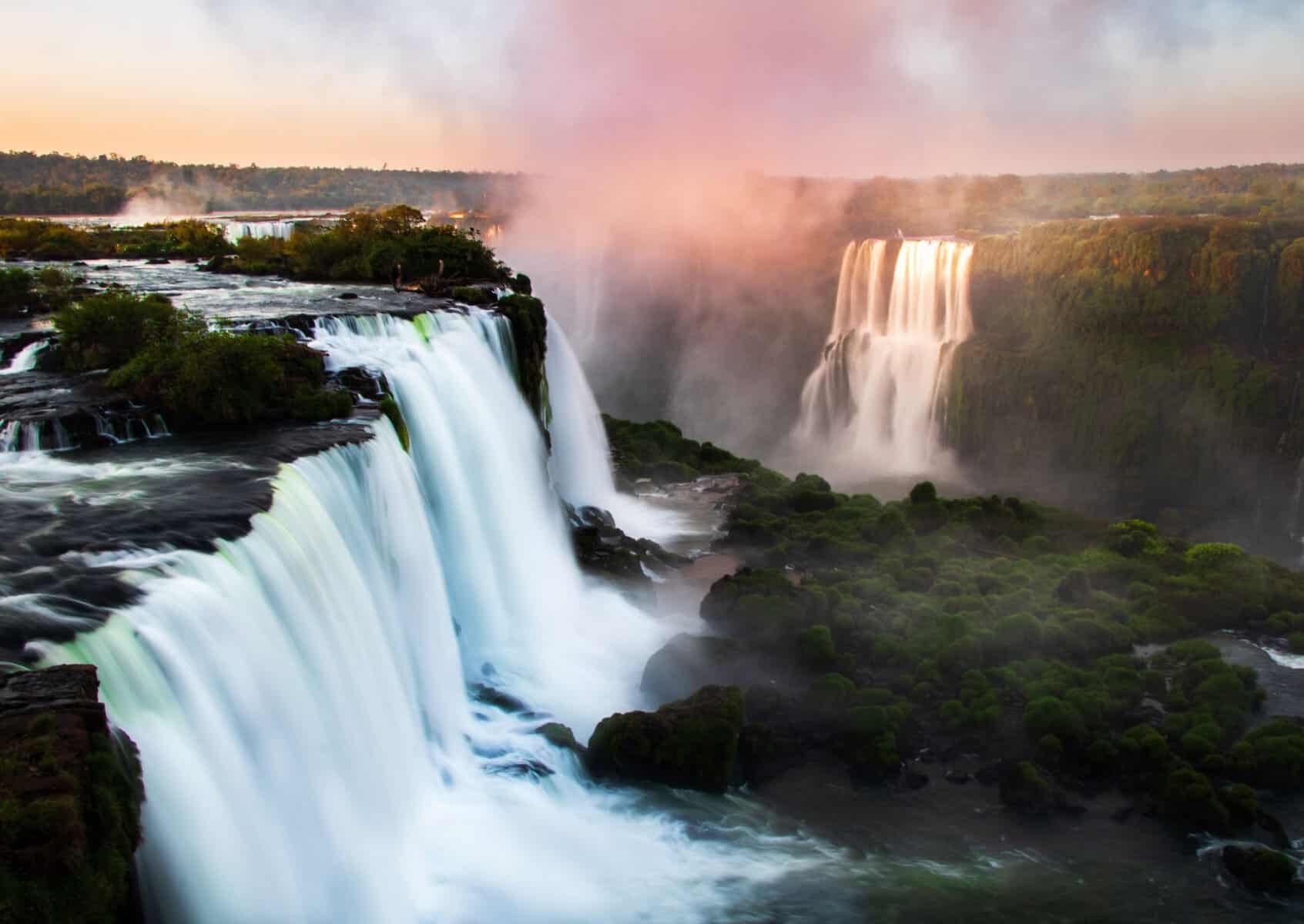
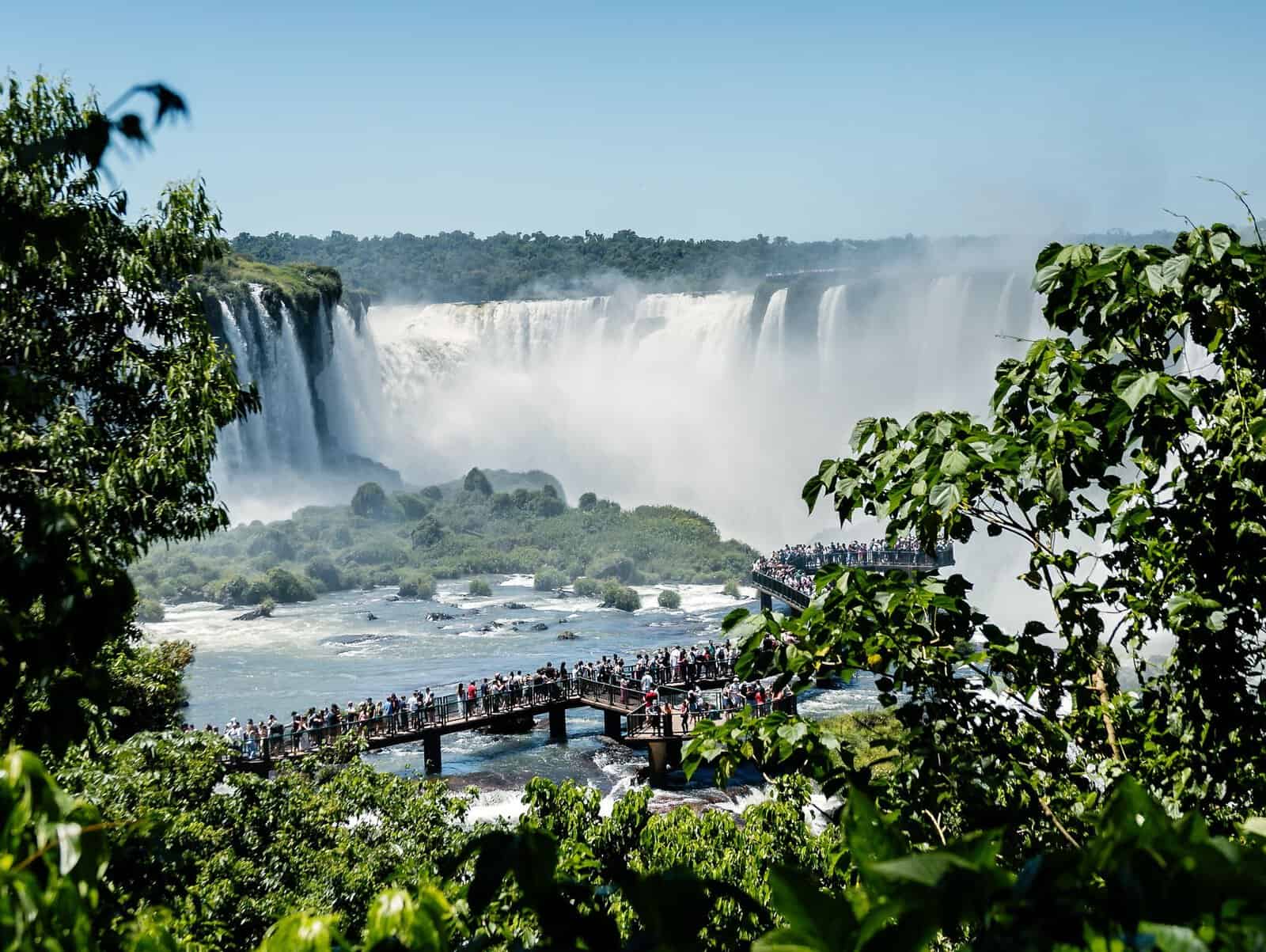
About 275 waterfalls stretch nearly 3 km along the border with Argentina. The Brazilian side gives the best panoramic views; the Argentine side takes you right to the edge of the Devil’s Throat. Two nights lets you see both.
Boat trips go close to the falls, and the surrounding national parks have coatis, toucans and butterflies.
Crossing to the Argentine side? Our Argentina holiday guide covers Iguazú, Buenos Aires, Mendoza and Patagonia.
The Amazon
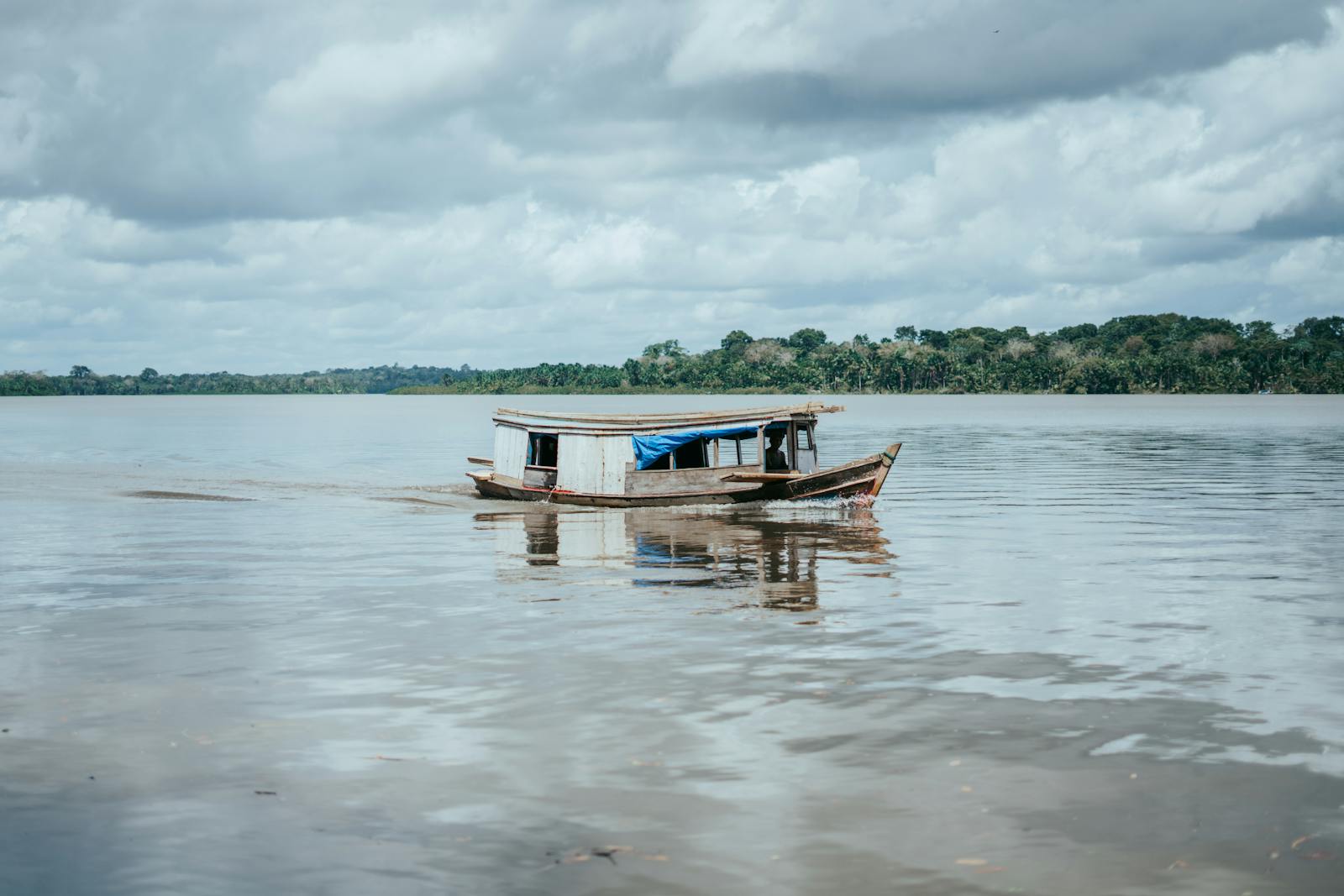
From Manaus, deep in the rainforest, boats head out to jungle lodges. See the Meeting of the Waters, where the dark Rio Negro and the sandy Solimões flow side by side, then canoe through flooded forest, fish for piranha and look for pink river dolphins.
Water levels change by many metres through the year, so the experience changes with the season.
The Pantanal
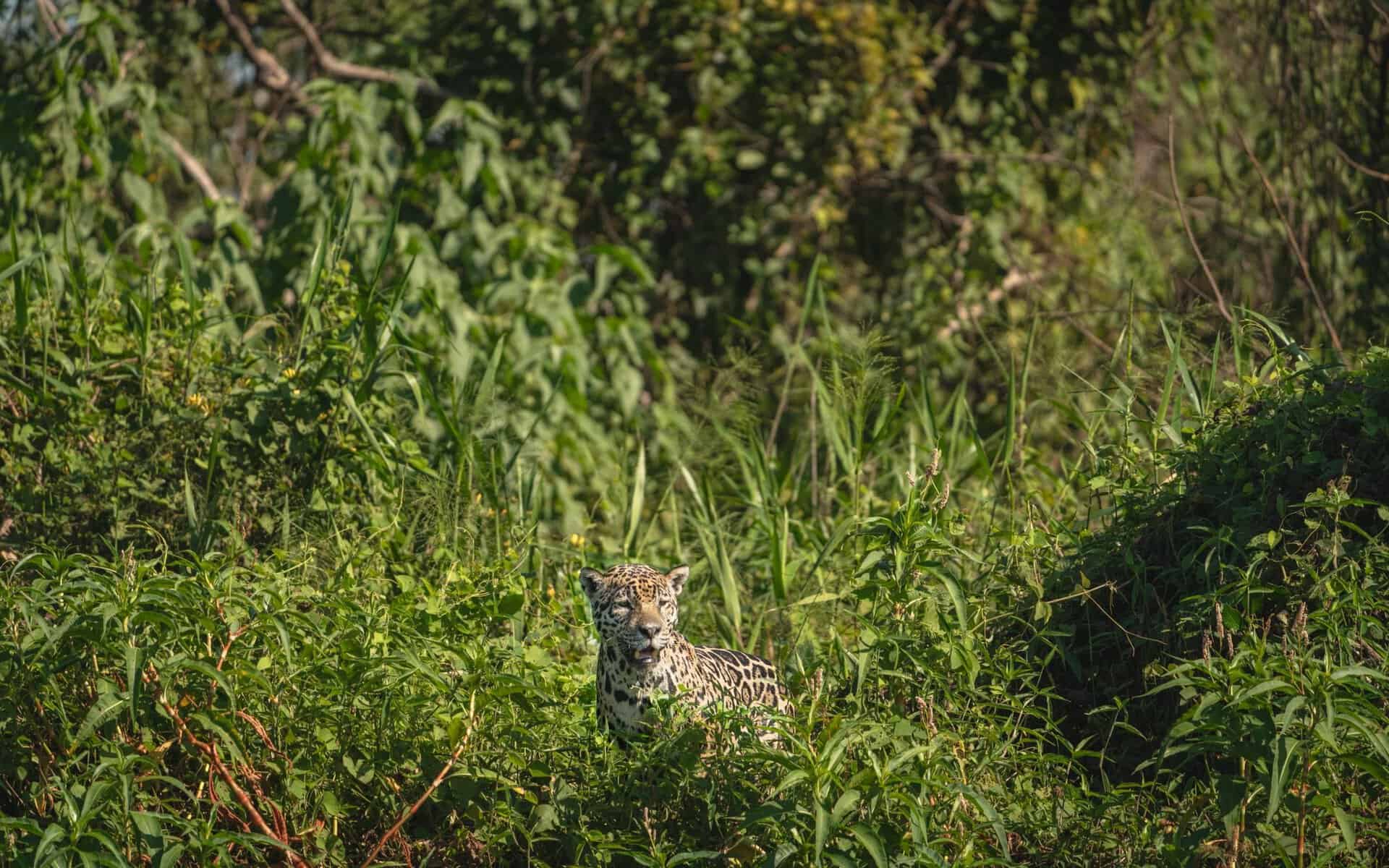
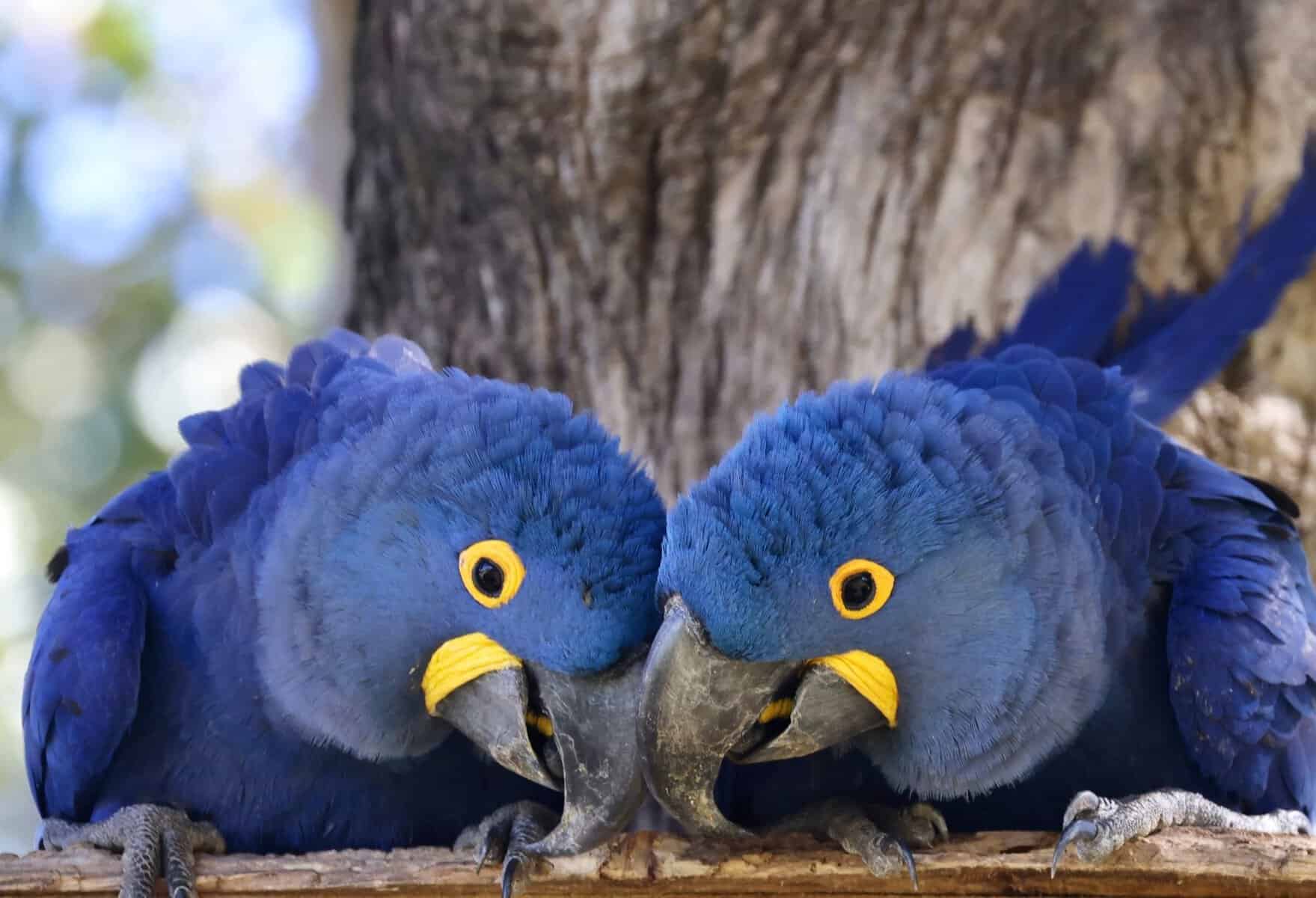
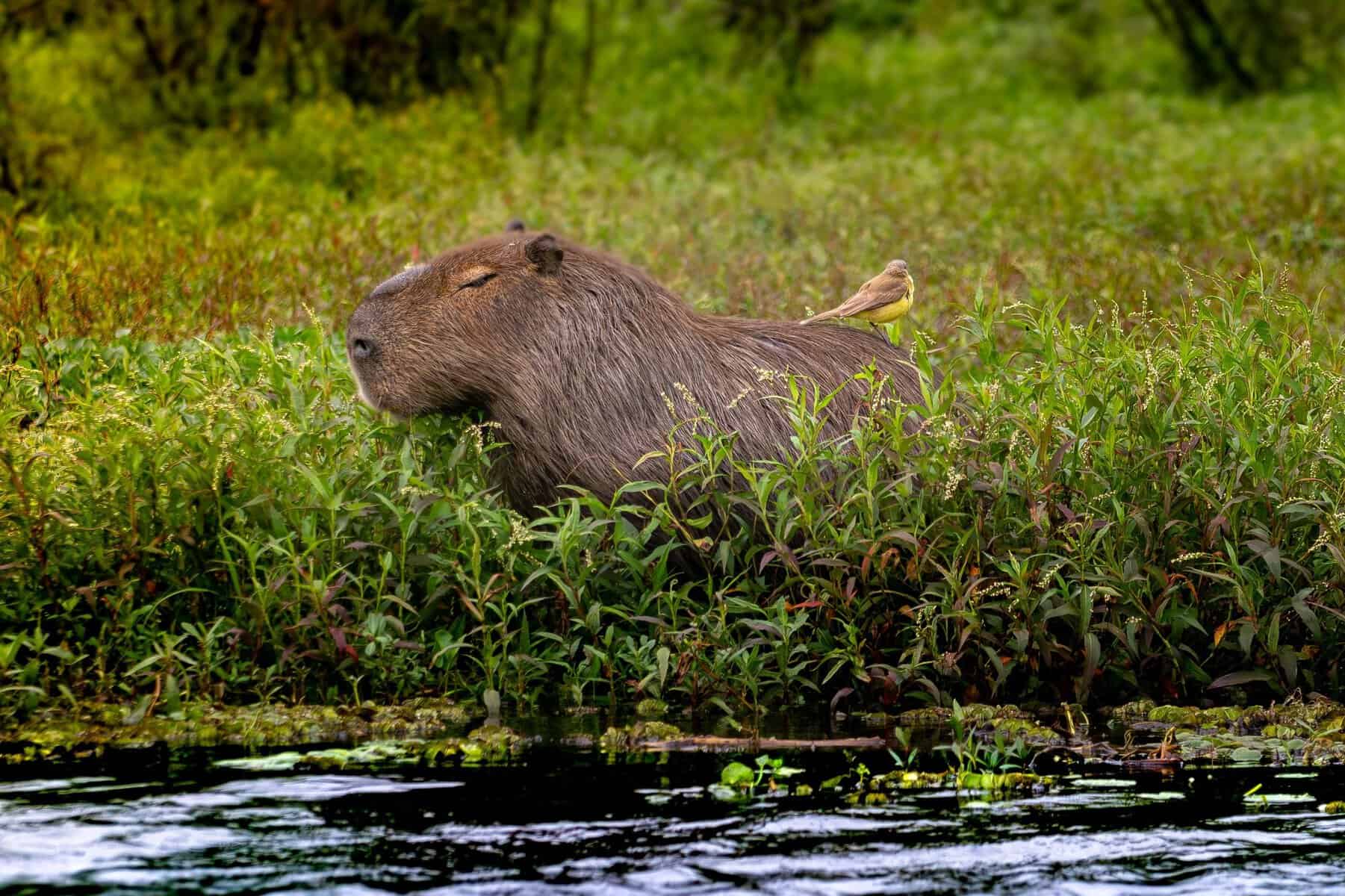
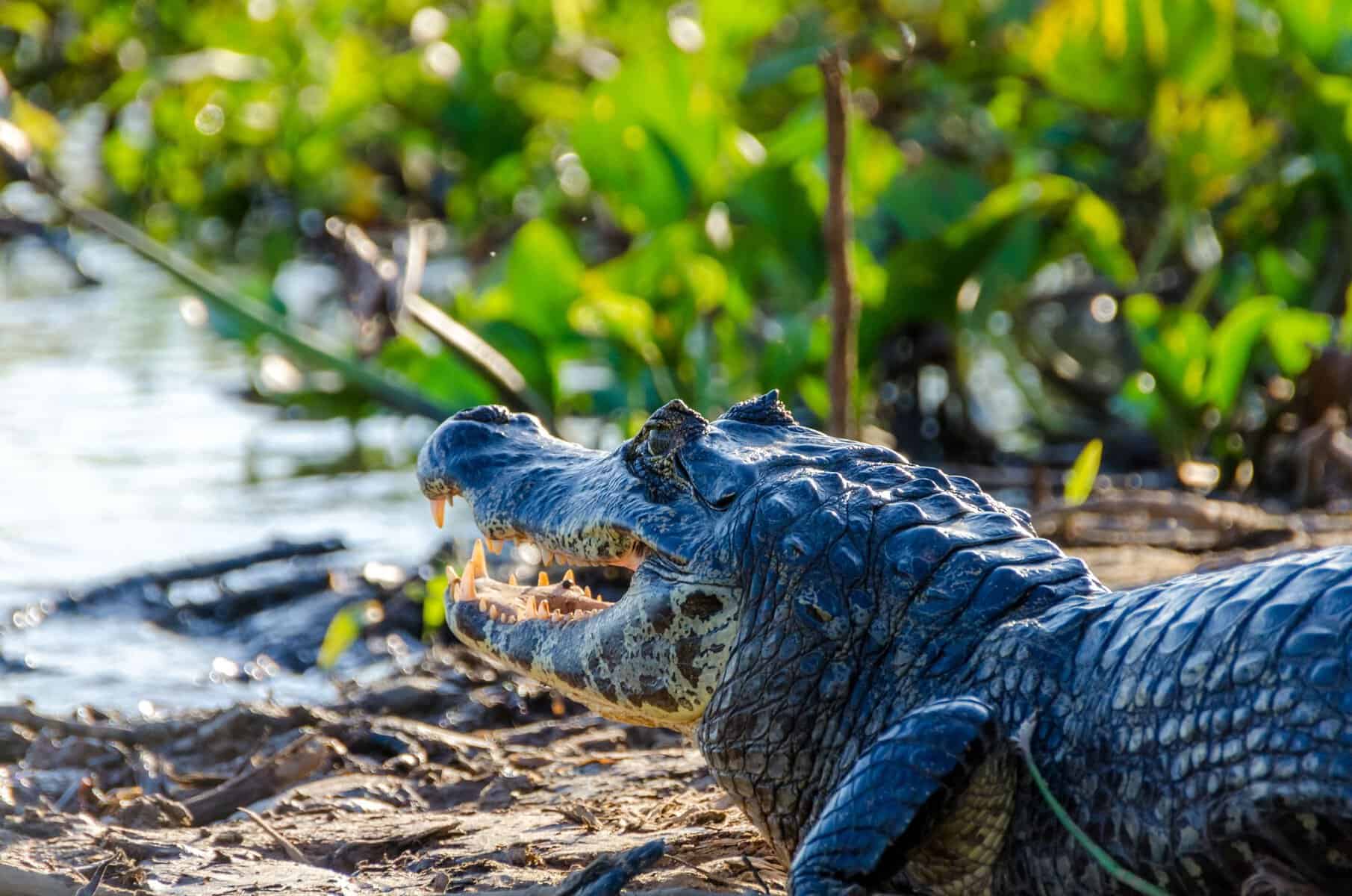
The world’s largest tropical wetland is the best place in South America to see wildlife. Open grasslands and rivers make it easy to spot capybaras, caimans, giant otters, hyacinth macaws and, from boats on the rivers around Porto Jofre, wild jaguars.
The dry season, from about July to October, is best for jaguars.

Salvador and Bahia
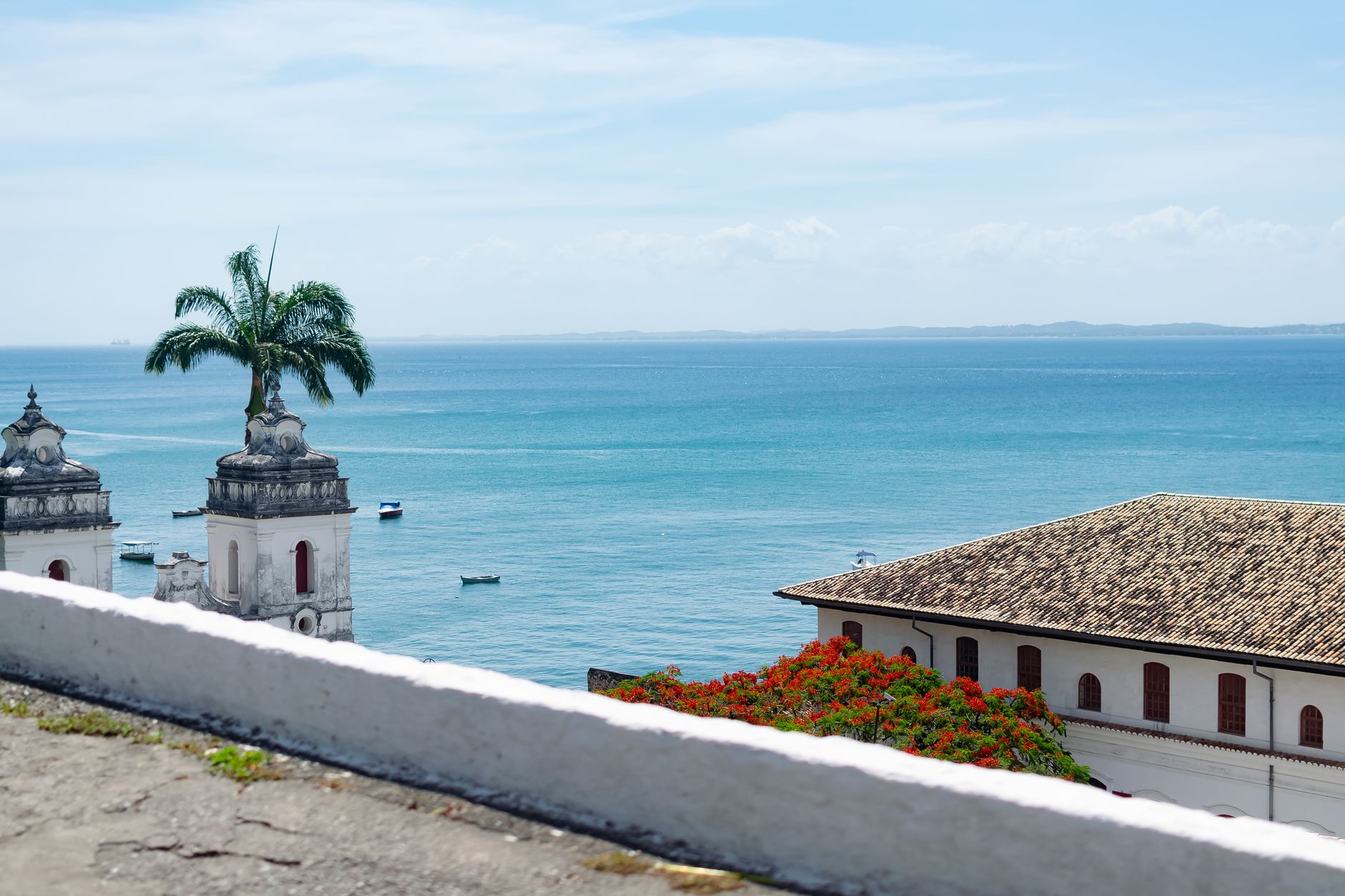
Brazil’s first capital is the heart of Afro-Brazilian culture. The Pelourinho, a UNESCO-listed old town of pastel houses and gilded churches, fills with drumming and capoeira.
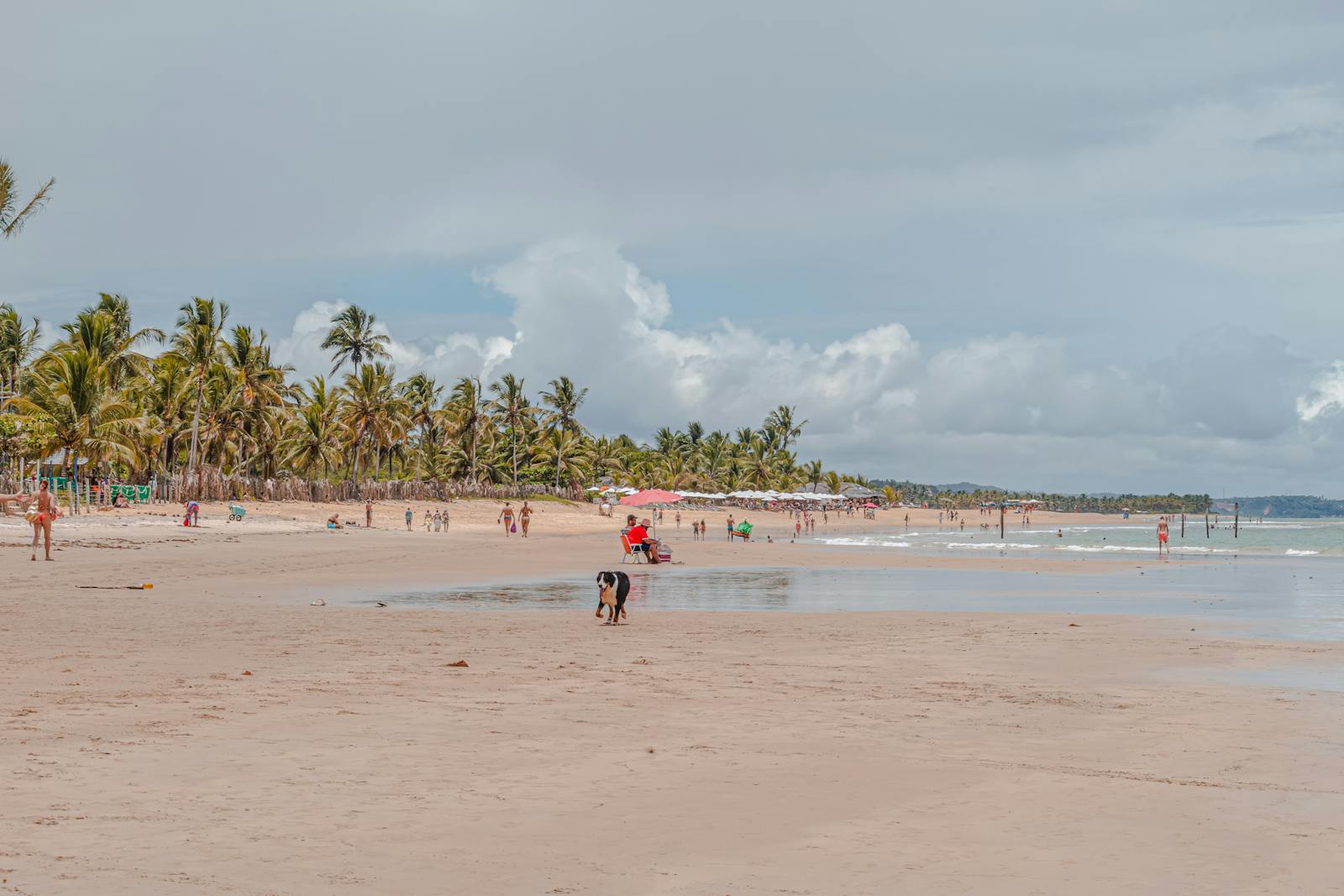
South along the Bahia coast are relaxed beach villages for a few days’ rest.
Fernando de Noronha and the northeast
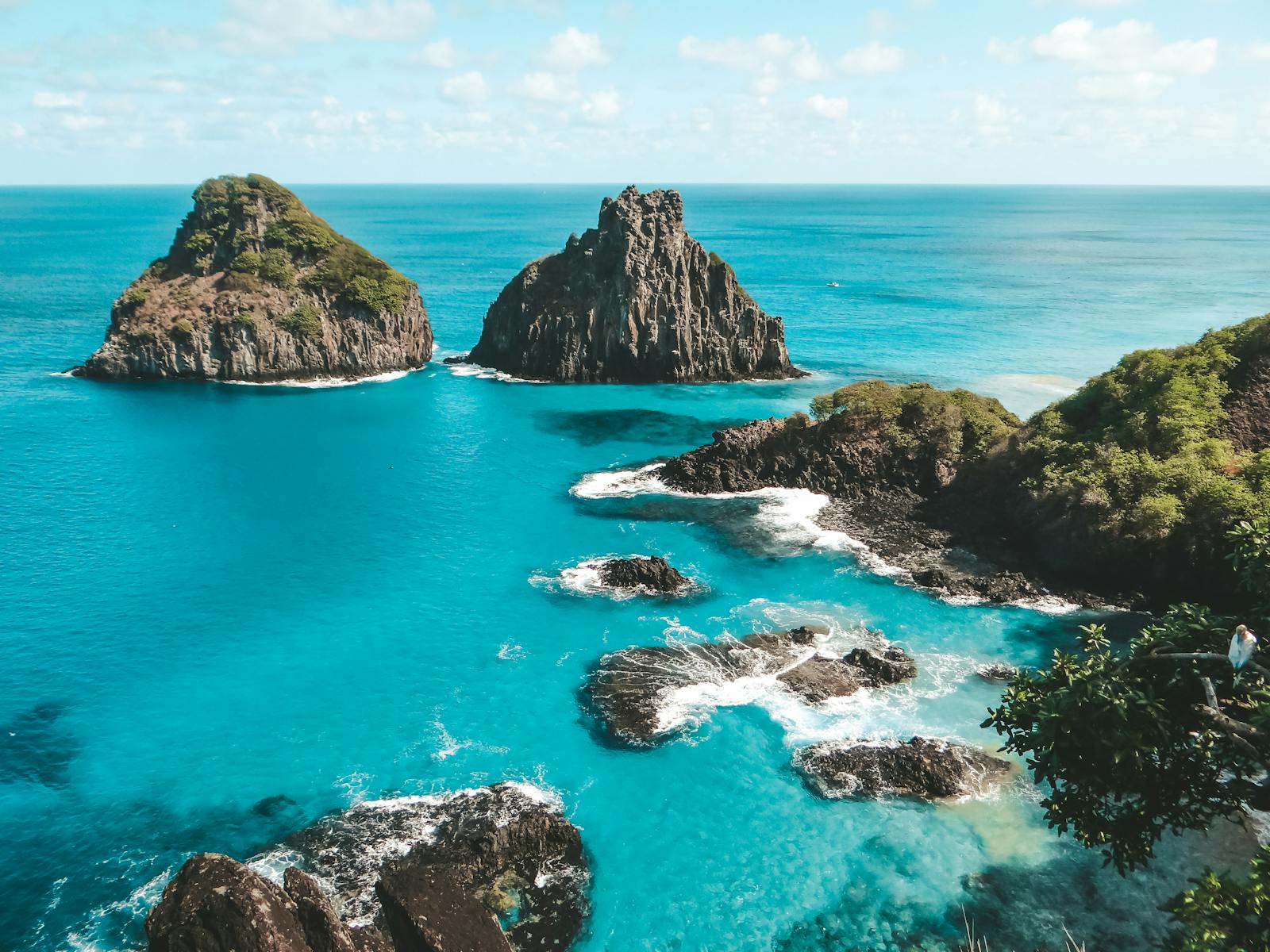
About 350 km off the coast, the Fernando de Noronha archipelago is a protected marine park with some of Brazil’s most beautiful beaches, spinner dolphins and turtles. Visitor numbers are limited and an environmental fee is charged each day.
On the mainland, the northeast has the dunes and lagoons of the Lençóis Maranhenses and the windswept beaches of Jericoacoara.
A day in Rio

Morning: take the train up Corcovado to Christ the Redeemer early, before the clouds and the crowds, then walk through the Botanical Garden.
Afternoon: stroll the Santa Teresa hills and the Selarón Steps, then spend the late afternoon on Ipanema beach, where locals applaud the sunset.
Evening: ride the cable car up Sugarloaf for the city lights, then head to Lapa for dinner and live samba.
Seasons and festivals
Brazil is in the southern hemisphere, so summer is from December to March, the hottest and busiest time in Rio. Seasons differ by region: the Pantanal is dry from about May to October, the Amazon is wettest from about December to May, and the coast around Salvador has most rain from April to July. Rio is pleasant all year, with cooler, drier weather from May to September.

- Carnival: the biggest party on earth takes place in the days before Lent, in February or early March. Rio has the samba school parades; Salvador has huge street parties. See our Rio Carnival 2027 guide.
- New Year’s Eve (Réveillon): millions gather on Copacabana beach, dressed in white, for fireworks over the sea.
- Festas Juninas: June’s country-style festivals are biggest in the northeast, with bonfires, dancing and corn dishes.
Classic routes
Rio, Iguaçu and the Amazon
- Rio de Janeiro (4 nights)
- Iguaçu Falls (2)
- Amazon lodge (3)
- Paraty (3)
The classic first trip, good all year.
Wildlife and waterfalls
- Rio de Janeiro (3 nights)
- Pantanal (4)
- Iguaçu Falls (2)
- Ilha Grande (3)
Best from July to October, for jaguars in the Pantanal.
Culture and coast
- Salvador (3 nights)
- Bahia beaches (4)
- Rio de Janeiro (4)
- Iguaçu Falls (2)
- Paraty (3)
Colonial towns, music and beaches; add Fernando de Noronha.

Wildlife and nature

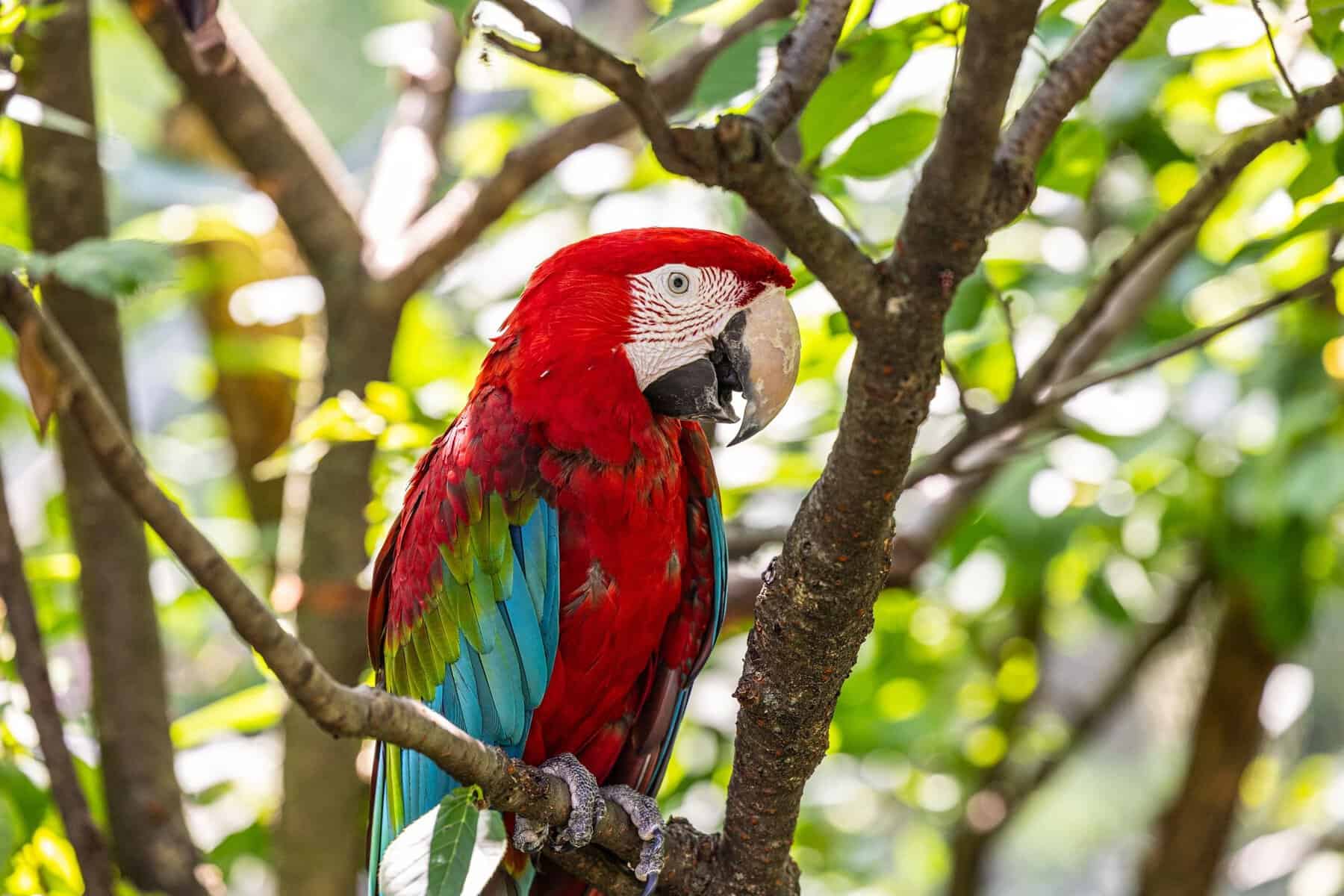

- Jaguars: the rivers of the northern Pantanal are the most reliable place in the world to see them, usually from a boat.
- The Amazon: look for pink river dolphins, sloths, monkeys and hundreds of bird species. Wildlife is harder to see in thick forest than in the open Pantanal.
- The Atlantic Forest: the coastal rainforest around Paraty and Ilha Grande is home to monkeys, hummingbirds and many rare species.
Ways to see Brazil with us



Practical tips
- Entry: British passport holders don’t need a visa to visit Brazil for up to 90 days for tourism. Check the FCDO Brazil advice before you book and before you travel.
- Health: yellow fever vaccination is recommended for many areas, including the Amazon, the Pantanal and Iguaçu. Ask a travel nurse at least eight weeks before you go, and use insect repellent against dengue.
- Flights: there are direct flights from London to Rio and São Paulo. Inside Brazil, fly between regions: Rio to Manaus takes about four hours.
- Safety: in cities, keep valuables out of sight, use registered taxis or ride-hailing apps, and don’t take anything you don’t need to the beach. Your guides will advise which areas to avoid.
- Money: cards are widely used, and contactless payment is everywhere in cities. Carry some reais for markets and tips.
- Language: Brazilians speak Portuguese, not Spanish. English is limited outside hotels, so a few words of Portuguese go a long way.
Frequently asked questions
Do British citizens need a visa for Brazil?
No. British passport holders can visit Brazil for tourism for up to 90 days without a visa. Visas were reintroduced in 2025 for US, Canadian and Australian citizens, not for UK citizens. Check the FCDO travel advice before you travel.
When is summer in Brazil?
Brazil is in the southern hemisphere, so summer runs from December to March, when Rio is hot and busy. Winter, from June to August, is mild in Rio and the best time for the Pantanal.
What are the best places to visit in Brazil?
Rio de Janeiro, Iguaçu Falls, the Amazon around Manaus, the Pantanal wetlands, colonial Salvador and Paraty, and the islands of Fernando de Noronha.
What is the Pantanal?
The world's largest tropical wetland, mostly in western Brazil. Its open grasslands and rivers make it the best place in South America to see wildlife, including jaguars, giant otters, caimans and hyacinth macaws.
How do you get to Fernando de Noronha?
By domestic flight from Recife or Natal on the northeast coast. Visitor numbers are limited, and every visitor pays a daily environmental fee, so book well ahead.
Should I visit Iguaçu Falls from Brazil or Argentina?
Both if you can. The Brazilian side gives the best panoramic views, while the Argentine side has longer trails that take you close to the falls, including the Devil's Throat. Two nights is ideal.
How many days do you need in Brazil?
Twelve to fourteen days covers Rio, Iguaçu Falls, the Amazon or Pantanal and a beach. With three weeks, add Salvador, Paraty or Fernando de Noronha.
Is Brazil safe for tourists?
Most visits are trouble-free, but street crime is a problem in big cities. Keep valuables out of sight, use registered taxis or apps, and follow local advice. Check the FCDO advice before you travel.
Keep planning
- Brazil holidays
- Escorted tours of Brazil
- Rio Carnival 2027
- South America tours compared
- Pantanal jaguar safari
- Patagonia tours
- Costa Rica holiday guide
- Tailor-made holidays
Plan your Brazil holiday with a Travel Designer
Tell us your dates and interests, and we’ll plan the route, the domestic flights and the lodges, all in one ATOL-protected booking.
Make an enquiry Brazil holidays