Kenya in brief
- The classic first trip is the Masai Mara + Amboseli or Samburu, then the beach at Diani, in 10 to 14 days.
- Stay in a private Mara conservancy for fewer vehicles, night drives and walking safaris.
- The Great Migration is in the Mara from about July to October. The dry seasons are late June to October and January to February. See when to go.
- It’s a direct 8.5-hour flight from London, and UK visitors need an eTA before flying.
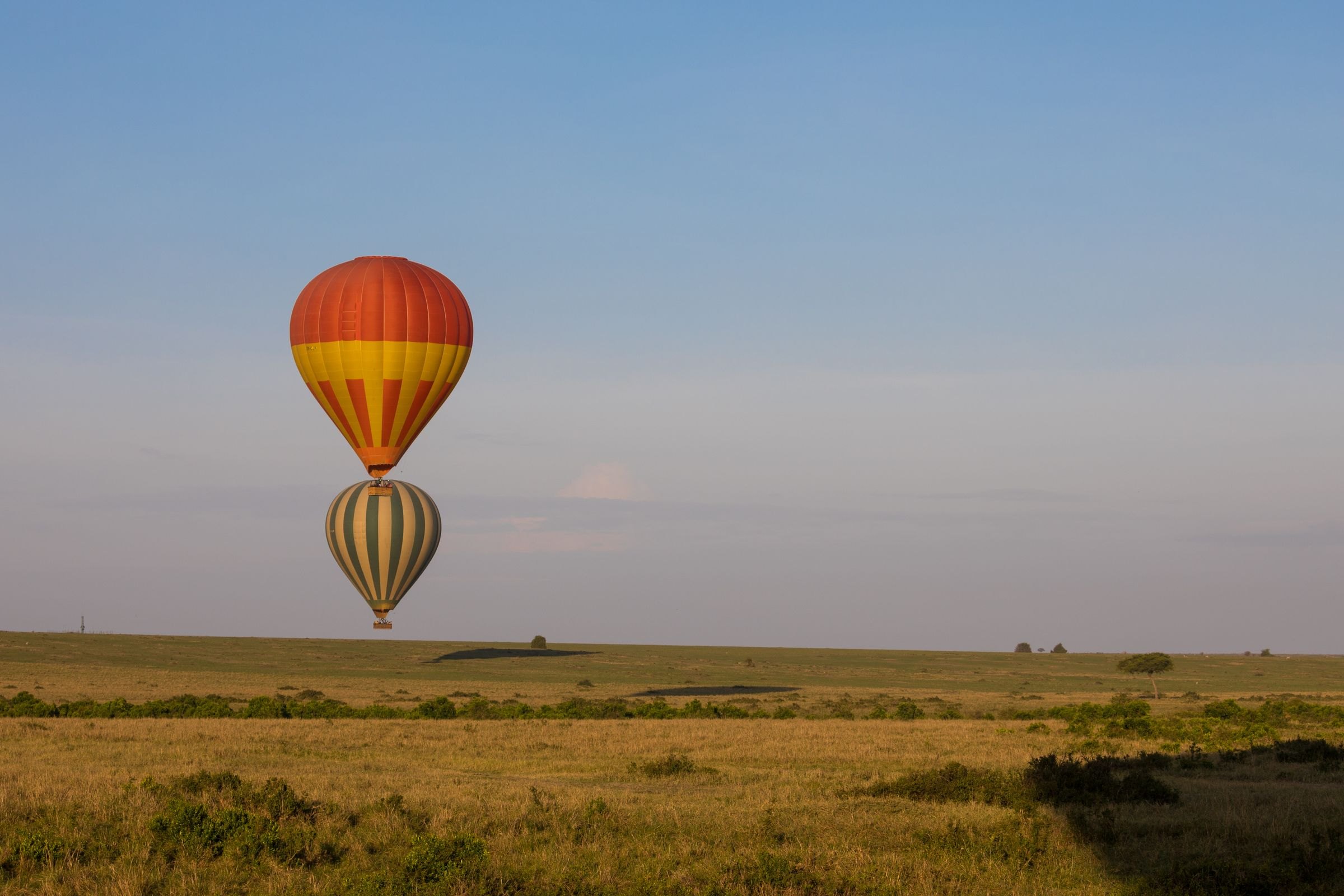
Kenya is where the word “safari” comes from, and it still does it better than almost anywhere. The Masai Mara has the Great Migration, Amboseli has elephants under Kilimanjaro, and the northern reserves have animals you won’t see further south. Then there’s an Indian Ocean coast of white beaches and Swahili towns, about an hour’s flight from the parks. This guide covers where to go, how the pieces fit together and the routes we plan most often.
Where to go in Kenya
A first trip usually combines the Masai Mara with one or two other parks for contrast, then ends on the coast. The parks are far apart by road, so short light-aircraft hops (from Nairobi’s Wilson Airport) are often the best use of your time.

Masai Mara
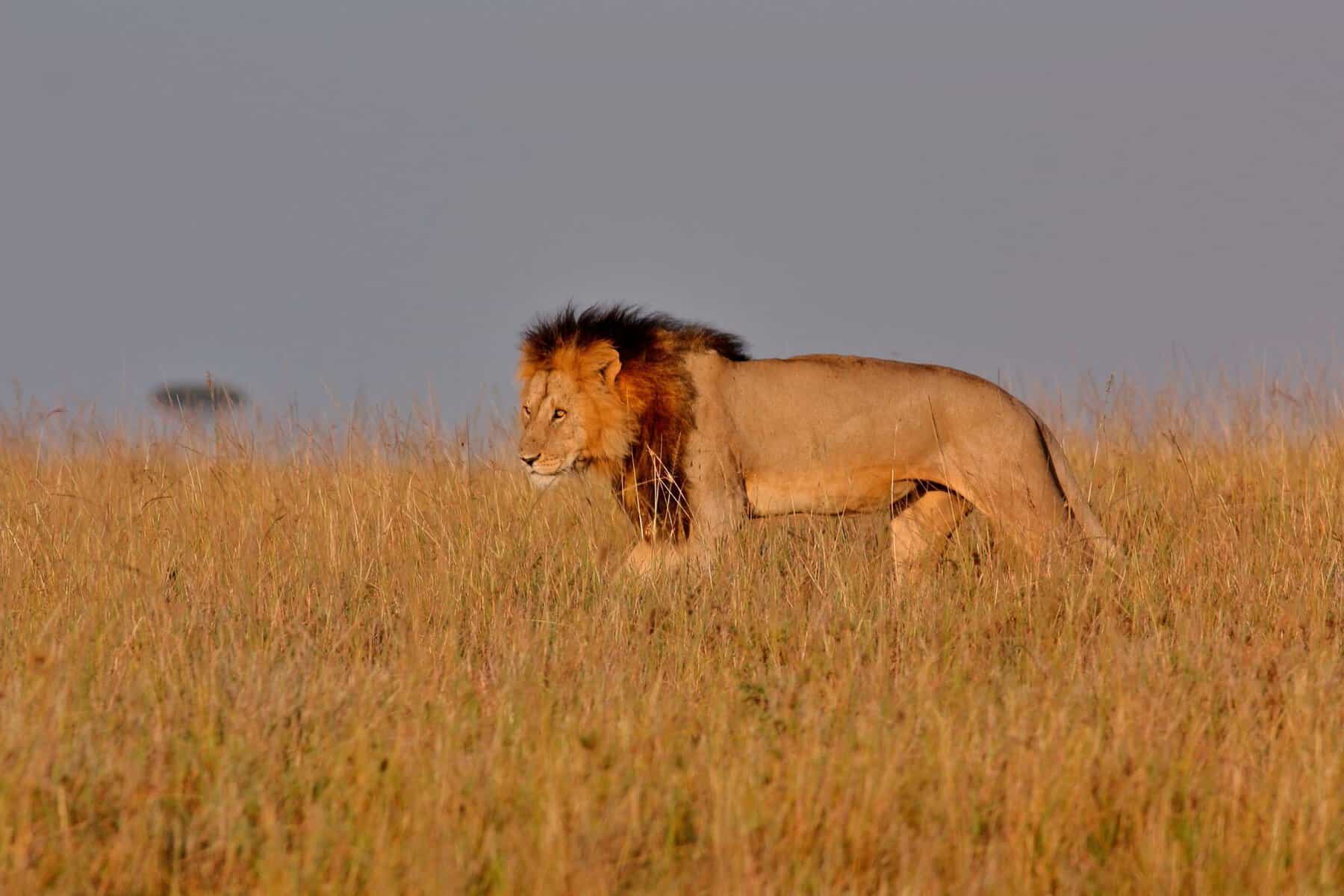
Kenya’s headline reserve: open grassland with some of the highest densities of lion, cheetah and leopard in Africa. From about July to October the Great Migration crosses over from the Serengeti, and the Mara River crossings are the most dramatic wildlife spectacle on earth.
Stay in one of the private conservancies bordering the reserve (such as Naboisho, Olare Motorogi or Mara North). They limit vehicles at sightings and allow night drives and guided walks, which the main reserve doesn’t.
Safari and beach holidays →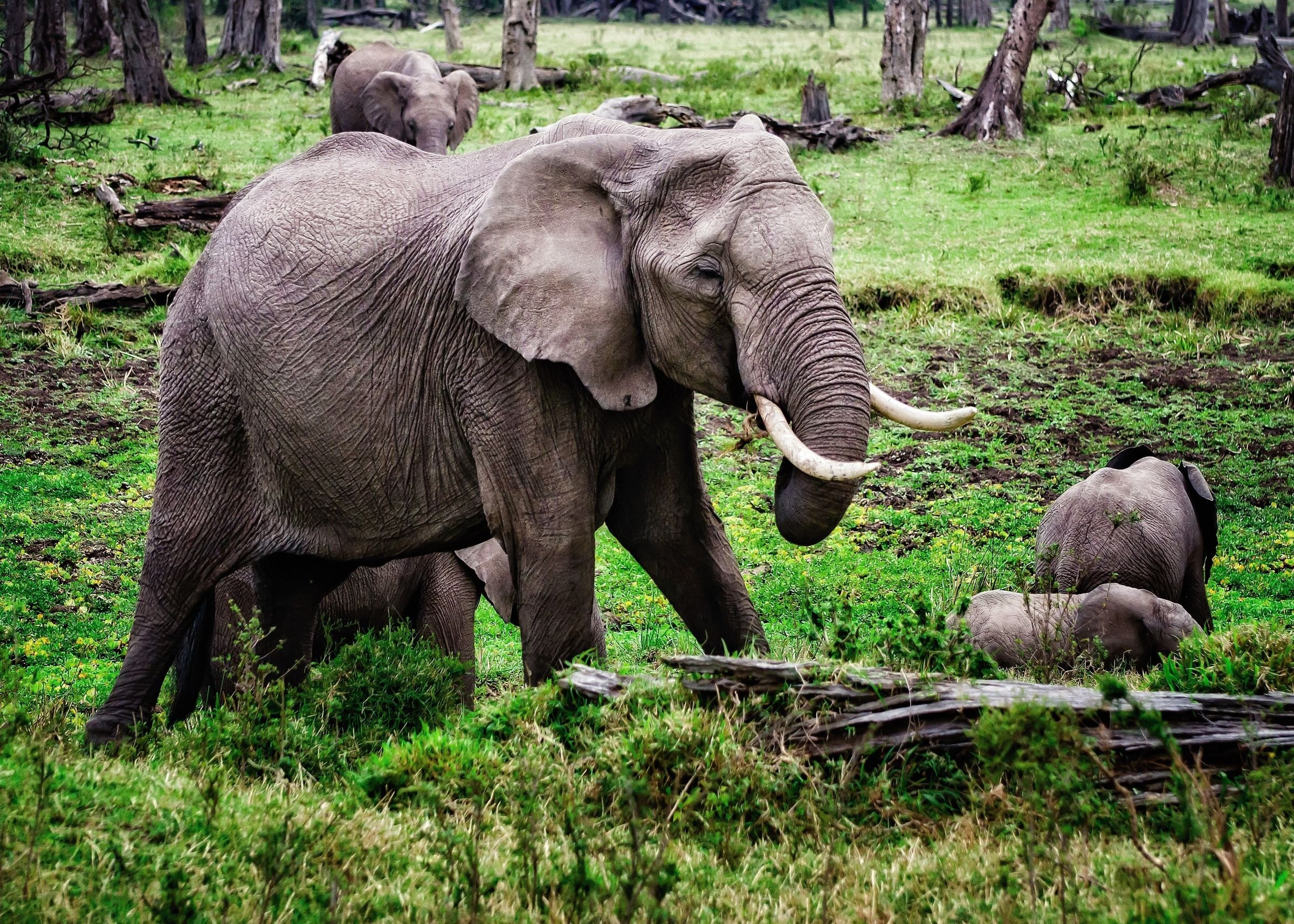
Amboseli
Big-tusked elephant herds against the snows of Kilimanjaro, just over the border in Tanzania. The mountain is clearest early in the morning and at dusk, so take game drives at the edges of the day.
It’s about four to five hours by road from Nairobi, or a short flight.

Samburu and Laikipia
The dry north has the “Samburu Special Five”: reticulated giraffe, Grevy’s zebra, Beisa oryx, gerenuk and Somali ostrich, along the palm-lined Ewaso Nyiro river.
Laikipia, on the plateau below Mount Kenya, is ranch and conservancy country. Ol Pejeta has black and white rhinos and the last two northern white rhinos. Walking, camel and horseback safaris are all possible.

Lake Nakuru, Naivasha and the Rift Valley
A natural stop between Nairobi and the Mara. Lake Nakuru National Park is one of the best places in Kenya to see rhino; how many flamingos there are depends on the water level.
At Lake Naivasha you can take a boat out among the hippos, walk among giraffe and zebra on Crescent Island, or cycle through Hell’s Gate gorge.
Nairobi
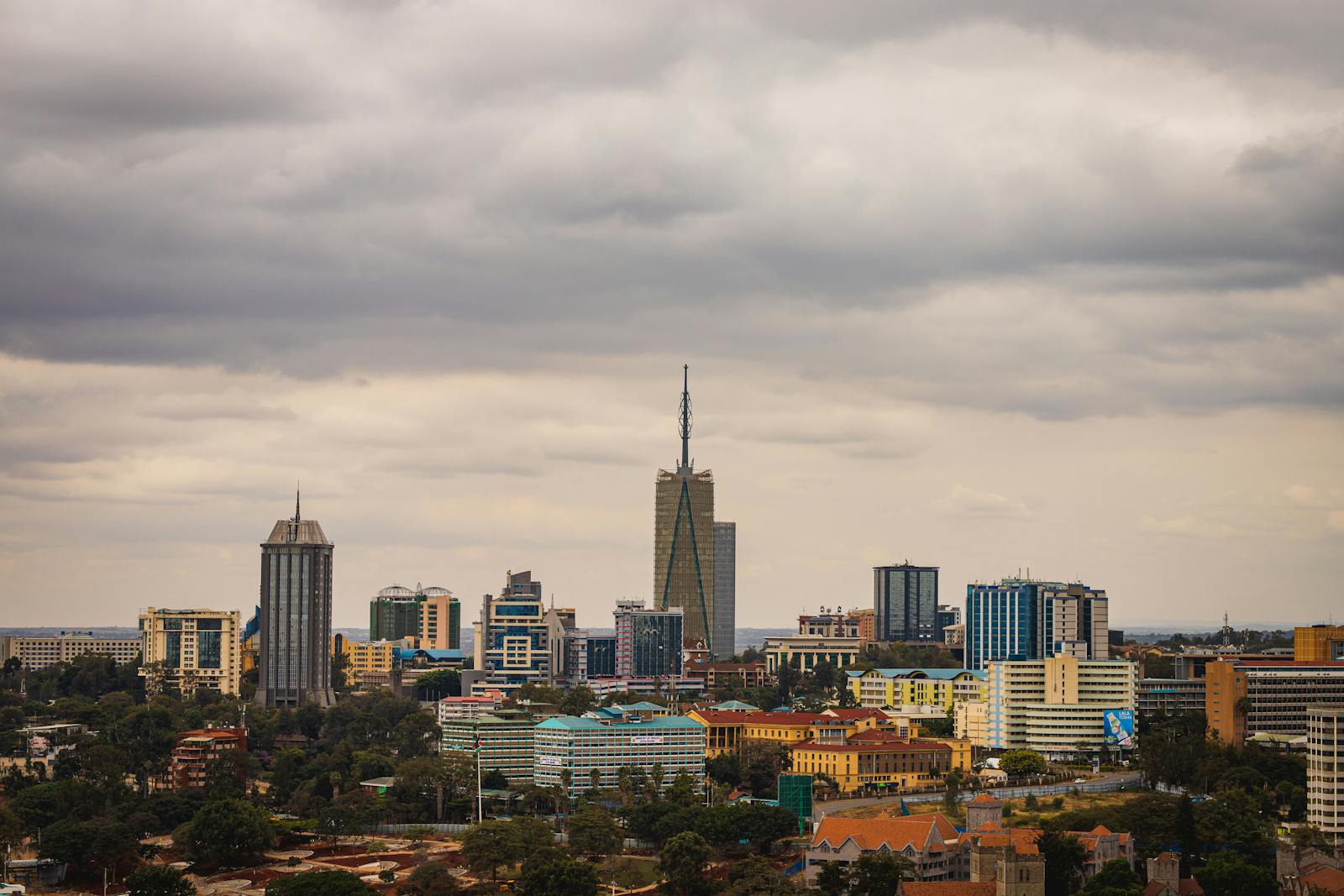
Most trips start here, and a day is worth it. See the orphaned baby elephants at the Sheldrick Wildlife Trust, feed endangered Rothschild’s giraffes at the Giraffe Centre (Giraffe Manor, the hotel famous for giraffes at breakfast, is next door), and visit the Karen Blixen Museum.
Nairobi National Park, with lions and rhinos against the city skyline, is just 20 minutes from the centre.
Diani Beach
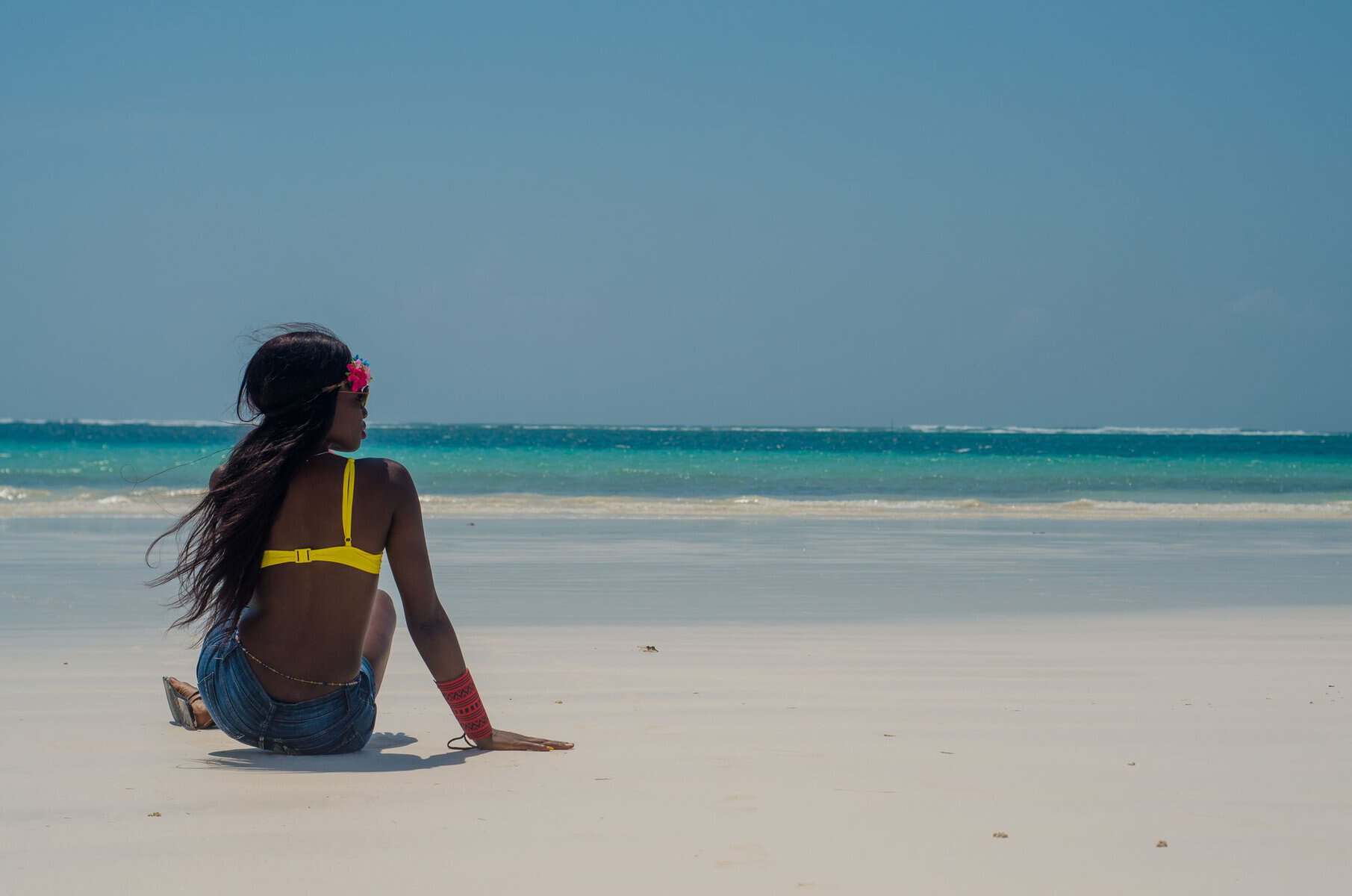
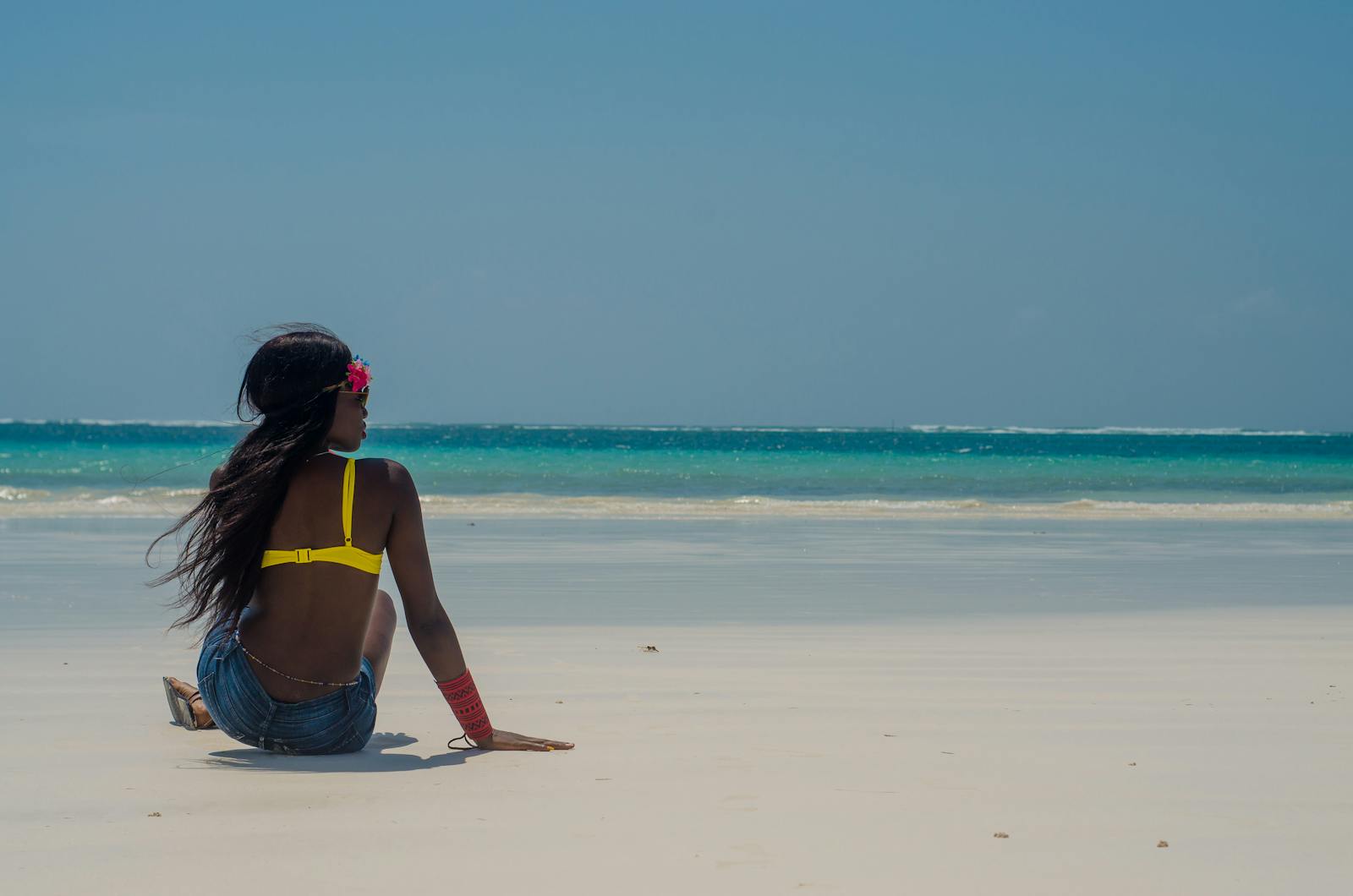
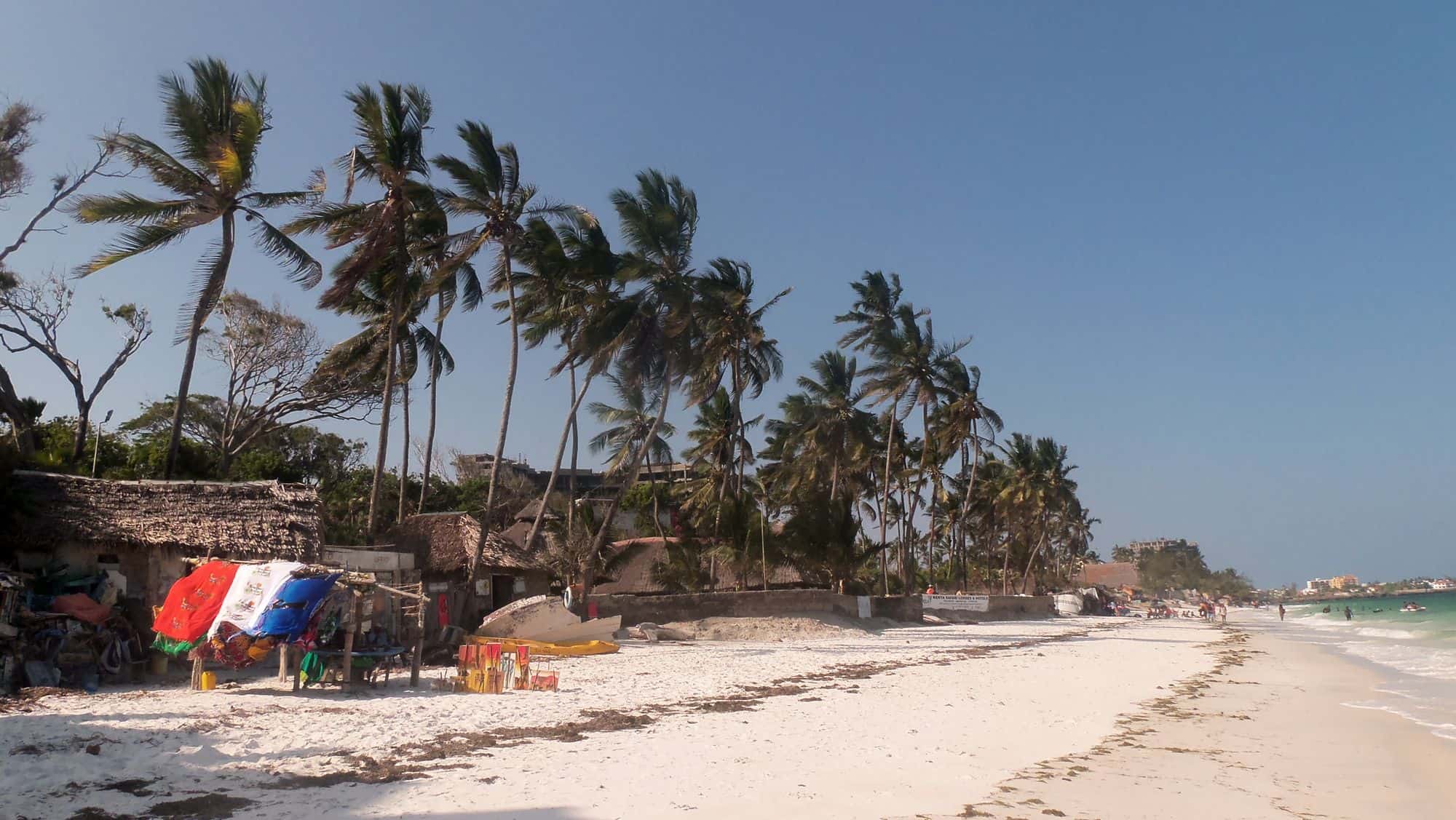
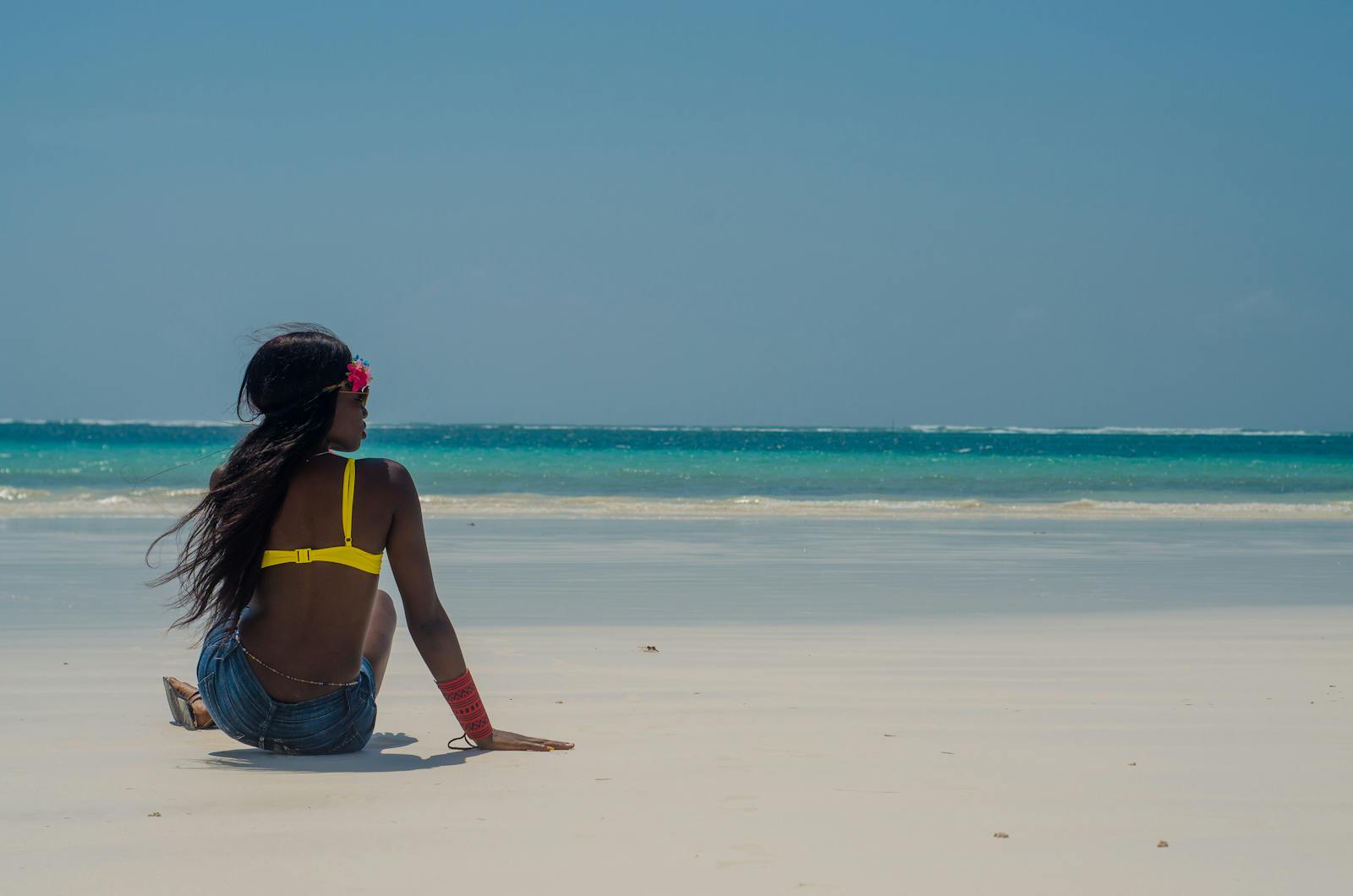
The south coast’s long white beach, south of Mombasa, with a fringing reef, warm water all year and colobus monkeys in the coastal forest.
Take a dhow trip to Wasini Island and the Kisite marine park for snorkelling and dolphins. From the Mara or Amboseli it’s a short flight to Ukunda.
Kenya safari and coast →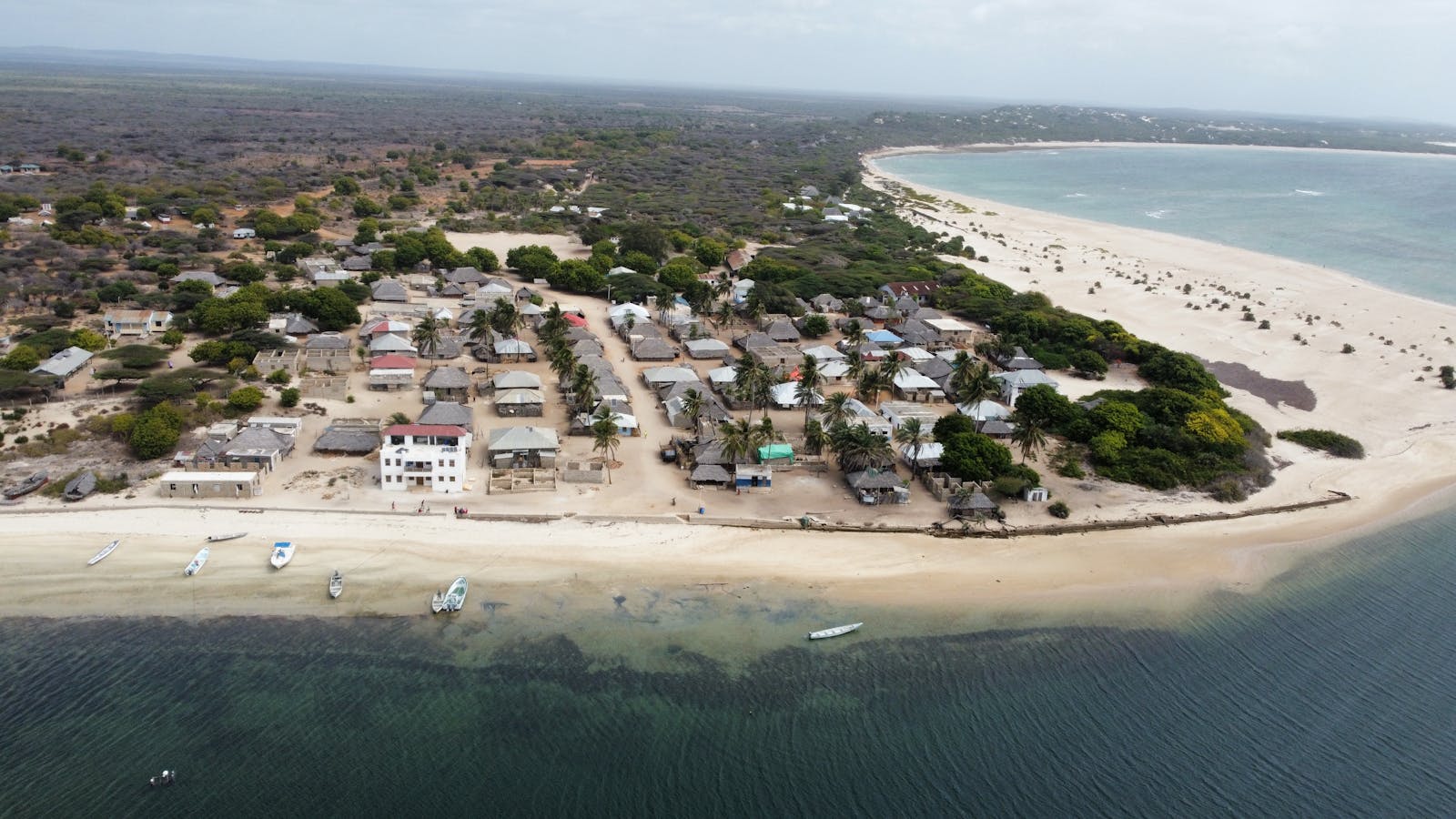
Watamu and Malindi
North of Mombasa, Watamu sits on a protected marine park with coral gardens, turtles and Mida Creek’s mangroves. Nearby are the ruins of Gede, a medieval Swahili town in the forest.
It’s quieter and more low-key than Diani.
Lamu
Lamu Old Town is the best-preserved Swahili town in East Africa and a UNESCO World Heritage Site: narrow lanes, carved doors, donkeys instead of cars, and dhows at sunset. It feels a world away from the safari circuit.
Lamu and Manda islands are reached by air. Parts of mainland Lamu County are covered by FCDO advice against travel, so check the current advice before booking.
Three classic routes
Each route works as a small-group escorted tour or tailor-made. Flying between parks costs more but saves long, bumpy drives.
Classic Kenya by road
- Nairobi (1 night)
- Amboseli (2)
- Lake Naivasha or Nakuru (2)
- Masai Mara (3)
- Fly to Diani (3 to 4)
The best-value way to see three contrasting parks, then rest on the beach.
Fly-in Mara and Laikipia
- Nairobi (1 night)
- Fly to a Mara conservancy (4)
- Fly to Laikipia or Samburu (3)
- Optional: beach
Less driving, more time with the animals. Ideal for the Migration, July to October.
Kenya and Zanzibar or Tanzania
- Nairobi (1 night)
- Masai Mara (3)
- Cross to the Serengeti and Ngorongoro (4)
- Fly to Zanzibar (4)
Both halves of the Migration country, then Zanzibar’s beaches and Stone Town.

The Great Migration in Kenya
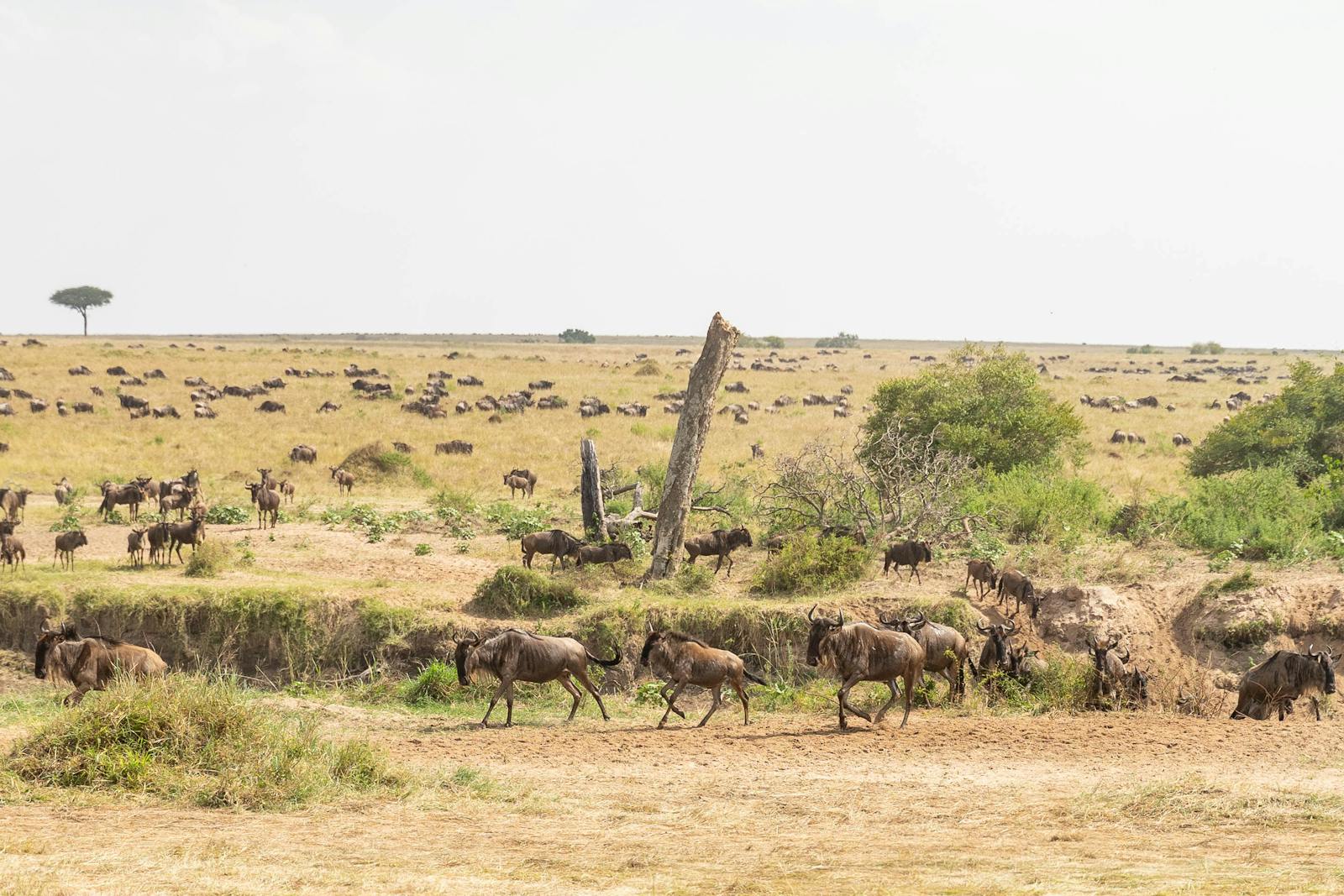
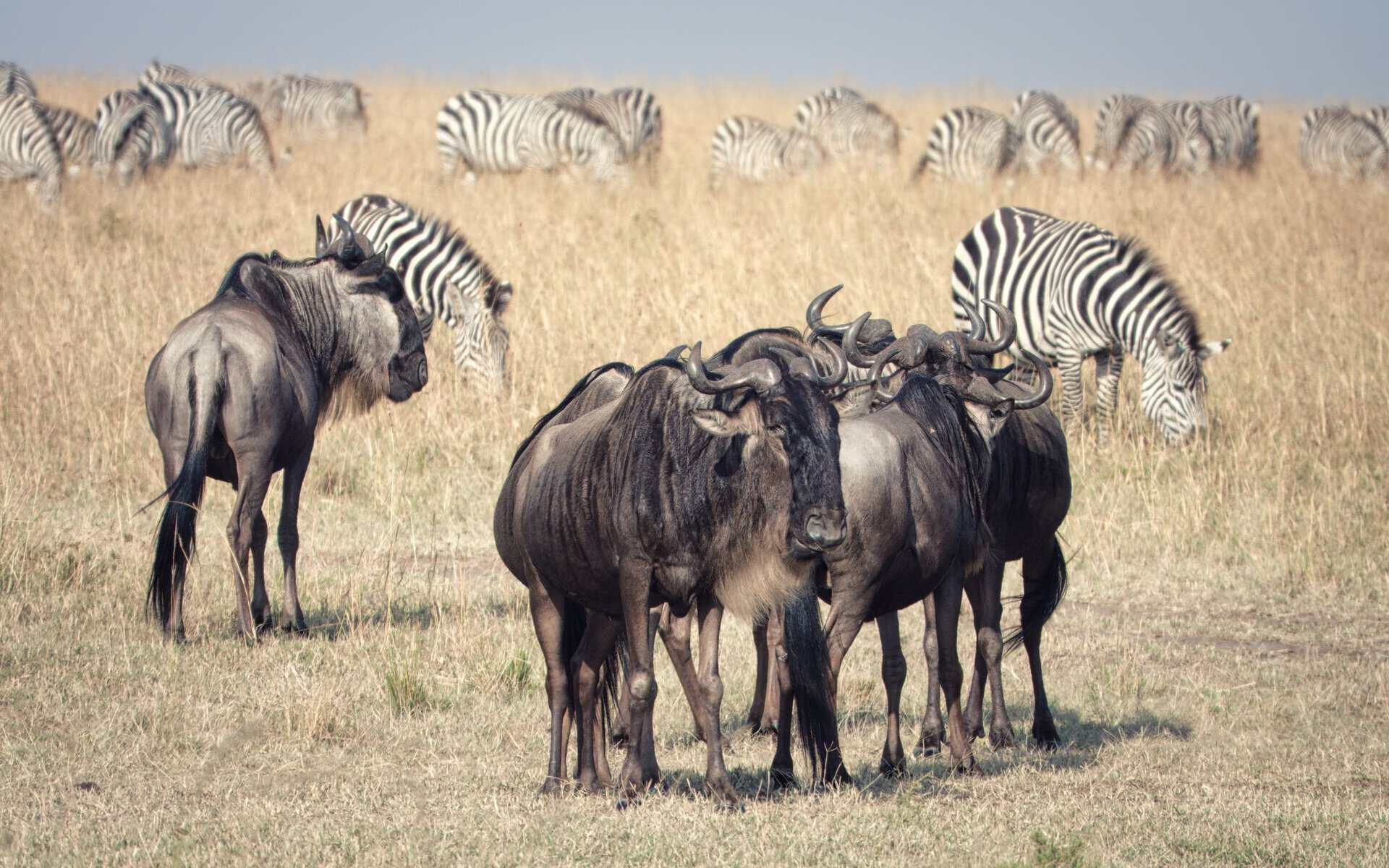
The herds of wildebeest and zebra are in Kenya for only part of the year. They usually arrive in the Mara from Tanzania’s Serengeti in July, stay through August and September, and head south again in October. The exact timing depends on the rains.
River crossings happen when they happen: you may wait hours, or see three in a morning. Allow at least three full days in the Mara, and stay close to the river.
Outside migration season the Mara is still excellent for big cats, and it’s quieter and better value. In January and February the herds are calving in the southern Serengeti, so combine Kenya with Tanzania then.


When to go
Kenya sits on the equator, so it’s warm all year. What matters is the rain: the long rains in April and May, and the short rains in November and early December. The coast follows a slightly different pattern, with May the wettest month.
- Late June to October: dry, with the best game viewing and the Migration in the Mara. This is peak season, so book early.
- January to February: a second dry season. It’s hot, green and quieter, with great birdlife, and the coast is at its best.
- April and May: the long rains. Some camps close and roads can be hard, but prices are lower and the parks are lush.
Ways to see Kenya with us
Many safaris in Kenya add a gorilla trek; see our Rwanda holiday guide for how it works.



Practical tips
- Entry: British visitors need an Electronic Travel Authorisation (eTA), applied for online before you travel. Rules have changed several times recently, so check the FCDO Kenya advice for the latest entry and health requirements before you book and again before you fly.
- Light aircraft: bush flights usually allow about 15 kg each in soft-sided bags. Pack light; most camps do laundry.
- Health: antimalarials are usually advised for the parks and the coast. Ask a travel nurse about six to eight weeks before you go, and about yellow fever if you’re combining Kenya with other countries.
- Staying safe: safari areas are relaxed. In Nairobi and Mombasa, use taxis your hotel arranges and don’t walk around at night.
- Tipping: guides and camp staff are usually tipped per day. Your Travel Designer will give you current guidance.
- Plastic bags: single-use plastic carrier bags are banned in Kenya, so leave them out of your luggage.
Frequently asked questions
How many days do you need in Kenya?
Seven to eight days covers two or three parks; ten to fourteen days lets you add the coast. On a short trip, fly between parks rather than drive, and spend at least three nights in the Masai Mara.
When is the Great Migration in Kenya?
The herds are usually in the Masai Mara from about July to October, with river crossings most likely in August and September. The exact timing depends on the rains, so plan at least three full days in the Mara.
Is Kenya safe for a safari holiday?
Safari areas and the main beach resorts are generally relaxed and welcoming. In Nairobi and Mombasa take normal city precautions: use taxis your hotel arranges and don't walk at night. Parts of the north-east and mainland Lamu County are covered by FCDO travel advice, so check it before you book.
Do I need a visa for Kenya from the UK?
British visitors need an Electronic Travel Authorisation (eTA), applied for online before travelling. Entry and health rules have changed several times recently, so check the FCDO Kenya page before you book and again before you fly.
Kenya or Tanzania for a first safari?
Kenya is easier to combine with a beach and has shorter distances, conservancies with walking and night drives, and the Migration from July to October. Tanzania has the Serengeti, the Ngorongoro Crater and Zanzibar. Many people do both, crossing from the Mara into the Serengeti.
What is the best beach in Kenya?
Diani, south of Mombasa, is the classic: a long white beach with a reef, plenty of hotels and a short flight from the parks. Watamu is quieter, with a marine park, and Lamu is for Swahili culture rather than resorts.
Can you see the Big Five in Kenya?
Yes. Lion, leopard, elephant and buffalo are all found in the Masai Mara. For rhino, add Lake Nakuru or Ol Pejeta in Laikipia, which both have black and white rhinos.
Keep planning
- Kenya holidays
- Kenya escorted tours
- Kenya safari and coast
- Safari and beach holidays
- Gorilla trekking: Uganda or Rwanda
- South Africa holiday guide
- All safari holidays
- Tailor-made holidays
Plan your Kenya safari with a Travel Designer
Tell us when you can travel and what you most want to see. We’ll match the parks, camps and beach to your dates and budget, all ATOL-protected.
Make an enquiry Kenya holidays