

Thailand in brief
- Most first trips combine Bangkok, the north (Chiang Mai and Chiang Rai) and a beach.
- Pick your coast by month: Phuket and Krabi from November to April; Koh Samui and the Gulf islands from January to September.
- The cool, dry season (November to February) is best overall. The rainy season runs from about June to October. See the seasons.
- It’s about 12 hours direct from London. UK visitors don’t need a visa for a holiday but must fill in an online arrival card.
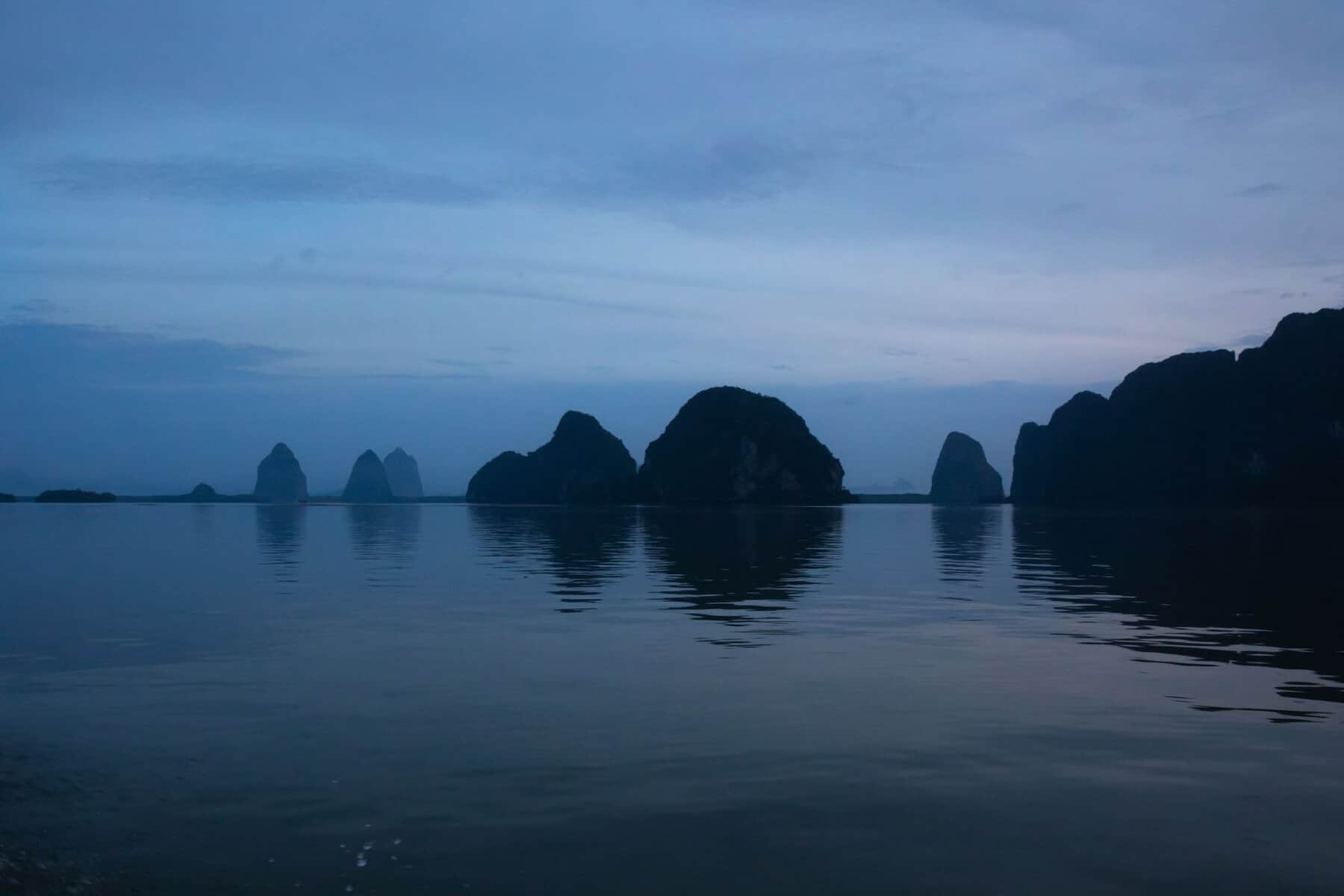
Thailand packs a lot into one trip: the temples, markets and street food of Bangkok; the ancient capitals of Ayutthaya and Sukhothai; the mountains, hill tribes and night markets of Chiang Mai; and hundreds of islands on two very different coasts. It’s easy to travel, with good domestic flights and a warm welcome. The key to planning is the weather: the Andaman coast (Phuket and Krabi) and the Gulf of Thailand (Koh Samui) have their rainy seasons at different times. This guide explains each region, the seasons, classic routes and what to know before you go.
Where to go in Thailand
Most first trips combine Bangkok, the north and a beach. Domestic flights are short and frequent, so it’s easy to add a second coast or island. For two- and three-centre ideas, see Thailand multi-centre holidays.
Bangkok
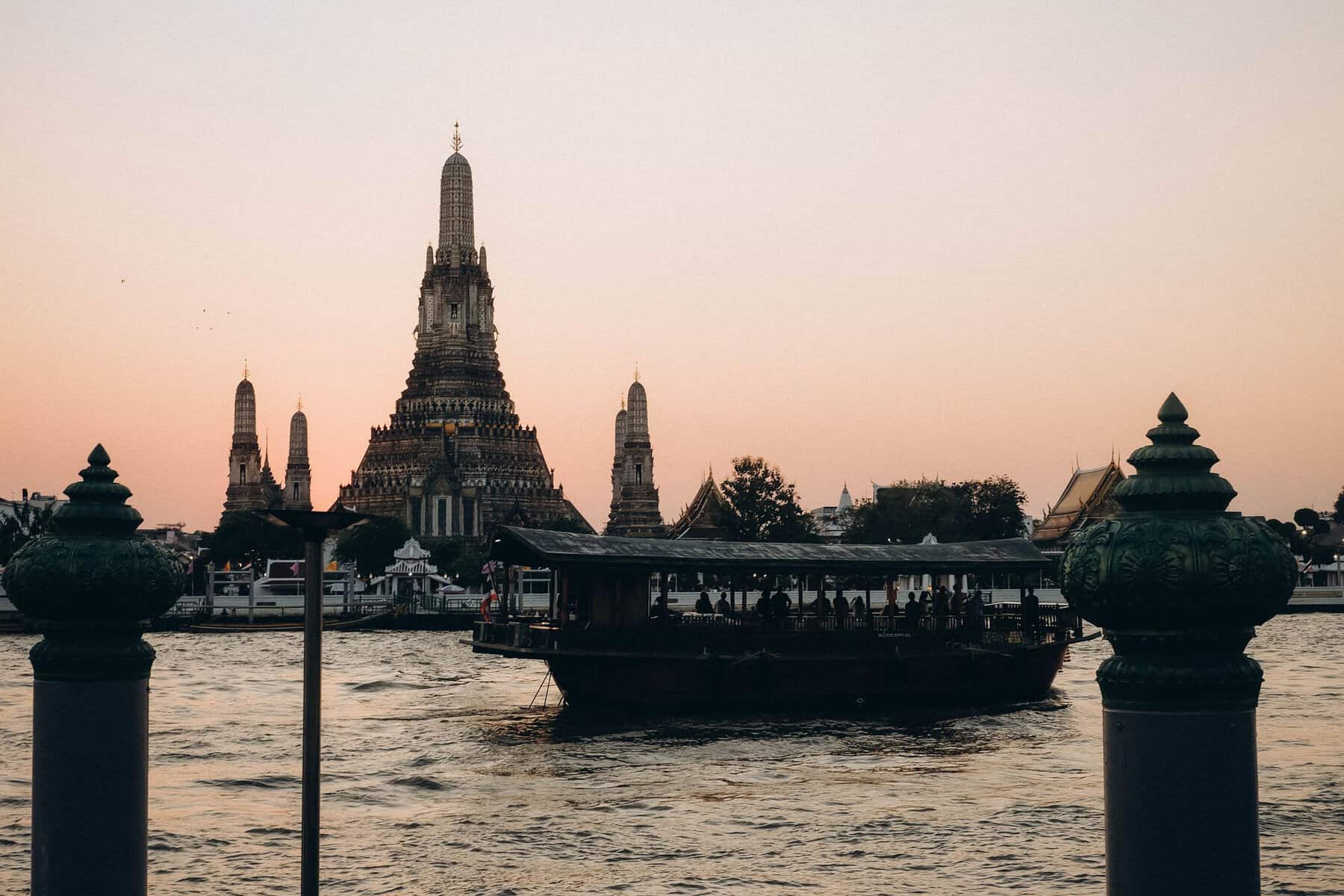
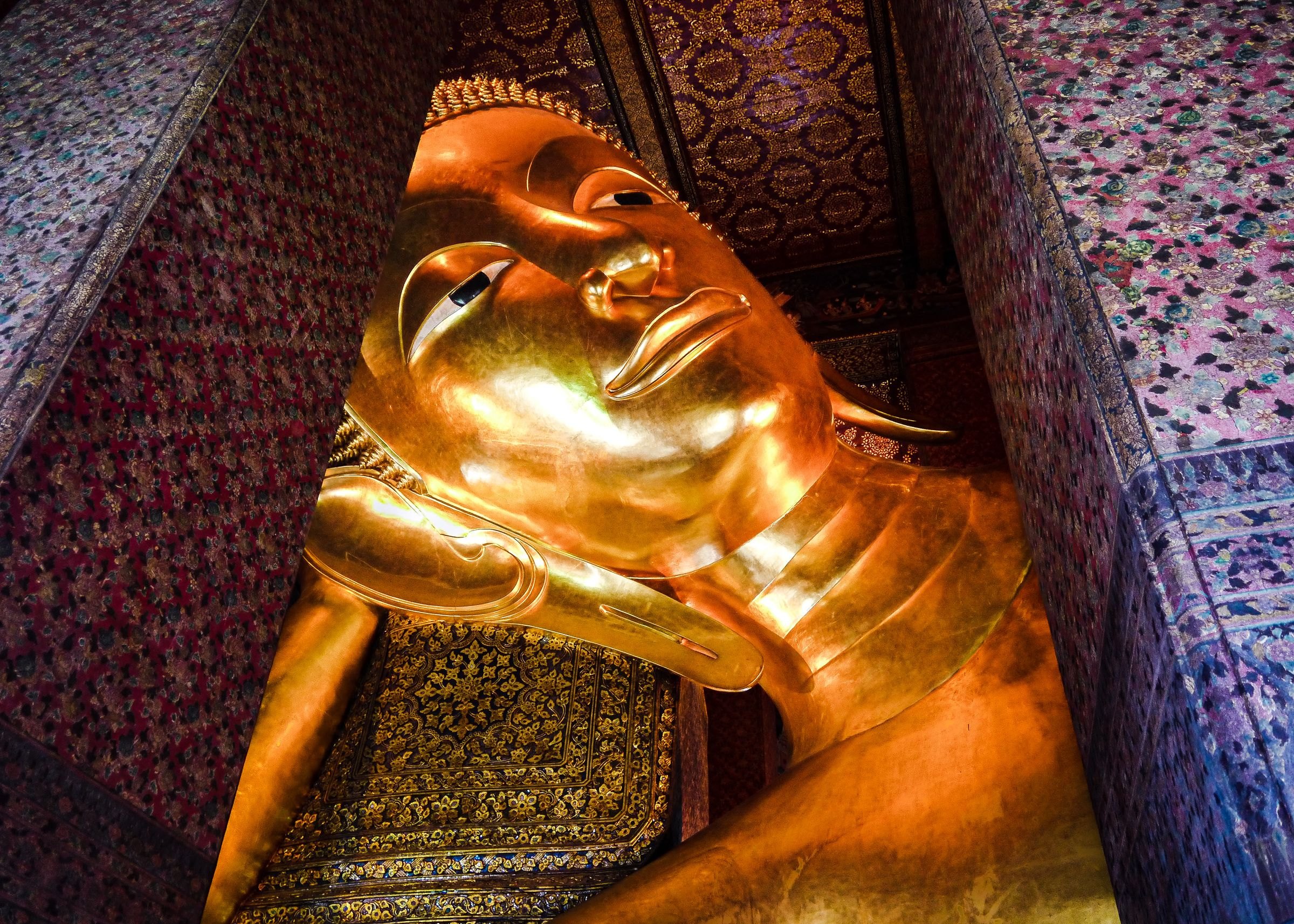
The capital is loud, hot and wonderful. See the Grand Palace and the Emerald Buddha, the Reclining Buddha at Wat Pho and Wat Arun across the river, then explore Chinatown and the canals by longtail boat.
Day trips go west to Kanchanaburi, for the bridge on the River Kwai, the Death Railway and the Erawan waterfalls.
Thailand holidays →
Ayutthaya and Sukhothai
Ayutthaya, the royal capital until 1767, is an easy trip from Bangkok: temple ruins by the river, and a Buddha head wrapped in tree roots. Explore by bike or boat.
Further north, Sukhothai, Thailand’s first capital, has peaceful temples and Buddhas among lotus ponds. Both are UNESCO World Heritage Sites.

Chiang Mai
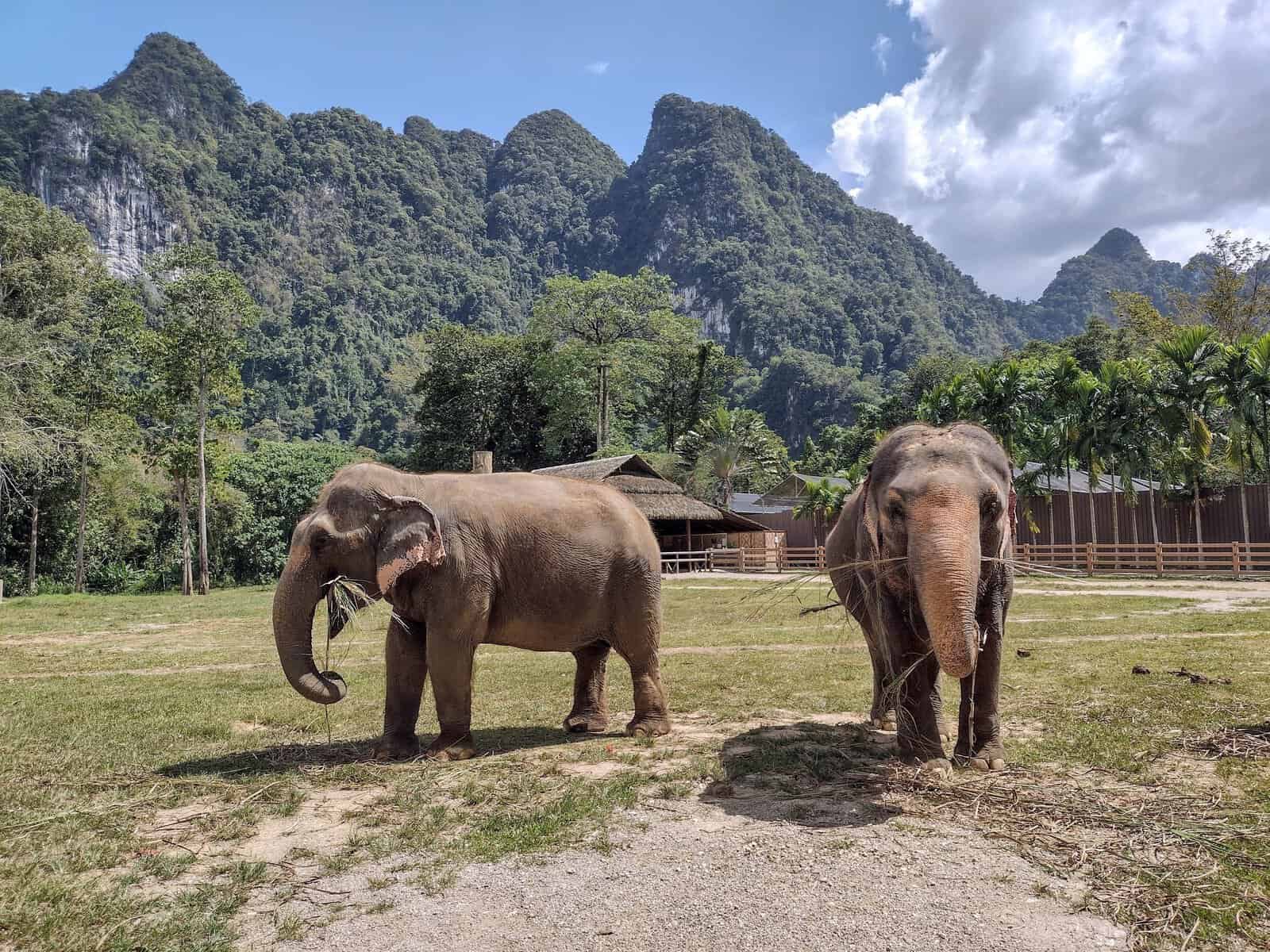
The relaxed capital of the north has more than 300 temples, a walled old city and famous night markets. Take a cookery class, ride up to Doi Suthep temple and spend a day at an ethical elephant sanctuary.
The hills around the city are ideal for trekking, rafting and visits to hill-tribe villages.
Chiang Rai and the Golden Triangle
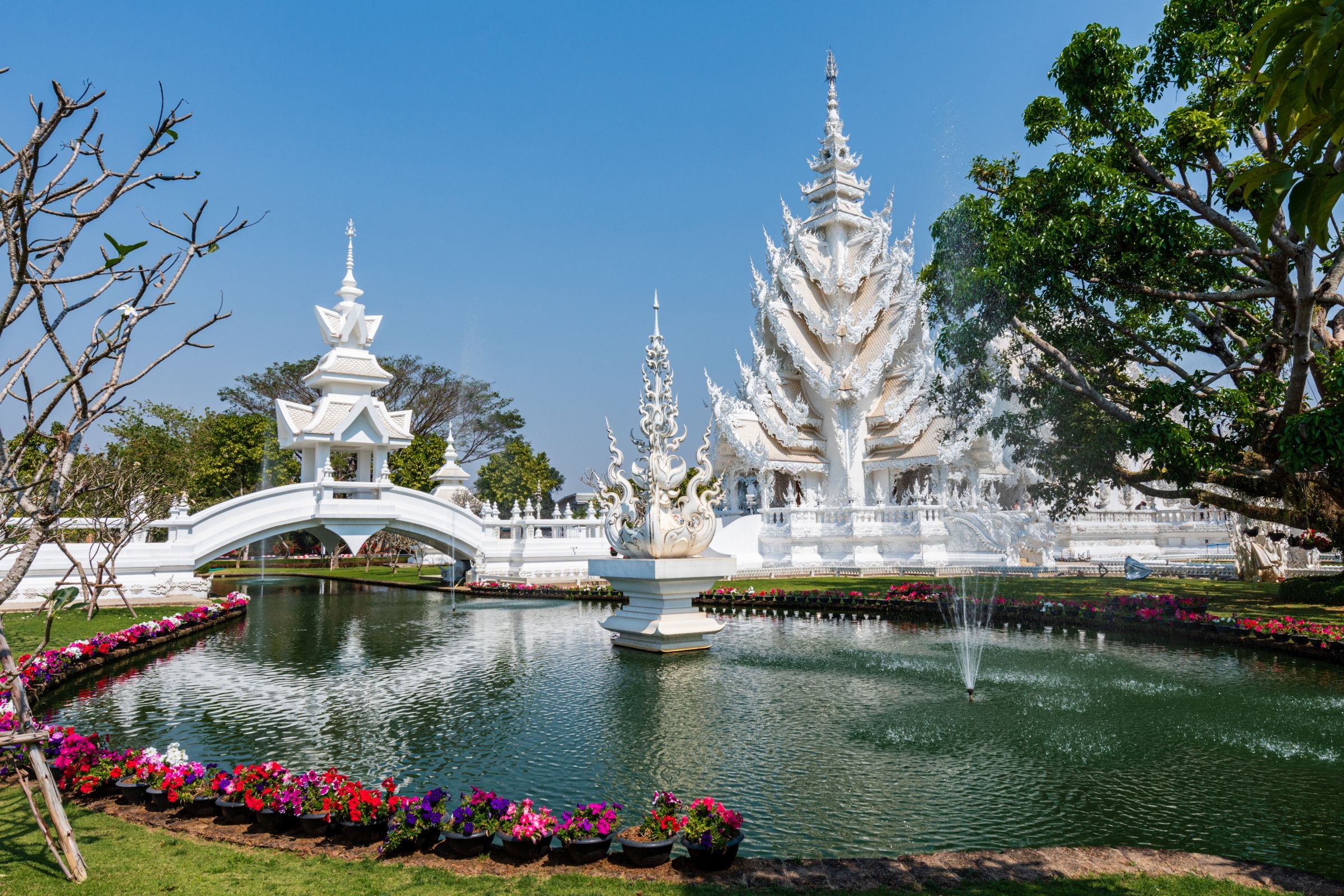
Chiang Rai’s dazzling White Temple and Blue Temple are modern masterpieces. Beyond them are tea plantations, hill villages and the Golden Triangle, where Thailand, Laos and Myanmar meet on the Mekong.
From here it’s easy to continue by slow boat into Laos.

Khao Sok
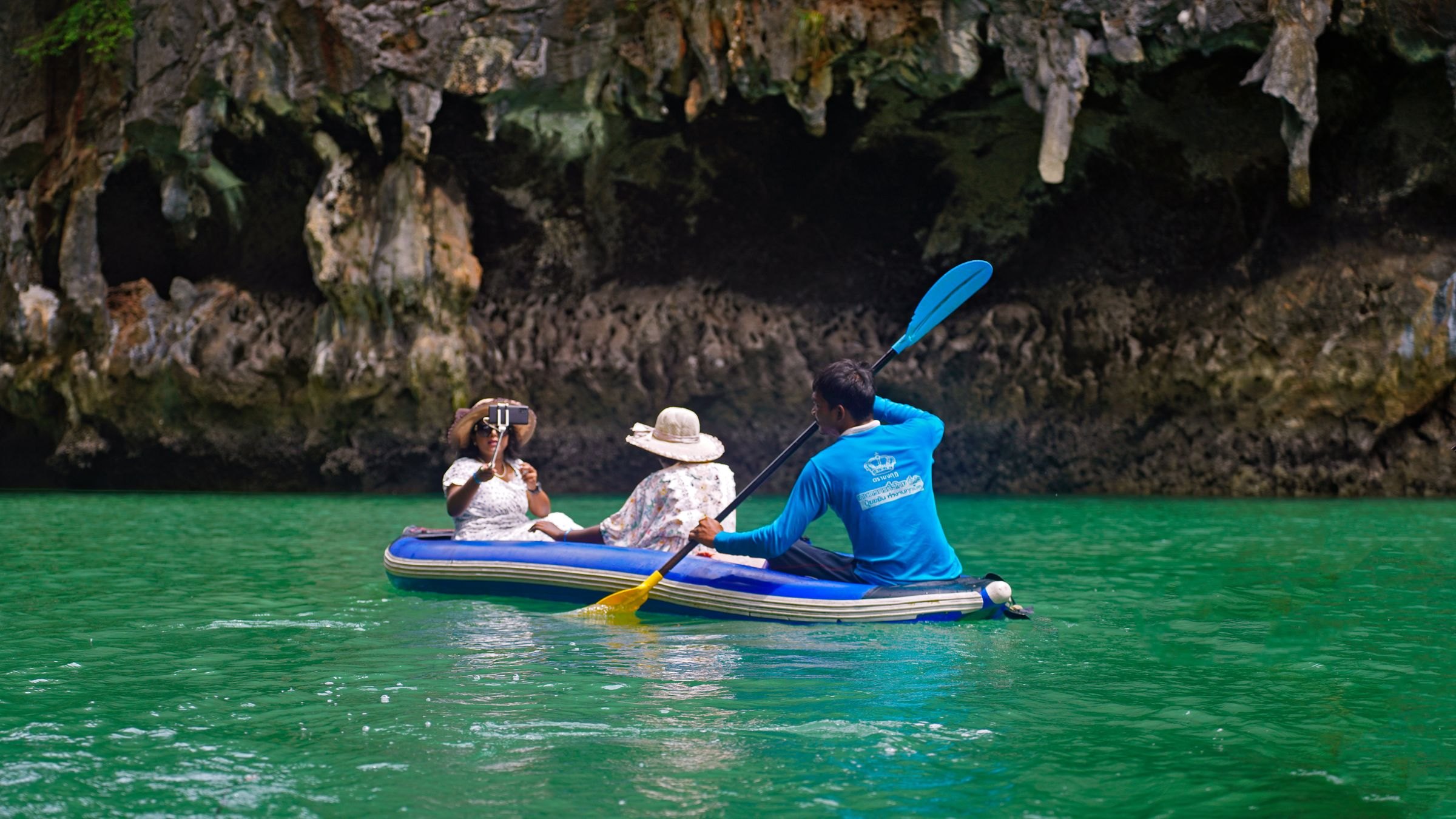
Between the two coasts, Khao Sok National Park is ancient rainforest with limestone peaks. Stay in a floating raft house on Cheow Lan Lake, kayak into caves and listen for gibbons at dawn.
It fits neatly between Bangkok and the Andaman beaches.

Phuket, Khao Lak and Phang Nga Bay
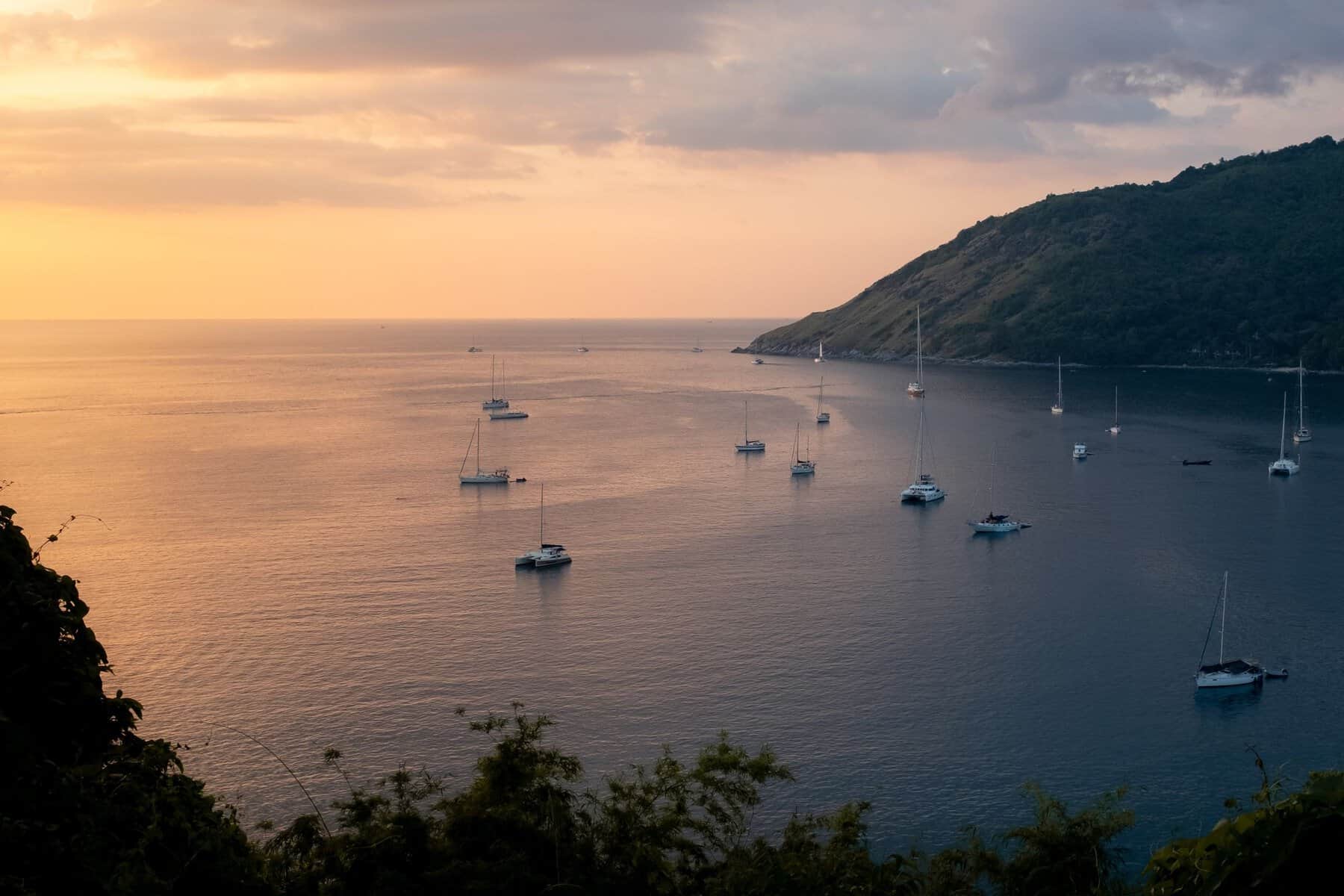
Thailand’s biggest island has beaches for every taste, a colourful old town and easy flights. Boat trips go to the limestone towers of Phang Nga Bay, including “James Bond Island”.
For quieter beaches, go north to Khao Lak, the base for diving trips to the Similan Islands, which open from about October to May.

Krabi, Railay and the Phi Phi Islands
Krabi’s coast is all dramatic limestone. Railay, reached only by boat, is famous for rock climbing and sunsets; Koh Lanta is calm and family-friendly.
The Phi Phi Islands are a short boat ride away. Maya Bay, from the film The Beach, now limits visitor numbers and closes for part of each year to let the reef recover.

Koh Samui and the Gulf islands
In the Gulf of Thailand, Koh Samui has palm-lined beaches, waterfalls and its own airport. It was the main setting for the third series of The White Lotus.
Boats go to Koh Phangan, known for its full moon parties and quiet coves, to Koh Tao for diving, and to the Ang Thong Marine Park. The Gulf is at its best when the Andaman coast is wet.
A day in Bangkok
Morning: be at the Grand Palace when it opens, before the heat and the crowds, then walk to Wat Pho for the Reclining Buddha and a traditional Thai massage.
Afternoon: take the ferry across the Chao Phraya to Wat Arun, then a longtail boat through the canals of Thonburi, where wooden houses line the water.
Evening: eat your way down Chinatown‘s Yaowarat Road, then watch the city lights from a rooftop or a river cruise.
Thailand’s seasons and the two coasts
Thailand has three seasons: cool and dry from November to February, hot from March to May (April is hottest), and rainy from about June to October, when the south-west monsoon arrives. The rain usually comes as heavy afternoon showers. The big exception is the Gulf of Thailand: Koh Samui, Koh Phangan and Koh Tao have their heaviest rain from October to December and are often dry and sunny in the European summer.
| Andaman coast (Phuket, Krabi, Phi Phi) | Gulf islands (Koh Samui, Phangan, Tao) | Bangkok and the north | |
|---|---|---|---|
| November to February | Best: dry, calm seas | Wet in November and December, improving in January | Best: cool, dry and clear |
| March to April | Hot and mostly dry | Hot and dry: good | Hottest months; haze in the north |
| May to October | Rainy, rough seas on the west coasts; some boats stop | Mostly dry and sunny: best for summer holidays | Rainy, green; heaviest August to September |
- Best overall: November to March, for the north, Bangkok and the Andaman coast.
- UK summer holidays: choose the Gulf islands, Koh Samui and Koh Tao, for the most sunshine.
- Burning season: from about February to April, farmers burn fields in the north, and smoke can cause haze around Chiang Mai and Chiang Rai.
- Rainy season: greener, quieter and still warm. Bangkok and the north are fine with flexible plans; the Similan Islands close.
Classic routes
Bangkok, the north and the Andaman coast
- Bangkok (3 nights)
- Ayutthaya (1)
- Chiang Mai (3)
- Chiang Rai (2)
- Krabi or Phuket (5)
The classic first trip, best from November to April.
Bangkok, Khao Sok and the islands
- Bangkok (3 nights)
- Khao Sok (2)
- Krabi or Koh Lanta (4)
- Phi Phi or Phuket (3)
Rainforest and beaches, with no long transfers.
A summer trip to the Gulf
- Bangkok (3 nights)
- Chiang Mai (3)
- Koh Samui (5)
- Koh Tao or Phangan (2)
The best choice for July and August.

Festivals, food and culture


- Songkran (13 to 15 April): Thai New Year, celebrated with a nationwide water fight. Chiang Mai is the most famous place to join in.
- Loy Krathong and Yi Peng (November full moon): people float candlelit baskets on rivers, and in Chiang Mai release lanterns into the sky.
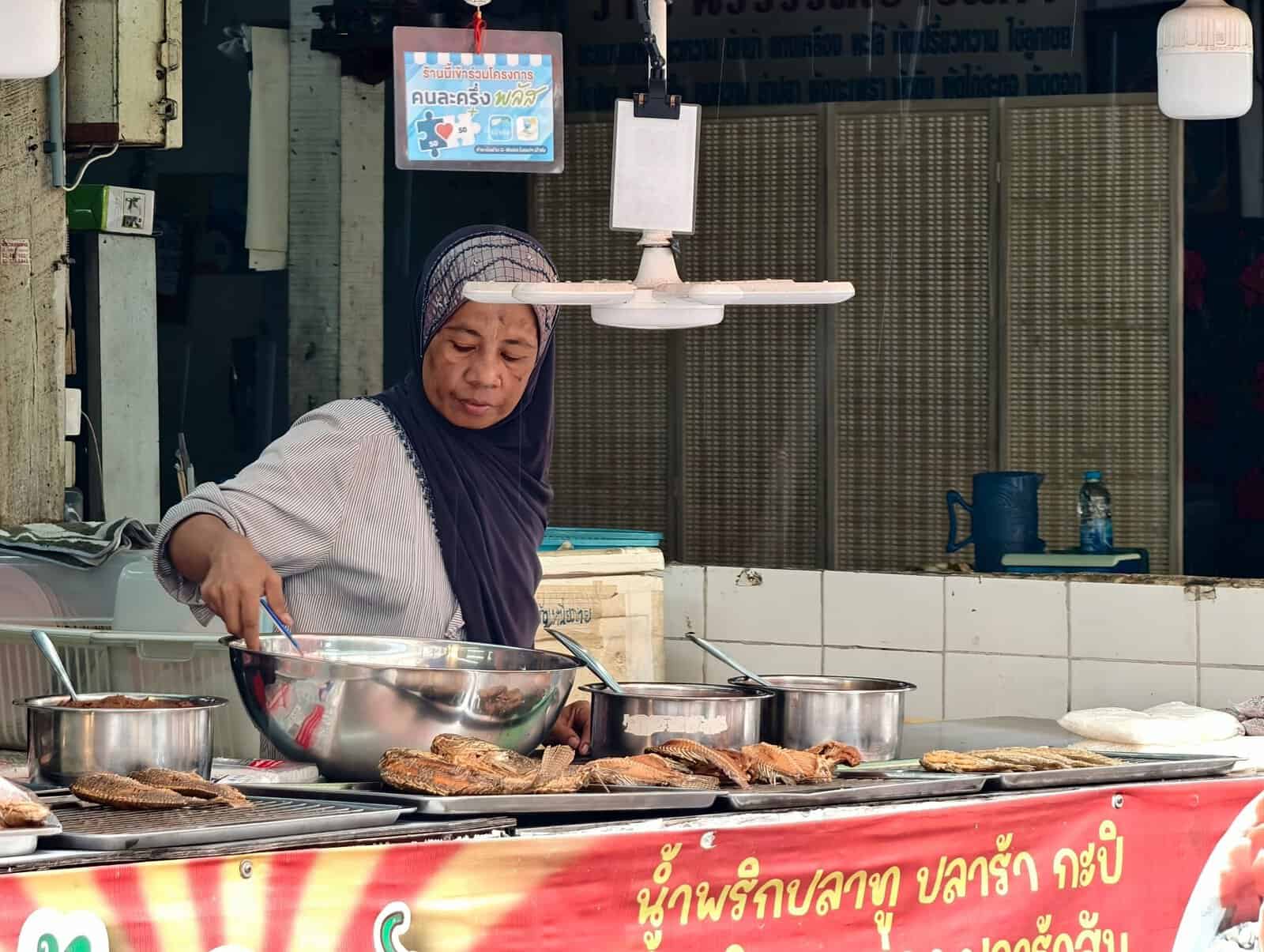
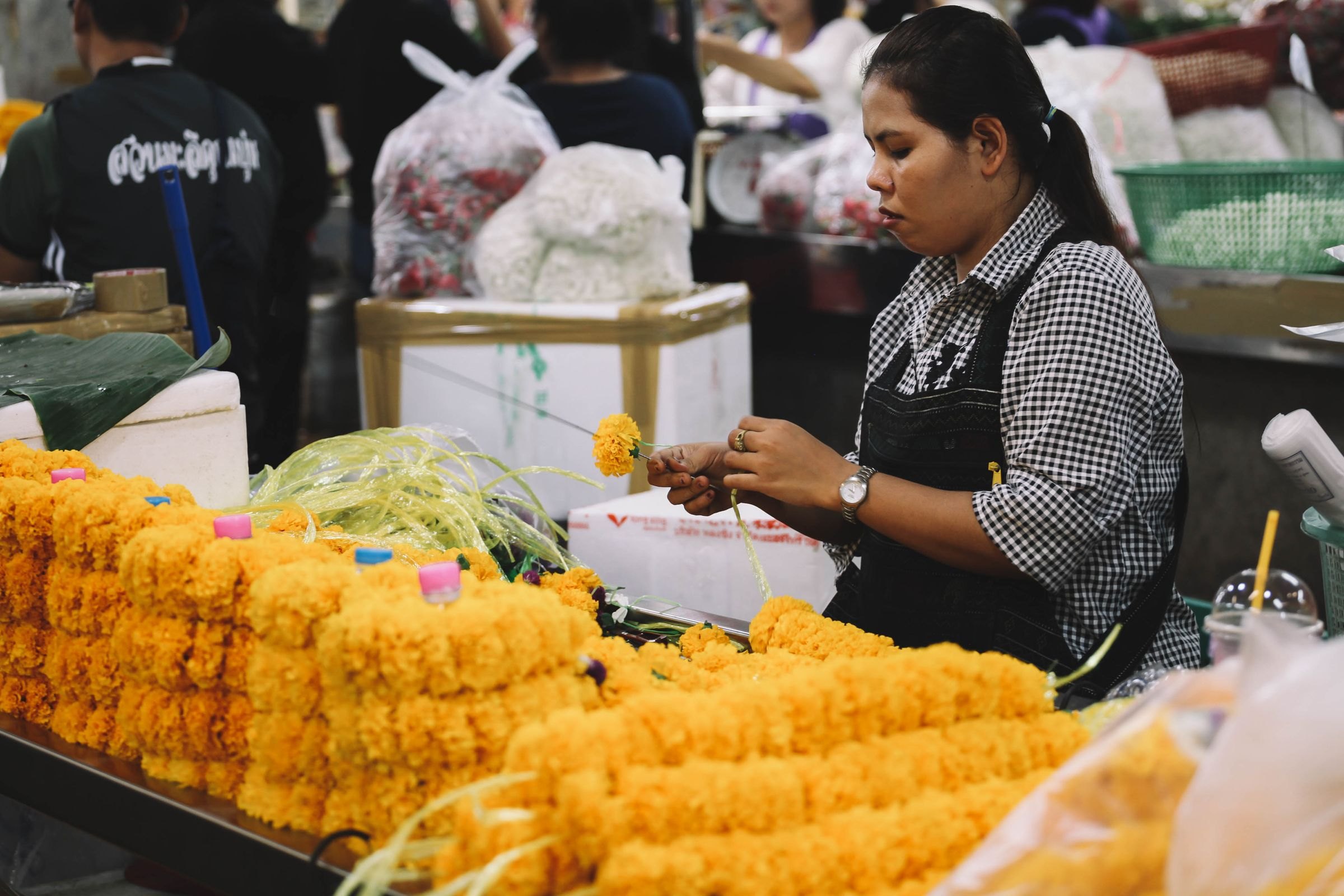
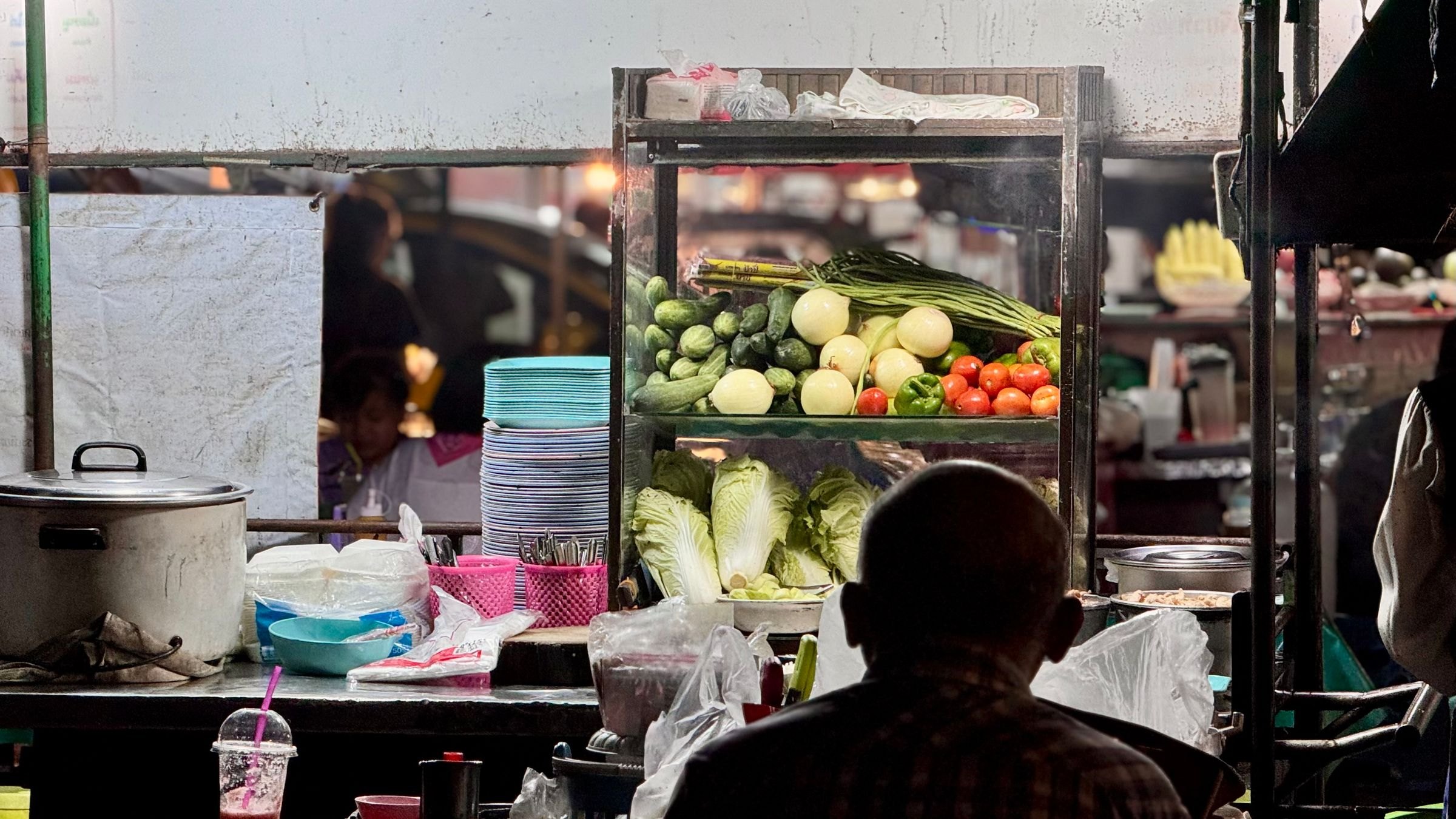
- Food: green curry, pad thai, som tam salad, khao soi noodles in the north and mango sticky rice. Street food is safe and delicious where it’s busy.
- Elephants: choose a sanctuary where elephants aren’t ridden and don’t perform. Watching them bathe and feed is the kindest experience.
Ways to see Thailand with us




Practical tips
- Entry: British visitors don’t need a visa for a holiday, but the length of stay allowed has changed in recent years. Fill in the online Thailand Digital Arrival Card before you arrive. Check the FCDO Thailand advice before you book and again before you travel.
- Temples and respect: cover your shoulders and knees, take off your shoes, and never point your feet at a Buddha. Criticising the royal family is a serious crime.
- Health: drink bottled or filtered water and use insect repellent, as dengue is common. Ask a travel nurse about vaccines and malaria for border areas.
- Money: cards are accepted in hotels and malls; carry baht for markets, street food and boats.
- Sea safety: in the monsoon, red flags mean strong currents on west-facing Andaman beaches. Always swim where it’s safe.
- Scams: politely ignore anyone who says a temple or the palace is “closed today” and offers another trip.
Frequently asked questions
When is monsoon season in Thailand?
The south-west monsoon brings rain to most of Thailand from about June to October, including Bangkok, the north and the Andaman coast (Phuket and Krabi). The Gulf of Thailand (Koh Samui) is different: its wettest months are October to December.
What are the seasons in Thailand?
Thailand has three seasons: cool and dry from November to February, hot from March to May, and rainy from about June to October. Temperatures stay warm all year on the coast; the north can be cool at night in December and January.
Is the wet season a bad time to visit Thailand?
Not necessarily. Rain usually comes as short, heavy afternoon showers, the countryside is green and it's quieter. Choose the Gulf islands for a beach in July and August, and expect rough seas on the Andaman coast.
When is the dry season in Thailand?
For most of the country, November to April, with the coolest, most comfortable weather from November to February. On Koh Samui and the Gulf islands, January to August is usually dry.
What are the main festivals in Thailand?
Songkran, the Thai New Year water festival, is on 13 to 15 April. Loy Krathong and Chiang Mai's Yi Peng lantern festival fall on the full moon in November. Chinese New Year is celebrated in Bangkok's Chinatown.
Where was The White Lotus filmed in Thailand?
The third series was filmed mainly on Koh Samui, in the Gulf of Thailand, with scenes in Phuket and Bangkok.
How many days do you need in Thailand?
Two weeks is enough for Bangkok, the north and one beach. With three weeks, add Khao Sok, a second island or a trip into Laos or Cambodia.
Do UK citizens need a visa for Thailand?
British visitors don't need a visa for a holiday, but must complete the online Thailand Digital Arrival Card before arrival. The length of visa-free stay has changed recently, so check the FCDO travel advice before you travel.
Keep planning
- Thailand holidays
- Thailand multi-centre holidays
- Chiang Mai short break
- Thailand family holiday
- Bangkok to Singapore
- Sri Lanka holiday guide
- Beach holidays
- Tailor-made holidays
Plan your Thailand holiday with a Travel Designer
Tell us your dates and we’ll match the coast to the season, plan the route and book every flight and transfer, all ATOL-protected.
Make an enquiry Thailand holidays