India in brief
- For a first trip, see the Golden Triangle (Delhi, Agra and Jaipur) and add Rajasthan, Varanasi or a tiger park.
- For a slower, greener trip, go south to Kerala‘s backwaters and tea hills, then the beaches of Goa.
- October to March is the best time for most of India. The monsoon runs from June to September; that’s when Ladakh is at its best. See when to go.
- UK visitors need an e-Visa. Allow 10 to 16 days for a first trip and focus on one or two regions.
India is less a country than a continent: snow peaks in the north, desert forts in Rajasthan, the holy river at Varanasi, tiger forests in the middle and palm-fringed backwaters and beaches in the south. You can’t see it all in one trip, and you shouldn’t try. This guide explains the main regions, how they fit together, the classic first-time routes and when each part of the country is at its best.
Where to go in India
Most first trips start in the north with the Golden Triangle of Delhi, Agra and Jaipur, then add Rajasthan, Varanasi or a tiger park. A second trip often goes south to Kerala and Goa. The two halves have different weather, food and pace, so pick one or two areas rather than trying to cross the whole country.
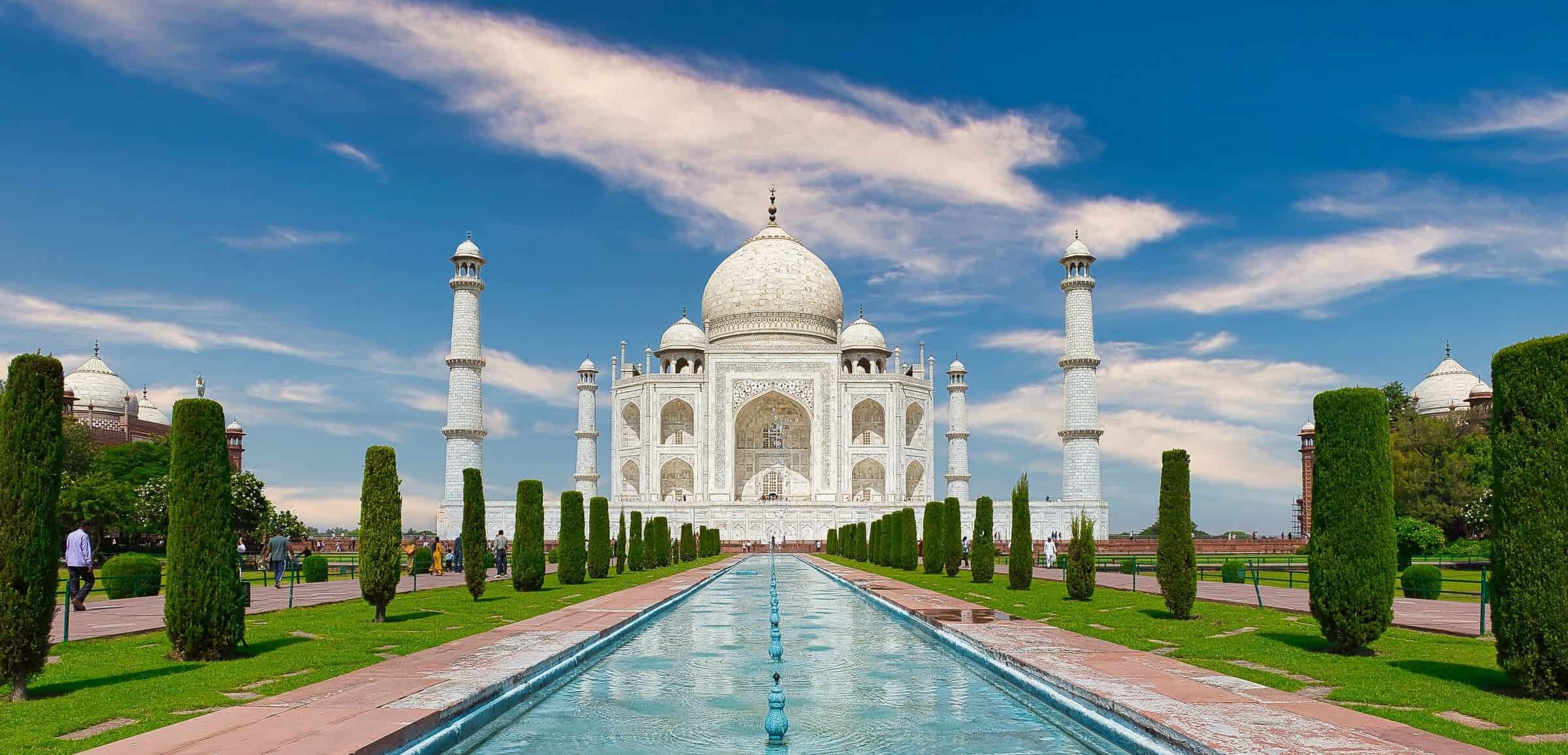
The Golden Triangle
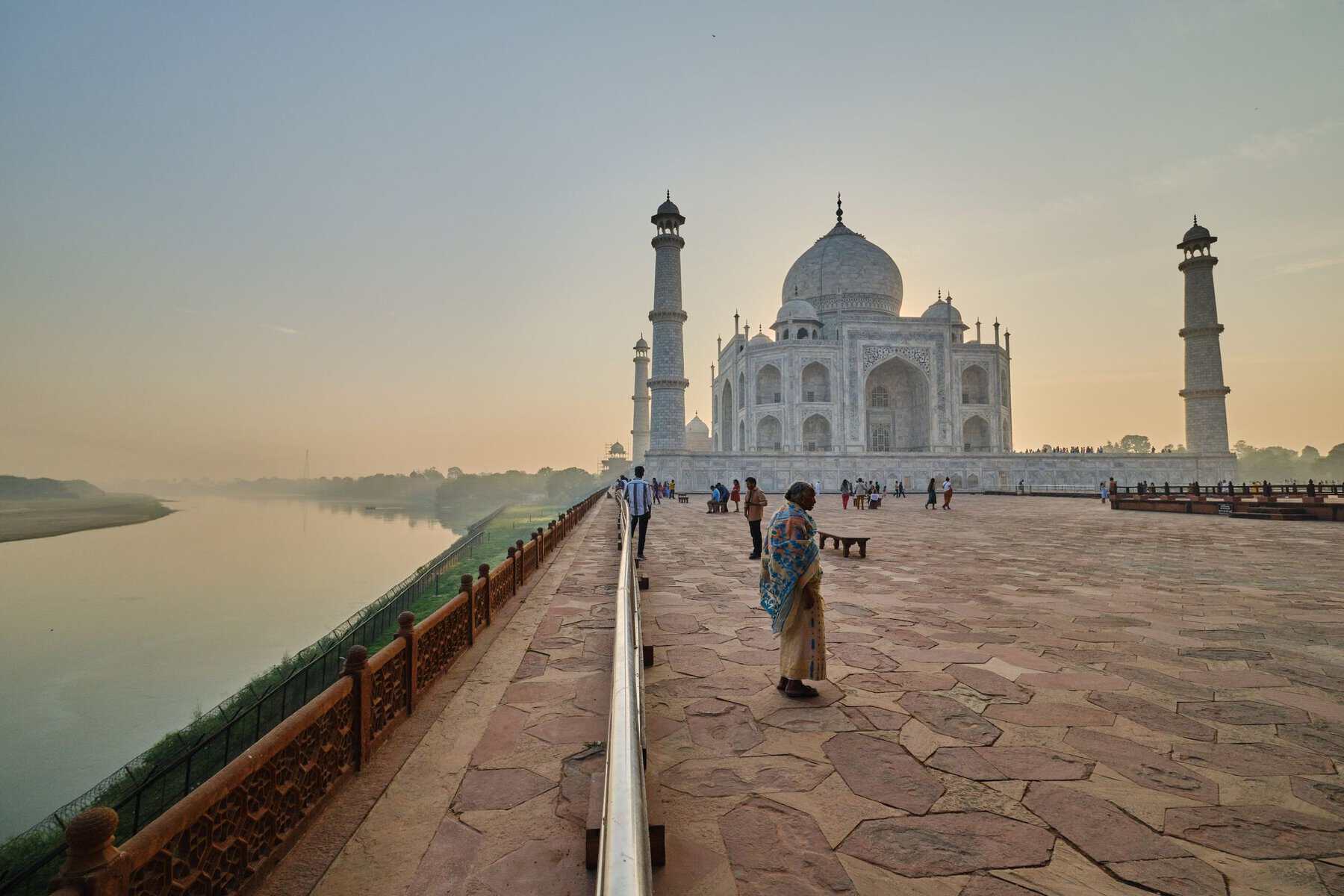
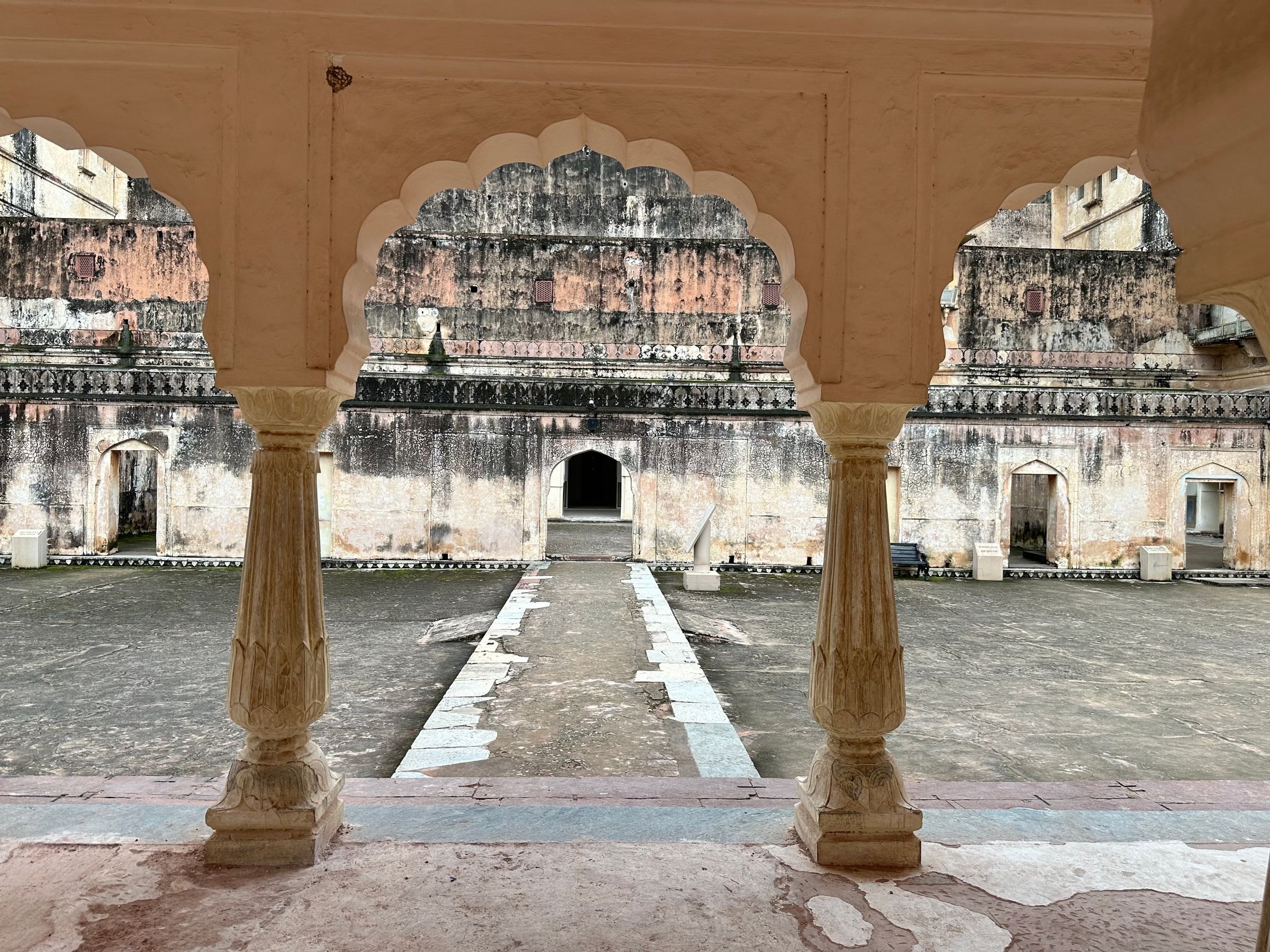
Delhi, Agra and Jaipur form a loop of roughly four to five hours’ driving per leg. It packs in the Taj Mahal, Agra Fort, the abandoned Mughal city of Fatehpur Sikri, the bazaars of Old Delhi and the Amber Fort above Jaipur.
It’s the classic first week in India, and easy to extend into Rajasthan or to a tiger park at Ranthambore.
India holidays →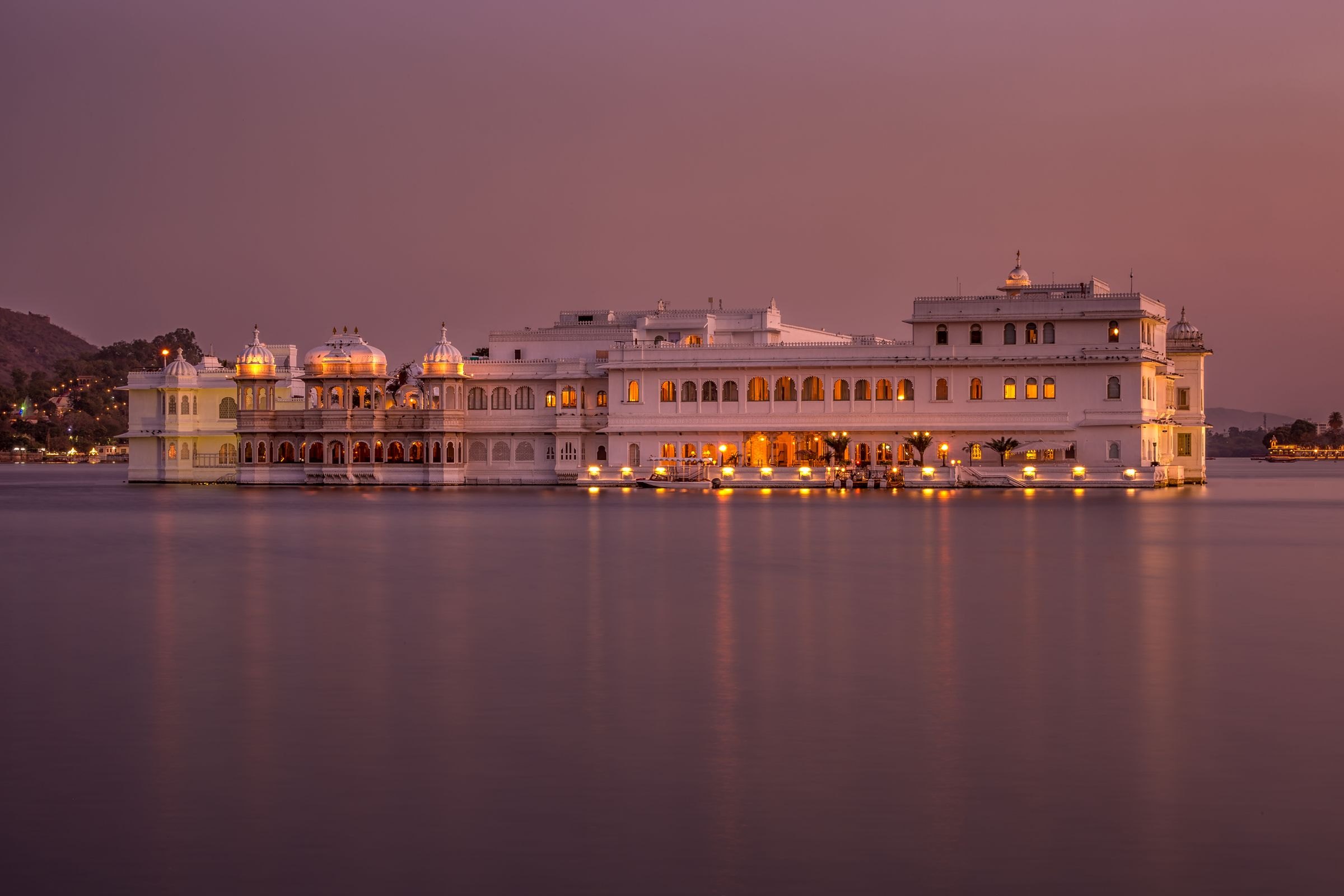
Rajasthan
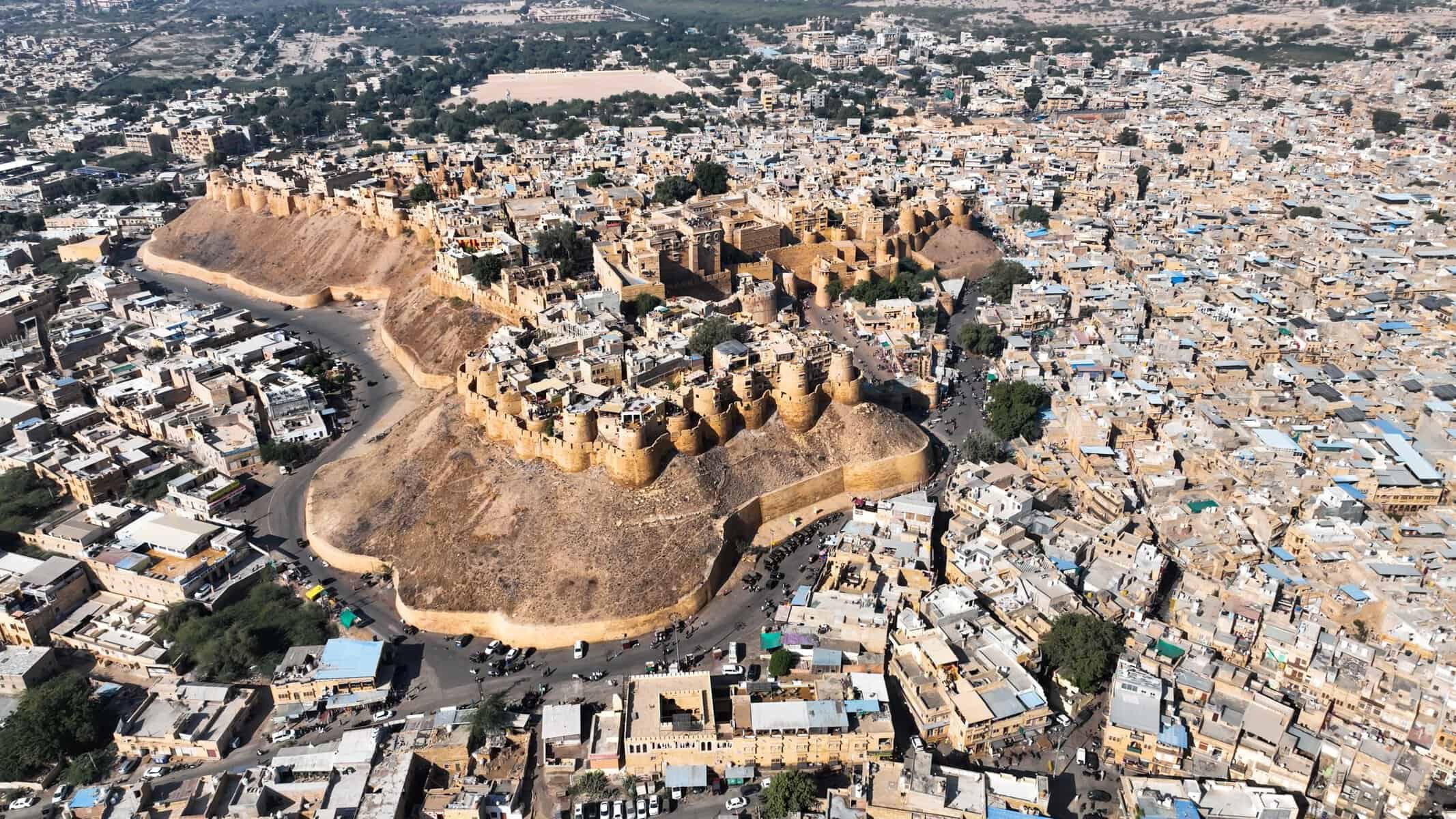
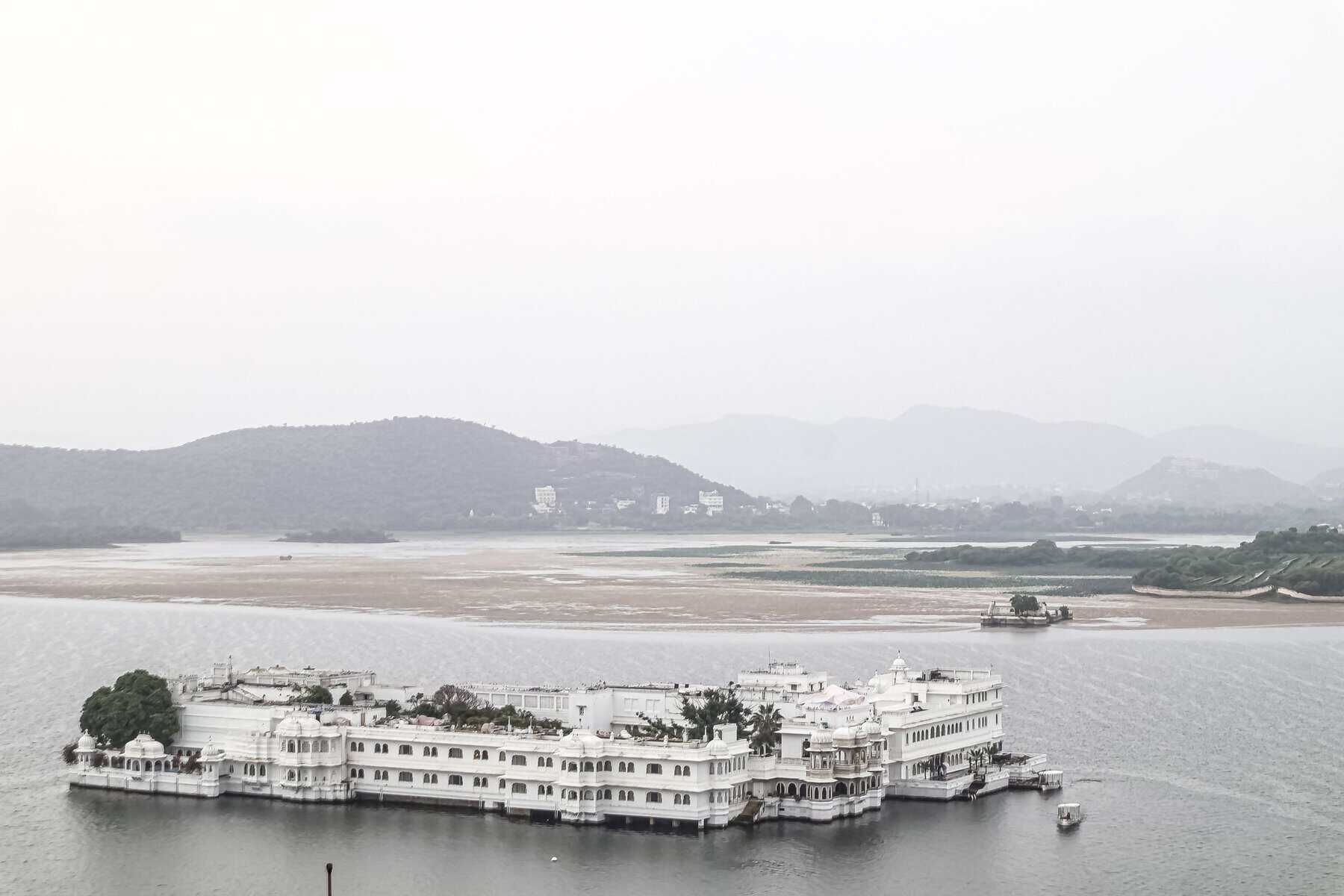
The land of the maharajas. Udaipur has its lake palaces, Jodhpur its blue old town under the Mehrangarh Fort, Jaisalmer a golden sandstone fort on the edge of the Thar Desert and Pushkar a holy lake.
Many people stay in converted palaces and havelis (merchants’ mansions), which is part of the experience.
Rajasthan holidays →
Varanasi and the Ganges
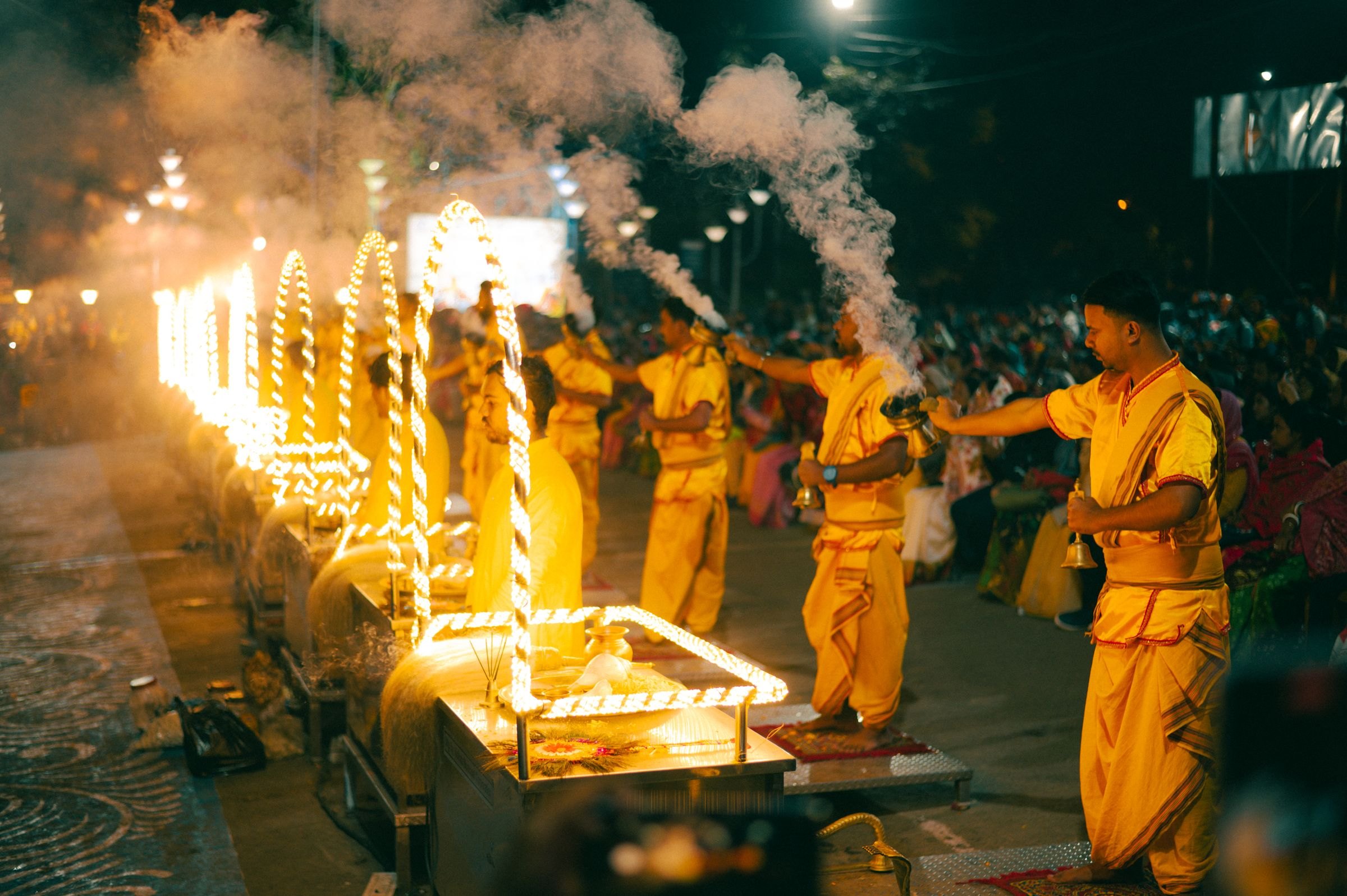
One of the oldest living cities in the world and the holiest place in Hinduism. Take a boat along the ghats at sunrise, and watch the fire ceremony (Ganga aarti) at Dashashwamedh Ghat after dark.
Sarnath, where the Buddha gave his first sermon, is a short drive away. Varanasi is a flight or an overnight train from Delhi or Agra.

Kerala
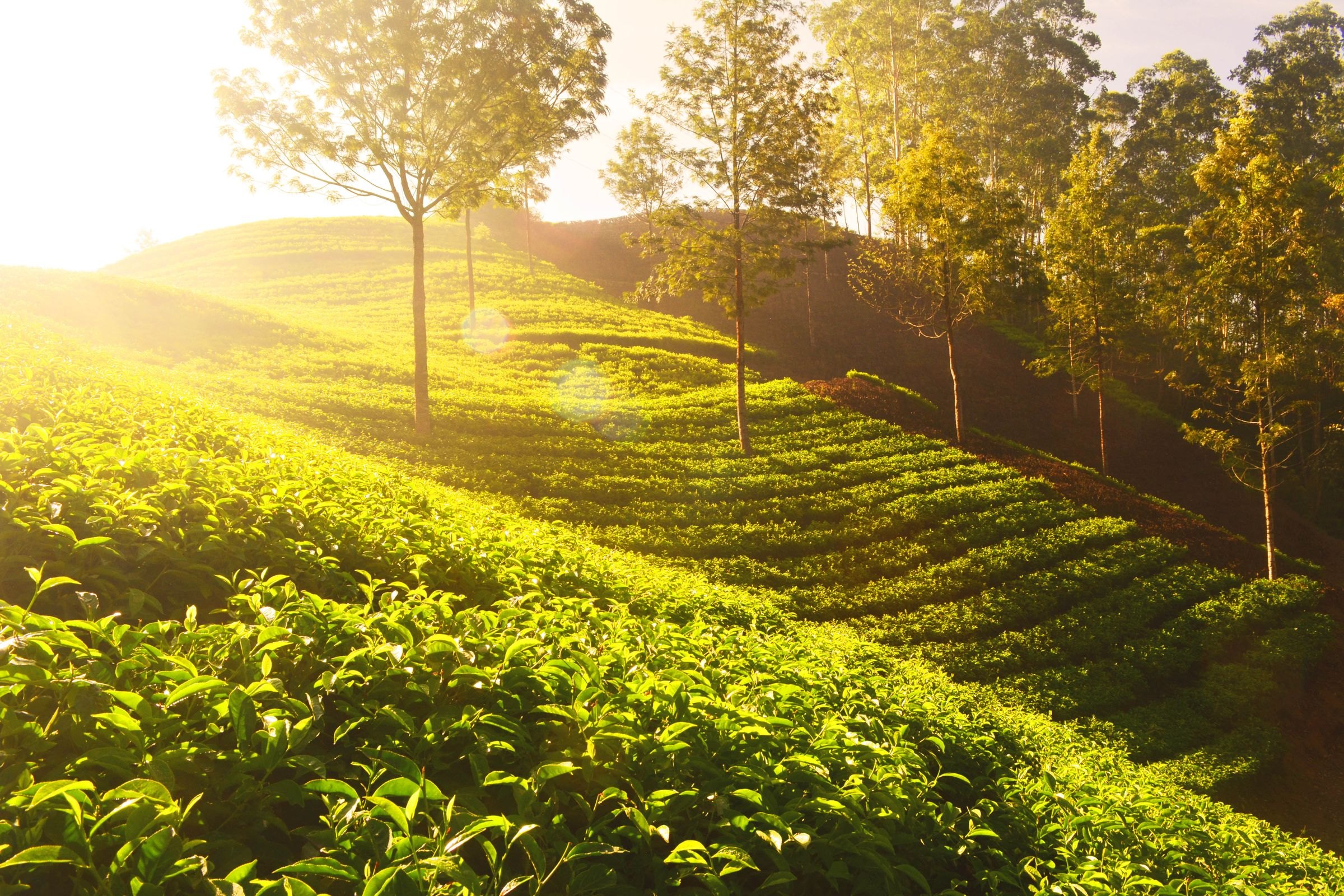
India’s greenest state. Spend a night on a houseboat on the backwaters around Alleppey or Kumarakom, walk the tea estates of Munnar, see the spice gardens of Periyar and the Chinese fishing nets of Fort Kochi.
Finish on the beach at Varkala or Marari, and try a proper Ayurvedic treatment while you’re there.
Kerala holidays →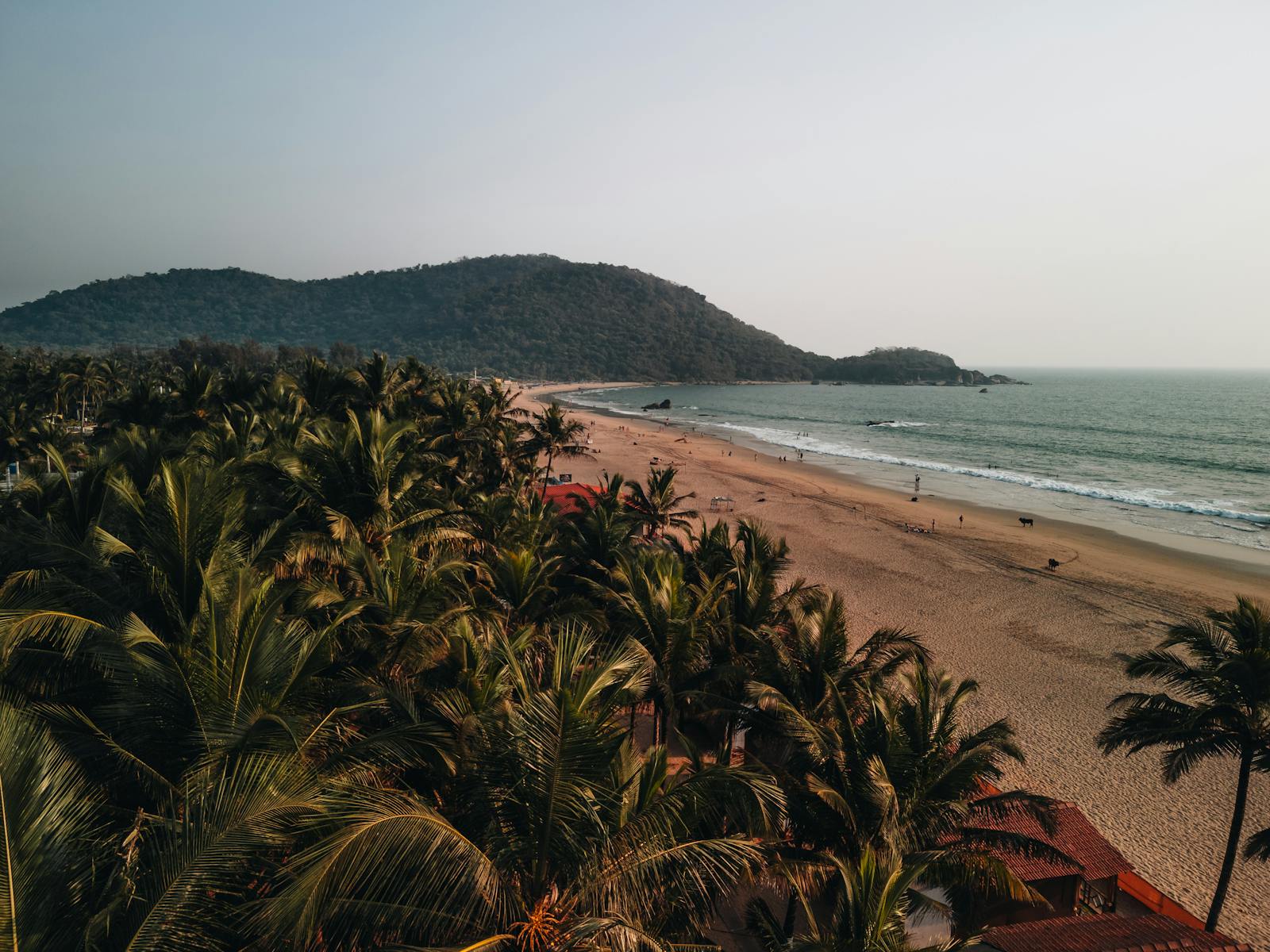
Goa
India’s beach state was Portuguese until 1961, and it shows in the whitewashed churches of Old Goa (a UNESCO site), the food and the relaxed pace.
The north (Calangute, Baga, Anjuna) is busier, with markets and nightlife; the south (Palolem, Agonda, Cavelossim) is quieter and better for couples and families.
Goa holidays →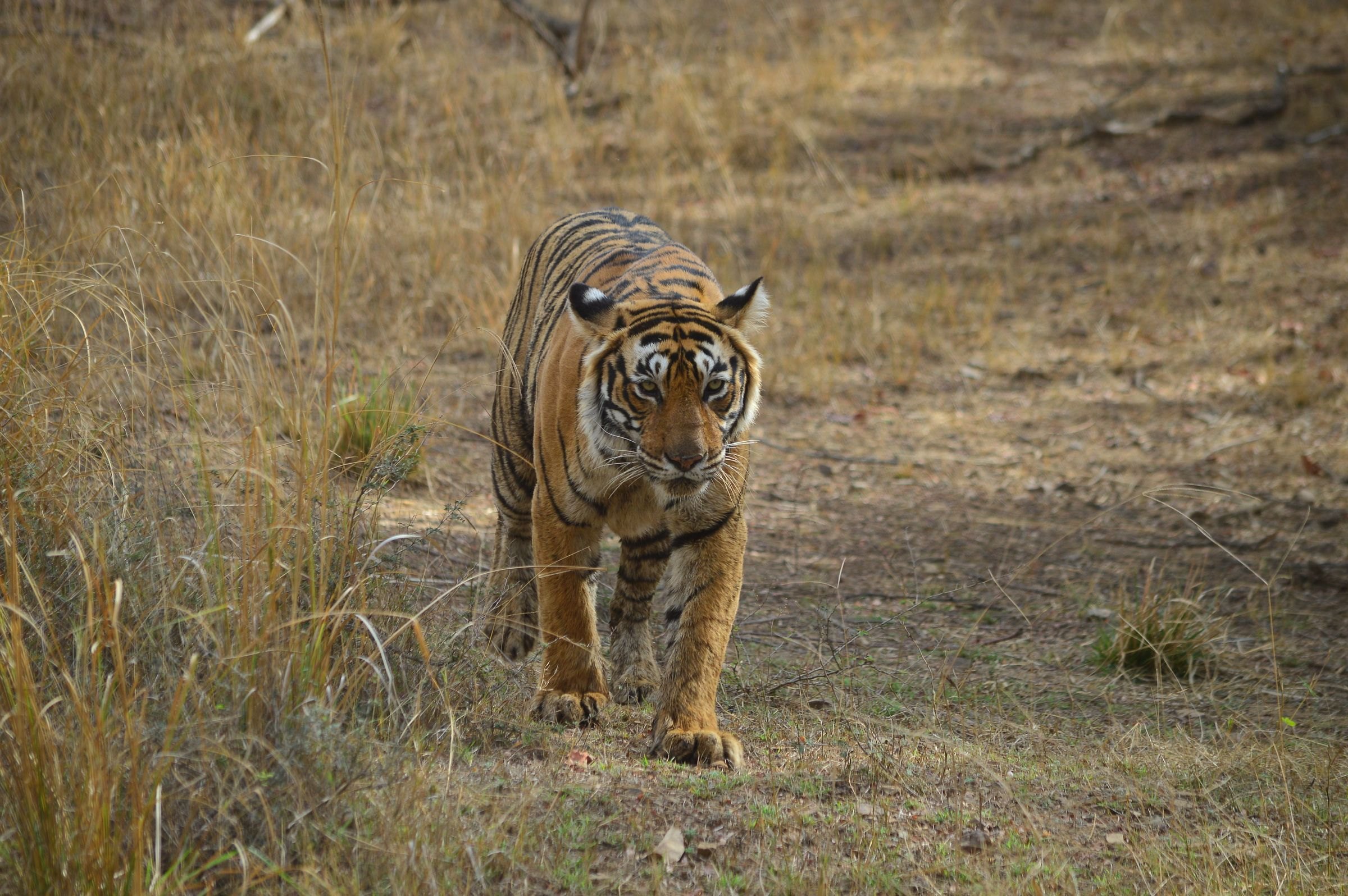
Tiger parks
India has more than half the world’s wild tigers. Ranthambore in Rajasthan is the easiest to add to the Golden Triangle; Bandhavgarh and Kanha in central India have some of the best sighting chances.
Book at least four game drives per park. Most core zones close for the monsoon, from about July to September or mid-October.
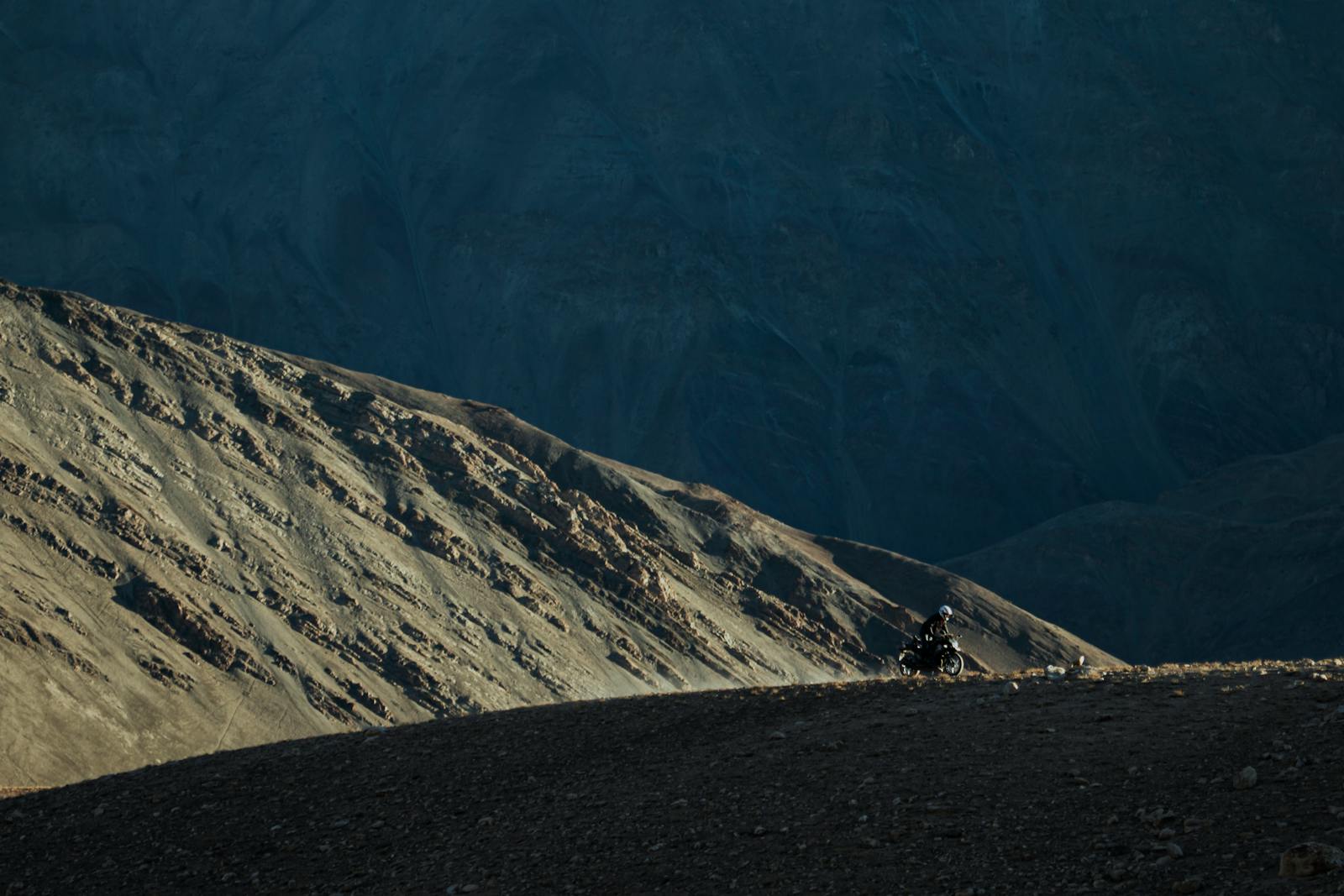
Ladakh and the Himalayas
Ladakh is a high-altitude desert of Buddhist monasteries and bare mountains, with Leh at about 3,500 metres. Allow two quiet days to adjust to the altitude when you arrive.
Further east, Darjeeling has tea estates, views of Kangchenjunga and its UNESCO-listed toy train, and combines well with Sikkim and Bhutan.

Hampi and the south
Hampi was the capital of the Vijayanagara Empire, one of the richest cities in the world in the 1500s. Its temples, bazaars and the famous stone chariot lie scattered among giant boulders and banana plantations.
It’s a UNESCO site and an easy add-on to Goa, about seven hours by road or an overnight train.
Other beaches: the Andaman Islands in the Bay of Bengal have some of India’s best beaches and diving, around Havelock (Swaraj Dweep) and Neil Island. They’re reached by a flight from Chennai or Kolkata to Port Blair, so they suit a longer trip.
A first week: the Golden Triangle
Delhi (2 nights): a rickshaw through the lanes of Old Delhi to the Jama Masjid, then the calm of Humayun’s Tomb and the Qutub Minar. The Gatimaan Express reaches Agra in under two hours.
Agra (2 nights): the Taj Mahal at sunrise, Agra Fort, and the view of the Taj at sunset from the Mehtab Bagh gardens across the river. Remember it’s closed on Fridays.
Jaipur (2 to 3 nights): stop at Fatehpur Sikri on the way. In the “Pink City”, see the Amber Fort, the City Palace, the Hawa Mahal and the observatory at Jantar Mantar, then shop in the bazaars.

Classic India routes
These are the shapes most of our clients choose. Every one can be done privately with your own driver and guide, or as a small-group tour.
Golden Triangle and tigers
- Delhi (2 nights)
- Agra (2)
- Ranthambore (2 to 3)
- Jaipur (2)
The best first trip: the Taj, the forts and a real chance of a tiger.
Rajasthan in depth
- Delhi (2 nights)
- Agra (1)
- Jaipur (2)
- Jodhpur (2)
- Jaisalmer (2)
- Udaipur (3)
Palaces, desert forts and lakes. Add Pushkar for its lake and, in October or November, the camel fair.
Kerala and Goa
- Kochi (2 nights)
- Munnar (2)
- Periyar (1)
- Backwaters houseboat (1)
- Beach (5 to 7)
Green hills, a night on the water and a week on the beach. A good second trip to India.

Rajasthan in pictures
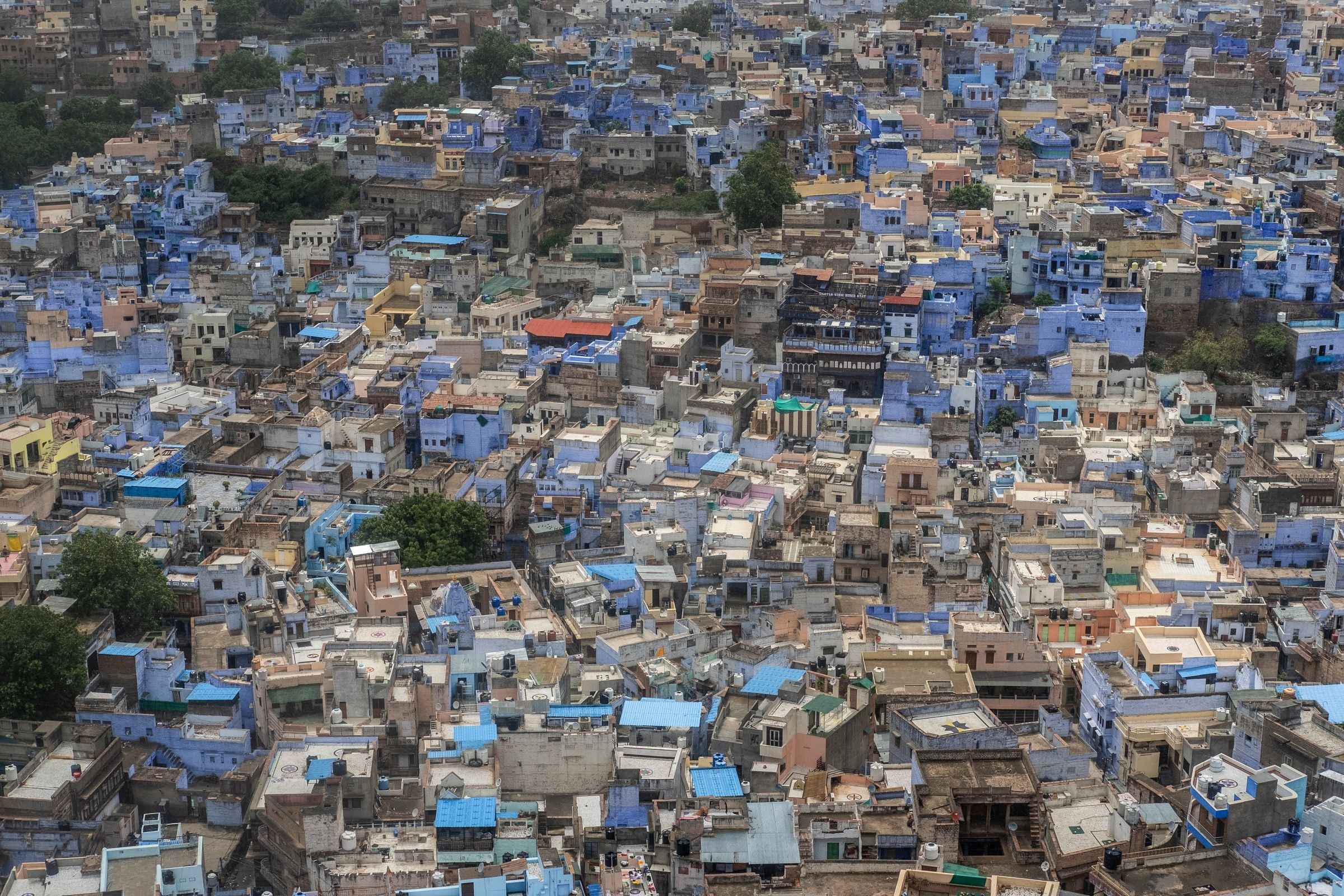


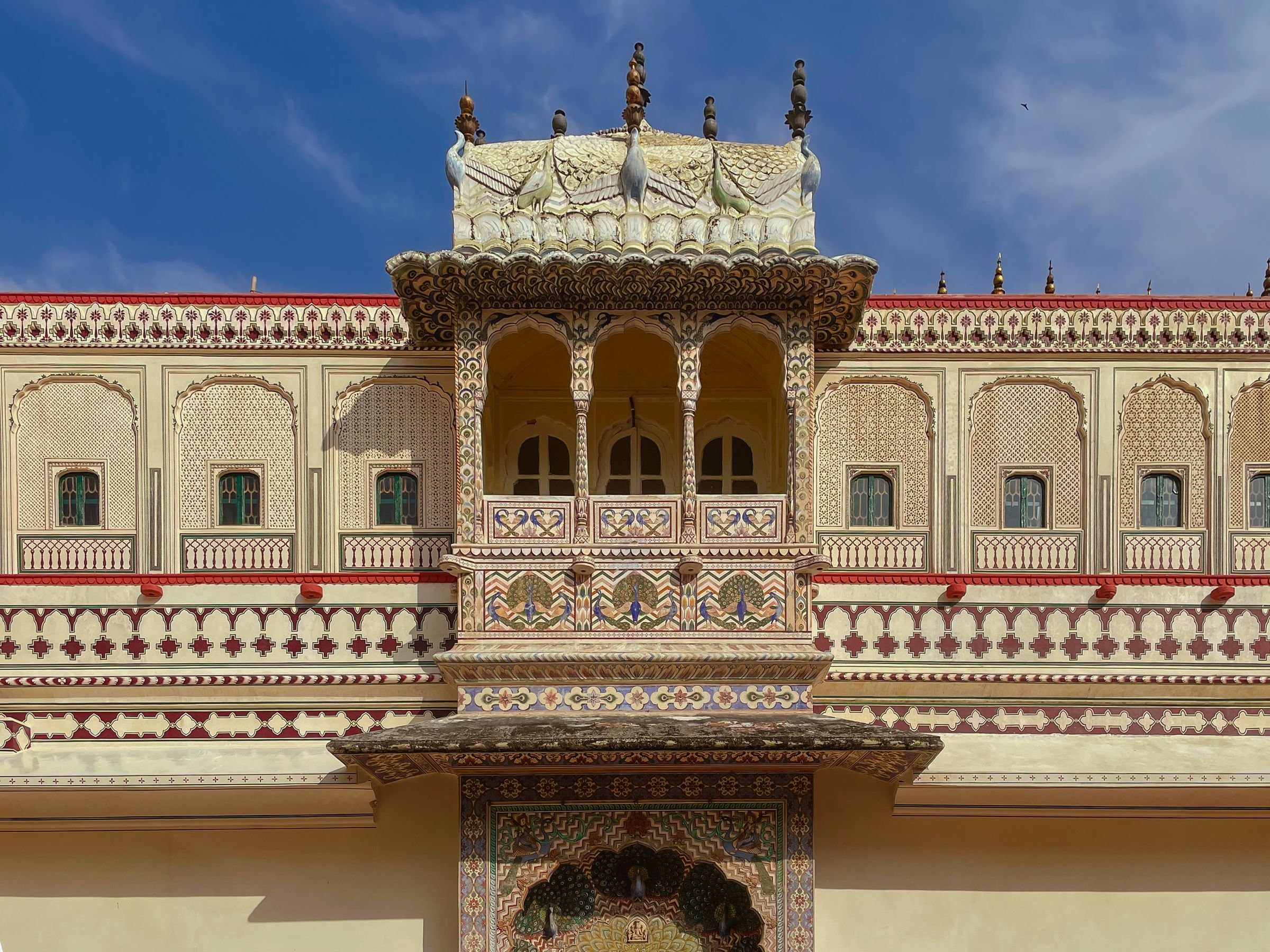
- Jodhpur: climb to Mehrangarh Fort for the view over the blue houses, then walk down through the old town to the clock tower market.
- Jaisalmer: people still live inside this golden fort. Spend a night at a desert camp in the Thar for camel rides and stars.
- Udaipur: the most romantic city in India. Take a boat on Lake Pichola at sunset and visit the City Palace.
- Pushkar: a small holy town around a lake, with one of the few Brahma temples in India. Remove your shoes at the ghats and dress modestly.
Kerala, slowly
Fort Kochi: Chinese fishing nets, Portuguese and Dutch houses, a 16th-century synagogue and an evening of kathakali dance.
Munnar and Periyar: at about 1,500 metres, Munnar is cool and green, with walks through tea estates. Periyar (Thekkady) has spice gardens and boat trips on a lake inside a tiger reserve.
The backwaters: a night on a kettuvallam, a converted rice barge, with meals cooked on board. Then a few days on the beach at Varkala, Marari or Kovalam.
When to go
For most of India the best time is October to March: dry, sunny and warm, with cool nights in the north in December and January. April to June is very hot on the plains. The monsoon arrives in Kerala in late May or early June and reaches the north by July. Ladakh is the exception: it’s best from June to September, when the rest of India is wet.
- October to March: the best months for the Golden Triangle, Rajasthan, Varanasi, Kerala and Goa. Christmas and New Year book up early.
- February to April: the best tiger sightings, as the forests thin out and animals come to water. It gets hot by April.
- June to September: the monsoon. It’s green and cheaper, and good for Ayurveda in Kerala, but many Goa beach businesses close and most tiger parks shut their core zones. Go to Ladakh instead.
- Festivals: Holi, the festival of colours, falls in March; Diwali, the festival of lights, in October or November; and the Pushkar camel fair in October or November. The dates follow the lunar calendar, so they change every year.
Ways to see India with us
India also combines well with its Himalayan neighbour: from Delhi or Kolkata it's a short flight to Paro. See our Bhutan holiday guide.


Not sure whether to go escorted or tailor-made? Read our guide to choosing your first India tour, or browse all our India tours.
Practical tips

- Entry: British visitors need a visa. Most apply online for an e-Visa well before travel; use only the official Indian government site. Check the FCDO India advice before you book and again before you fly.
- Health: ask a travel nurse about vaccinations and whether you need antimalarials six to eight weeks before you go; it depends on the regions and the season. Drink bottled or filtered water, and eat freshly cooked food.
- Money: you generally can’t buy rupees in the UK. Use ATMs on arrival, carry small notes for tips, and expect cards to work in hotels and larger shops.
- Dress and temples: cover shoulders and knees, especially at temples, mosques and in rural areas. Remove your shoes before entering, and ask before photographing people.
- Getting around: distances are big and roads are slow. Most of our trips use a private car and driver, with trains or short flights for longer hops.
Frequently asked questions
Where should I go on my first trip to India?
Most people start with the Golden Triangle of Delhi, Agra and Jaipur, which takes about a week, then add Rajasthan, Varanasi or a tiger park such as Ranthambore. If you prefer a slower pace and greenery, start in Kerala instead.
How many days do you need in India?
Ten to sixteen days is ideal for a first trip. A week covers the Golden Triangle; two weeks lets you add Rajasthan or a tiger park, or combine Kerala with a few days on the beach in Goa.
When is the best time to visit India?
October to March is the best time for most of India, including Rajasthan, Agra, Varanasi, Kerala and Goa. April to June is very hot on the plains. The monsoon runs from about June to September, when Ladakh in the Himalayas is at its best.
When is monsoon season in India?
The south-west monsoon reaches Kerala in late May or early June and spreads north to Delhi by early July, easing in September. Goa and Kerala are the wettest. Tamil Nadu and the far south-east get most of their rain from October to December.
When is Holi, the festival of colours?
Holi is celebrated at the full moon in March, the date changing each year with the lunar calendar. It's biggest in the north, especially around Mathura, Vrindavan and Jaipur. Wear old clothes and expect to be covered in coloured powder.
Is Hampi worth visiting?
Yes. Hampi's ruined temples and palaces from the Vijayanagara Empire, set among giant boulders, are one of India's most remarkable UNESCO sites. Two or three nights is enough, and it combines easily with Goa.
Do UK citizens need a visa for India?
Yes. Most British visitors apply online for an Indian e-Visa before travel, using the official government website. Check the FCDO India travel advice for the current rules before you book.
Where can you see tigers in India?
Ranthambore in Rajasthan is the easiest park to add to a Golden Triangle trip. Bandhavgarh and Kanha in central India have some of the best sighting chances. The best months are February to May, and most core zones close for the monsoon.
Keep planning
- India holidays
- Rajasthan holidays
- Kerala holidays
- Goa holidays
- India escorted tours
- Choosing your first India tour
- Sri Lanka holidays
- Bhutan tours
- Tailor-made holidays
Plan your India holiday with a Travel Designer
Tell us when you can travel and what you want to see. We’ll shape the route, the drivers, guides and hotels around you, all ATOL-protected.
Make an enquiry India holidays