Sri Lanka in brief
- The classic loop: the Cultural Triangle (Sigiriya, Dambulla, Polonnaruwa), Kandy, the tea country, a safari, then the beach.
- Two monsoons: the south and west coasts are best from December to April, the east coast from May to September. See when to go.
- Allow 12 to 16 days. The Kandy to Ella train is a highlight; book seats early.
- British visitors arrange entry online before travel. Cover up and remove shoes at temples.

Sri Lanka packs an extraordinary amount into an island the size of Ireland: ancient cities and cave temples, misty tea hills and one of the world’s great train rides, leopards and wild elephants, and beaches on every side. Distances are short but roads are slow, and the island has two monsoons, so the right route depends on when you go. This guide covers the regions, how to put them together and which coast to pick for your month.
Where to go in Sri Lanka
Most trips follow a loop: the Cultural Triangle of ancient cities in the dry north-centre, Kandy, the tea hills around Nuwara Eliya and Ella, a safari at Yala or Udawalawe, then the beach. Which beach depends on the month: the south and west coasts from December to April, the east coast from May to September.

The Cultural Triangle
Five UNESCO sites within a couple of hours of each other. Climb Sigiriya past its frescoes and giant lion’s paws, see the painted Dambulla cave temples, and cycle round the ruins of Polonnaruwa.
Anuradhapura, the first capital, has huge white stupas and a sacred fig tree grown from a cutting of the Buddha’s own Bodhi tree.
Sri Lanka holidays →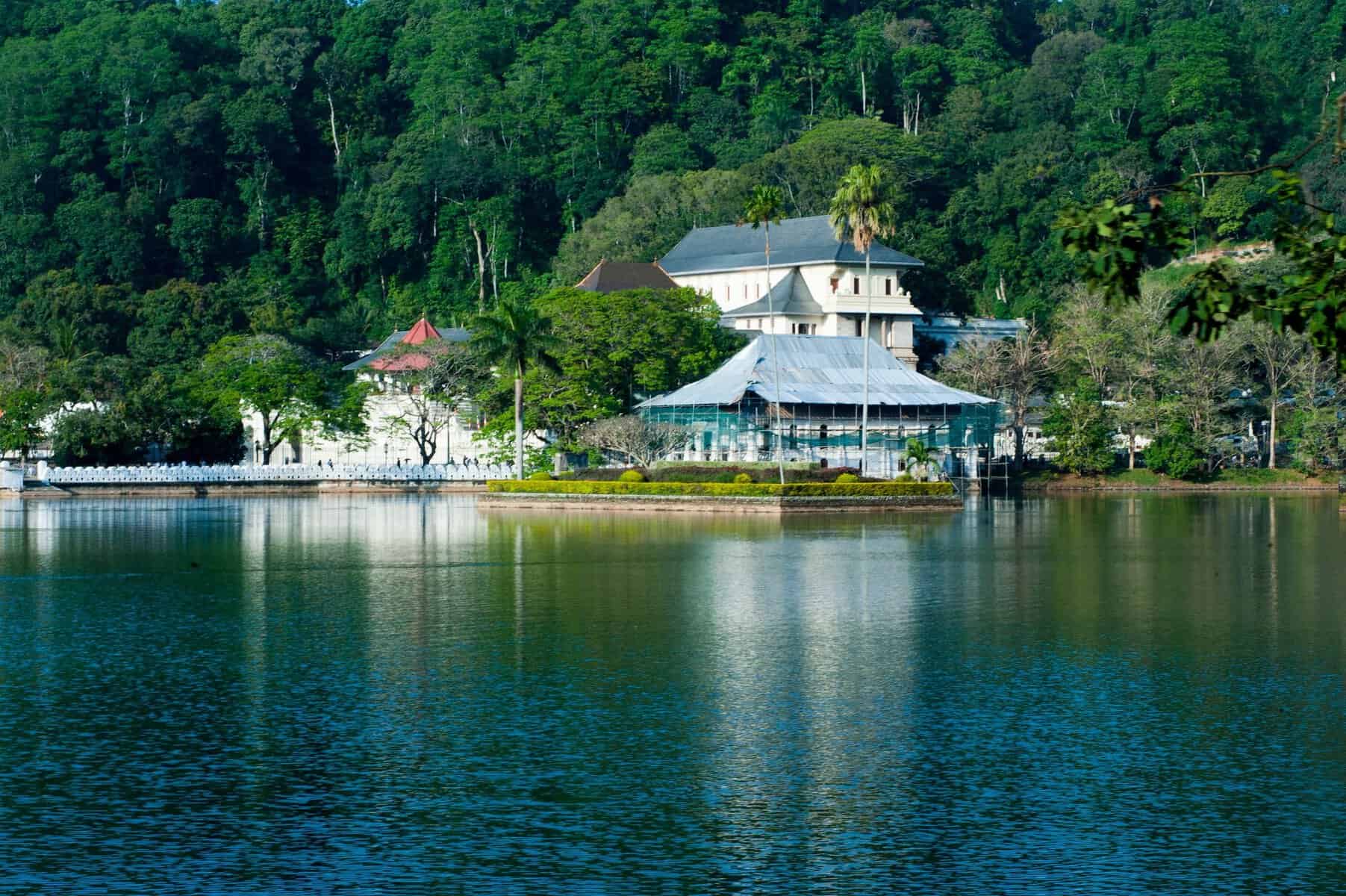
Kandy
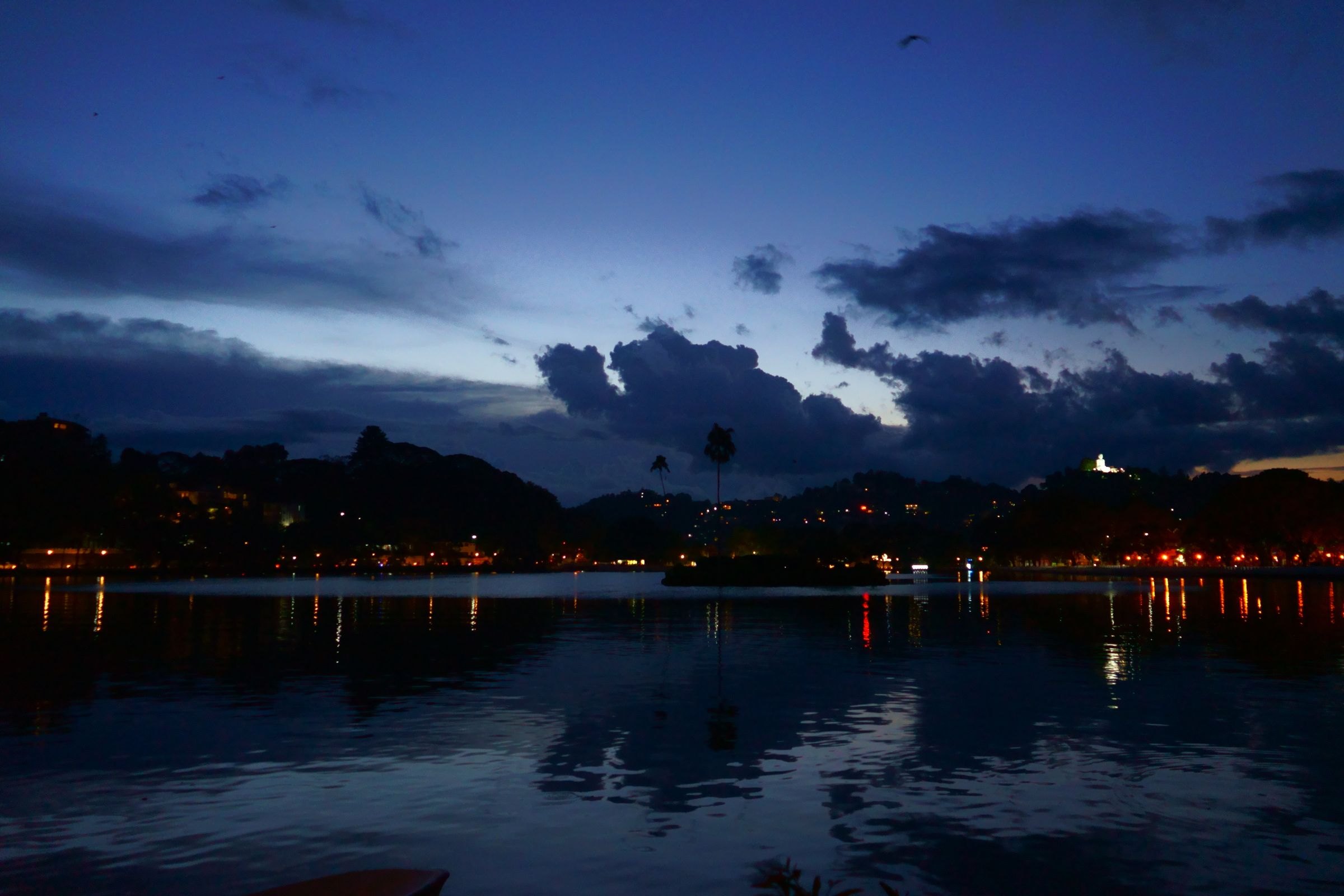
The last royal capital sits around a lake in the hills. The Temple of the Sacred Tooth Relic holds Sri Lanka’s most precious Buddhist relic; go for the evening ceremony with drums and offerings.
Spend a morning in the Royal Botanic Gardens at Peradeniya. In July or August the Esala Perahera fills the streets with dancers and decorated elephants.

Tea country: Nuwara Eliya and Ella
Cool, green and steep. Nuwara Eliya, at about 1,900 metres, was the British “Little England”; visit a working tea factory and walk the plantations.
Ella is smaller and livelier, with the Nine Arch Bridge, Little Adam’s Peak and waterfalls. The train between Kandy, Nuwara Eliya and Ella is one of the most beautiful rail journeys anywhere.
Yala and the national parks
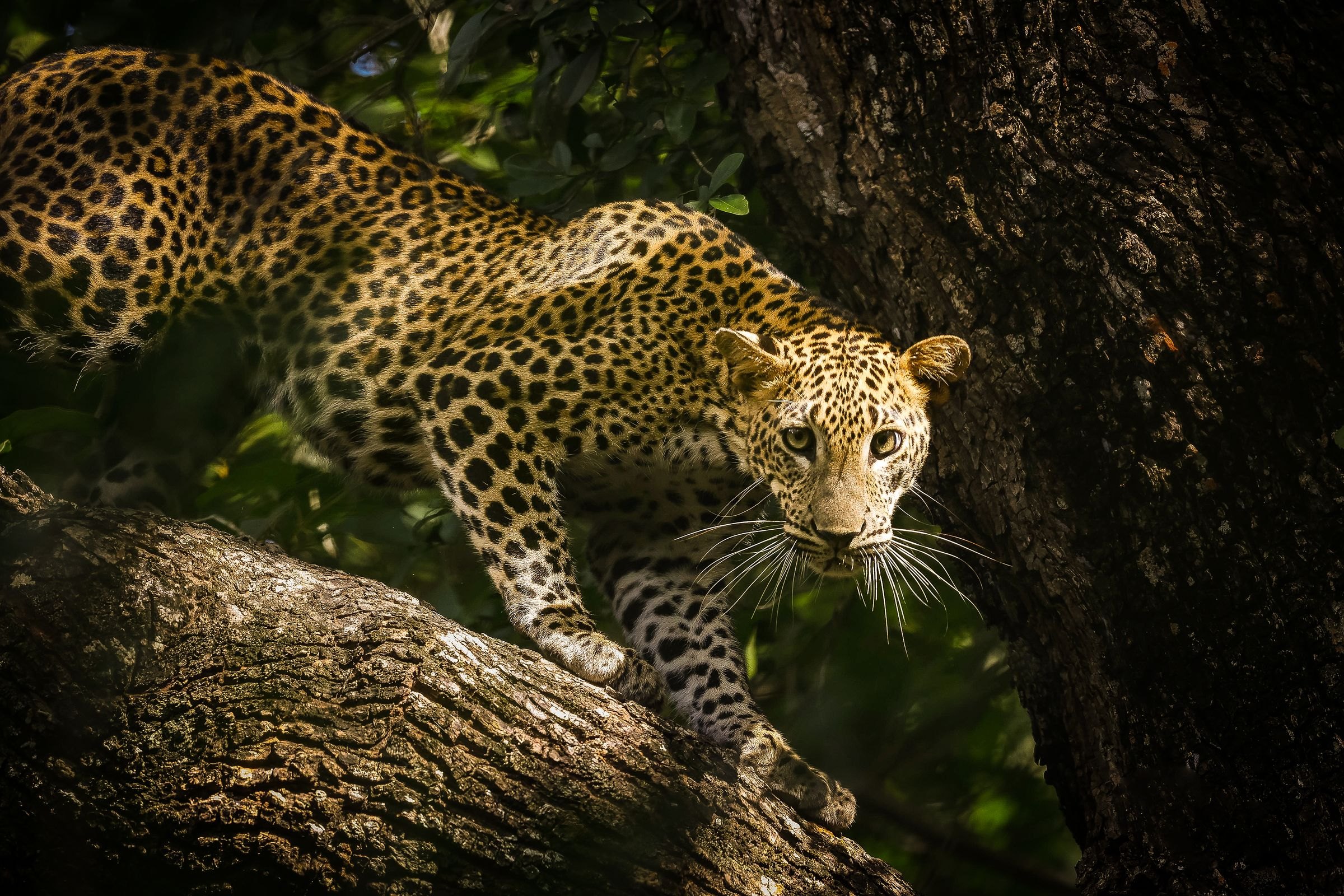
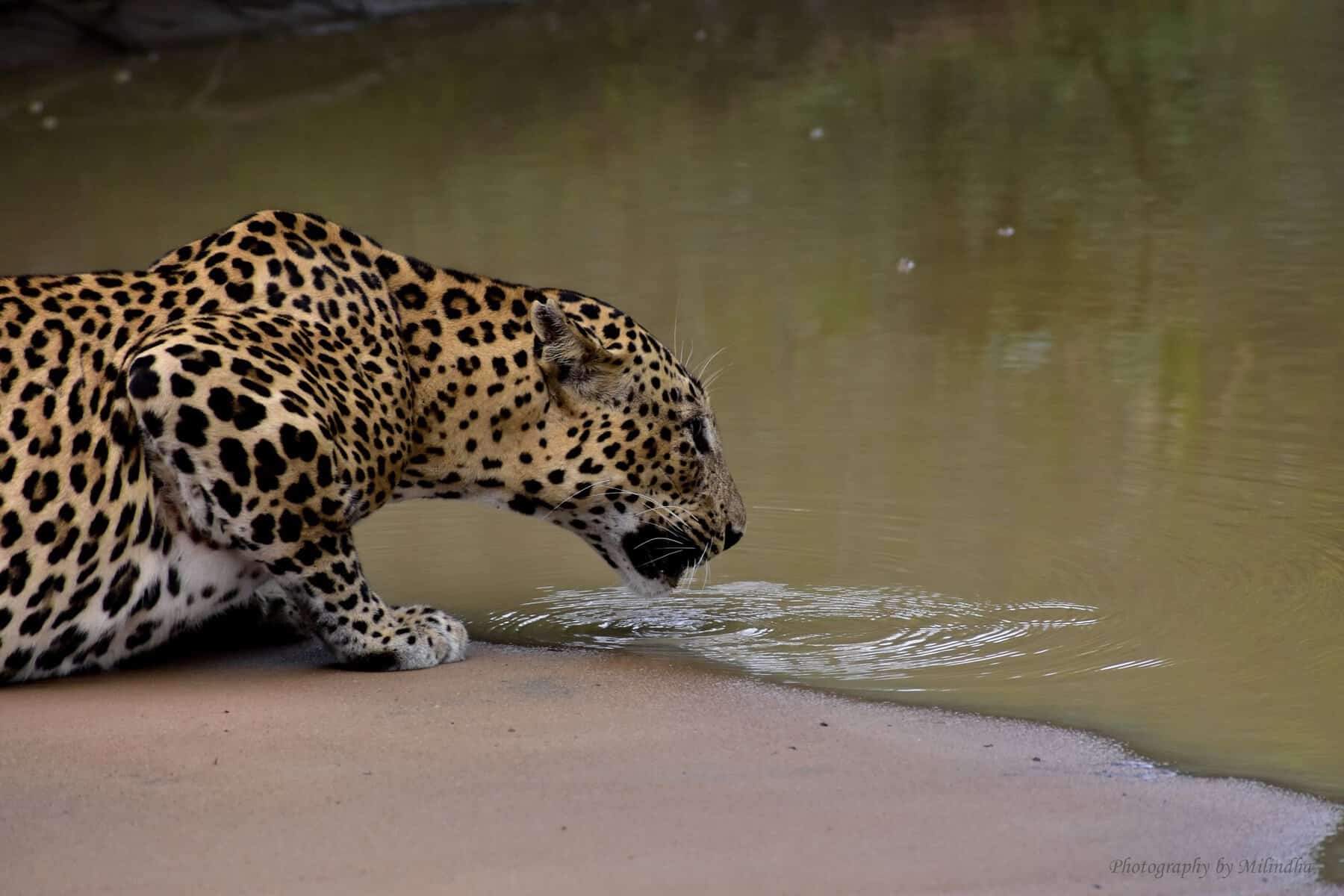
Yala has one of the highest densities of leopards in the world, plus elephants, sloth bears and crocodiles. Udawalawe is the most reliable park for elephants; quieter Wilpattu in the north-west also has leopards.
From about July to October hundreds of elephants gather at Minneriya and Kaudulla, close to Sigiriya.

Galle and the south coast
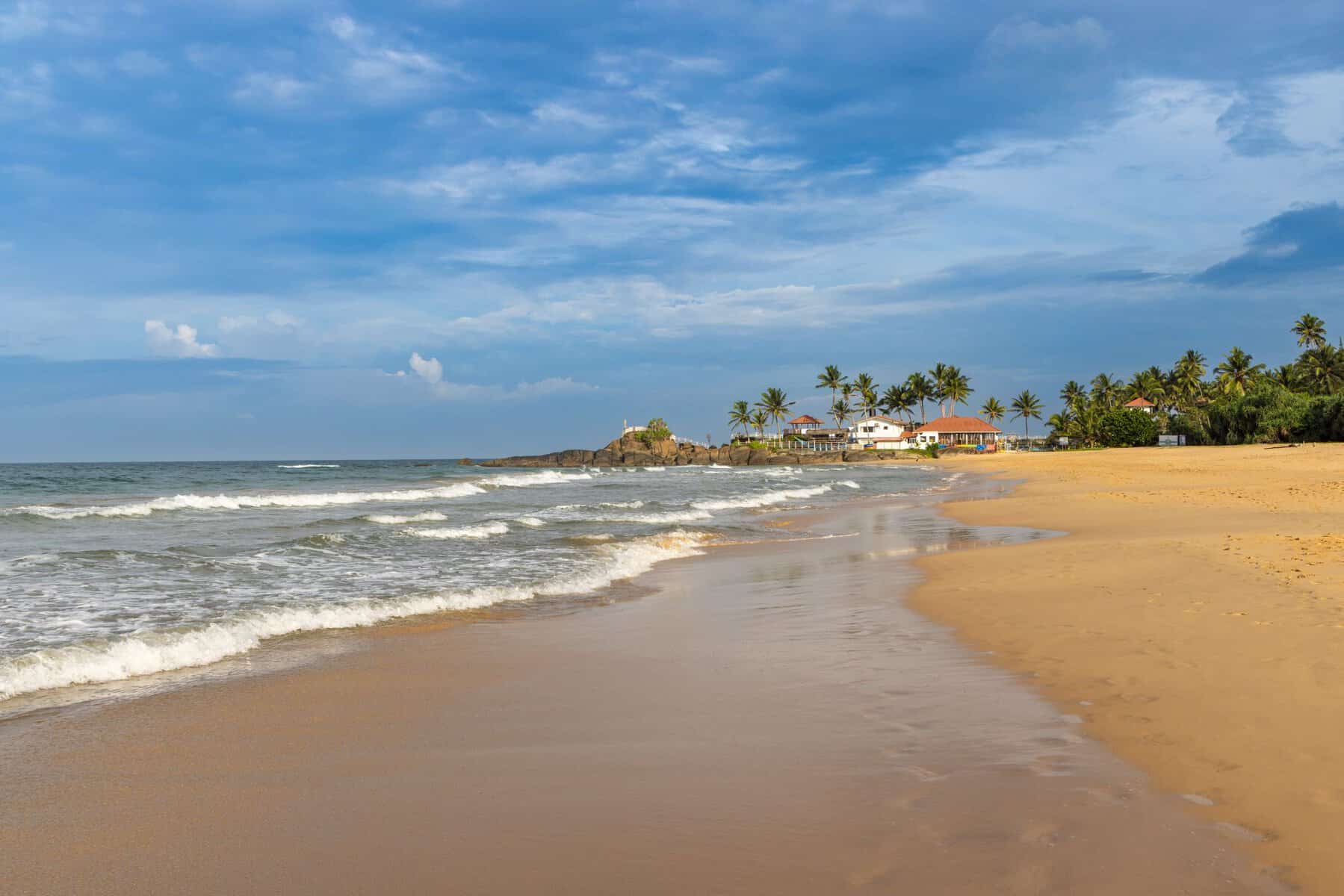
Galle Fort is a walled Dutch town, a UNESCO site, full of cafés, galleries and boutique shops. East of it are beaches for every taste: lively Unawatuna and Mirissa, surf at Weligama, and long, quiet sands at Tangalle.
From about December to April, boats go out from Mirissa to see blue whales.

Trincomalee and the east coast
When the south is wet, the east is at its best. Trincomalee and Nilaveli have calm, clear water and snorkelling around Pigeon Island; Pasikudah has a shallow, sheltered bay that suits families.
Further south, Arugam Bay is the island’s best-known surf spot, from about May to September.
Colombo and the west coast
Colombo is worth a night for its markets, temples and restaurants. The beaches at Negombo, close to the airport, and Bentota, about two hours south, are good for the first or last nights of a trip.
Bentota also has river trips through the mangroves and water sports on its lagoon.
Jaffna and the north
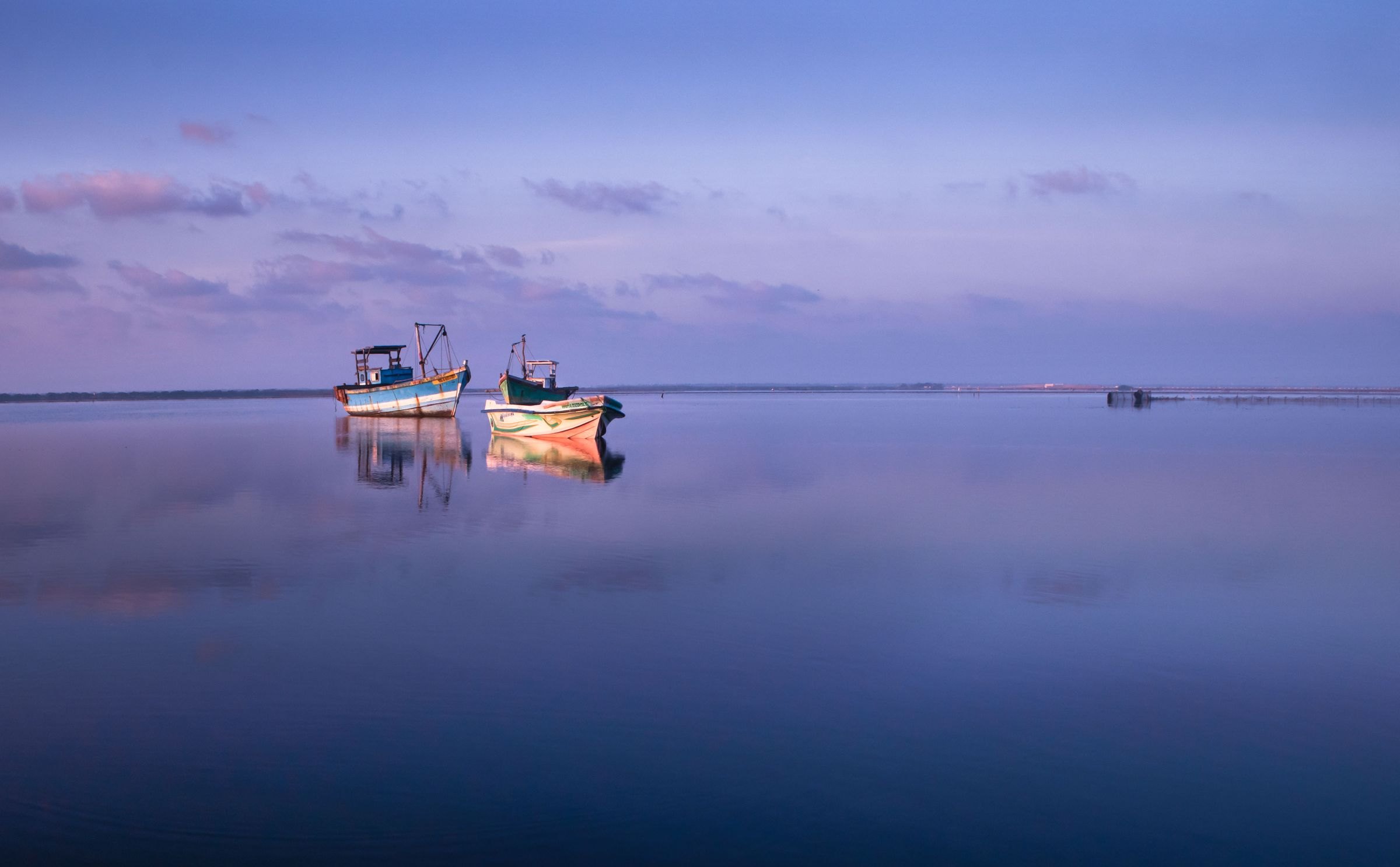
The Tamil north feels like a different country: Hindu temples such as Nallur Kandaswamy, palmyra palms, islands linked by causeways and its own spicy cuisine.
Few visitors come here, which is part of the appeal. Jaffna works best on a second trip or a longer tour.
The Cultural Triangle in three days
Day 1, Sigiriya: climb the rock at opening time, when it’s cool and quiet. It takes about two hours up and down, with around 1,200 steps. In the afternoon, take a village tour or climb neighbouring Pidurangala for the view of Sigiriya itself.
Day 2, Polonnaruwa: cycle round the 12th-century capital, ending at the Gal Vihara, four Buddhas carved out of one granite rock. In season, add an evening elephant safari at Minneriya.
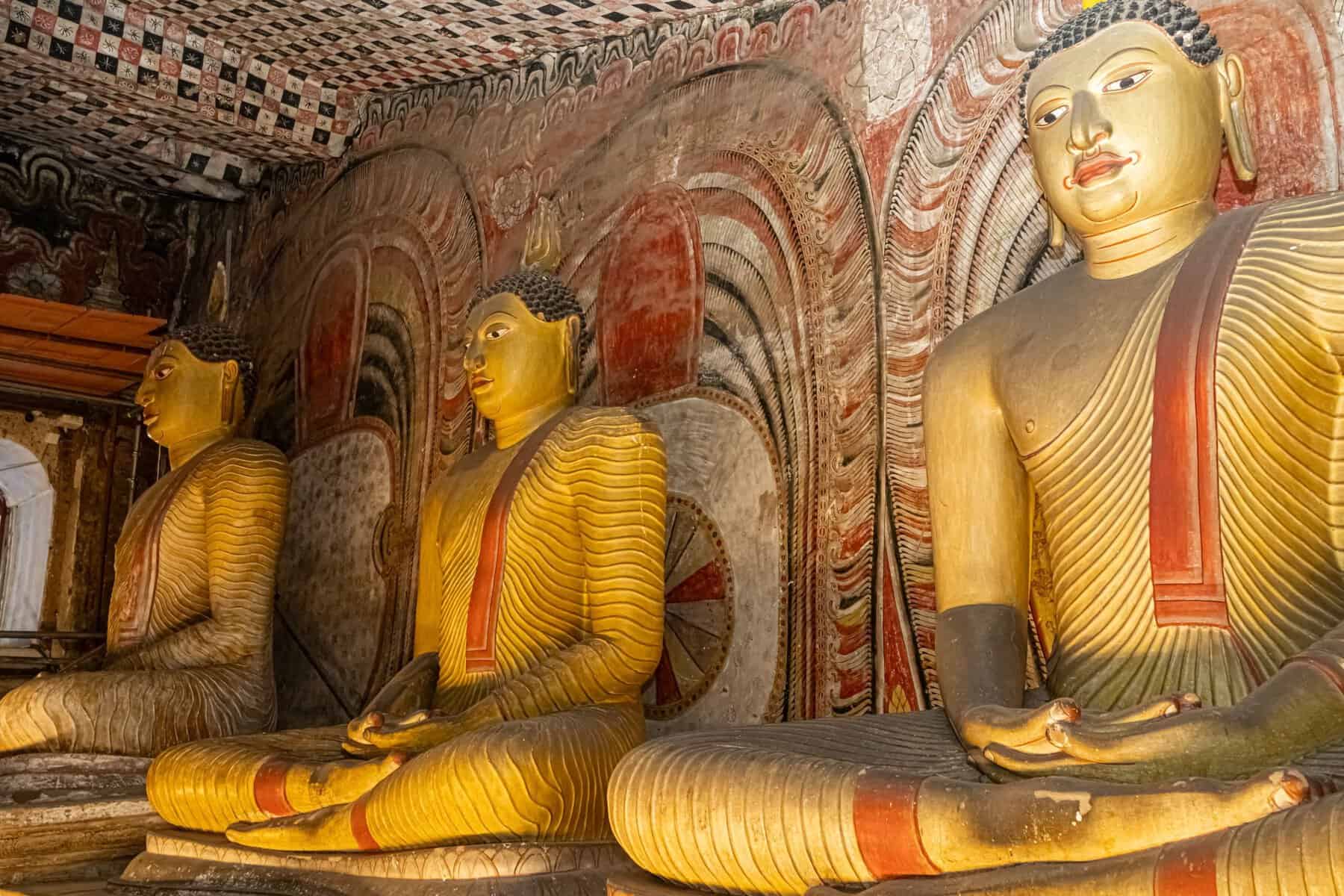
Day 3, Dambulla to Kandy: see the cave temple’s painted ceilings and around 150 Buddha images, stop at a spice garden at Matale, and reach Kandy for the evening ceremony at the Temple of the Tooth.

Classic Sri Lanka routes
Every route here can be done privately with your own driver-guide, or as a small-group tour. Allow for slow roads: 100 km often takes two and a half to three hours.
The classic loop (December to April)
- Negombo (1 night)
- Sigiriya (3)
- Kandy (2)
- Nuwara Eliya or Ella (2)
- Yala (1)
- South coast (4)
Culture, tea, leopards and a beach finish. The best first trip.
Culture and the east coast (May to September)
- Negombo (1 night)
- Sigiriya (3)
- Kandy (2)
- Ella (2)
- Trincomalee or Pasikudah (4 to 5)
The summer version: the same highlights, with the beach on the dry side of the island.
Sri Lanka and the Maldives
- Sigiriya (3 nights)
- Kandy (2)
- Tea country (2)
- Galle (2)
- Maldives (5 to 6)
The Maldives are about an hour and a half from Colombo, so a week of touring and a week on a coral island is easy.
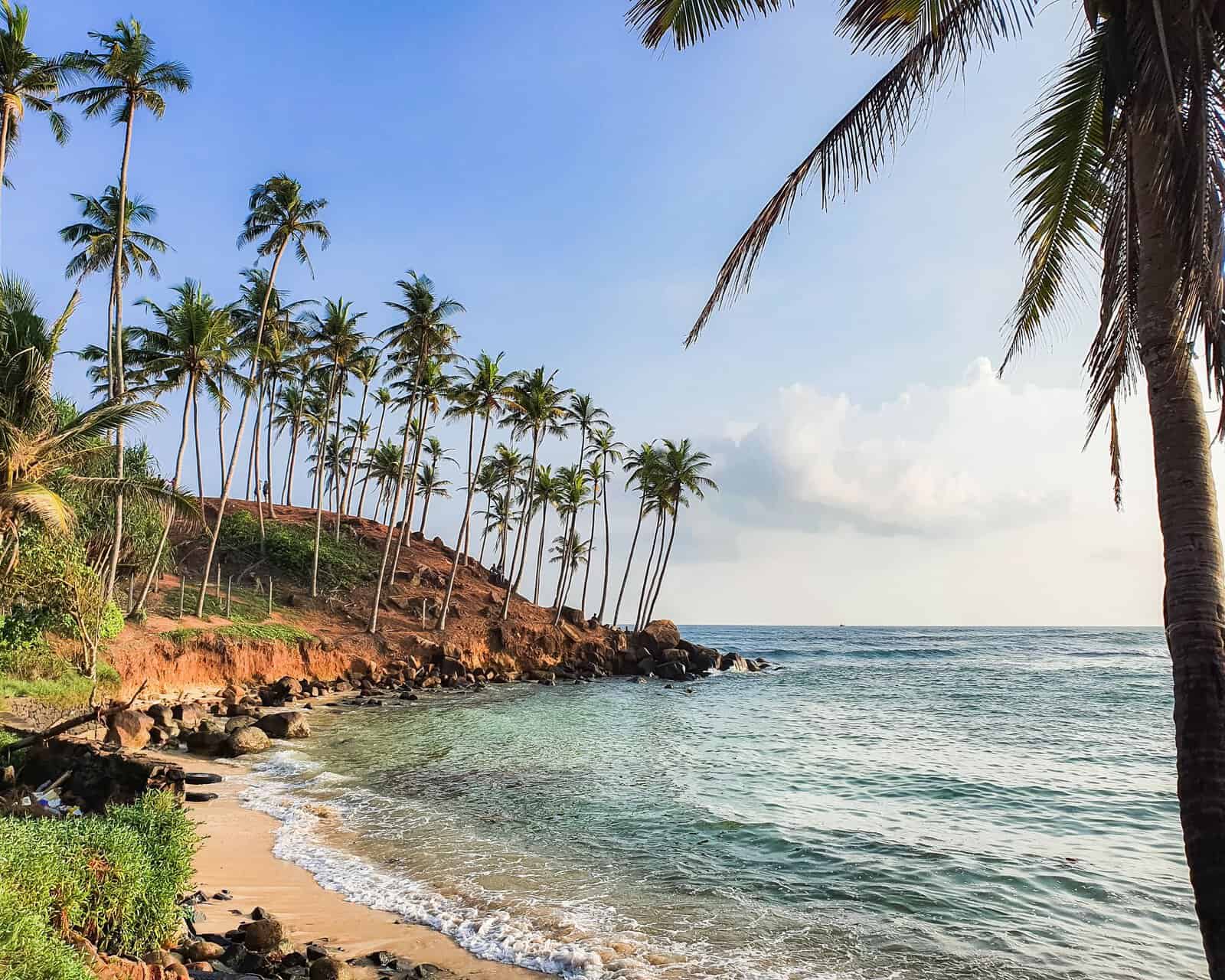
Tea country in pictures
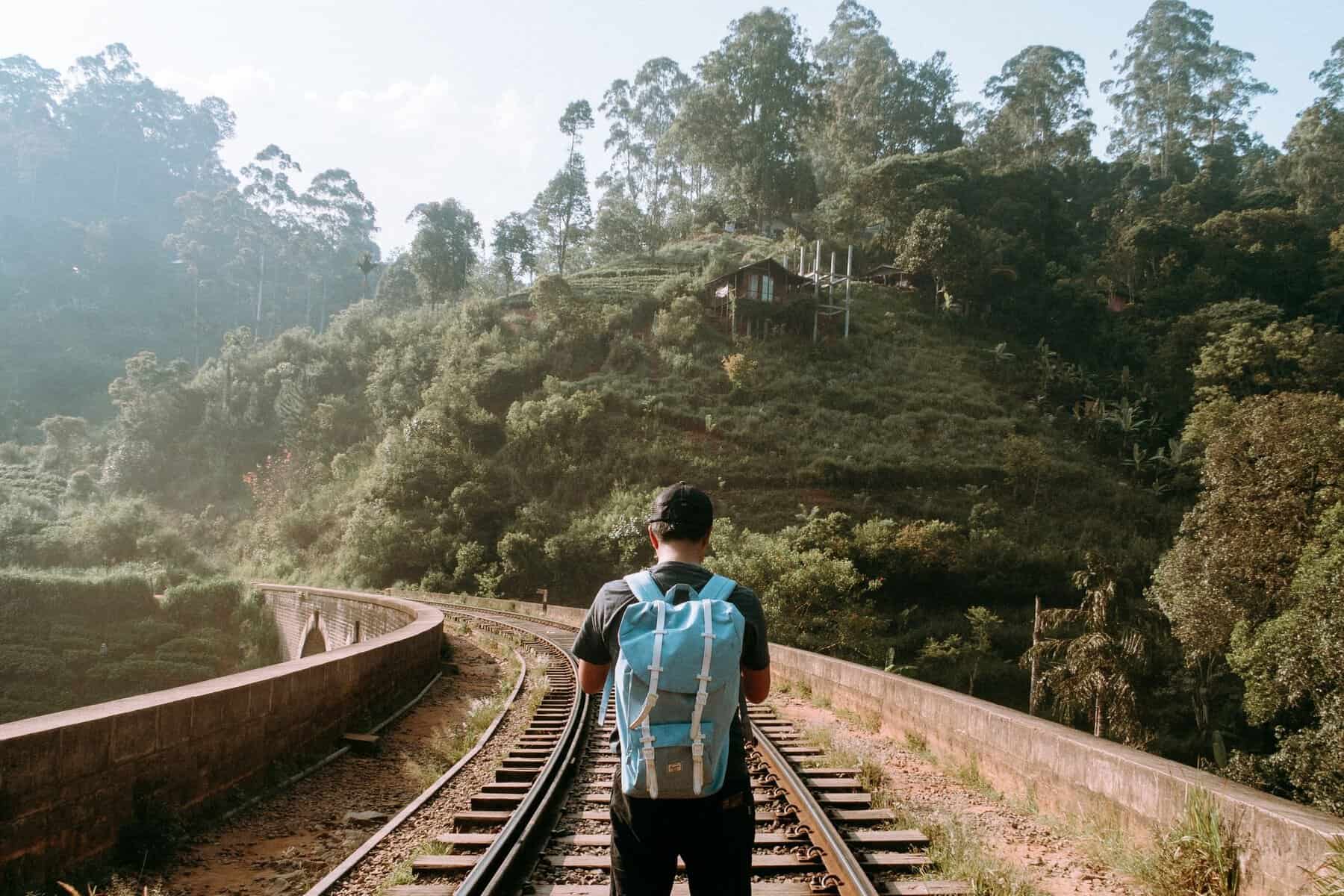

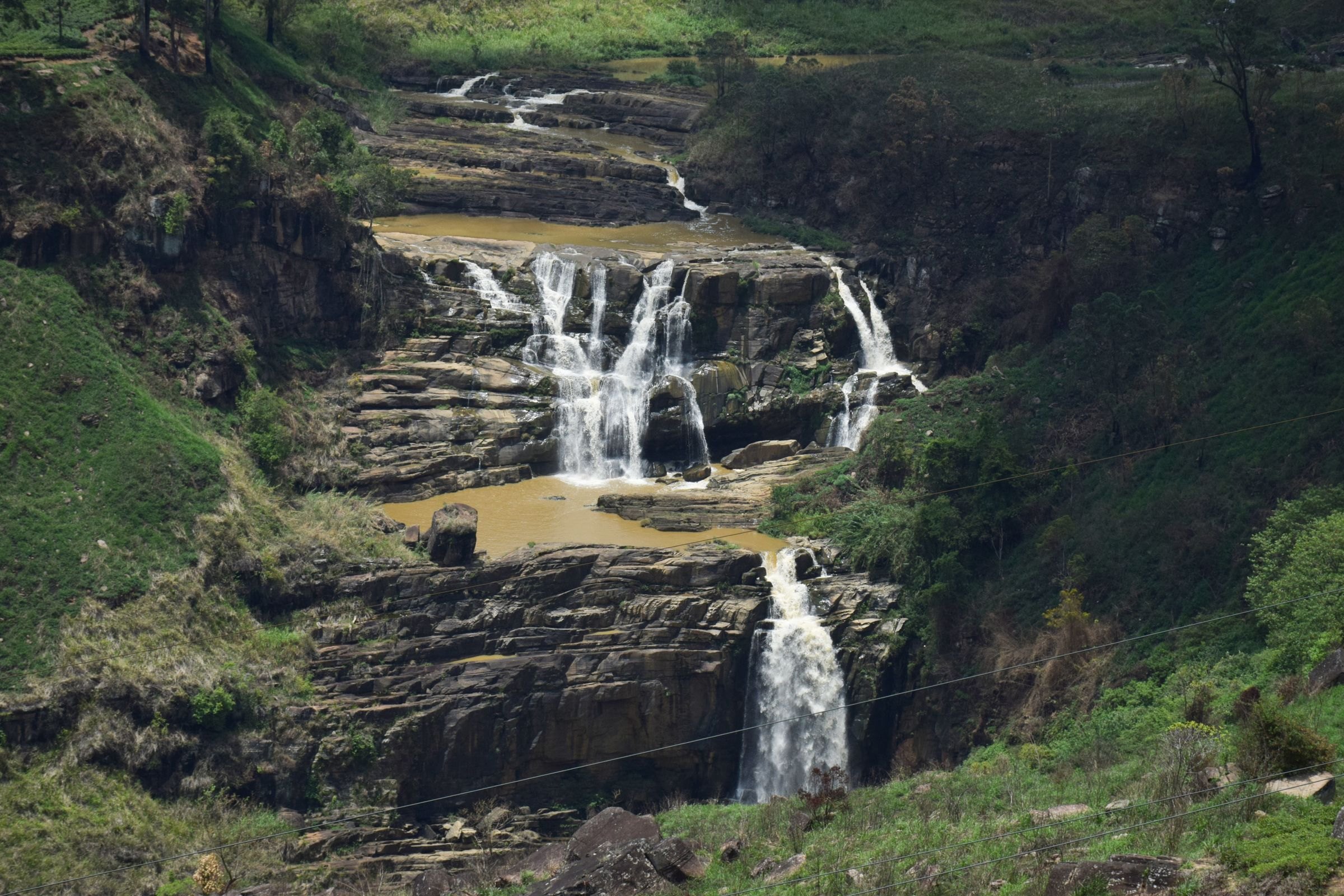
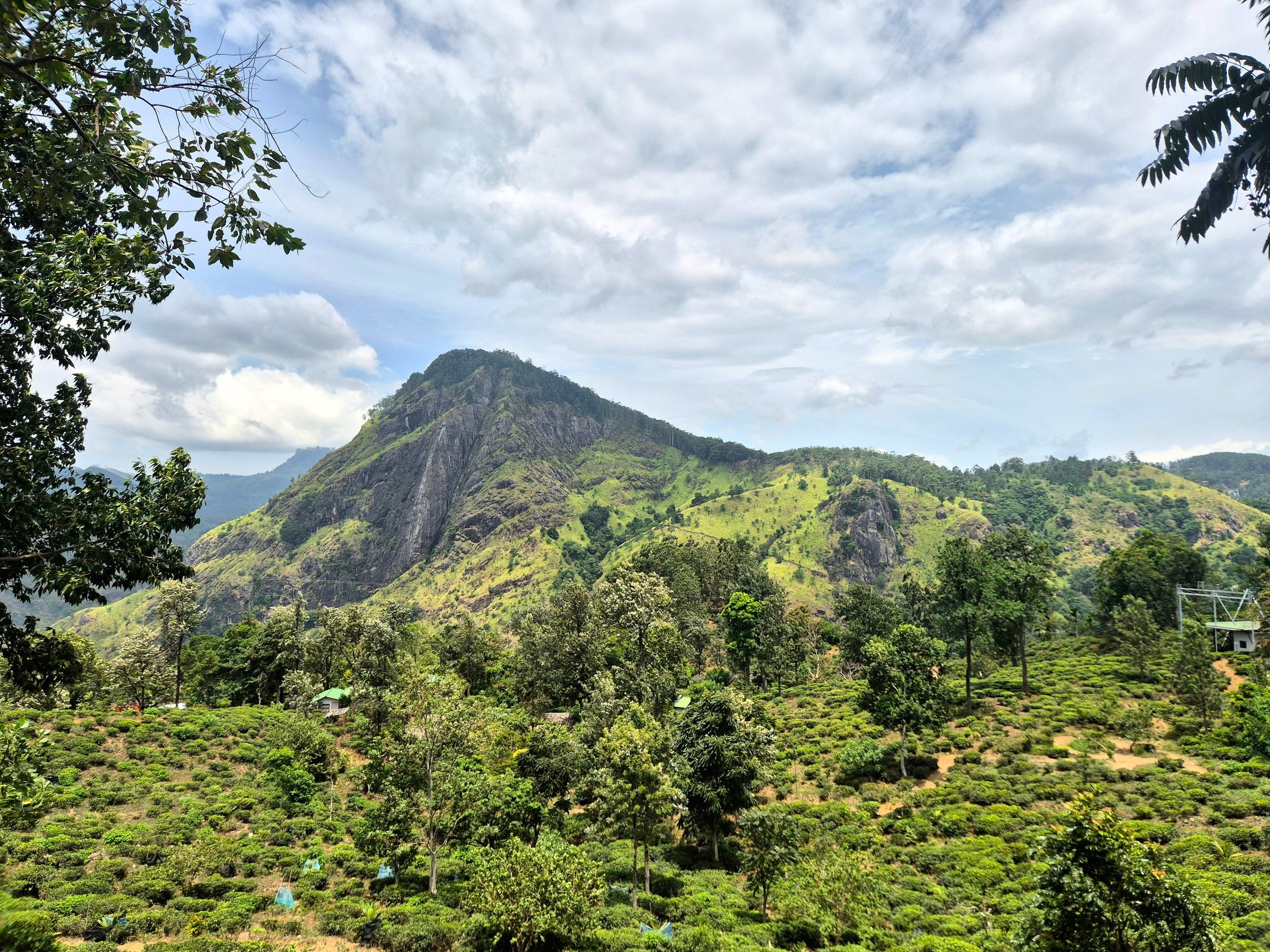


- The train: Kandy to Ella takes about six to seven hours. Book reserved seats as early as possible; observation and first-class seats sell out weeks ahead in high season. Many people ride the most scenic section, Nanu Oya (for Nuwara Eliya) to Ella, and drive the rest.
- Tea factories: most estates show you the whole process, from withering to tasting. Visit in the morning, when the leaves come in.
- Walking: Horton Plains and World’s End make a classic early-morning hike. Adam’s Peak is climbed overnight by pilgrims to watch the sunrise, mainly from December to May.
When to go: the two monsoons
Sri Lanka gets two monsoons, which hit opposite sides of the island, so somewhere is almost always dry. The south-west monsoon (May to September) brings rain to the west and south coasts and the hill country, while the east is dry and sunny. The north-east monsoon (roughly November to February) wets the north and east, while the south and west are at their best. October and November are the wettest months island-wide.
- December to April: the main season. The west and south coasts, Galle and the hill country are at their best, and it’s whale season at Mirissa. Christmas and New Year book up early.
- May to September: the east coast is dry and calm, and the Cultural Triangle is mostly dry too. It’s a good time for a culture-and-east-coast trip, and for the elephant gathering at Minneriya.
- July and August: the Kandy Esala Perahera, one of Asia’s great festivals, takes place over ten nights. Book well ahead.
- October and November: the inter-monsoon, with heavy rain in most areas. It’s quieter, but plan indoor time and flexible days.
For a month-by-month breakdown, read the best time to visit Sri Lanka.
Ways to see Sri Lanka with us



Not sure which tour suits you? See every Sri Lanka tour compared, or browse all our Sri Lanka tours.
Practical tips

- Entry: British visitors need to arrange their entry online before they fly. The rules and fees have changed several times in recent years, so check the FCDO Sri Lanka advice when you book and again before you travel, and use only the official government site.
- Temples: cover shoulders and knees, and take off shoes and hats. Never pose with your back to a Buddha statue. Visible Buddha tattoos can cause serious offence, and visitors have been refused entry, so keep them covered.
- Health: Sri Lanka is certified malaria-free, but dengue fever occurs, so use insect repellent. Ask a travel nurse about vaccinations six to eight weeks before you go.
- Money: cards work in hotels and larger restaurants. Carry rupees for tuk-tuks, temples, tips and markets; ATMs are easy to find in towns.
- Getting around: most visitors travel with a private driver-guide, which makes the slow roads easy, and take the train for the hill country. Domestic flights and seaplanes save time on longer trips.
Frequently asked questions
How many days do you need in Sri Lanka?
Twelve to sixteen days is ideal: about ten days for the Cultural Triangle, Kandy, the tea country and a safari, plus a few days on the beach. Eight days covers the highlights at a faster pace.
When is monsoon season in Sri Lanka?
There are two. The south-west monsoon, from about May to September, brings rain to the west and south coasts and the hill country. The north-east monsoon, from about November to February, affects the north and east. October and November are usually wet island-wide.
Is the east coast of Sri Lanka good in July?
Yes. July is one of the best months for the east coast: Trincomalee, Nilaveli, Pasikudah and Arugam Bay are dry and sunny, with calm seas, while the south and west coasts are in their wet season.
What is Kandy known for?
Kandy is the last royal capital of Sri Lanka, known for the Temple of the Sacred Tooth Relic, its lake, the Royal Botanic Gardens at Peradeniya and the Esala Perahera festival in July or August. It's also the start of the famous train ride into the tea country.
Is Sigiriya hard to climb?
It's steep but manageable for most reasonably fit people: around 1,200 steps, taking about two hours up and down. Go at opening time to avoid the heat and the crowds. Some sections are exposed, which can bother people who dislike heights.
Where can you see leopards in Sri Lanka?
Yala National Park in the south-east has one of the highest densities of leopards in the world. Wilpattu in the north-west is quieter and also has leopards. Allow at least two game drives.
Can you combine Sri Lanka with the Maldives?
Yes, easily. Flights from Colombo to Malé take about an hour and a half, so a week or ten days touring Sri Lanka followed by five or six nights in the Maldives is a popular combination.
Do UK citizens need a visa for Sri Lanka?
British visitors need to arrange entry online before travelling. The system has changed several times recently, so check the FCDO Sri Lanka travel advice for the current rules and use only the official government website.
Keep planning
- Sri Lanka holidays
- Sri Lanka escorted tours
- Sri Lanka tours compared
- Best time to visit Sri Lanka
- Sri Lanka and the Maldives
- Maldives holidays
- India holiday guide
- Tailor-made holidays
Plan your Sri Lanka holiday with a Travel Designer
Tell us when you can travel. We’ll pick the right coast for your month, and arrange the driver-guide, train seats and hotels, all ATOL-protected.
Make an enquiry Sri Lanka holidays