Catalonia makes some of Spain’s most exciting wine, and most of it is within two hours of Barcelona. The Penedès is the home of Cava, made in vast underground cellars; Priorat produces powerful reds from vines clinging to slate terraces; and smaller regions such as Terra Alta, Montsant, the Empordà and Alella are full of family wineries and modernist ‘cathedrals of wine’.
Two sections of the Grand Tour of Catalonia run straight through wine country: Section 1 through the Penedès and Section 2 through Terra Alta and Priorat. Here’s how to plan a trip around them.
The quick answer
- For Cava and an easy trip from Barcelona, visit the Penedès (Sant Sadurní d’Anoia).
- For bold reds and dramatic landscapes, go to Priorat and Montsant.
- For modernist cellars and white Garnacha, add Terra Alta.
- Book tastings ahead, and plan a designated driver — or a driver-guide.
- Go in September and October for the harvest.
The wine regions at a glance
| Region | Known for | Grand Tour section |
|---|---|---|
| Penedès | Cava and fresh whites, close to Barcelona | Section 1 |
| Priorat (DOQ) | Powerful reds from slate terraces | Section 2 |
| Montsant | Characterful reds around the Montsant cliffs | Section 2 |
| Terra Alta | White Garnacha and modernist co-op cellars | Section 2 |
| Empordà | Wines shaped by the Tramuntana wind | Section 5 |
| Alella | Small coastal vineyards near Barcelona | Section 5 |
The Penedès: Cava country
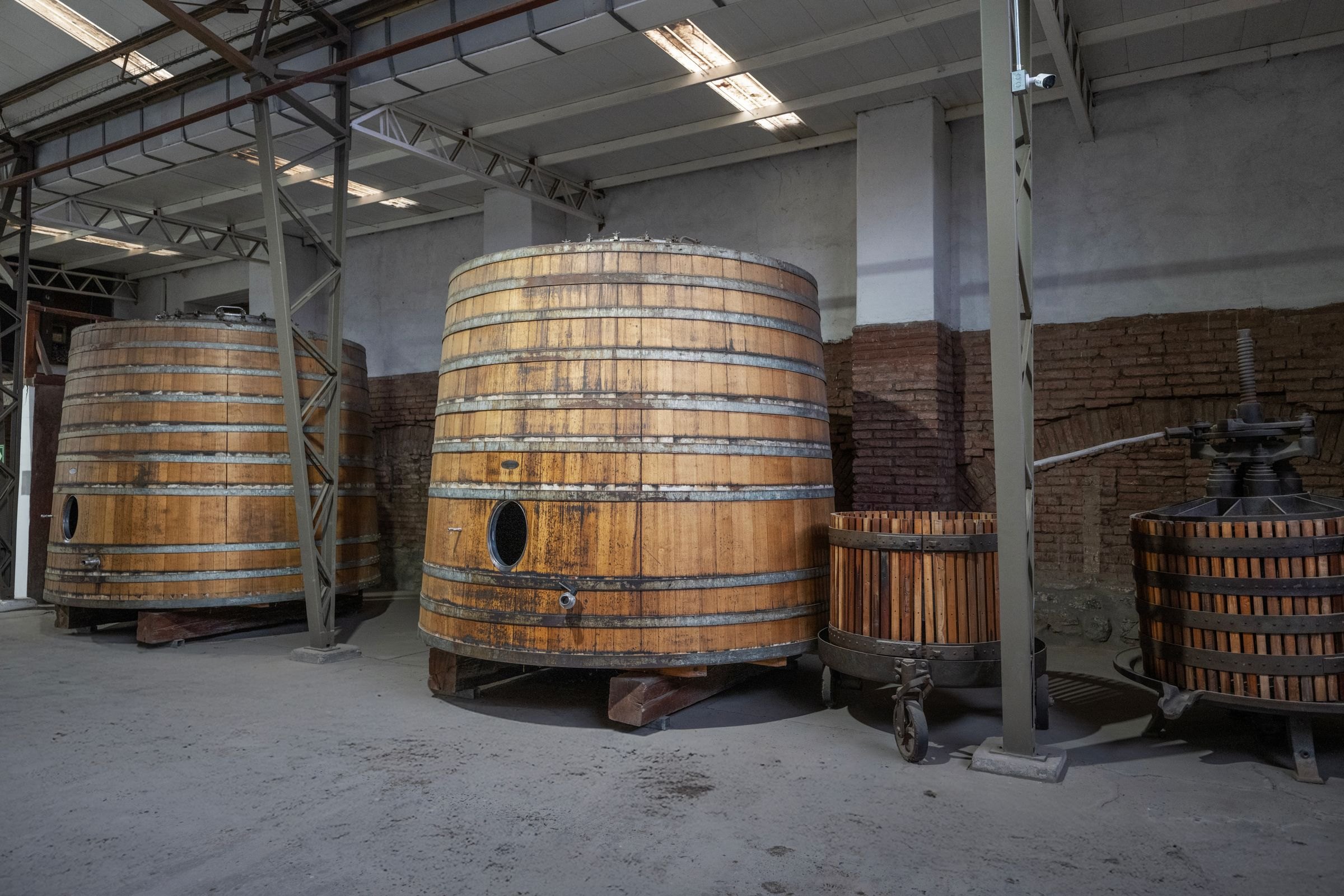
Sant Sadurní d’Anoia is the capital of Cava, with miles of underground cellars and a Cava interpretation centre that explains how the bubbles get into the bottle. Nearby Vilafranca del Penedès has the Vinseum wine museum and a cluster of estates offering themed visits and tastings, and the Miravinya route links viewpoints over vineyards dotted with dry-stone huts. The region runs right down to the sea — which is why some locals call it the vineyard with a view.
Priorat and Montsant: wine on the edge
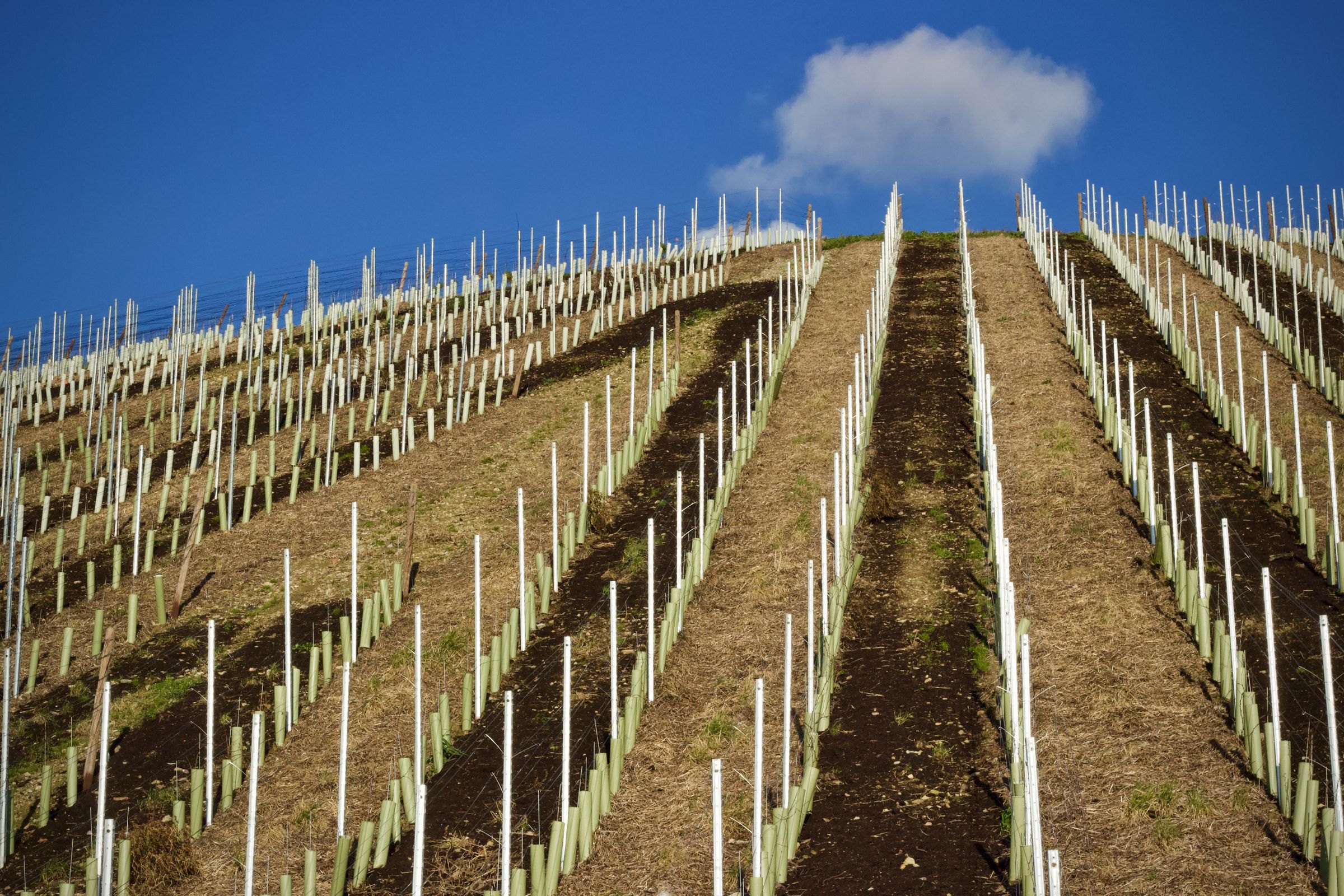
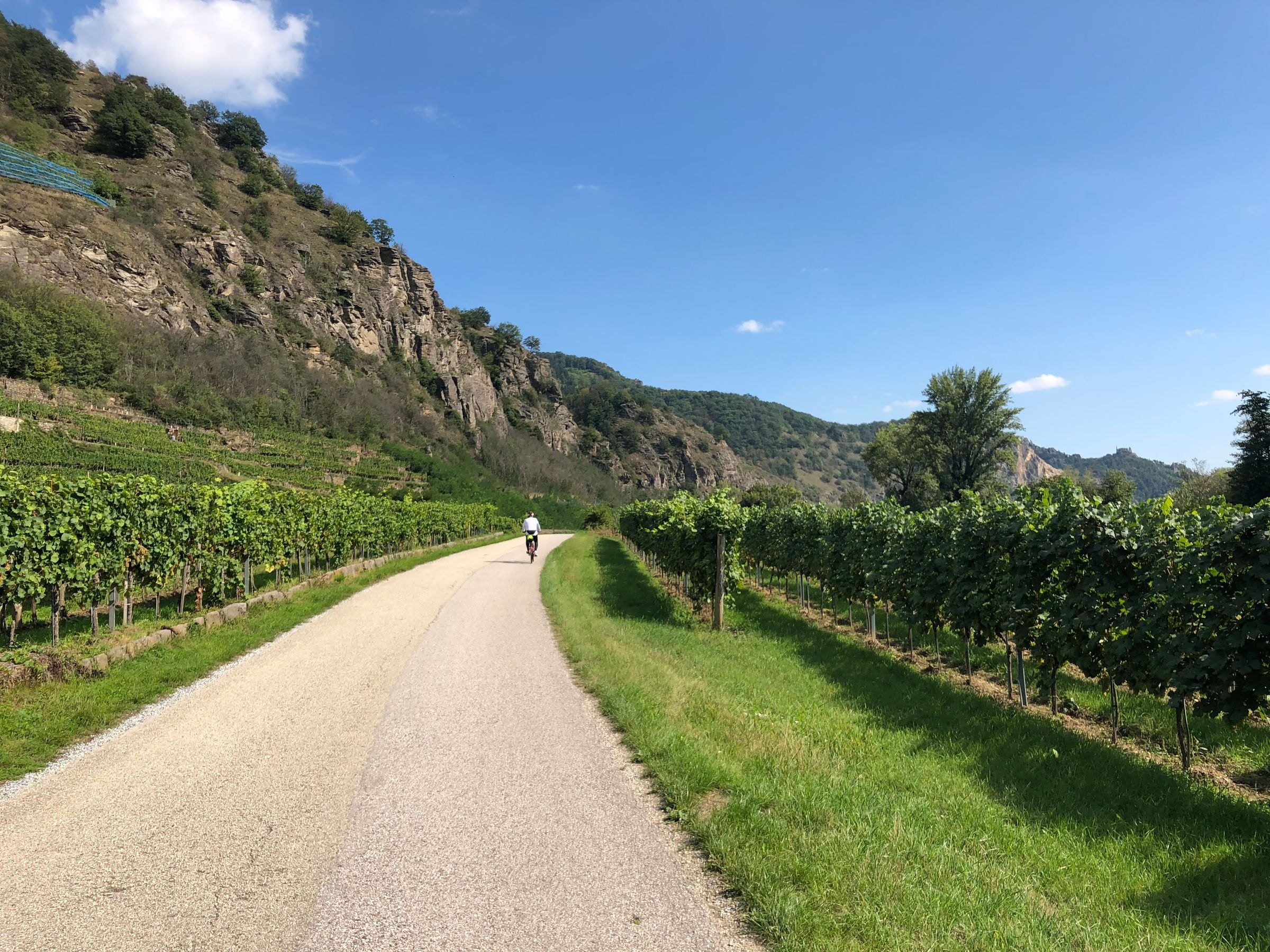
Priorat is one of only two regions in Spain with the top DOQ classification, and the landscape is as dramatic as the wine: vines on steep terraces of crumbly slate, below the cliffs of Montsant. Start at the modernist cooperative cellar in Falset, drive the panoramic road through Gratallops and the Vilella villages, and visit the ruined charterhouse of Escaladei, which gave the region its name. Cliff-top Siurana is the place for a sunset.
Terra Alta and the cathedrals of wine
In the early 20th century, farmers’ cooperatives built extraordinary modernist wine cellars, nicknamed the ‘cathedrals of wine’. The finest are in Gandesa and El Pinell de Brai in Terra Alta, which is also known for its crisp white Garnacha. Combine them with a kayak on the Ebro to Miravet’s Templar castle on Section 2.
Tips for a wine road trip
- Book ahead: many wineries open by appointment, especially on weekdays.
- Don’t drink and drive: Spain’s limits are strict. Share the driving, spit at tastings, or book a private driver-guide for your wine days.
- Time it right: the harvest runs from late August to October, and spring brings green vines and fewer visitors.
- Stay in the vineyards: wine-estate hotels and farmhouses make the evenings easy.
- Eat local: pair Priorat reds with grilled meats, and Cava with almost anything — especially calçots in winter.
Frequently asked questions
What is the best wine region near Barcelona?
The Penedès, home of Cava, is under an hour from the city. Alella is even closer, on the coast.
What is special about Priorat wine?
Priorat is one of only two Spanish regions with the top DOQ classification, known for powerful reds grown on steep slate terraces.
When is the best time for a Catalan wine trip?
September and October for the harvest; spring for green vines and quieter wineries.
Do I need to book winery visits?
Yes, many wineries open by appointment. We book tastings and tours as part of your trip.
Can I visit wineries without driving?
Yes. A private driver-guide is available on request for any section of the Grand Tour, or just for your wine days.
Planning a Catalan wine trip?
Tell us the wines you love and how long you have, and we will build a tailor-made route with tastings and vineyard hotels.