The Costa Brava — the ‘wild coast’ — runs north from Blanes to the French border in a ragged line of pine-backed coves, fishing villages and rocky headlands. Some of its beaches are long and sandy; the best ones are tiny, turquoise and reached by a footpath, a flight of steps or a boat. Here are our favourites, and how to fit them into a holiday.
All of these are on or near Section 5 of the Grand Tour of Catalonia, from Figueres to Barcelona, which we plan as a tailor-made self-drive. For hotels by area, see our Costa Brava holidays page.
The quick answer
- For the prettiest coves, base yourself around Begur and Palafrugell.
- For a walled old town above the sea, stay in Tossa de Mar.
- For Dalí and wild headlands, head north to Cadaqués and Cap de Creus.
- Walk the Camí de Ronda, the old coastal path, between the coves.
- Go in May, June or September for warm water and fewer people.
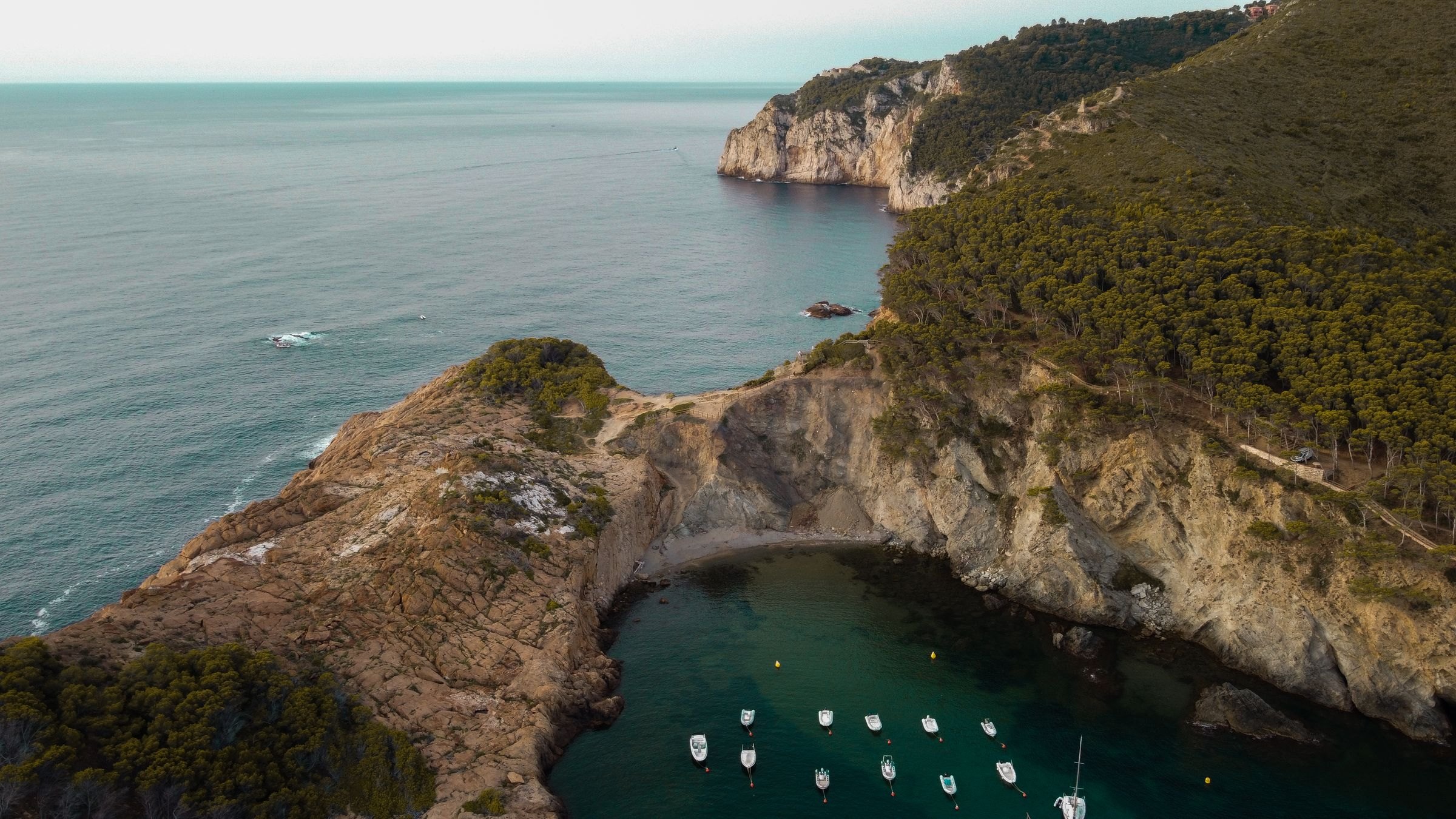
Our favourite coves and beaches
| Beach | Near | Why go |
|---|---|---|
| Sa Tuna | Begur | A tiny fishing cove of white houses and clear water |
| Aiguablava | Begur | Sheltered, sandy and very calm — good for children |
| Calella de Palafrugell | Palafrugell | Whitewashed arches, fishing boats and small coves in the village |
| Llafranc & Tamariu | Palafrugell | Two pretty bays linked by the coastal path |
| Cala Giverola | Tossa de Mar | A pine-ringed cove reached from the Camí de Ronda |
| Platja de Pals | Pals | A long, open sandy beach with dunes behind |
| Cala Montjoi & Cap de Creus coves | Roses / Cadaqués | Wild, rocky inlets in the natural park |

Begur and Palafrugell: the cove capital
If you only have time for one base, choose here. Begur’s hilltop village sits above a string of tiny coves — Sa Tuna, Aiguafreda, Sa Riera, Aiguablava — each with a beach bar or two. Just south, Calella de Palafrugell has whitewashed arches over the sand and Josep Pla’s childhood landscapes, and the coastal path continues to Llafranc and Tamariu. Parking is limited in July and August, so arrive early or walk in.

Tossa de Mar and the south
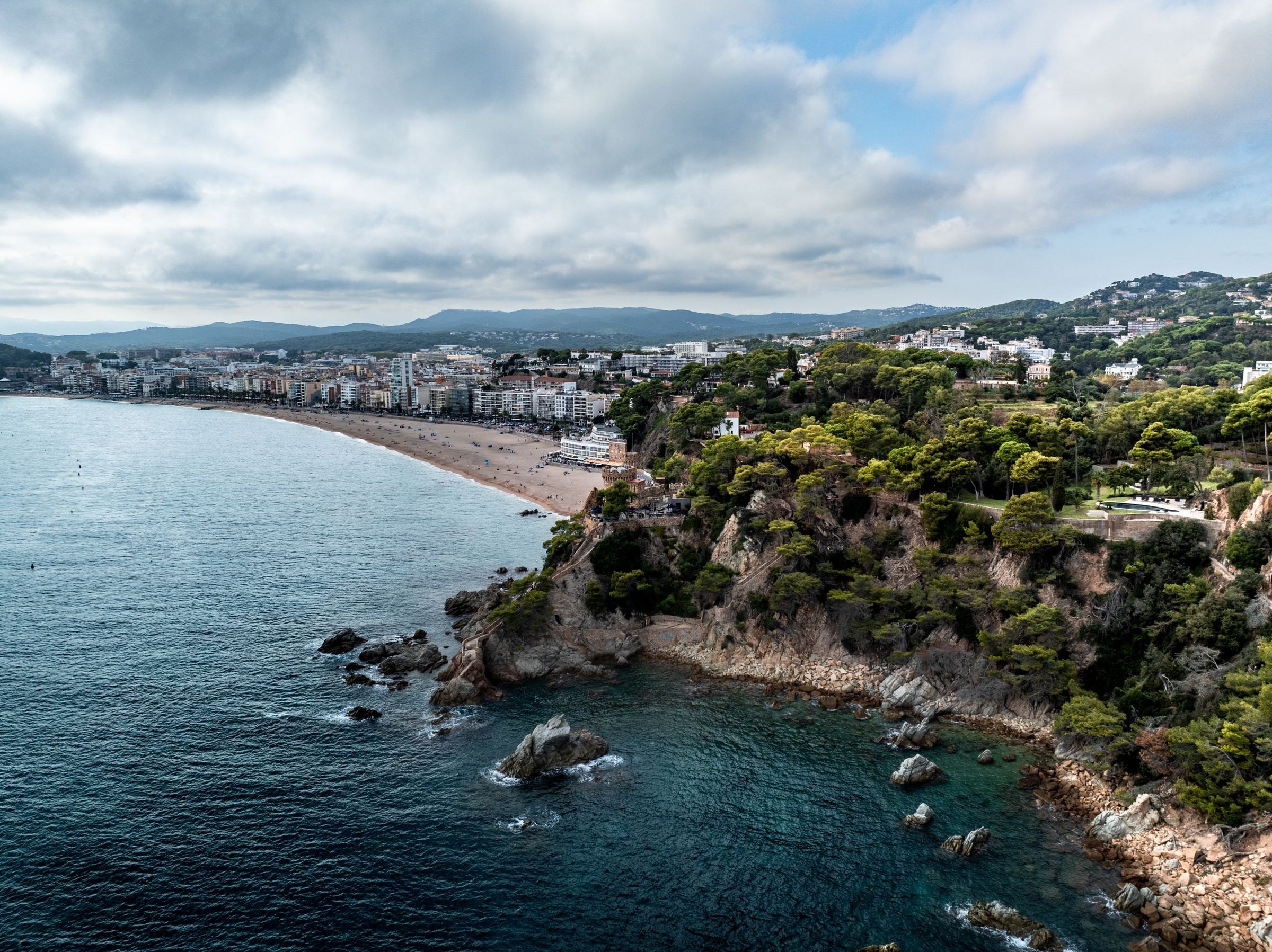
Tossa de Mar’s medieval walls, the Vila Vella, climb a headland above the main beach. Walk a stretch of the Camí de Ronda to Cala Giverola for the view from the Sant Jaume lookout, then continue to Lloret de Mar for the clifftop Santa Clotilde gardens. The southern Costa Brava is livelier, with more hotels and longer beaches.
Cadaqués and Cap de Creus
In the far north, the landscape turns wild and rocky. Cadaqués is the postcard village — white houses, a church above the harbour and Dalí’s house at nearby Portlligat — and the Cap de Creus natural park has dozens of inlets reached by footpath or boat. Combine it with the Dalí Theatre-Museum in Figueres, the start of Section 5.
Walking the Camí de Ronda
The Camins de Ronda are the old coastal paths once used by fishermen, smugglers and coastguards, and they link many of the best coves. Easy, family-friendly stretches include Calella de Palafrugell to Llafranc, Platja d’Aro to Palamós and Lloret de Mar towards Blanes. The horseshoe path from Cadaqués to Cap de Creus is wilder and spectacular. Take water, good shoes and a swimsuit.
When to go
May, June and September are the sweet spot: the sea is warm enough to swim, the beach bars are open and the coves are calm. July and August are hot and busy — go early in the day, or choose quieter northern beaches. In spring and autumn the coastal paths are at their best for walking.
Ask us to plan a Costa Brava stay →
Frequently asked questions
What is the most beautiful part of the Costa Brava?
Many people say the coves around Begur and Palafrugell — Sa Tuna, Aiguablava, Calella de Palafrugell, Llafranc and Tamariu.
Can you walk between the Costa Brava coves?
Yes, on the Camí de Ronda coastal paths. Easy stretches include Calella de Palafrugell to Llafranc and Platja d’Aro to Palamós.
When is the best time to visit the Costa Brava?
May, June and September for warm water and fewer people. July and August are hot and busy.
Where should I stay on the Costa Brava?
Begur and Palafrugell for coves, Tossa de Mar for an old town by the sea, Lloret de Mar for longer beaches and nightlife, and Cadaqués for the wild north.
Do I need a car on the Costa Brava?
It helps. Many of the best coves are on small roads with little public transport, and parking fills early in summer.
Planning a Costa Brava holiday?
Tell us how you like to spend your days, and we will match the village and hotel to you — or build a road trip along the coast.